Complete Guide to Growing Blackberries
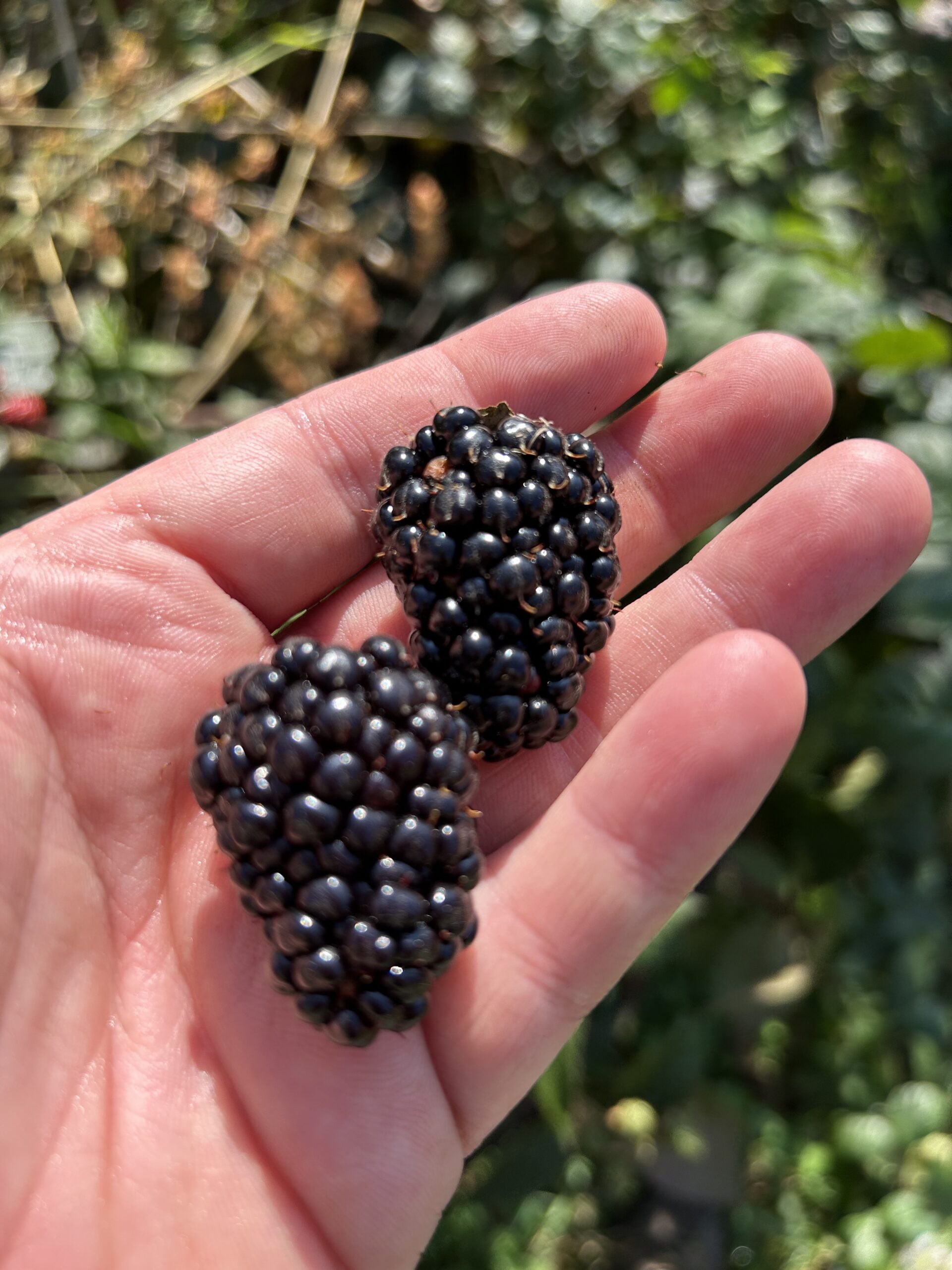
Growing blackberries is an incredibly rewarding endeavor, as these plants are relatively easy to grow and provide delicious, sweet berries that can be eaten fresh or used in various recipes. Whether you’re a beginner or an experienced gardener, here’s your complete guide to growing blackberries, from selecting varieties to harvesting the fruit.
1. Choosing the Right Blackberry Variety
There are different types of blackberries, and choosing the right variety for your climate and needs is essential.
Types of Blackberries
Erect (Thornless): These are the most commonly grown types, especially for home gardens. They’re typically thornless, easier to manage, and produce fruit on 1-year-old canes. Popular varieties include:
‘Navaho’
‘Chester Thornless’
‘Arapaho’
Trailing (Thorned or Thornless): These varieties tend to grow long, arching canes that need support. They produce fruit on 2-year-old canes. Popular varieties include:
‘Boysenberry’ (a hybrid with a unique flavor)
‘Marionberry’ (especially popular on the West Coast)
Semi-Erect (Thorned or Thornless): These are a cross between erect and trailing types and can have a more compact growth habit. Popular varieties include:
‘Triple Crown’ (thornless, very hardy, high yield)
‘Black Satin’
Climate Considerations
Blackberries thrive in USDA hardiness zones 5-9 (most types). Some varieties, like the ‘Chester Thornless’, are cold-hardy and can tolerate colder climates.
2. Site Selection and Soil Preparation
Blackberries prefer certain conditions to grow optimally, so site selection is critical.
Sunlight
Full sun is essential for blackberries. Aim for 6-8 hours of direct sunlight per day for the best fruit production and health.
Soil Conditions
Well-drained soil is key to prevent root rot. Blackberries prefer slightly acidic soil with a pH between 5.5 and 6.5. If your soil is alkaline, amend it with sulfur or peat moss.
Loamy, rich soil is ideal, but blackberries can tolerate sandy soil as long as it drains well.
Spacing
Space blackberry plants about 3-4 feet apart in rows that are 8-10 feet apart. Erect varieties need less space, while trailing varieties require more room to spread.
3. What I look for in a berry
Thornless vs. thorny (easy harvest vs. more rugged/durable)
What I Look for in a Good Blackberry Variety
Cold‑hardiness / chill hours
Disease resistance
Flavor & berry size
Ripening season (early / mid / late)
Growth habit (upright, semi‑erect, trailing; whether primocane or floricane)
4. Top Varieties to Grow
| Variety | Zone(s) * | Thornless? | Highlights / Pros |
|---|---|---|---|
| Navaho | 6‑10 | Yes | Upright growth, largeberries, great flavor, doesn’t require alot of support. |
| Apache | 5‑9 | Yes | Very large berries with a large harvest, sweet flavor. Good mid‑season. |
| Arapaho | 5‑8 or 6‑8 | Yes | Early ripening, upright canes, smaller seeds so good for jellies and jams, excellent disease resistance. |
| Triple Crown | 5‑8 | Yes | Excellent flavor, high grown rate, good mid to late season yield. Top plant overall. |
| Chester | 5‑9 | Yes | Thorn less, Late‑ripening, firm fruit, more disease resistant than average. |
| Kiowa | 5‑8 | No | Very Large berries , good flavor, Fast growth. |
| Natchez | ~6‑8 | Yes | Early with large sweet fruit, good flavor; primocane variety |
| Ouachita | ~5‑9 | Yes | Large, sweet berries; good disease resistance; Another all around great berry |
| Prime‑Ark Freedom | ~6‑9 | Yes | Primocane, thornless, very sweet. |
| Black Satin | 5‑8 | Yes | Heat tolerant, sweet, great choice for harsh climates. |
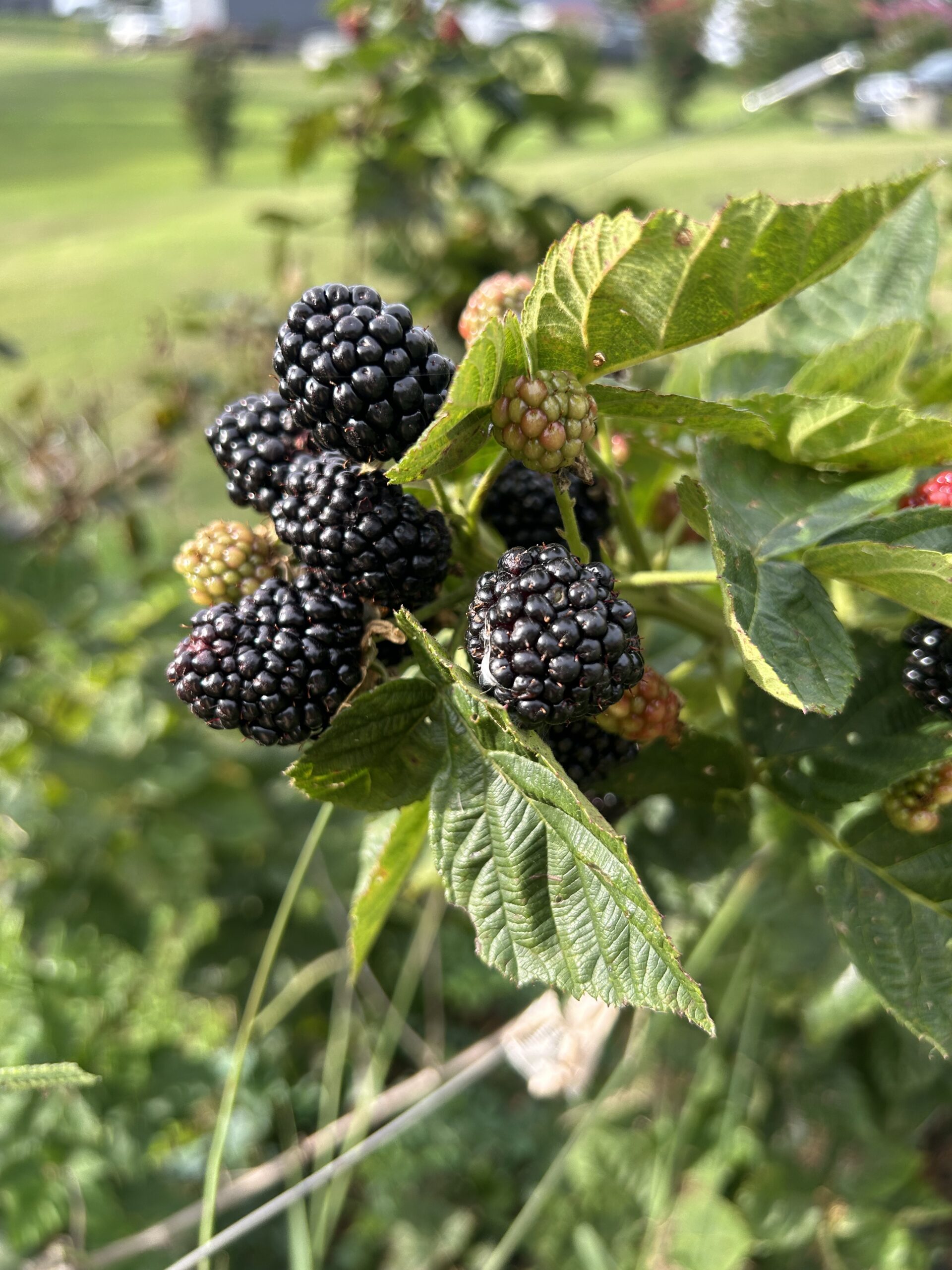
I am currently growing Triple Crown, Prime Ark Freedom, and Natchez.
Top Primocane Varieties
| Variety | Thornless? | Why It’s Great for Home Growing |
|---|---|---|
| Prime‑Ark Freedom blackberry | Yes | Large, sweet berries, I grow many of these |
| Prime‑Ark Traveler blackberry | Yes | Another great choice a solid primocane |
| Prime‑Ark 45 blackberry | No | The First primocane varieties, very productive and a stable of blackberries, not an easy picker due to thorns |
Top Floricane Varieties
| Variety | Thornless? | Why It’s Great at Home |
|---|---|---|
| Triple Crown blackberry | Yes | Sweet and a vigorous my overall favorite berry |
| Natchez blackberry | Yes | Very large and early |
| Sweet-Ark Ponca blackberry | Yes | Huge yields and very sweet |
| Ouachita blackberry | Yes | Another great producer with good flavor |
| Navaho blackberry | Yes | Longer harvest period compared to other floricane berries. |
5. Caring for Blackberries
Blackberries are relatively low-maintenance but require regular attention for healthy growth.
Mulching
Apply 2-4 inches of mulch (straw, wood chips, or leaves) around the plants. Mulch helps to retain moisture, suppress weeds, and keep the roots cool, especially during hot summers.
Best type of mulch
The best type of mulch for blackberries is one that:
Retains moisture
Suppresses weeds
Adds organic matter
Helps regulate soil temperature
Doesn’t increase disease risk
Here are the top options:
Best Organic Mulches
1. Wood Chips or Bark Mulch
Best for long-term moisture control
Breaks down slowly, adding organic matter over time
Helps suppress weeds effectively
Apply 2–4 inches deep, keeping it a few inches away from the base of canes
Great for both home and commercial blackberry plantings.
2. Pine Straw (Pine Needles)
Excellent for acid-loving blackberries
Lightweight and easy to apply
Slower to decompose than grass clippings or leaves
Good at preventing weed growth
Especially useful in southern U.S. regions.
3. Composted Leaves or Leaf Mold
High in nutrients and excellent for soil building
Breaks down faster, so it may need to be replenished more often
Can mat down, so mix with straw or wood chips for airflow
Great if you have lots of deciduous trees.
4. Straw (not hay)
Affordable and easy to apply
Breaks down within a season, enriching soil
Avoid hay, which often contains weed seeds
Good for winter insulation or spring planting.
Mulches to Avoid:
Fresh grass clippings – can mat and cause rot or heat buildup
Black plastic – poor for perennial crops like blackberries; restricts airflow and organic breakdown
Rubber mulch – doesn’t decompose and adds no nutrients
Hay – often full of weed seeds
Fertilizing
Blackberries are moderate feeders. Fertilize them in early spring with a balanced fertilizer or compost.
Avoid high-nitrogen fertilizers, which can promote excessive vegetative growth at the expense of fruit production.
You can also apply a slow-release fertilizer or organic amendments like fish meal or blood meal.
Blackberry Fertilizer Schedule
Year 1 (New Plants)
| Time | What to Do |
|---|---|
| Early Spring (after planting) | Apply a balanced fertilizer (like 10-10-10) at ½ rate – about ½ lb per 100 ft of row. Keep it 3–6 inches away from the base. |
| 6–8 weeks later | Apply the same fertilizer again at the same rate. |
| Mid-Summer | Optional light feeding if growth is weak. Water deeply. |
Established Plants (Year 2+)
| Time | What to Do |
|---|---|
| Late Winter / Early Spring (before bud break) | Apply balanced fertilizer (e.g., 10-10-10 or 16-16-8), about 1 lb per 10 ft of row, or follow package instructions. |
| After Fruiting (Late Summer) | Apply a low-nitrogen fertilizer (like 5-10-10) to promote root health, especially if you’re in warmer climates where fall growth continues. |
Fertilizing Tips:
Avoid over-fertilizing – especially nitrogen, or you’ll get lots of leaves and weak fruit.
Always water after fertilizing to help nutrients soak into the root zone.
Use mulch (like straw or wood chips) to conserve moisture and improve soil over time.
If your soil is sandy or poor, you may benefit from split applications (half in early spring, half in late spring).
Compost or aged manure can be used in the fall as a natural soil builder.
Pruning
Pruning is important to maintain a healthy plant, improve air circulation, and maximize fruit production.
For Erect Varieties: Prune back old, dead canes after harvest, leaving only healthy, productive canes for the next season. Erect varieties generally require little to no training, but you can tie them up on a simple trellis to keep them neat.
For Trailing Varieties: Trailing blackberries require a support system like a trellis or wire fence. Prune back spent canes after the fruiting season, leaving new canes to grow and produce next year’s fruit. You’ll also need to train the canes along the trellis.
General Pruning Tips:
After planting: Remove any flowers during the first year to allow the plant to establish itself.
Annual pruning: In winter or early spring, cut back dead or damaged canes. For most varieties, remove canes that are 2 years old to ensure you get good fruit production from the younger canes.
Pollination
Most blackberry varieties are self-pollinating, so you don’t need multiple plants for a good harvest. However, planting multiple varieties may increase the yield and improve fruit quality.
6. Pest and Disease Control
Blackberries are relatively pest-resistant, but you’ll still want to be aware of common pests and diseases.
Common Pests
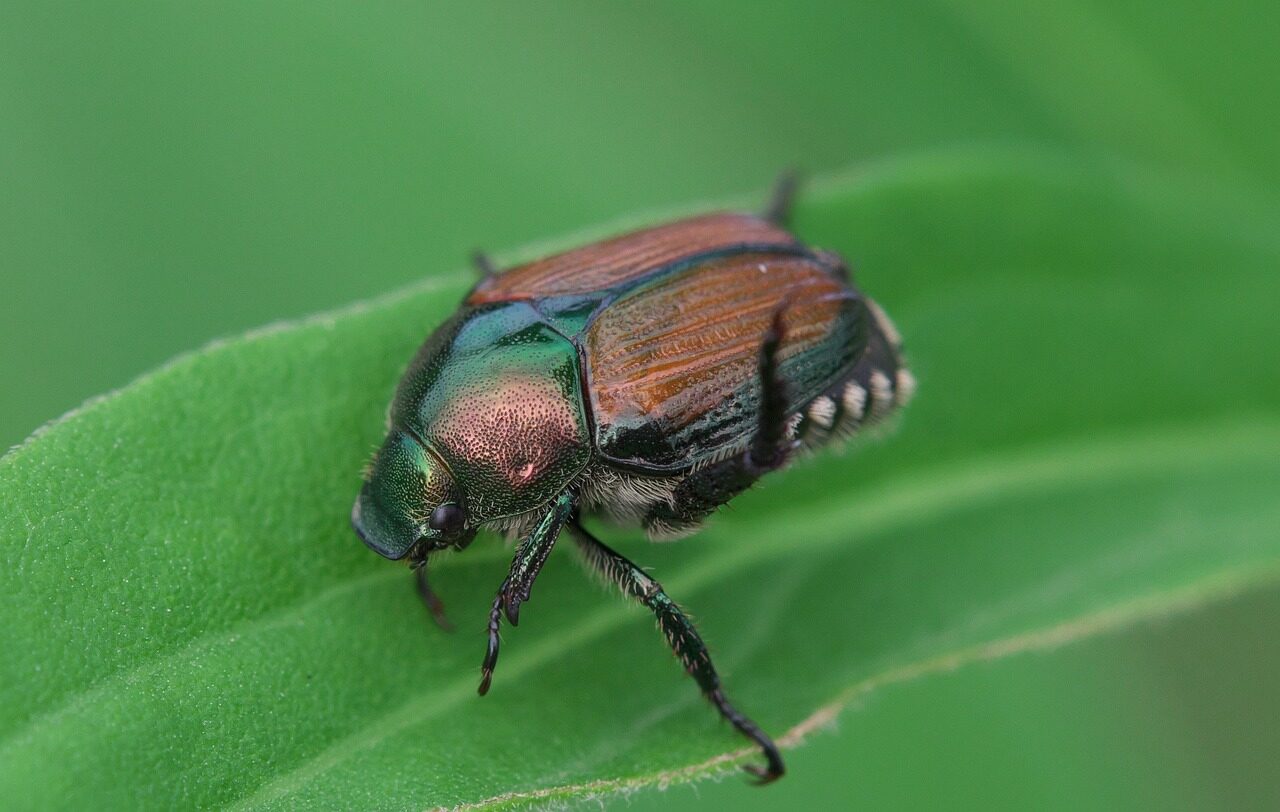
Japanese Beetles: These pests can be controlled by hand-picking them off or using organic pesticides like neem oil.
Aphids: Aphids may attack the new shoots. Use insecticidal soap or blast them off with a strong stream of water.
Spider Mites: They can cause leaf damage and can be controlled with insecticidal soap or a miticide.
Birds: Birds love blackberries. Consider using bird netting to protect the fruit as it ripens.
Diseases
Powdery Mildew: A fungal disease that can be prevented by ensuring proper air circulation and removing infected leaves. Fungicides can also help control this disease.
Botrytis Blight: This fungal disease can affect the fruit. Prevent it by removing diseased berries and pruning to allow better air circulation.
Root Rot: Caused by poor drainage, root rot can be avoided by planting blackberries in well-draining soil or raised beds.
General Disease Prevention Tips
Rotate crops if possible to prevent soil-borne diseases.
Keep the garden clean by removing dead plant material.
Avoid overhead watering to reduce the spread of fungal diseases.
7. Watering Blackberries
Blackberries need regular water, especially in the growing and fruiting season. Ensure consistent moisture levels but avoid soggy conditions, which can lead to root rot.
Deep watering is best. Water deeply once or twice a week during dry periods, especially in the summer.
Use a drip irrigation system to target the roots directly and keep water off the foliage.
8. Harvesting Blackberries
When to Harvest: Blackberries typically ripen in mid-summer to early fall, depending on the variety. They are ready when they are fully black, plump, and easily detach from the plant. Don’t wait too long after they ripen, as they can become overripe and mushy.
How to Harvest: Gently pull the berries from the plant. If they don’t come off easily, give them more time to ripen. Handle the berries gently to avoid bruising.
Post-Harvest: Refrigerate fresh blackberries immediately. They generally last for 2-3 days in the fridge. If you have a large harvest, you can freeze blackberries by laying them on a tray in a single layer and then transferring them to freezer bags once frozen.
9. Winter Care for Blackberries
Blackberries are fairly hardy but may need some protection, especially in colder regions.
For Erect Varieties: These are usually hardy and can tolerate colder winters, but mulching around the base can help protect the roots from freezing.
For Trailing Varieties: In colder climates, you may need to prune the canes and lay them down on the ground, covering them with a protective layer of mulch or a blanket to shield them from frost.
10. Additional Tips for Success
Companion Planting: Blackberries grow well with other fruit-bearing plants like blueberries and raspberries, as well as with herbs like mint (which can help repel pests).
Fertilizer Caution: Too much fertilizer, especially high-nitrogen fertilizer, can encourage too much vegetative growth at the expense of fruit production.
Patience: Blackberries take a year or two to establish and bear fruit, so be patient, especially with new plants.
Conclusion
Blackberries are a versatile, rewarding fruit to grow in your garden. With the right variety, proper care, and regular maintenance, you can enjoy a bountiful