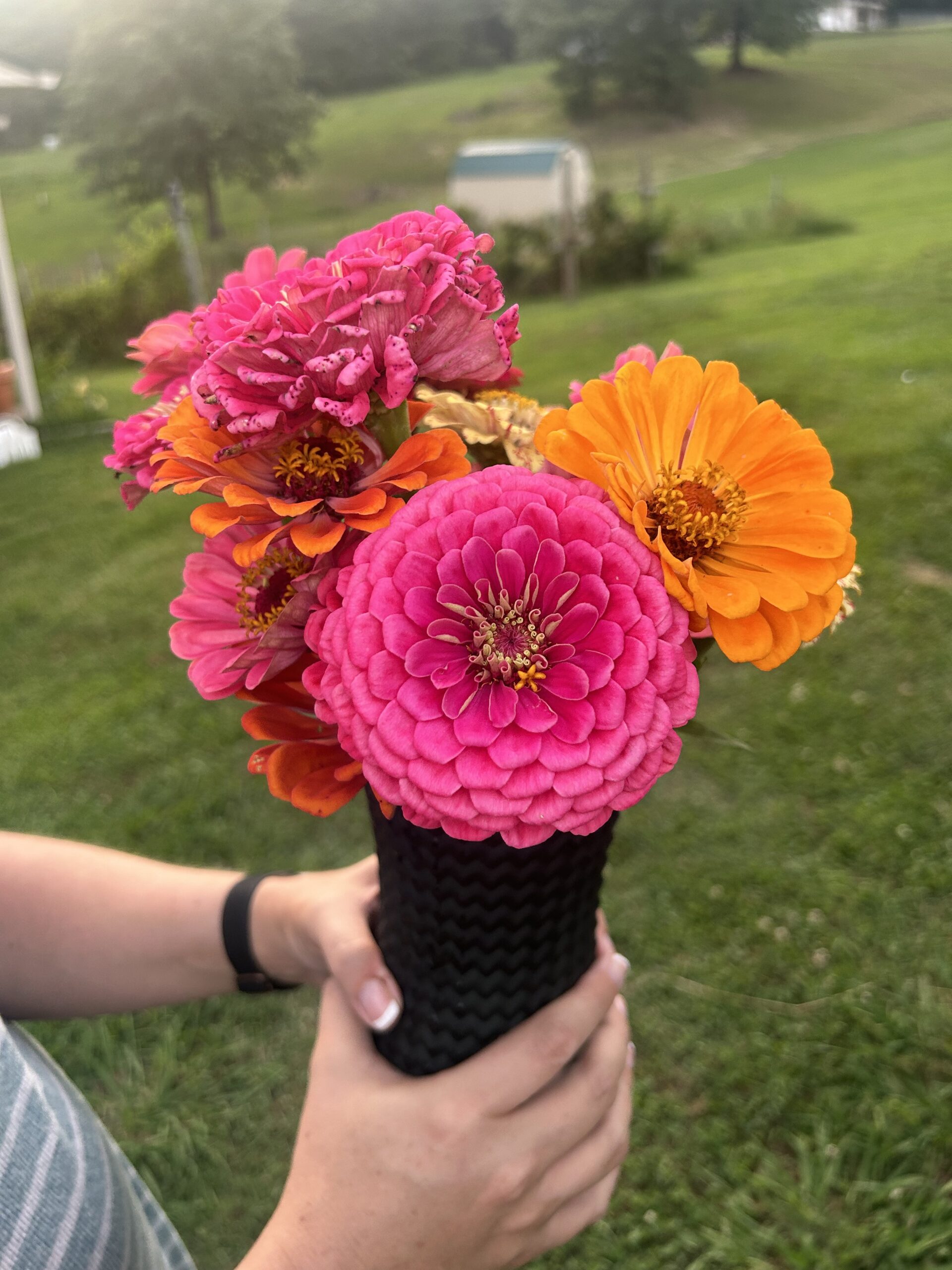
I personally think the zinnias are easily the best flowers ever for many reasons. Some of those reasons are due to their vibrant colors, ease of growth, and ability to attract pollinators like butterflies and bees. They thrive in hot, sunny conditions, bloom quickly from seed, and produce flowers continuously from summer until the first frost. With minimal care, they offer a wide variety of shapes and sizes, making them versatile for both garden beds and cut flower arrangements. While they lack fragrance and can be prone to powdery mildew in humid climates, their low-maintenance nature and bold visual impact make them a favorite among both beginners and seasoned gardeners. For those seeking reliable, colorful blooms with little fuss, zinnias are hard to beat.
The “best” types of zinnias depend on what you’re looking for—size, color, disease resistance, or use in landscaping or cut flowers. Zinnias are incredibly diverse and easy to grow, and here are some of the top varieties across different categories:
Best Zinnias for Cut Flowers
These have long stems, big blooms, and keep well in a vase.
- Zinnia elegans ‘Benary’s Giant’
- Large, fully double blooms (up to 4-5″)
- Long, sturdy stems
- Wide range of bright colors
- Excellent disease resistance
- Zinnia ‘Oklahoma Series’
- Slightly smaller than Benary’s, but more weather-resistant
- Great for high humidity and rain-prone areas
- Excellent vase life
- Zinnia ‘Queen Lime Series’
- Unique and trendy shades (lime, red-lime, blush)
- Great for floral arrangements with muted tones
- More subtle colors than traditional zinnias
Best Zinnias for Containers or Borders
These are more compact and floriferous.
- Zinnia ‘Profusion Series’ (a cross between Z. elegans and Z. angustifolia)
- Compact, mounded growth (12–18″)
- Extremely disease resistant
- Continuous bloomer with minimal deadheading
- Great for hot, humid climates
- Zinnia ‘Zahara Series’
- Similar to Profusion but with slightly larger blooms
- Very tolerant of heat and drought
- Mildew and leaf spot resistant
Most Unique or Eye-Catching Zinnias
These bring unusual forms or colors.
- Zinnia ‘Queen Red Lime’
- Muted red and green combo with antique look
- Adds sophistication to garden beds and arrangements
- Zinnia ‘Envy’
- Pale green blooms—totally unexpected
- Cool contrast in warm-colored gardens
- Zinnia ‘Candy Cane Mix’
- Bi-colored petals in red, pink, white, and stripes
- Cheerful and fun look
Best Zinnias for Pollinators
Look for single or semi-double varieties so pollinators can access nectar.
- Zinnia ‘Persian Carpet’
- Dwarf variety with small, open flowers in warm tones
- Great for butterflies and bees
- Zinnia ‘Lilliput Mix’
- Small, globe-like blooms
- Excellent for attracting butterflies
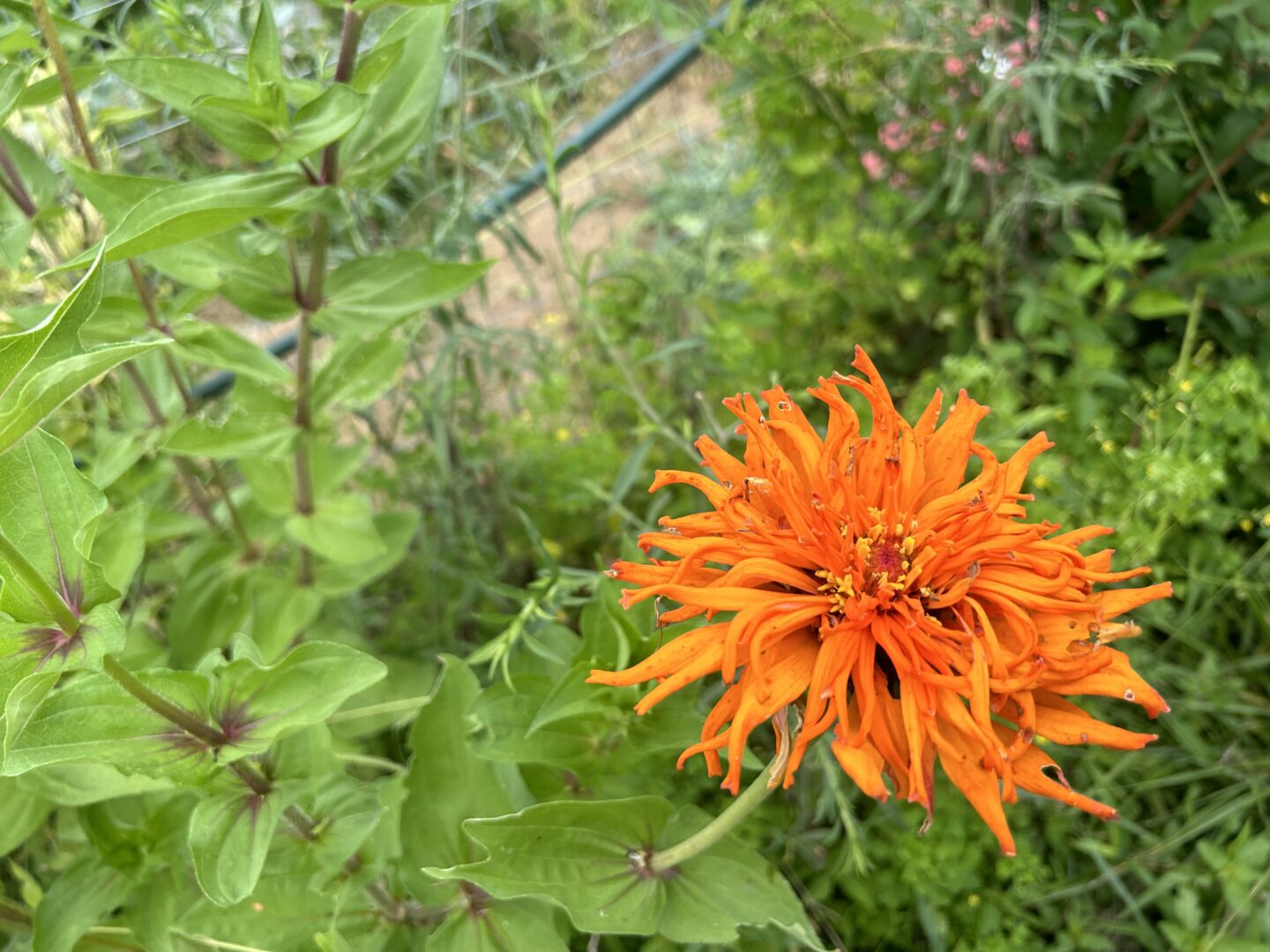
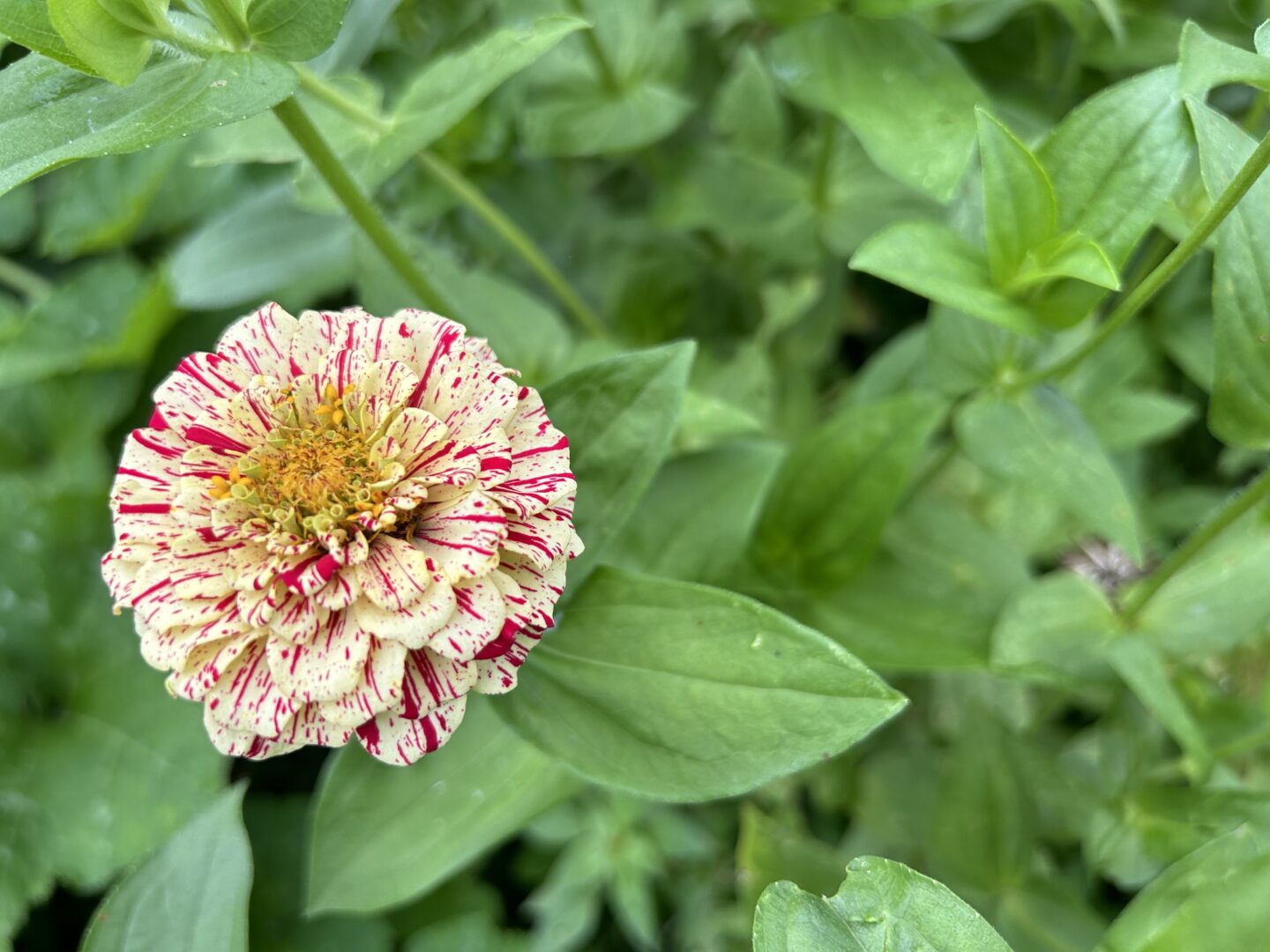
Zinnias typically bloom from early summer until the first frost in fall, depending on your climate and when you planted them. Here’s a breakdown:
Bloom Time:
- First blooms: Usually appear 6–8 weeks after planting seeds.
- Bloom duration: They will continue blooming non-stop for 8 to 12 weeks, or longer with deadheading (removing spent flowers).
Key factors that affect bloom length:
- Climate: In warm climates, zinnias can bloom for 4+ months.
- Deadheading: Extends blooming by encouraging new flowers.
- Pests/disease: Powdery mildew and leaf spot can shorten bloom time.
- Frost: Zinnias are annuals and die completely with the first hard frost.
Feeding Zinnias
Looking to get the most vibrant blooms from your zinnias? Here’s everything you need to know about fertilizer—and why less is often more.
Best Fertilizer Practices for Zinnias
1. Start with Balanced Fertilizer (Early Growth)
Use a balanced N-P-K fertilizer like 10‑10‑10 when planting to support sturdy foliage and healthy roots. It helps establish strong plants ready for flowering.(University of Minnesota Extension, Homestead Gardener, gardendust.com)
2. Boost Blooming with Higher Phosphorus
Once flower buds begin to form (typically 6–8 weeks after planting), switch to a bloom‑boosting fertilizer—such as 5‑10‑5, 10‑20‑10, or even 15‑30‑15—to enhance flower size, color, and vigor.(Homestead Gardener, Garden Lovers Club)
3. Fertilization Frequency
Feed every 4–6 weeks during the growing season using either slow-release granular formulas or diluted water‑soluble types.(My Indoor Flora, Homestead Gardener, Garden Lovers Club, Real Simple, gardendelivery.com)
4. Use Organic Alternatives Wisely
Organic options like compost, well‑rotted manure, or compost tea can enrich the soil and feed zinnias gently. Homemade blends—think coffee grounds, eggshells, banana peels, and Epsom salts—offer a sustainable, slow‑release nutrient boost.(My Indoor Flora, Homestead Gardener, Garden Lovers Club)
5. Avoid Over‑Fertilizing
Too much nitrogen can lead to lush foliage at the expense of blooms—and may even cause wilting during extreme heat. A light touch is best.(My Indoor Flora, Homestead Gardener, Reddit)
Quick Comparison of Fertilizer Options
| Stage | Best Choice | Purpose |
|---|---|---|
| Early Growth | Balanced fertilizers (10‑10‑10) | Strong foliage & root development |
| Flowering Stage | High-phosphorus bloom boosters (e.g. 5‑10‑5) | Bigger, brighter blooms |
| Organic Alternatives | Compost, manure, compost tea, DIY blends | Slow-release soil enrichment |
| Frequency | Every 4–6 weeks or as slow-release granules | Consistent nutrient availability |
Tips for Best Results
- Timing matters: Fertilize in the morning, when soil moisture is higher and temperatures are cooler.(Homestead Gardener)
- Avoid spraying leaves: Apply fertilizer around the base of the plant to limit disease risks.(Garden Lovers Club, gardendust.com)
- Stop fertilizing before frost: Cease feedings 4–6 weeks prior to your area’s first expected frost.(Homestead Gardener)
- Supplement if soil is already amended: If you’ve mixed in plenty of compost or manure before planting, additional fertilizer may be minimal or unnecessary.(thetropicalgardener.com, Better Homes & Gardens)
Summary
- Early Stage: Use balanced fertilizer (like 10‑10‑10)
- Blooming Stage: Transition to phosphorus-rich bloom boosters
- Application: Every 4–6 weeks, morning application, base-only
- Organic options: Compost, manure, compost tea, or DIY blends (coffee, eggshells, banana peels)
- Avoid excess nitrogen
- Stop feeding before frost
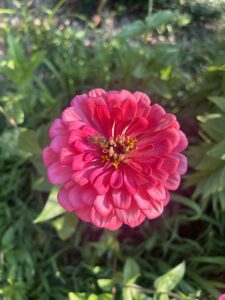
How to Cut Zinnias for More Flowers
To cut zinnias for more blooms (a method known as deadheading or harvesting), follow these simple steps to encourage the plant to produce more flowers and stay bushy and productive:
- Wait for full bloom
- Cut zinnias when the flowers are fully open and firm.
- A good test: wiggle the stem just below the flower. If it’s stiff and doesn’t flop, it’s ready to cut.
- Use clean, sharp scissors or pruning shears
- Dirty tools can spread disease.
- Cut deep – down to a leaf node or branching point
- Don’t just cut the flower head!
- Instead, go 4–6 inches down the stem or to the first set of leaves or lateral branch. This encourages the plant to send up two new stems from that point, resulting in more blooms.
- Cut at a 45° angle
- Helps water absorption if placing in a vase.
- Also prevents water from pooling on the cut surface of the plant, which can reduce disease risk.
- Repeat regularly
- The more you cut, the more zinnias grow. Harvest at least every few days during peak blooming season.
Bonus Tips:
- Pinch young plants (when 6–12 inches tall):
Snip the central stem just above a set of leaves to encourage bushier growth early on. - Water and fertilize after heavy cutting to help the plant recover and rebloom.
- Don’t let zinnias go to seed during the growing season—this tells the plant it’s done blooming.
Zinnias are annuals but
Zinnias do not come back every year — they are annuals, which means they complete their life cycle in one growing season. Once frost hits, they die, and you’ll need to plant new seeds or seedlings the following year.
However, they can reseed themselves under the right conditions. If you leave some flowers to dry on the plant and drop their seeds, those seeds might sprout the next spring, especially in warmer climates. But this isn’t guaranteed, and the results can vary.
If you’re looking for consistent blooms each year, plan to collect seeds in the fall or buy new ones each spring.
Comments are closed