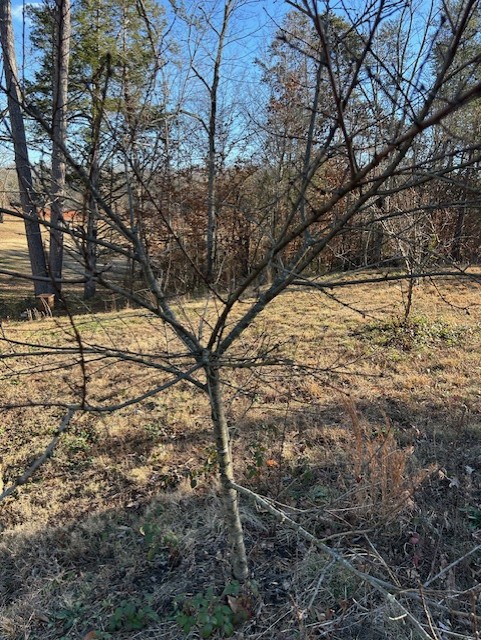
Pruning fruit trees matters because it’s one of those simple, hands-on tasks that quietly determines whether a tree struggles along or actually does what you planted it to do: grow healthy fruit year after year. Left on its own, a fruit tree will survive just fine, but it won’t thrive in a way that’s useful or sustainable for a person who wants good harvests. Branches will crowd each other, light won’t reach the inner parts of the tree, air won’t move through it well, and before long you’ll see smaller fruit, more disease, broken limbs, and a tree that looks wild instead of balanced. Pruning is really about guiding the tree rather than fighting it. When you cut out dead, damaged, or crossing branches, you’re removing parts that drain energy without giving much back, and that energy gets redirected into healthier growth and better fruit. Sunlight is one of the biggest reasons pruning works so well; fruit buds need light to form properly, and fruit needs light to ripen evenly and develop flavor. A dense, overgrown tree may look impressive from a distance, but inside it’s shaded and unproductive, with fruit that stays small, bland, or drops early. Pruning opens up the canopy so light can reach where it needs to go, and it also improves air circulation, which helps leaves dry faster after rain and reduces the chances of fungal diseases taking hold. From a practical standpoint, pruning also keeps the tree at a manageable size. A tree that’s never pruned tends to grow tall and lanky, putting fruit way out of reach and making harvesting frustrating or even dangerous. By shaping the tree early and maintaining that shape over time, you make it easier to care for, spray if needed, thin fruit, and harvest without ladders or broken branches. There’s also the issue of structure: pruning helps create strong branch angles that can support heavy fruit loads without splitting. Many fruit trees naturally want to grow upright, sending shoots straight up that look vigorous but are actually weakly attached. Removing or shortening those shoots encourages stronger, wider angles that hold up better over the years. Pruning also plays a role in the long-term health of the tree. Old, unproductive wood can be replaced with younger, more fruitful growth, which keeps the tree productive instead of letting it decline slowly. When done regularly, pruning can extend the productive life of a fruit tree by many years. It’s not about cutting for the sake of cutting, and it’s not about making the tree look neat in some ornamental sense; it’s about understanding how the tree grows and working with that natural growth so the tree stays balanced, healthy, and productive. There’s something grounding about pruning, too. It forces you to slow down, look closely at the tree, and make thoughtful decisions instead of rushing through the job. Each cut has a purpose, whether it’s improving light, reducing crowding, or correcting growth that will cause problems later. Over time, you start to see how the tree responds, and that feedback builds confidence and understanding. In the end, pruning is one of the most important investments you can make in a fruit tree, not because it’s complicated or fancy, but because it respects the basic needs of the tree and sets it up to do what it does best: grow strong, stay healthy, and give you good fruit you can actually enjoy.
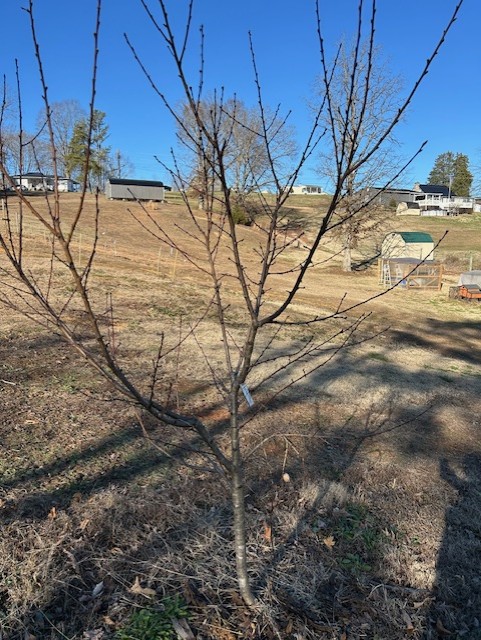
| Aspect of Pruning | Why It Matters |
|---|---|
| Overall purpose | Pruning guides the tree so it thrives, not just survives, helping it grow healthy and productive year after year. |
| Energy use | Removing dead, damaged, or unproductive branches allows the tree to focus its energy on healthy growth and fruit production. |
| Sunlight exposure | Pruning opens the canopy so sunlight reaches inner branches, which is essential for forming fruit buds and ripening flavorful fruit. |
| Air circulation | Better airflow helps leaves dry faster after rain, reducing the risk of fungal diseases and rot. |
| Fruit quality | Well-pruned trees produce larger, better-tasting fruit instead of small, bland fruit that often drops early. |
| Disease prevention | Removing crowded or unhealthy branches lowers stress on the tree and reduces places where pests and diseases can take hold. |
| Tree size control | Pruning keeps trees at a manageable height, making care and harvesting easier and safer. |
| Harvesting ease | Shaped trees allow fruit to be reached without tall ladders or risking broken branches. |
| Structural strength | Pruning encourages strong branch angles that can support heavy fruit loads without splitting or breaking. |
| Growth direction | Cutting back upright, weak shoots promotes wider, sturdier growth that lasts longer. |
| Long-term productivity | Replacing old, unproductive wood with younger growth keeps the tree fruitful instead of declining over time. |
| Tree lifespan | Regular pruning can extend the productive life of a fruit tree by many years. |
| Maintenance benefits | Pruned trees are easier to spray, thin, inspect, and care for throughout the season. |
| Observation and care | Pruning encourages slowing down and closely observing the tree, helping growers understand how it responds and grows. |
| Overall result | A balanced, healthy tree that produces good fruit consistently and remains enjoyable to care for. |
Basic Tree Pruning Shapes
When people talk about the three basic ways (or systems) to prune and train fruit trees, they’re usually referring to the main tree shapes used in orchards and home gardens. Here they are, explained simply:
1. Open Center (Vase Shape)
- The center of the tree is kept open
- Usually has 3–5 main scaffold branches spreading outward
- No single central trunk in the middle
Best for:
Peaches, nectarines, plums, apricots, and some almonds
Why it’s used:
- Lets in lots of sunlight
- Improves air circulation
- Makes fruit easier to reach
What it looks like:
A bowl or vase shape with the middle hollowed out
  \   |   /
   \  |  /
    \ | /
     \|/
      |
2. Central Leader
- One main upright trunk (leader) runs up the center
- Side branches grow out in layers around it
- Tree has a more pyramidal shape
Best for:
Apples, pears, cherries
Why it’s used:
- Strong structure for heavy fruit loads
- Good balance between growth and fruiting
- Works well for taller trees
What it looks like:
A Christmas tree shape
      |
     /|\
    / | \
   /  |  \
  /   |   \
       |
3. Modified Central Leader
- Starts with a central leader when the tree is young
- Leader is later shortened or removed
- Ends up with several main scaffold branches, but still more structured than an open center
Best for:
Apples, pears, some plums
Why it’s used:
- Combines strength and sunlight
- Easier to manage than a full central leader
- More open than a traditional pyramidal tree
What it looks like:
A cross between a vase shape and a pyramid
      |
    --|--
   /   |   \
  /    |    \
       |
Simple Summary
| Pruning System | Shape | Main Benefit |
|---|---|---|
| Open Center | Vase | Maximum light and easy harvesting |
| Central Leader | Pyramid | Strong, tall structure |
| Modified Central Leader | Hybrid | Balance of strength and light |
Fruit Tree Pruning Systems Chart
| Pruning System | Tree Shape | Fruit Trees Best Suited | Why This System Works |
|---|---|---|---|
| Open Center (Vase) | Bowl-shaped, open middle | Peach, Nectarine, Plum (European & Japanese), Apricot, Sour Cherry, Almond, Citrus | Maximizes sunlight and airflow; best for trees that fruit on young wood and grow upright |
| Central Leader | Tall pyramid with one main trunk | Apple, Pear, Asian Pear, Sweet Cherry, Walnut, Pecan | Strong central trunk supports heavy fruit loads; good for spur-bearing trees |
| Modified Central Leader | Hybrid of vase and pyramid | Apple, Pear, Some Plums | Combines strength of a leader with better light penetration and easier size control |
Simple Rule of Thumb
- Stone fruits → Open center
- Apples & pears → Central leader or modified central leader
- Want balance and easier management? → Modified central leader
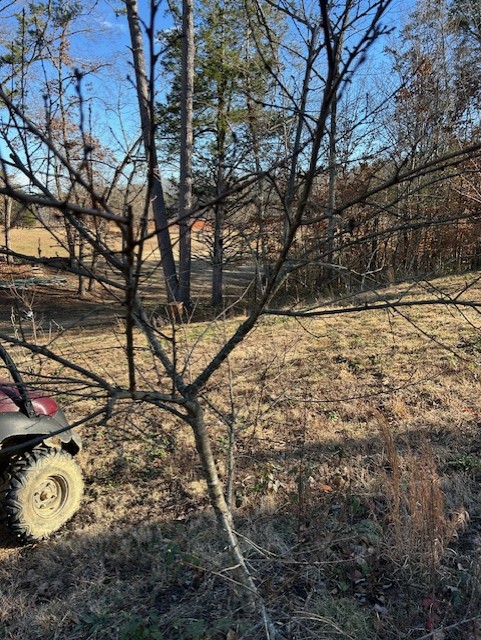
Best Times to Prune Fruit Trees
Late Winter to Early Spring (Most Important Time)
Best for: Most fruit trees
- Prune while trees are dormant (after the coldest part of winter but before buds open)
- Tree structure is easy to see
- Cuts heal quickly once growth begins
- Encourages strong, healthy new growth
Good for:
Apple, pear, peach, plum, apricot, cherry, nectarine
Summer Pruning (Limited Use)
Best for: Size control and light management
- Done after the main flush of growth
- Slows down excessive growth
- Helps keep trees smaller
Good for:
Apples, pears, espalier trees
Avoid heavy summer pruning on young or stressed trees.
Special Timing for Certain Trees
Peaches & Nectarines
- Best pruned late winter to very early spring
- Prune harder than most trees
- Avoid fall pruning (can lead to winter damage)
Cherries & Apricots
- Often pruned after harvest or in late summer
- Reduces risk of disease (like bacterial canker)
When NOT to Prune
- Late fall: encourages new growth that can be killed by frost
- Mid-winter during extreme cold: cuts may not heal well
- During active flowering: reduces fruit set
Quick Timing Chart
| Fruit Tree | Best Pruning Time |
|---|---|
| Apple | Late winter–early spring |
| Pear | Late winter–early spring |
| Peach / Nectarine | Late winter |
| Plum | Late winter or after harvest |
| Apricot | Late summer |
| Cherry | Late summer |
| Citrus | Late winter to early spring |
Pruning Guidelines for Fruit Trees
| Guideline | Explanation / Tip | Simple Drawing / Visual |
|---|---|---|
| 1. Prune at the Right Time | Late winter / early spring (dormant) is best for most trees. Summer pruning only for size control. | (Dormant tree ready for pruning) |
| 2. Remove Dead, Diseased, or Damaged Wood | Always cut unhealthy branches first to prevent disease and redirect energy. | (Dead branch) → (Cut above healthy wood) |
| 3. Remove Crossed or Rubbing Branches | Prevent injury and allow light/air through canopy. | (Crossing branches) → (Remove one) |
| 4. Remove Suckers & Water Sprouts | Shoots at base or vertical “water shoots” steal energy from fruiting wood. | Base shoot → cut |
| 5. Open Up the Canopy | Thin crowded branches so sunlight reaches inner parts; improves fruit size and quality. | sune → friut (Sunlight reaching fruit inside) |
| 6. Maintain Strong Structure | Keep scaffold branches spaced; angles 45–60° from trunk; avoid weak upright shoots. | (Scaffold branches from trunk) |
| 7. Cut Correctly | Cut just above a bud or junction; angle cut away from bud; use sharp tools. | cut→ 🔹 (Bud) |
| 8. Don’t Over-Prune | Remove only 20–30% per season; over-pruning stresses the tree and reduces fruit. | 20–30% shaded area removed |
| 9. Use a Balance of Cuts | Heading cuts encourage branching; thinning cuts improve light and fruit size. | cut(Heading) vs. cut (Thinning) |
| 10. Safety First | Ladder, gloves, eye protection, remove cut branches from ground. | |
| 11. Observe & Learn | Watch tree response; pruning is a skill developed over years. |
Comments are closed