Cool weather gardening is all about getting an early jump on the season with plants that don’t mind a little chill in the air. When temperatures are cool, you can grow a wide mix of hardy vegetables like leafy greens, root crops, and a few dependable garden staples that actually taste better after a light frost. Things like lettuce, spinach, kale, peas, radishes, carrots, broccoli, and cabbage are all happy growing when the weather is mild instead of hot. These crops grow steadily without the stress of summer heat, making cool weather a great time to keep the garden productive when other plants would rather wait it out. I always get excited as we get close to spring and been able to fully garden, and the cool weather vegetables is a great way to start to enjoy the season. Another benefit is the pest pressure is much less during the cool season. Here are a few of my favorites, although I dont have anything out right now at the end of January I do the seeds growing nicely indoors.
Popular cool weather vegetables
| Vegetable | Type | Cold Tolerance | Best Season | Notes |
|---|---|---|---|---|
| Lettuce | Leafy green | Light frost | Spring & Fall | Grows fast, perfect for salads |
| Spinach | Leafy green | Frost hardy | Spring & Fall | Sweeter in cool temps |
| Kale | Leafy green | Very hardy | Spring, Fall, Winter | Flavor improves after frost |
| Swiss Chard | Leafy green | Light frost | Spring & Fall | Colorful and productive |
| Broccoli | Brassica | Light frost | Spring & Fall | Forms best heads in cool weather |
| Cabbage | Brassica | Frost hardy | Spring & Fall | Great for storage and cooking |
| Cauliflower | Brassica | Light frost | Spring & Fall | Needs steady cool temps |
| Peas | Legume | Light frost | Early Spring | Sweet and easy to grow |
| Radishes | Root crop | Frost hardy | Spring & Fall | Ready in 3–4 weeks |
| Carrots | Root crop | Frost hardy | Spring & Fall | Sweeter after cool nights |
| Beets | Root crop | Frost hardy | Spring & Fall | Roots and greens are edible |
| Turnips | Root crop | Frost hardy | Spring & Fall | Quick and reliable |
Difference between light frost, frost hardy and very hardy
Light Frost
Temperature: about 28–32°F (-2 to 0°C)
What it means:
Plants can handle a quick chill, but they don’t like it for long.
What happens:
- Leaf edges may get a little damaged
- Plants usually bounce back
- Repeated frosts can cause harm
Common examples:
Lettuce, broccoli, cauliflower, peas
Frost Hardy
Temperature: about 20–28°F (-6 to -2°C)
What it means:
These plants are built tougher and can handle real cold.
What happens:
- Growth slows, but plants survive
- Flavor often improves (sweeter greens & roots)
- Can tolerate multiple frosts
Common examples:
Carrots, beets, cabbage, spinach
Very Hardy
Temperature: below 20°F (-6°C and colder)
What it means:
These are the toughest cool-weather crops.
What happens:
- Plants survive deep freezes
- Some keep growing slowly
- Often overwinter with protection
Common examples:
Kale, collards, Brussels sprouts, turnips
Comparison Chart
| Term | How Cold | Survival Level |
|---|---|---|
| Light Frost | 28–32°F | Minor damage possible |
| Frost Hardy | 20–28°F | Strong, reliable |
| Very Hardy | Below 20°F | Extremely tough |
Does Frost improve flavor?
We have all heard that frost makes some vegetables taste better, but does it really. Frost can actually make certain vegetables taste better, and it’s one of those cool garden surprises that feels almost backwards at first.
When temperatures drop near freezing, plants go into survival mode. To protect themselves, many cool-weather vegetables start converting their stored starches into natural sugars. Sugar acts like a built-in antifreeze, helping plant cells resist damage from the cold. So what does that mean for us, more sugar means sweeter, richer flavor.
This is especially noticeable in leafy greens and root crops. Kale, spinach, and Brussels sprouts lose some of their bitterness after a frost, tasting milder and more balanced. Carrots, beets, turnips, and parsnips become noticeably sweeter and fuller-flavored because those sugars build up in the roots underground where they’re protected from the cold.
The key is light to moderate frost, not a hard freeze that damages the plant. A few chilly nights can turn an average crop into a standout one, which is why many gardeners swear their fall harvest tastes better than anything grown in summer.
My personal favorite
Cabbage
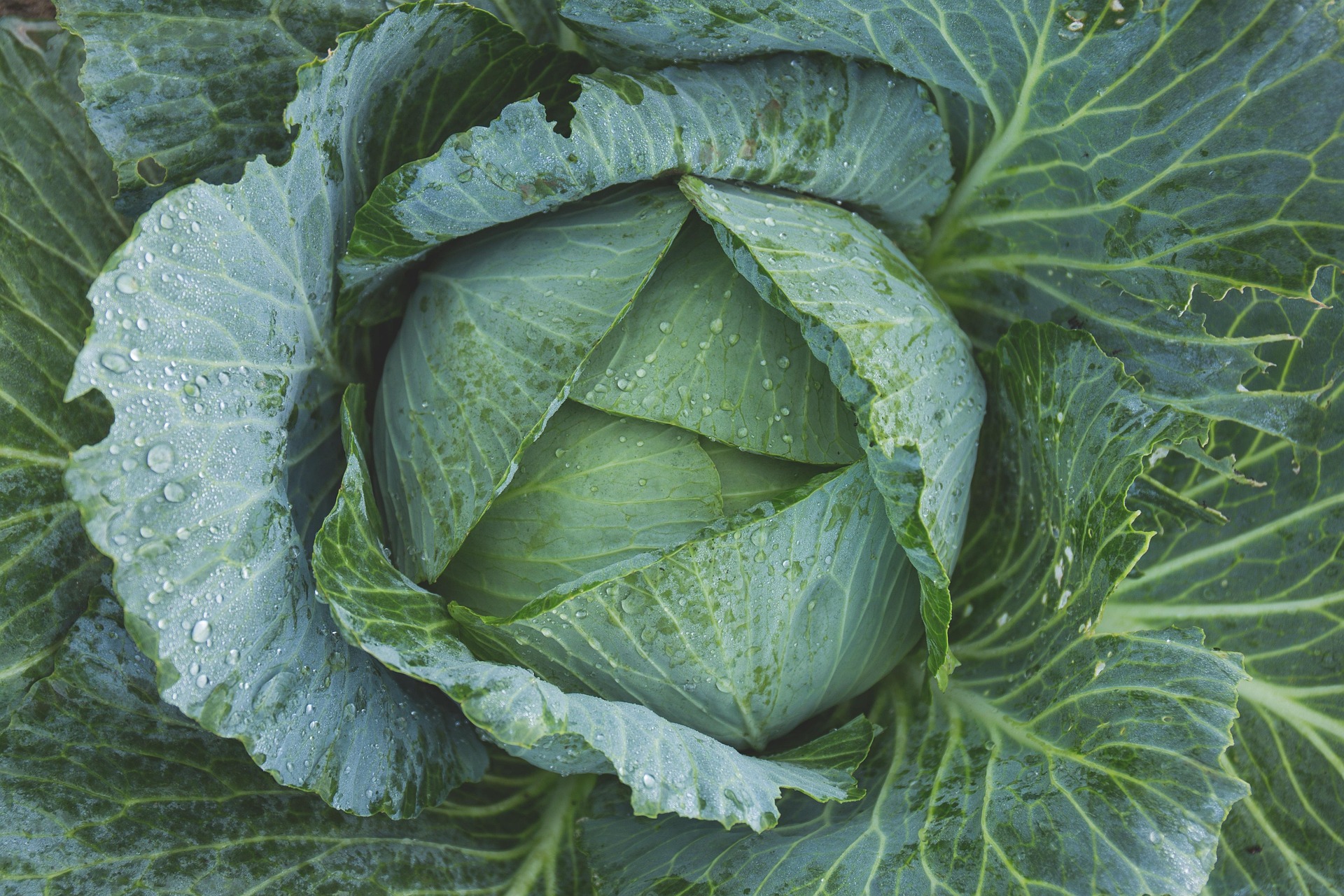
1. Golden Acre
Best for: Small gardens & early harvest
- Compact heads that mature fast
- Handles cool weather really well
- Sweet, tender leaves
- Great for fresh eating and cooking
A classic choice that doesn’t disappoint.
2. Early Jersey Wakefield
Best for: Early spring gardens
- Pointed heads that mature early
- Very cold tolerant
- Excellent flavor, slightly sweet
- Takes up less space than round cabbages
Perfect if you want cabbage sooner rather than later.
3. Brunswick
Best for: Fall harvest & storage
- Large, solid heads
- Handles frost extremely well
- Rich cabbage flavor
- Stores well after harvest
A favorite for fall gardens and homemade sauerkraut.
Brussels sprouts
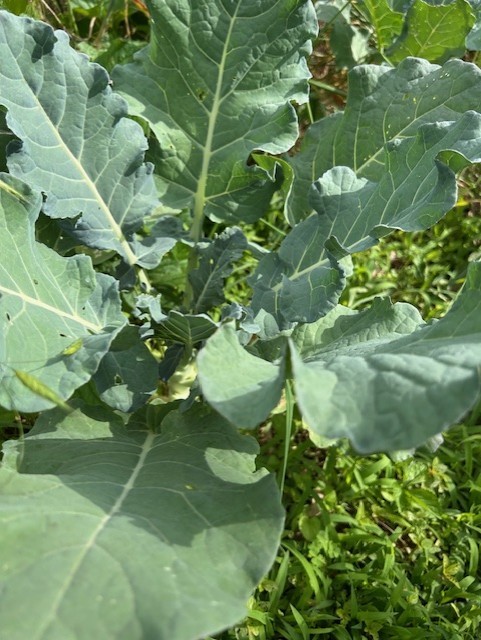
1. Long Island Improved
Best overall & classic favorite
- Very dependable and easy to grow
- Produces tight, uniform sprouts
- Excellent cold tolerance
- Great flavor, especially after frost
A top choice for beginners and experienced gardeners alike.
2. Diablo
Best for cold climates & fall harvest
- Extra frost hardy
- Tall plants with heavy yields
- Sweet, nutty flavor after frost
- Performs well in colder zones
Perfect if you garden where winters come on strong.
3. Jade Cross
Best compact hybrid
- Shorter plants, great for small gardens
- Very uniform sprouts
- Mild, less bitter flavor
- Earlier harvest than many varieties
Great balance of size, yield, and taste
Lettuce
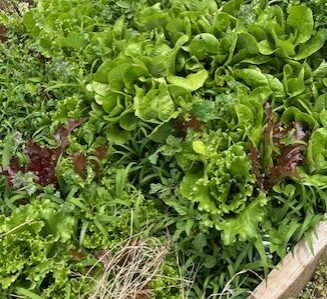
1. Buttercrunch
Best for: All-around performer
- Crisp, buttery leaves
- Heat-tolerant for a cool-weather lettuce
- Slow to bolt compared with other types
- Great in salads or sandwiches
A favorite for home gardeners because it just works.
2. Romaine (e.g., Parris Island Cos)
Best for: Crunchy heads
- Tall, firm leaves with great texture
- Stands up well to cool springs and falls
- Excellent flavor and crunch
Ideal if you like heartier lettuce that holds up.
3. Green Leaf (e.g., Black Seeded Simpson)
Best for: Quick harvests
- Loose, frilly leaves
- Fast growing—great for “cut and come again”
- Mild, fresh flavor
Awesome if you want lettuce early and often.
Comparison
| Variety | Texture | Best Feature |
|---|---|---|
| Buttercrunch | Soft, buttery | Bolt-resistant & versatile |
| Romaine | Firm, crunchy | Great structure & flavor |
| Green Leaf | Tender, frilly | Fastest to harvest |
Onions
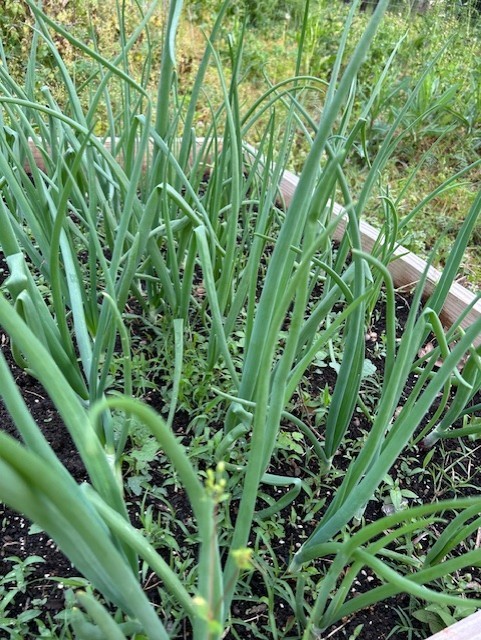
1. Walla Walla Sweet
Best for: Sweet, mild flavor
- Produces large, juicy bulbs with a gentle, sweet taste
- Great fresh in salads, sandwiches, or caramelized
- Grows well in a variety of climates
- These are great to cook
2. Patterson
Best for: Long-term storage
- A reliable long-day onion that stores well through the winter
- Medium to large golden bulbs with good flavor
- Works especially well if you want onions you can keep after harvest
- An all around winner
3. Red Burgundy (or similar red varieties)
Best for: Colorful flavor and versatility
- Deep red skin and bold flavor, great for fresh eating or pickling
- Adds beautiful color to salads and cooked dishes
- Great on taste and appearance
Leafy Greens
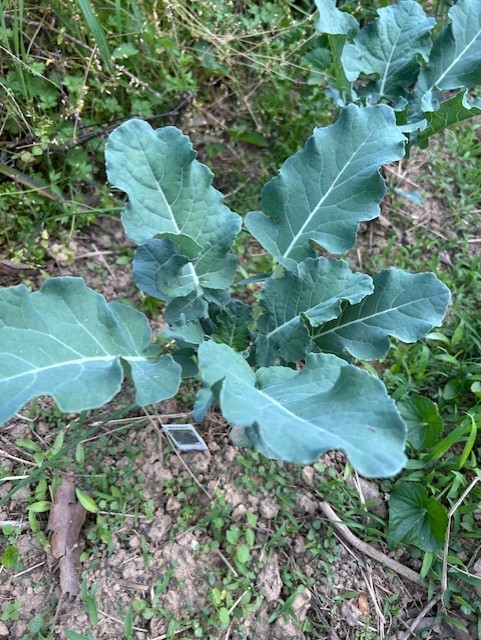
Top Leafy Greens for the Garden
1. Collard Greens
- Big, sturdy leaves
- Very cold hardy
- Excellent cooked or braised
2. Spinach
- Very cold tolerant
- Sweetens after cool nights
- Great fresh or cooked
3. Kale
- Extremely hardy—often survives frost
- Nutrient-dense leaves
- Good for salads, sautés, chips
4. Swiss Chard
- Beautiful colorful stems
- Mild flavor, long harvest period
- Tolerates some heat and cool
5. Arugula
- Peppery, bold flavor
- Very fast growing
- Great in mixed salads
6. Mustard Greens
- Spicy, robust flavor
- Grows well in cool weather
- Nice for sautés and braises
8. Bok Choy / Pak Choi
- Mild, crunchy stems
- Grows quickly in cool weather
- Great in stir-fries
9. Tatsoi / Asian Greens
- Spoon-shaped dark leaves
- Sweet and tender
- Thrives in spring/fall
10. Mizuna
- Frilly leaves with mild spice
- Fast grower
- Great in mixed salad greens
Growing & Flavor Notes
| Green | Growth Speed | Flavor | Best Season |
|---|---|---|---|
| Lettuce | Fast | Mild | Spring & Fall |
| Spinach | Medium | Sweet | Cool Weather |
| Kale | Slow–Medium | Earthy | Cool/Cold |
| Swiss Chard | Medium | Mild | Spring–Fall |
| Arugula | Very Fast | Peppery | Cool |
| Mustard Greens | Medium | Spicy | Cool |
| Collards | Slow | Mild | Cool/Cold |
| Bok Choy | Medium | Mild | Cool |
| Tatsoi | Medium | Mild | Cool |
| Mizuna | Fast | Mild/Spicy | Cool |
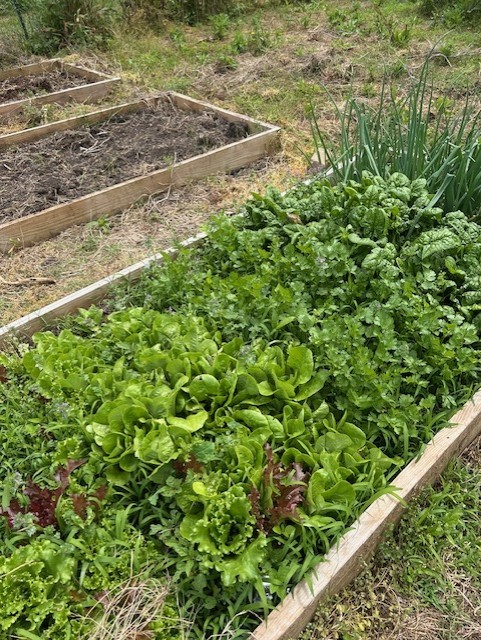
This was my garden bed last late winter for zone 7 for my cool weather crops. This year will be almost exactly the same. Everything in this bed thrives in the cool weather and combined it makes a tasty salad. Enjoy it while you can because the hot weather will take a toll quickly on these delicious vegetables.
Comments are closed