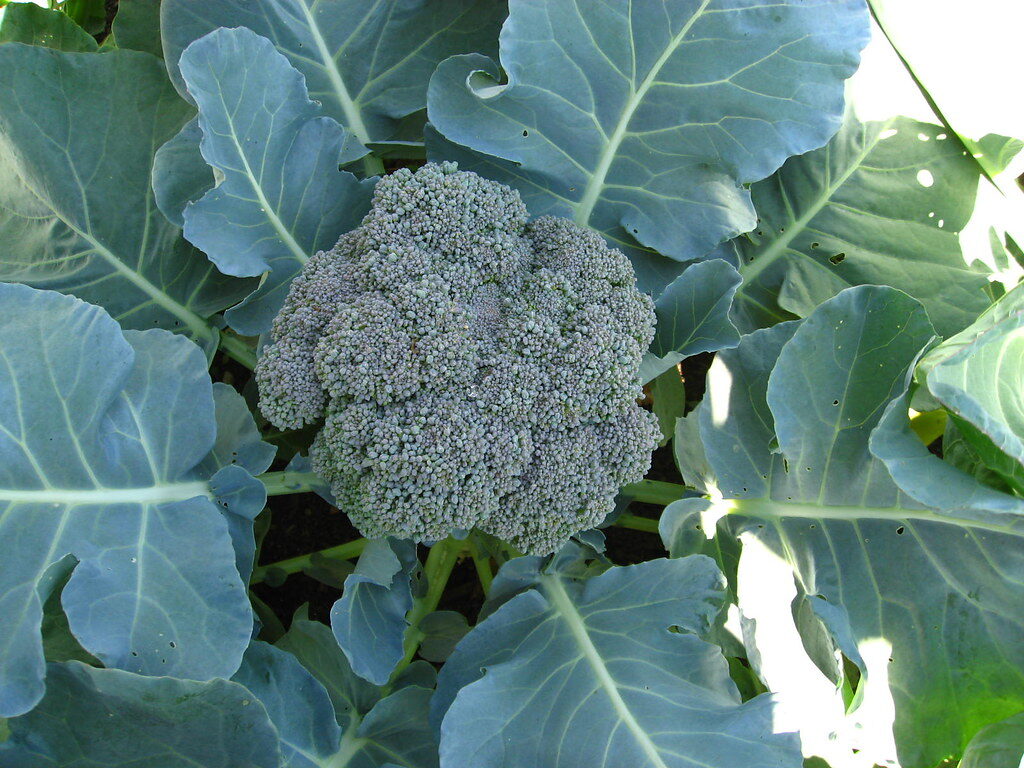
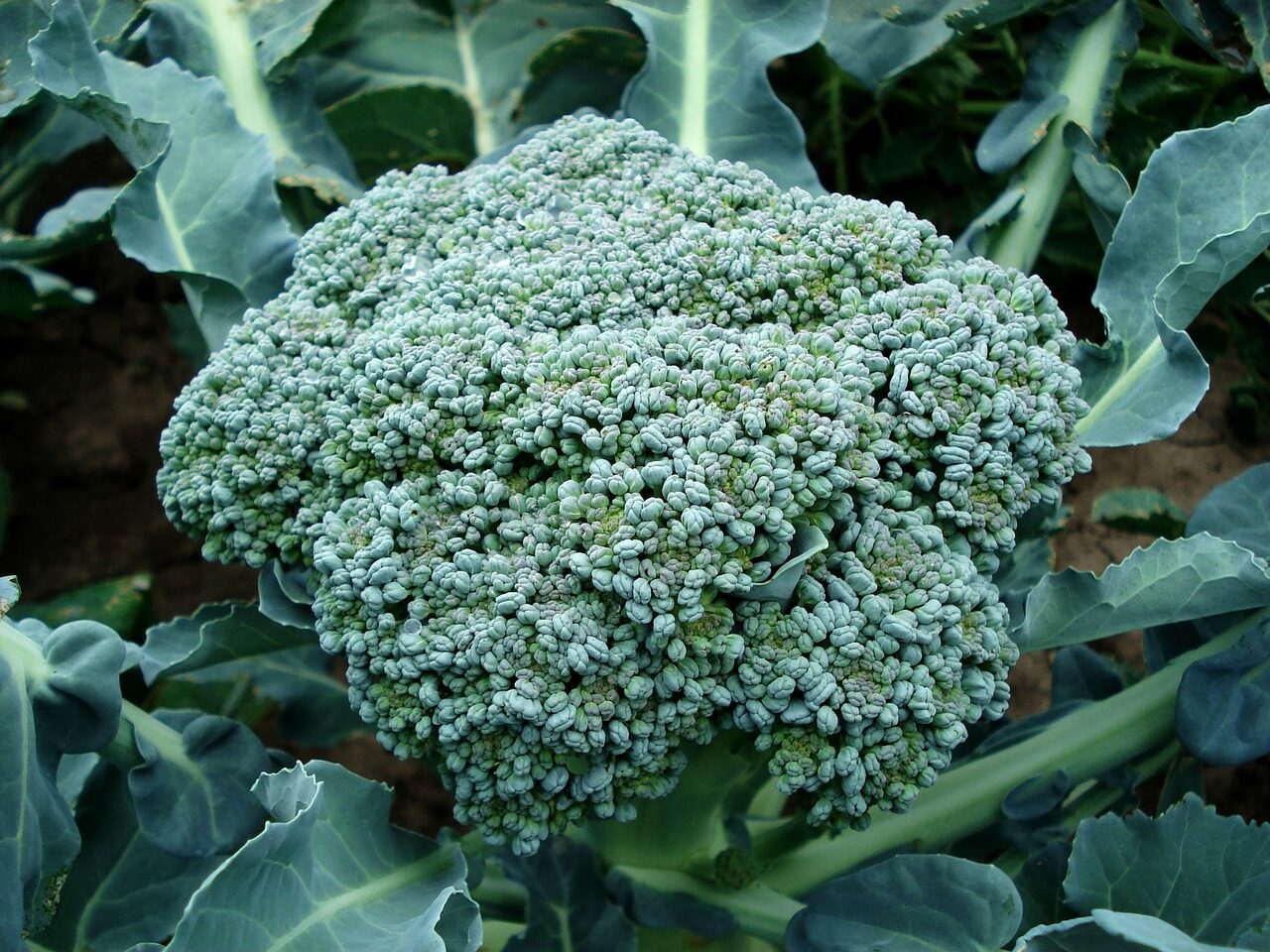
Growing broccoli in your garden is a smart move if you want a vegetable that’s both nutritious and surprisingly easy to manage. Broccoli thrives in cooler weather, making it perfect for spring and fall gardens, and it’s more forgiving than many people think. You plant it, give it good soil, sun, and water, and it grows steadily, rewarding you with dense, green heads that are packed with vitamins and flavor. Watching those tight florets form is satisfying in a way that store-bought vegetables can’t match—you know exactly where your food came from and that it’s fresh.
On top of that, broccoli is versatile and practical in the kitchen. A single plant can produce multiple harvests if you pick the central head first, then let the side shoots grow, giving you weeks of healthy meals. You can steam it, roast it, toss it in salads, or add it to soups and stir-fries. It stores well in the fridge and even freezes beautifully, so your effort in the garden keeps paying off long after harvest day. If you want a vegetable that feels rewarding, nutrient-rich, and genuinely worth your time, broccoli is the way to go; who doesn’t love a good broccoli casserole.
Top Varieties to grow at home
Variety
Type & Strength
Best For
Belstar
Hybrid; high yield with many side shoots
Long harvest period, good heat tolerance
Green Magic
Hybrid; early, compact, tight heads
Beginners and shorter seasons
Waltham 29
Heirloom; cold‑tolerant classic
Cooler climates and fall crops
De Cicco
Heirloom; plenty of side shoots
Continuous harvest & smaller heads
Imperial
Hybrid; large, uniform heads
Classic grocery‑style broccoli
Packman
Hybrid; fast maturity
Early harvests and reliable performance
Eastern Magic
Heat‑tolerant hybrid
Spring/fall in warmer regions
Romanesco
Unique spiral heads, nutty flavor
Variety/novelty & flavor
Ideal Conditions
Step
What to Do
Key Tips
When to Plant
Early spring or late summer
Prefers cool weather, 60–70°F ideal
Sun
Full sun
6–8 hours daily
Soil
Rich, well-drained
Add compost; pH 6.0–7.0
Spacing
18–24 inches apart
Give room for big heads
Watering
Consistent, 1–1.5 inches per week
Avoid dry soil to prevent bolt
Fertilizing
At planting and every 3–4 weeks
Nitrogen-heavy early, balanced later
Pests
Watch for cabbage worms, aphids, slugs
Row covers help prevent damage
Harvest
When heads are firm and tight
Cut central head first; side shoots follow
When to start seeds and transplant (Spring)
USDA Zone
Start Seeds Indoors
Transplant to Garden
Zone 4
Feb 15 – Mar 1
Apr 15 – May 1
Zone 5
Feb 1 – Feb 15
Apr 1 – Apr 15
Zone 6
Jan 15 – Feb 1
Mar 15 – Apr 1
Zone 7
Jan 1 – Jan 15
Mar 1 – Mar 15
Zone 8
Dec 15 – Jan 1
Feb 15 – Mar 1
Zone 9
Dec 1 – Dec 15
Feb 1 – Feb 15
Zone 10
Nov 15 – Dec 1
Jan 15 – Feb 1
Quick notes:
Start seeds 6–8 weeks before your last frost
Transplant when plants have 4–6 true leaves
Broccoli loves cool weather — light frost won’t hurt it
Although you can direct sow broccoli, but it is like all vegetables in the Brassica family you are much better suited planning early indoors. Broccoli doesnt have huge pest pressure, but it does have a huge bolting problem. If you plant it too late in the warmer zones your biggest threat will be the sun. Sowing indoors will give you the best shot at harvest before it bolts. If you have ever tried eating broccoli that is or just about to bolt it is very bitter.
Growing broccoli at home is one of those garden wins that feels genuinely rewarding. It’s nutritious, versatile, and surprisingly easy to grow when you give it a little care, thriving in cool weather and producing multiple harvests if you pick the heads right. You get fresh, flavorful broccoli straight from your own garden, free from the preservatives and long storage times of store-bought vegetables. Beyond the food, there’s a sense of satisfaction in tending the plants, watching them grow, and knowing you’ve created healthy, homegrown meals for yourself and your family. It’s a simple crop that delivers big benefits.
Comments are closed