How to grow tomatoes in your garden at home

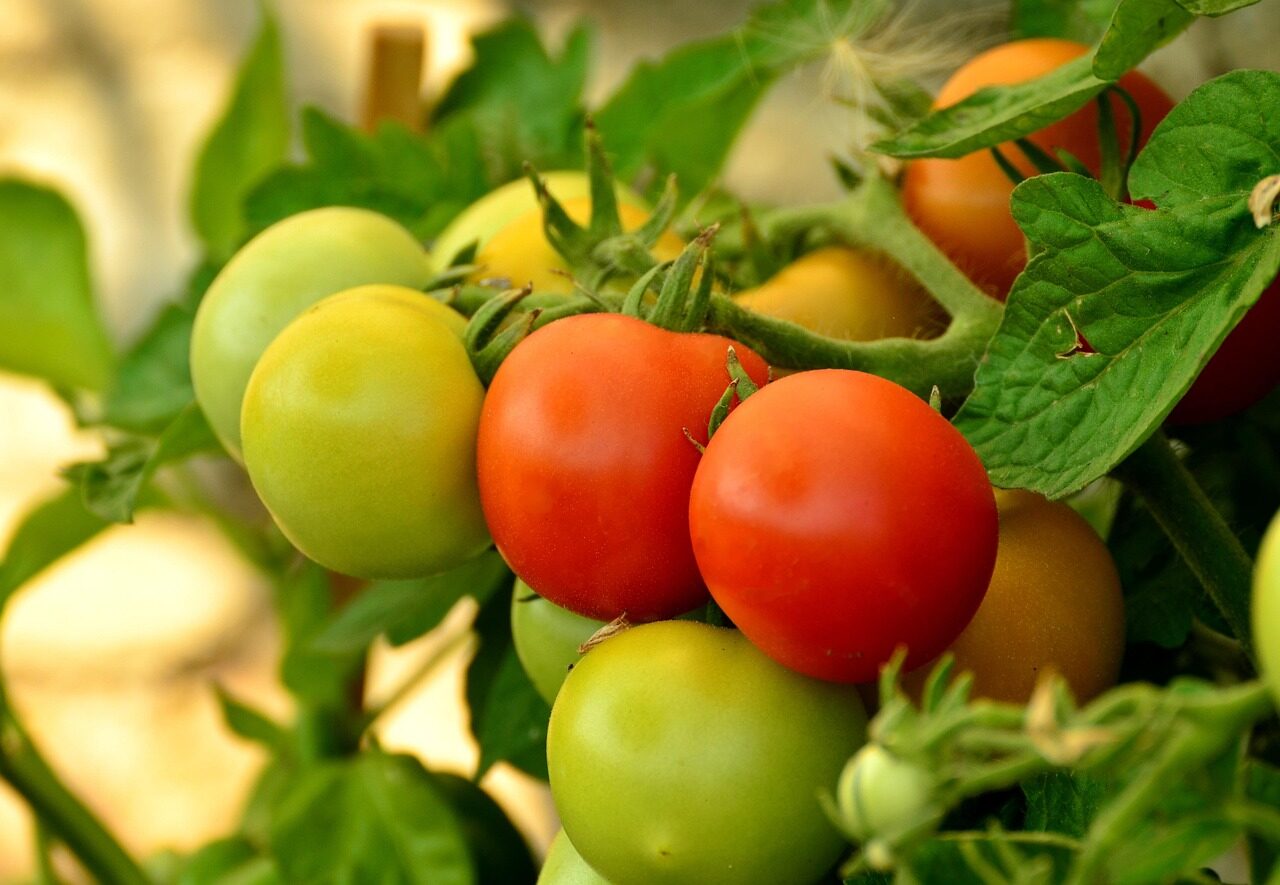
beef tomato, tomato, tomatoes, beef tomatoes, vegetables, plant, nature, harvest

Eastern Tennessee is considered the tomato capital of the the United States. I would guess there is more than 10 very large tomato farms with a 15 mins drive of my homestead. Even though great tomatoes are readily available here, tomatoes are always one of my favorite vegetable to grow. There’s nothing quite like biting into a tomato you grew yourself—juicy, flavorful, and completely fresh. Tomatoes are surprisingly adaptable, and with a little sunlight, water, and good soil, they’ll reward you with abundant fruit all season long. Watching the green vines slowly fill with blossoms and then ripening fruit is not just fun—it’s proof that you can grow your own food, right in your backyard.

On top of that, tomatoes are incredibly versatile in the kitchen. One harvest can become fresh salads, sauces, salsas, sandwiches, or even preserved for winter. Growing them at home also saves money and lets you choose from hundreds of varieties you won’t find in the store, from sweet cherry tomatoes to meaty beefsteaks. If you want a crop that’s rewarding, delicious, and genuinely worth the effort, tomatoes are a no-brainer for any garden.

Top varieties to grow at home

Tomato VarietyFlavor / NotesWhy It’s Great to Grow
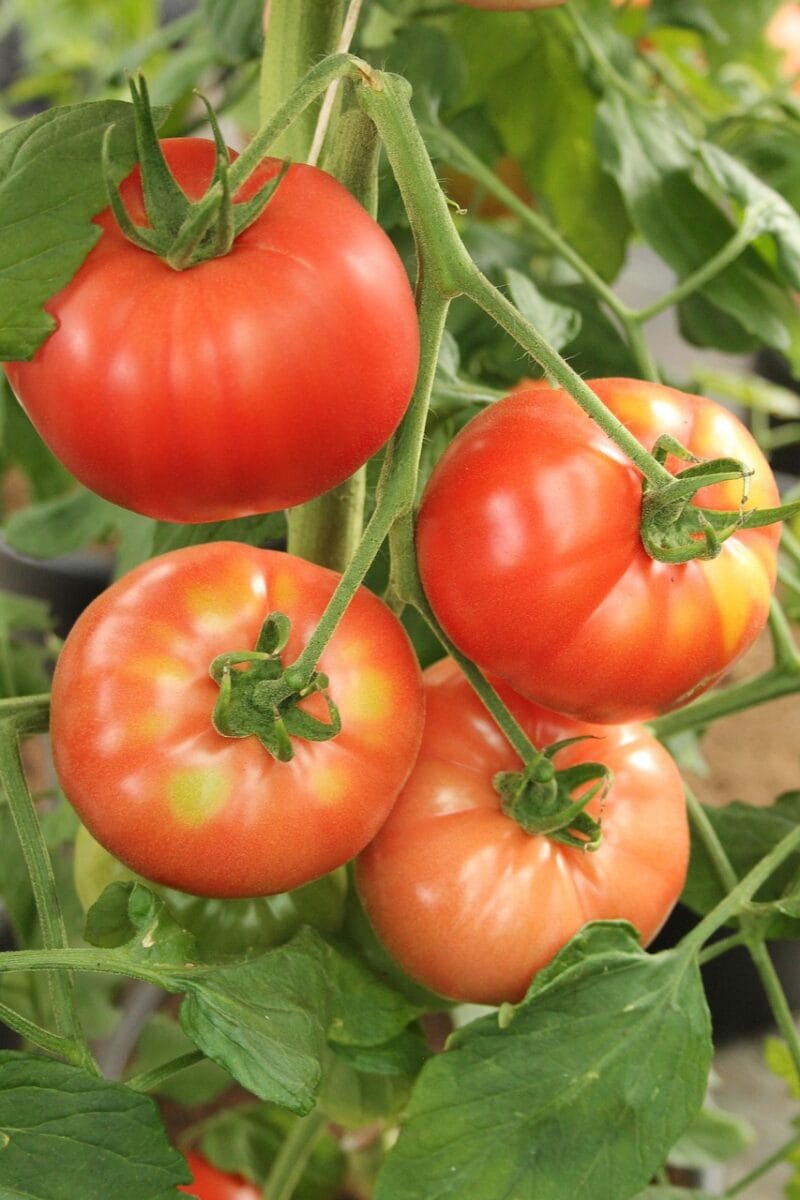
BeefsteakLarge, meaty, classicPerfect for sandwiches and burgers
BrandywineHeirloom, rich & sweetAmazing fresh flavor, iconic heirloom
Cherokee PurpleSweet, smoky undertonesStunning color and complex taste
Big BoyMild, juicyReliable, heavy-producing classic
CelebrityBalanced, slightly sweetDisease-resistant and productive
Mortgage LifterSweet, largeBig fruits, excellent for fresh eating
German JohnsonSweet & juicyHeirloom with rich flavor, very meaty
Big BeefSweet & firmHybrid, strong disease resistance
Super FantasticRich flavorHeirloom, highly productive slicing tomato
cabbage, herb, white cabbage, cultivation, vegetables, healthy, vitamins, winter vegetables, nature, vegan, vegetarian, cabbage field, green, food, agriculture, vegetable cabbage, leaves, fresh

Top cherry tomatoes

Tomato VarietyFlavor / NotesWhy It’s Great to Grow
Sweet MillionVery sweetExtremely productive, small round fruits
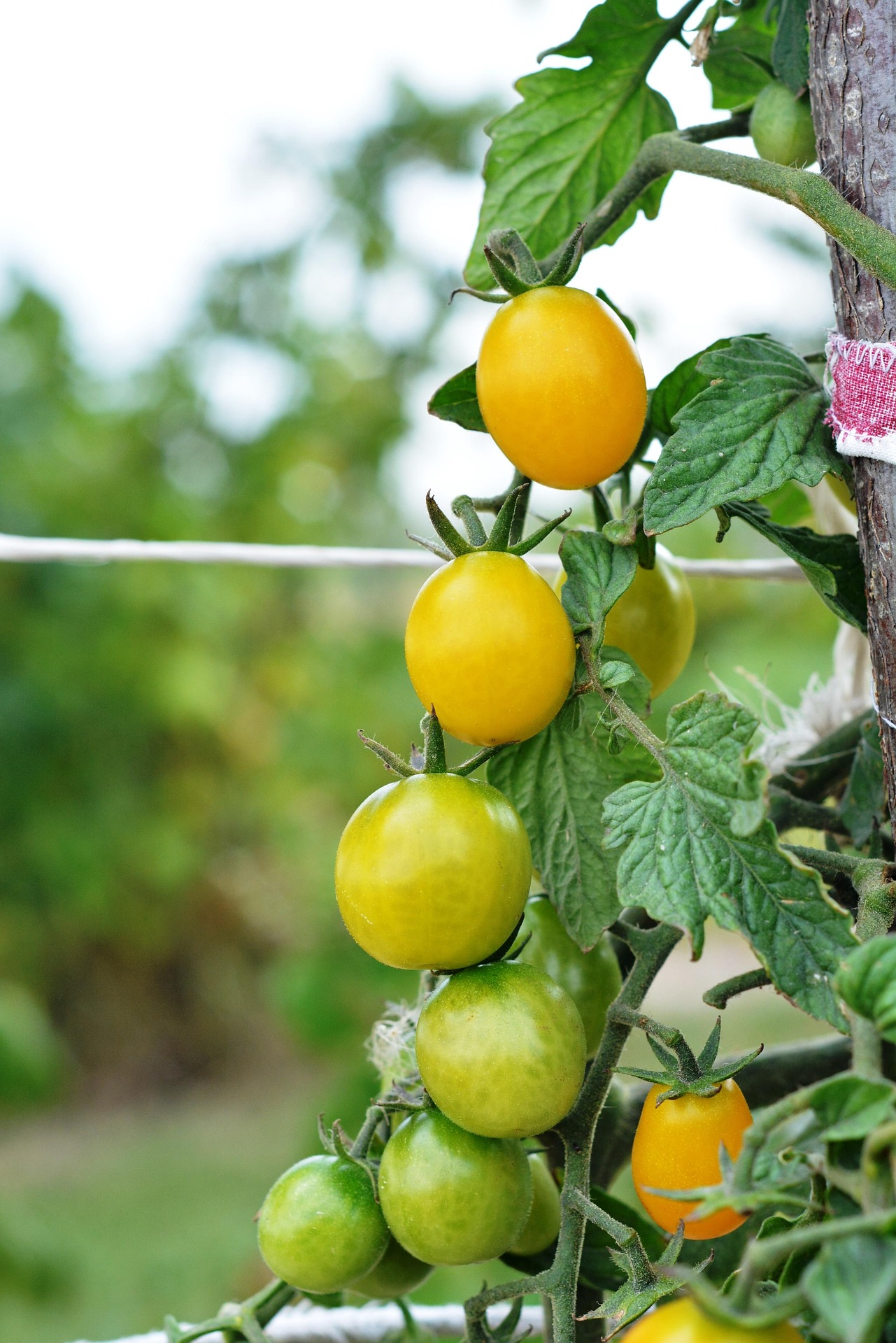
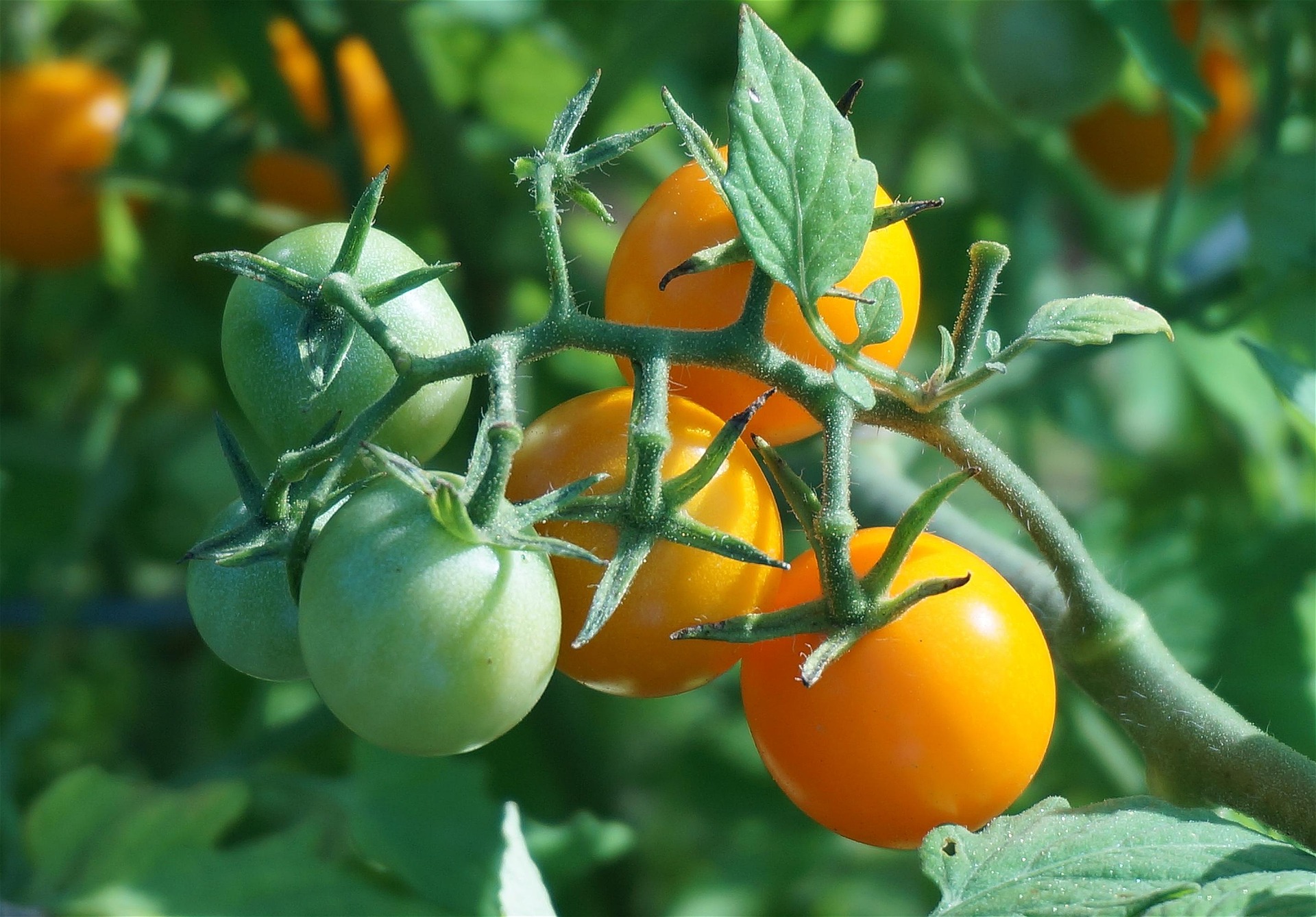
SungoldSuper sweet, fruityBright orange, bursts of flavor
Black CherryRich, sweetDark color adds visual interest
Tiny TimMild & sweetCompact, perfect for containers
Gardener’s DelightSweet & classicReliable, heavy producer
JulietSweet & tangyOval-shaped, great for sauces or snacking
Red CherryClassic sweet flavorEasy to grow, very reliable
Green GrapeMildly sweetFun green color, unusual in salads
Chocolate CherrySweet & richUnique brown-red color, eye-catching
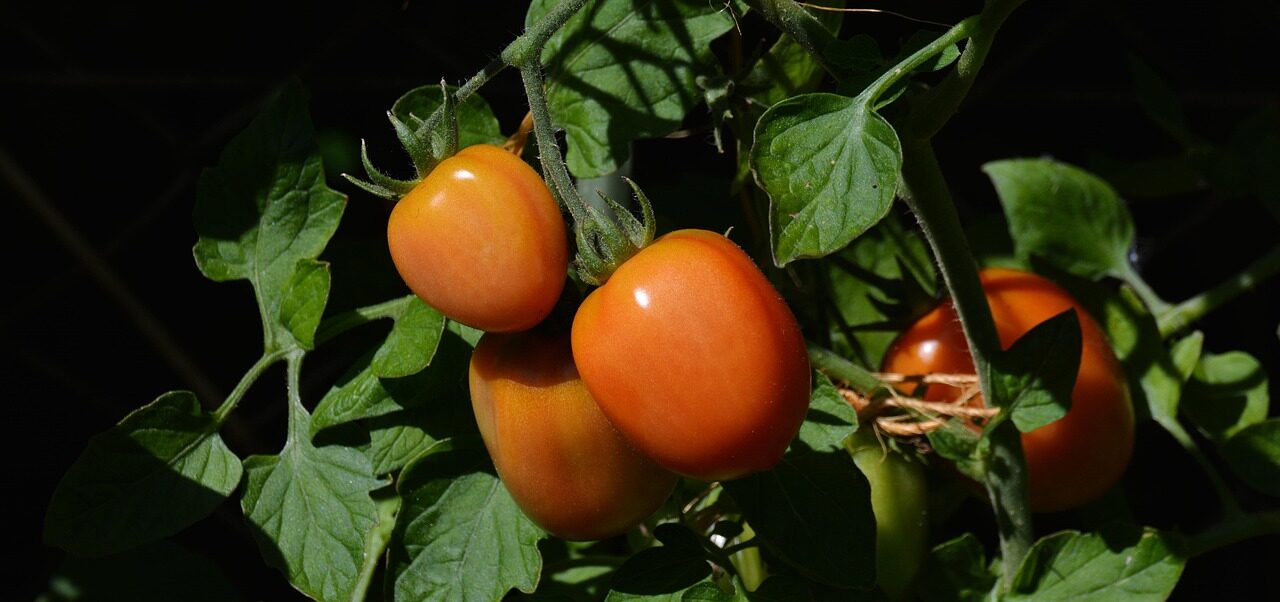
tomatoes, ripe, immature, red, nightshade plant, vegetables, green, meal, food, tomato fruit, tomato plant, bush tomato, paradeisapfel, tomato panicle, cultivation, tomato bush, tomato growing, tomato plant, tomato plant, tomato plant, tomato plant, tomato plant

Top tomatoes for cooking with

I like a slice of tomato on a bologna sandwich as much as the next guy, but one thing that is overlook is how different tomatoes cook differently. Using the proper tomato for sauces and salsas are the key, for an amazing dish.

Tomato VarietyBest Cooking UseFruit Type / NotesWhy It’s Great
San MarzanoItalian‑style sauce & pasteClassic Italian plum tomatoDense flesh, low seeds & water, The king for sauces.
Roma (Plum)Everyday sauce, canningClassic paste typeReliable, firm, easy to grow; fewer seeds and great texture. Usually made in salsa.
Amish PasteRich sauce & canningHeirloom paste tomatoSweet, meaty, excellent flavor and cooks down easy.
OpalkaThick hearty saucesPolish heirloom pasteVery meaty with minimal seeds, another sauce tomato
Super Italian PasteSauces & pastesItalian heirloom pasteLong, firm fruits with rich flavor very popular sauce tomato
Big Mama / Large Paste TypesBig batches of sauceLarge plum / paste style peels easily good sauce tomato
RutgersAll‑purpose sauce & soupsMeaty round tomatoA good tomato for everything, but others are more specialized tomatoes
tomatoes, roma tomatoes, garden, vegetable growing, nightshade plant, tomato panicle, vine tomatoes, tomato bush, home garden, tomato growing, panicle, harvest, nature, vegetable garden, grow

Indeterminate vs Determinate

It would not be a tomato post without talking about the key difference of indeterminate and determinate tomatoes.

Indeterminate

FeatureDetails
Growth habitKeep growing taller and producing leaves, flowers, and fruit all season long until frost kills them.
Fruit productionFruits ripen gradually over a long period. You can harvest many times during the season.
Plant sizeOften very tall (5–12+ feet), so staking or caging is required.
Best forHome gardeners who want continuous harvest for fresh eating or regular slicing. Great if you have lots of vertical space.
My takeThese are what we grow to have tomatoes all season

Determinate

FeatureDetails
Growth habitGrow to a fixed, compact height and stop growing once the plant matures.
Fruit productionMost of the fruit ripens at the same time, often in a 2–3 week window.
Plant sizeUsually bushy, compact, and manageable (2–4 feet), so less staking required.
Best forGardeners who want one big harvest for canning or sauces, or who have limited space / containers.
My takeWe grow these if you want a lot of tomatoes all at one time, so canning is a great example.
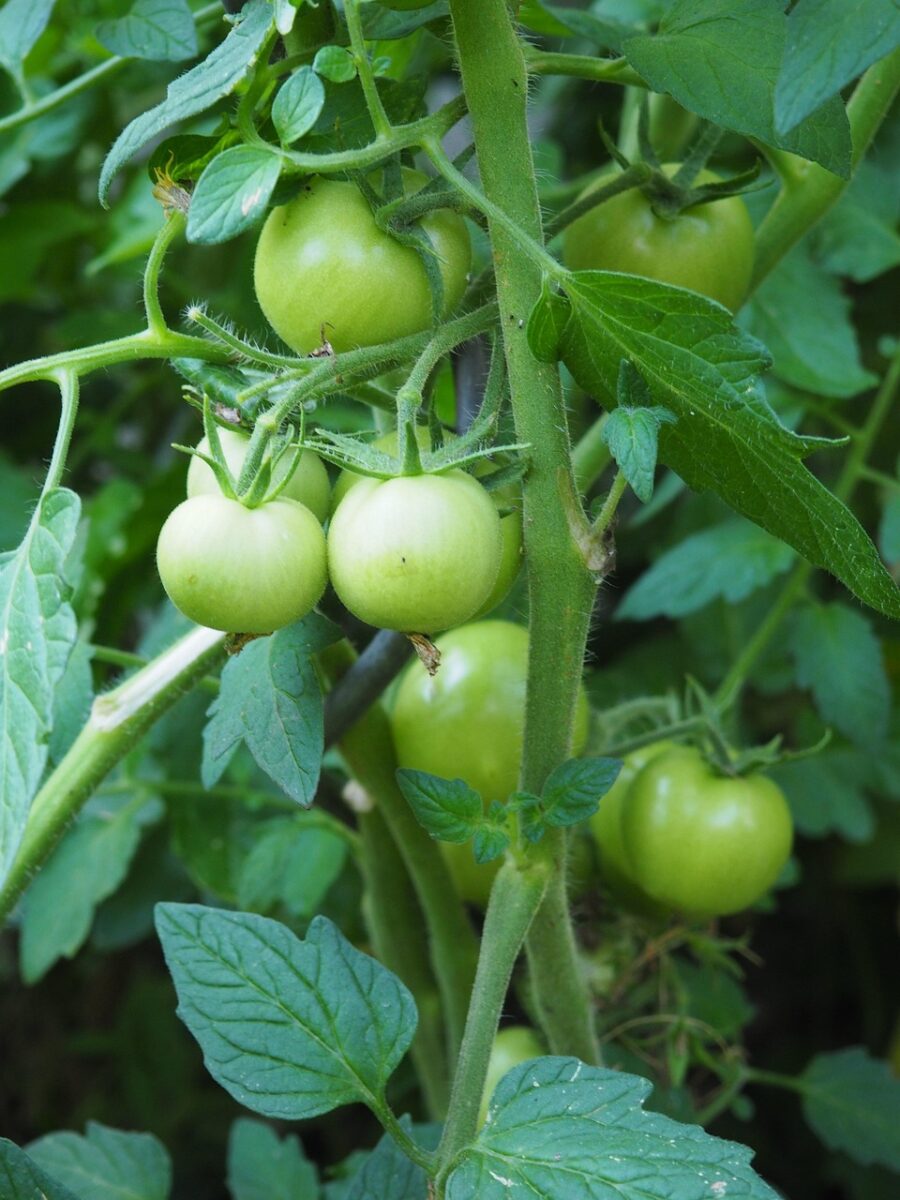
tomato, immature, green, vegetables, garden, tomato bush, nature, unripe fruit

Ideal Conditions

Step / FactorDetails / Tips
Planting TimeAfter last frost; start seeds indoors 6–8 weeks before last frost.
SoilWell-draining, fertile, pH 6.0–6.8; enrich with compost.
SunlightFull sun, 6–8+ hours/day.
SpacingIndeterminate: 18–36” apart, need staking/cages. Determinate: 12–24” apart, less support needed.
WateringConsistent moisture; 1–2 inches/week; water at soil, not leaves. Mulch to retain moisture.
FertilizingBalanced fertilizer at planting; side-dress with nitrogen mid-season for leafy growth.
TemperatureOptimal 70–85°F (21–29°C) day, 55–70°F (13–21°C) night. Avoid frost.
Pests / DiseasesWatch for aphids, hornworms, blight, and wilt. Rotate crops, use disease-resistant varieties.
Pruning / SupportStake/cage indeterminates; remove suckers to improve airflow and fruit size.
HarvestingPick when fully colored and slightly soft to the touch; regular harvesting encourages more fruit.

broccoli, vegetable, plant, fresh, harvest, produce, organic, green, food, natural, nature, healthy

When to start seeds and transplant (Spring)

ZoneStart Seeds IndoorsTransplant to GardenNotes / Tips
Zone 46–8 weeks before last frostAfter last frost (usually late May)Tomatoes need warm soil (~60°F). Use cloches or row covers for early transplant if desired.
Zone 56–8 weeks before last frostAfter last frost (mid-May)Harden off seedlings 7–10 days before transplanting.
Zone 66–8 weeks before last frostAfter last frost (early–mid May)Can also start a second round for late summer/fall harvest.
Zone 76 weeks before last frostAfter last frost (late April–early May)Longer growing season allows for earlier transplanting.
Zone 86 weeks before last frostAfter last frost (late March–April)Can grow fall crop by starting seeds mid-summer.
Zone 96 weeks before last frostAfter last frost (February–March)Can grow almost year-round; avoid hottest summer months to prevent fruit drop.
Zone 106 weeks before last frostAfter last frost (January–February)Best to plant fall/winter crops; summers are too hot for good fruit set.

When to start seeds and transplant (Fall)

ZoneStart Seeds IndoorsTransplant OutdoorsNotes / Tips
Zone 4Not recommend
Zone 5Not recommend
Zone 6Early–mid JuneLate JulyConsider heat-tolerant, early varieties; mulching helps maintain soil warmth.
Zone 7Early–mid JuneLate July–early AugustFull season for fall harvest; protect from first frost with row covers.
Zone 8Mid–JuneEarly AugustExcellent zone for fall tomatoes; plant fast-maturing or heat-tolerant varieties.
Zone 9Mid–JuneAugustPlant late-season varieties; summer heat may slow growth — provide shade if needed.
Zone 10Mid–JuneAugustBest for fall/winter crop; avoid extreme summer heat; use partial shade for young plants.

Common diseases and problems

DiseaseSymptomsCauses / ConditionsTreatment / Management
Early BlightDark concentric spots on lower leaves, yellowing leavesFungal (Alternaria); warm, wet conditionsRemove infected leaves; rotate crops; apply fungicide; mulch to prevent soil splash
Late BlightWater-soaked lesions on leaves & stems; brown/black rot on fruitFungal (Phytophthora); cool, wet weatherRemove infected plants; fungicides; improve air circulation; avoid overhead watering
Septoria Leaf SpotSmall, circular gray spots with dark borders on leavesFungal (Septoria); humid/wet conditionsRemove infected foliage; fungicide sprays; rotate crops; mulch soil
Fusarium WiltYellowing starting on one side of plant; wilting; brown vascular tissueSoil-borne fungus (Fusarium oxysporum)Use resistant varieties; rotate crops; solarize soil; remove infected plants
Verticillium WiltLower leaves yellow, curl; wilting under heat stressSoil-borne fungus VerticilliumPlant resistant varieties; rotate crops; remove infected plants
Tomato Mosaic Virus (TMV)Mottled light/dark green leaves, stunted growthVirus; contaminated tools, infected seedsRemove infected plants; disinfect tools; avoid tobacco near plants; buy certified seeds
Bacterial SpotSmall dark spots on leaves and fruit; yellowing leavesBacteria (Xanthomonas); wet/humid conditionsRemove infected leaves; copper sprays; rotate crops; use resistant varieties
Bacterial SpeckTiny dark spots on leaves & fruitBacteria (Pseudomonas); cool/wet weatherCopper sprays; remove infected debris; use resistant varieties
Powdery MildewWhite powdery coating on leavesFungal; dry days, high humidityRemove affected leaves; fungicides; improve air circulation; avoid overhead watering
Blossom End RotDark sunken spots on bottom of fruitCalcium deficiency; inconsistent wateringMaintain consistent soil moisture; add calcium (lime or gypsum); mulch to retain moisture

Fertilizing schedule

Growth StageNutrients FocusTiming / NotesApplication Tips
Seedlings (0–3) weeks after germinationNitrogen-light, balanced nutrientsStart with weak fertilizer solution (1/4 strength) once first true leaves appearUse a water-soluble balanced fertilizer (like 10-10-10); avoid over-fertilizing to prevent legginess
Transplant / Establishing PlantsNitrogen + phosphorusAt plantingMix fertilizer into planting hole (starter solution) or side-dress around base; supports root development
Vegetative Growth (first 4–6 weeks after transplant)Nitrogen-heavyEvery 2–3 weeksApply water-soluble fertilizer high in nitrogen to encourage strong stems and leaves
Flowering / Early Fruit SetBalanced N-P-K or slightly higher P-KWhen flowers appearFertilizer with more phosphorus and potassium encourages blooms and fruit set (e.g., 5-10-10)
Fruit Development / Mid-seasonPhosphorus + potassiumEvery 2–4 weeksSide-dress with compost or fertilizer along plant rows; supports fruit size, color, and taste
Late Season / OngoingLow nitrogen, higher P-KOnce fruit starts maturingAvoid high nitrogen late in season—it encourages leaves over fruit; foliar sprays or liquid fertilizers can help finish fruits
cabbage, red cabbage, blue cabbage, vegetables, food, healthy, meal, raw food, violet, vitamins, blue, nourishment, crop, vegetable growing, type of cabbage, cabbage leaves

Common Pest

PestSymptoms / DamageCauses / NotesTreatment / Management
Tomato HornwormLarge green caterpillars, chewed leaves & fruit; defoliationMoths lay eggs on leaves; fast-growing larvaeHandpick and remove; use Bacillus thuringiensis (Bt); encourage parasitic wasps
AphidsClusters of small green, yellow, or black insects; sticky honeydew; curled leavesSuck plant sap; can transmit virusesSpray with insecticidal soap or neem oil; strong water spray; encourage ladybugs
WhitefliesTiny white flying insects; yellowing, stunted leaves; sticky residueSuck sap; thrive in warm, humid conditionsYellow sticky traps; insecticidal soap; introduce natural predators (ladybugs, lacewings)
Flea BeetlesSmall holes in leaves (“shotgun” appearance)Active in spring; jump when disturbedRow covers for seedlings; diatomaceous earth; neem oil
CutwormsSeedlings cut off at soil lineLarvae hide in soil; feed at nightCollar seedlings; handpick; keep garden free of debris
Spider MitesTiny dots on leaves; fine webbing; yellowing or stippled leavesDry, hot conditions; suck sapSpray with water to dislodge; miticides or insecticidal soap; maintain humidity
LeafminersTunnels inside leavesLarvae of small fliesRemove and destroy affected leaves; use row covers; introduce beneficial parasitic wasps
ThripsSilvering / streaking on leaves and fruit; stunted growthTiny insects; transmit virusesSticky traps; neem oil or insecticidal soap; encourage natural predators
Slugs / SnailsHoles in leaves and fruit; slime trailsMoist conditions; night feedersHandpick at night; beer traps; copper tape barriers
Stink BugsPuncture marks on fruit; sunken spotsFeed on fruit with piercing mouthpartsHandpick; insecticidal sprays; row covers

Tomatoes are hands-down one of the best vegetables to grow in your garden because they’re versatile, rewarding, and downright delicious. Whether you’re snacking on a sun-warmed cherry straight off the vine, stacking a thick slice on a sandwich, or simmering a pot of homemade sauce, nothing beats the flavor of a homegrown tomato. They’re surprisingly easy to grow with a little sunlight, water, and care, and they keep giving all season long—especially the indeterminate varieties.
No responses yet

Leave a Reply

Your email address will not be published. Required fields are marked *

Latest Comments