There’s something really satisfying about watching a tiny plant turn into something that cranks out colorful, flavorful peppers all summer long. Peppers are easy to get excited about because they grow fast once the weather warms up, they look great in the garden or in pots, and harvesting them feels like a reward you actually get to eat. Whether you’re tossing them on the grill, into salsa, or straight onto a cutting board, homegrown peppers just taste better because they’re picked at their peak—not weeks after being shipped.
Another big reason to grow your own peppers is the massive selection you’ll never find at the grocery store. Stores usually carry a handful of basics, but when you grow them yourself, the choices are almost endless—from sweet bells in every color to smoky poblanos, fruity habaneros, and oddball heirlooms with wild shapes and flavors. You can grow mild, blazing hot, or a mix of everything, all tailored to what you actually like to eat. That freedom to experiment, try new varieties, and discover favorites is half the fun. All these reasons make peppers my favorite vegetable to grow ever year.
Popular Hot Peppers
Pepper Variety
Heat Level (Scoville)
Why It’s Great to Grow
Jalapeño
2,500–8,000
Reliable, heavy producer, perfect for beginners
Serrano
10,000–23,000
Hotter than jalapeño, great fresh or cooked
Cayenne
30,000–50,000
Easy to grow, excellent for drying and powder
Thai Chili
50,000–100,000
Compact plants, loads of small fiery peppers
Tabasco
30,000–50,000
Juicy peppers, ideal for hot sauce
Habanero
100,000–350,000
Fruity flavor with serious heat
Scotch Bonnet
100,000–350,000
Sweet heat, perfect for Caribbean dishes
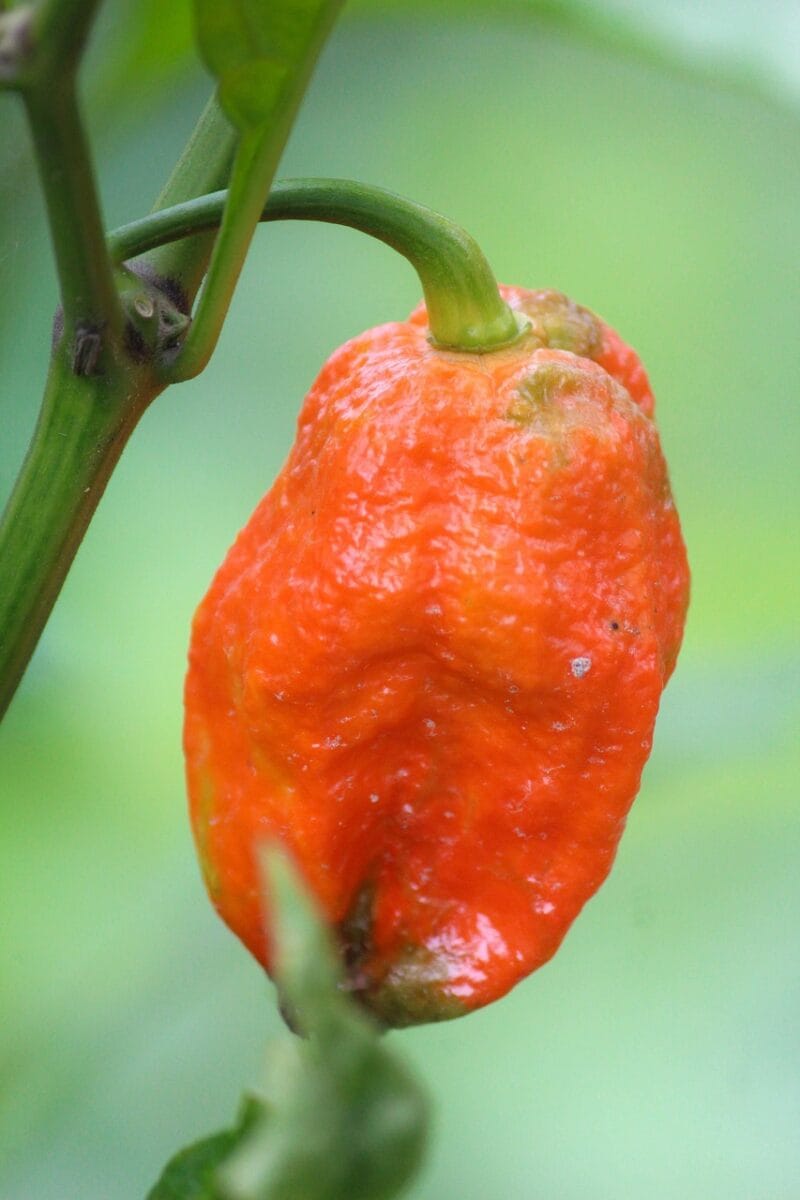
Ghost Pepper (Bhut Jolokia)
800,000–1,000,000+
Extreme heat, for experienced growers
Carolina Reaper
1,400,000–2,200,000+
World-famous heat, grows well in warm gardens
Top Medium Hot Peppers
Pepper Variety
Heat Level (Scoville)
Why It’s Great to Grow
Jalapeño
2,500–8,000
Very productive and beginner-friendly
Fresno
2,500–10,000
Similar to jalapeño but a bit fruitier
Hungarian Wax
5,000–15,000
Early producer, good for short seasons
Anaheim
500–2,500
Mild heat, large peppers for roasting
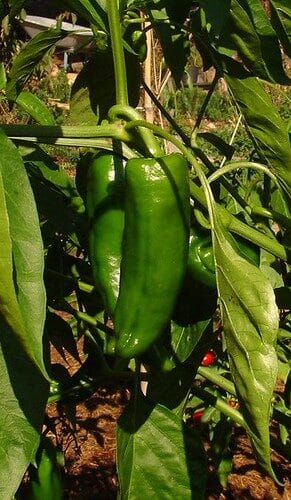
Poblano
1,000–2,000
Thick-walled, perfect for stuffing
Serrano
10,000–23,000
Stronger heat with bright flavor
Korean Gochu
1,500–10,000
Great for drying and flakes
Shishito
50–200 (occasional hot one)
Fun surprise heat, heavy producer
Cherry Hot
2,500–5,000
Compact plants, great for pickling
Best Sweet Peppers
Pepper Variety
Flavor / Sweetness
Why It’s Great to Grow
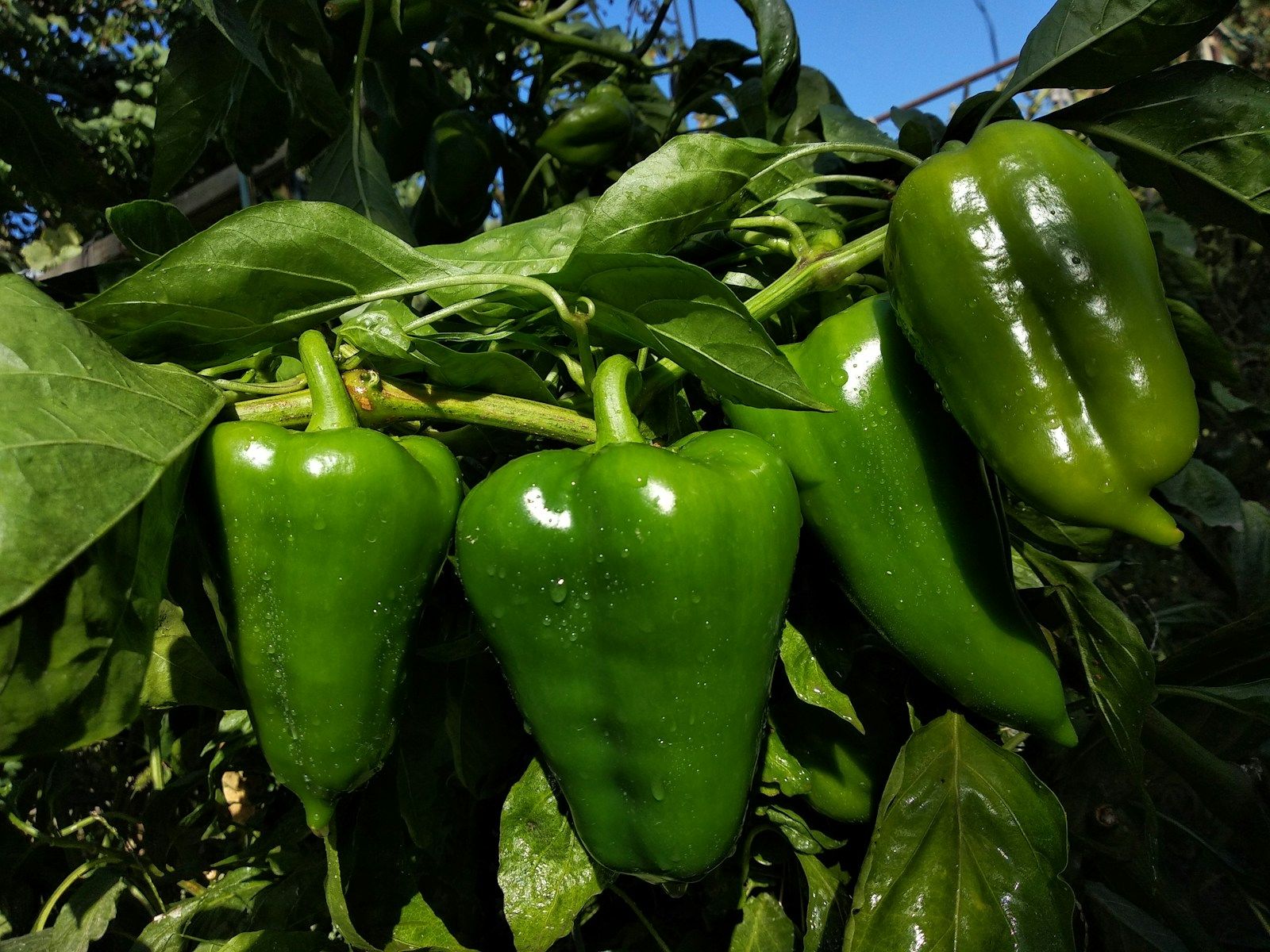
Bell Pepper
Mild & sweet
Productive, versatile, great fresh or cooked
Mini Bell
Very sweet
Early harvest, perfect for containers
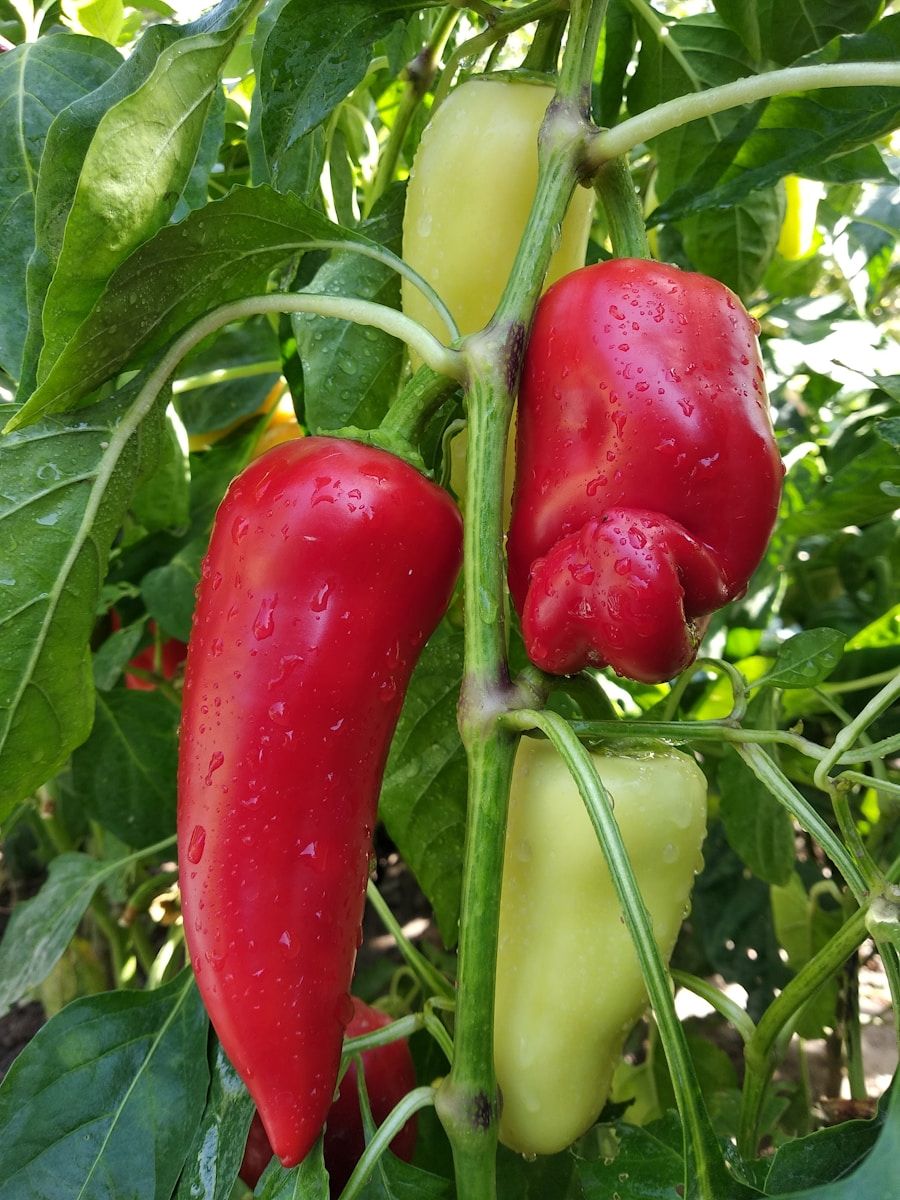
Banana Pepper
Mild & tangy
Easy to grow, great for pickling
Cubanelle
Sweet & mild
Thin-walled, excellent for frying
Sweet Italian
Sweet & rich
Long peppers, great for roasting
Corno di Toro
Very sweet
Thick flesh, excellent flavor
Pimento
Sweet & juicy
Ideal for stuffing and roasting
Gypsy
Sweet & mild
Early producer, reliable in cool summers
Sweet Cherry
Sweet
Compact plants, great for snacking
Peppers you wont see in the store
The sugar rush and AJi lemon drop peppers are some of my all time favorite
Pepper Variety
What Makes It Unusual
Why Grow It at Home
Fish Pepper
Variegated leaves & striped fruit
Ornamental and tasty, great conversation plant
Buena Mulata
Purple peppers ripen to red
Beautiful color changes, good medium heat
Black Hungarian
Dark purple skin
Smoky flavor, stunning plants
Aji Lemon Drop
Bright yellow, citrus flavor
Very productive, great for sauces
Sugar Rush Peach
Peach-colored pods
Sweet heat, excellent fresh
Count Dracula
Purple flowers & stems
Ornamental with edible peppers
UFO (Flying Saucer)
Squashed, alien shape
Mild heat, fun for stuffing
Peter Pepper
Very unusual shape
Great novelty pepper, medium heat
Chocolate Habanero
Brown ripe color
Rich, smoky heat for sauces
Ideal Conditions
Step
What to Do
Simple Tip
Seed Starting
Start seeds indoors 8–10 weeks before last frost
Use a heat mat for faster germination
Light
Provide 12–16 hours of bright light
Leggy plants = not enough light
Transplanting
Move outside after all frost danger passes
Night temps above 55°F
Soil
Use loose, well-drained soil
Add compost, avoid soggy soil
Watering
Water deeply, not daily
Let top inch dry out
Fertilizing
Feed lightly once flowering starts
Too much nitrogen = lots of leaves
Spacing
Space plants 12–18 inches apart
Good airflow prevents disease
Support
Stake or cage taller plants
Prevents broken branches
Harvesting
Pick when full size or fully colored
More picking = more peppers
When to start seeds and transplant (Spring)
USDA Zone
Start Seeds Indoors
Transplant Outdoors
Zone 4
Late Feb–Early Mar
Late May–Early Jun
Zone 5
Mid–Late Feb
Mid–Late May
Zone 6
Early–Mid Feb
Early–Mid May
Zone 7
Late Jan–Early Feb
Mid–Late Apr
Zone 8
Mid–Late Jan
Late Mar–Early Apr
Zone 9
Early–Mid Jan
Early–Mid Mar
Zone 10
Dec–Early Jan
Feb–Early Mar
When to start seeds and transplant (Fall)
USDA Zone
Start Seeds Indoors
Transplant Outdoors
Zone 4
Not recommended
Not recommended
Zone 5
Not recommended
Not recommended
Zone 6
Late May
Late Jun
Zone 7
Mid–Late May
Late Jun–Early Jul
Zone 8
Late Apr–Early May
Early–Mid Jun
Zone 9
Late Mar–Early Apr
Mid–Late May
Zone 10
Feb–Early Mar
Apr–Early May
Tips from growing from seeds
Peppers thrive with a heat mat for germination, maybe more than any other plant. However, after the seeds germinate it is important to remove the heat mat, since this will cause your peppers to become leggy. Also just as important, as soon as plants sprout, they need light to continue to grow. The energy in the seed will quickly deplete without a good light source. Don’t forget about the fertilizer schedule too.
Common diseases and problems
Disease
What It Looks Like
Simple Prevention
Blossom End Rot
Black, sunken spot on bottom of fruit
Even watering, add calcium
Bacterial Leaf Spot
Dark, water-soaked leaf spots
Avoid overhead watering
Powdery Mildew
White powder on leaves
Improve airflow, full sun
Phytophthora Blight
Sudden wilting, root rot
Well-drained soil, raised beds
Verticillium Wilt
Yellowing, wilting from bottom up
Rotate crops, healthy soil
Fusarium Wilt
Stunted growth, leaf drop
Use resistant varieties
Anthracnose
Sunken spots on fruit
Remove infected plants
Mosaic Virus
Mottled, twisted leaves
Control aphids, clean tools
Damping Off
Seedlings collapse at soil line
Sterile soil, good airflow
Fertilizing schedule
Stage
What to Do
Notes / Tips
Seedlings
Use a gentle, balanced fertilizer (like 10-10-10)
Feed lightly every 2 weeks once true leaves appear
Early Growth
Apply balanced fertilizer or compost tea
Focus on steady leaf and stem growth
Pre-Flowering
Switch to fertilizer slightly higher in phosphorus (like 5-10-5)
Helps buds form strong flowers
Flowering & Fruiting
Fertilize every 2–3 weeks with low nitrogen, higher potassium
Supports big, healthy peppers and prevents leafy overgrowth
After Harvest
Light feeding if plants continue producing
Compost or gentle organic fertilizer is best
Container Plants
Fertilize more frequently (weekly)
Nutrients leach out faster in pots
Common Pest
Pest
Signs of Damage
Easy Control
Aphids
Curled leaves, sticky residue
Spray with water or insecticidal soap
Spider Mites
Speckled leaves, fine webbing
Increase humidity, neem oil
Flea Beetles
Tiny holes in leaves
Row covers, diatomaceous earth
Cutworms
Seedlings cut at soil line
Collars around plants
Pepper Hornworms
Large leaves eaten fast
Hand-pick, BT spray
Thrips
Silvery streaks on leaves
Sticky traps, neem oil
Whiteflies
Tiny white insects fly up
Yellow sticky cards
Stink Bugs
Deformed fruit, scars
Hand removal, netting
Leaf Miners
Squiggly lines in leaves
Remove affected leaves
Growing peppers at home is one of those simple joys that makes gardening fun and rewarding. You get to watch tiny seedlings turn into colorful plants full of fruit, and there’s a real sense of pride when you pick your first pepper and taste it straight from the garden. Plus, growing at home opens up a world of variety you’ll never see in a store—everything from mild bells to fiery habaneros, quirky-looking heirlooms, and vibrant mini peppers. It’s not just about the heat; it’s about experimenting, trying new flavors, and enjoying the process. Homegrown peppers give you choice, freshness, and a little everyday excitement in the garden and the kitchen.
Comments are closed