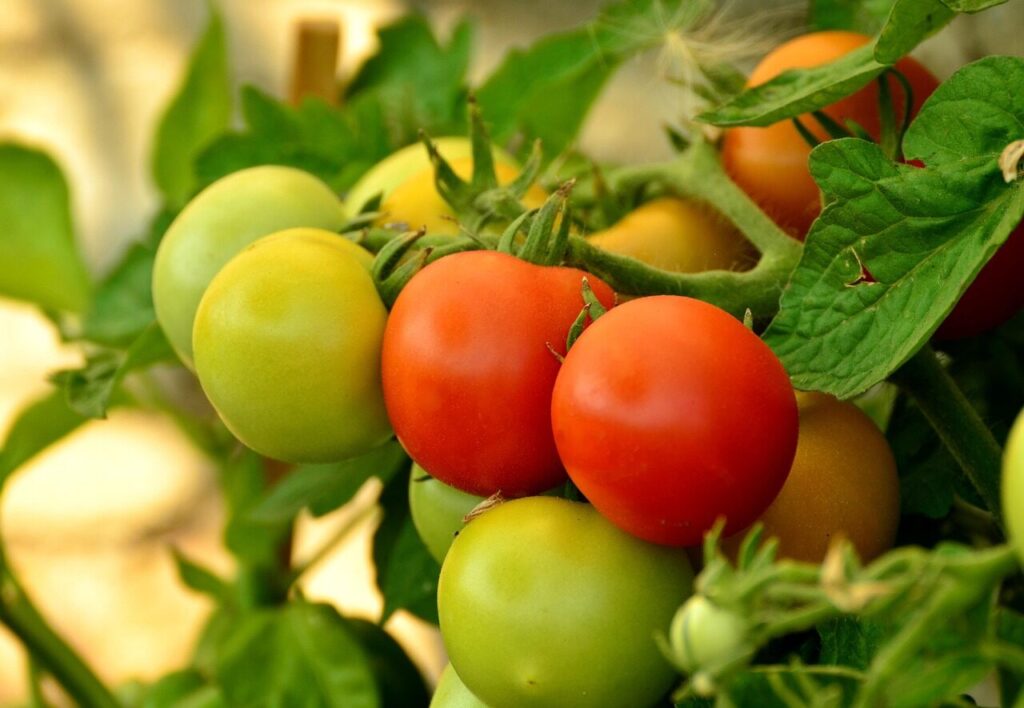
Common Diseases in Vegetables
| Disease | Vegetables Affected | Fix / Control |
|---|---|---|
| Powdery Mildew | Squash, cucumbers, pumpkins, beans | Improve air circulation, remove infected leaves, apply fungicide or neem oil |
| Blight (early/late) | Tomatoes, potatoes | Rotate crops, remove infected plants, use resistant varieties, fungicide |
| Downy Mildew | Cucumbers, lettuce, onions | Water at soil level, increase spacing, use resistant varieties |
| Fusarium Wilt | Tomatoes, peppers, melons | Plant resistant varieties, rotate crops, improve soil drainage |
| Bacterial Spot | Peppers, tomatoes | Avoid overhead watering, remove infected plants, copper sprays |
| Root Rot | Beans, carrots, cucumbers, peppers | Improve drainage, avoid overwatering, rotate crops |
| Clubroot | Cabbage, broccoli, cauliflower | Raise soil pH with lime, rotate crops, improve drainage |
| Anthracnose | Beans, cucumbers, tomatoes | Use clean seed, remove infected plants, apply fungicide |
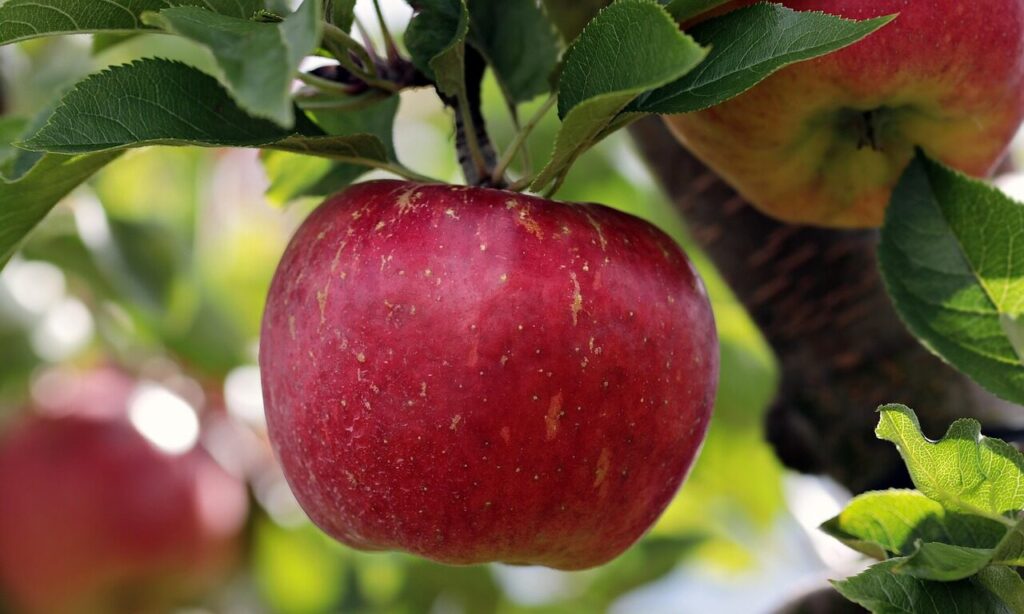
Common Diseases in Fruit Trees
| Disease | Fruit Trees Affected | Fix / Control |
|---|---|---|
| Apple Scab | Apples, crabapples | Remove fallen leaves, prune for airflow, apply fungicide in spring |
| Fire Blight | Apples, pears | Prune infected branches 8–12 in below damage, disinfect tools |
| Peach Leaf Curl | Peaches, nectarines | Apply copper fungicide in late fall or early spring |
| Brown Rot | Peaches, plums, cherries, apricots | Remove infected fruit, prune trees, apply fungicide during bloom |
| Cedar‑Apple Rust | Apples, crabapples | Remove nearby cedar/juniper hosts, apply preventive fungicide |
| Black Knot | Plums, cherries | Prune infected branches 6–8 in below knot and destroy them |
| Powdery Mildew | Apples, peaches, cherries | Improve airflow, prune trees, apply sulfur or fungicide |
| Bacterial Canker | Cherries, plums, peaches | Prune infected wood during dry weather, improve tree health |
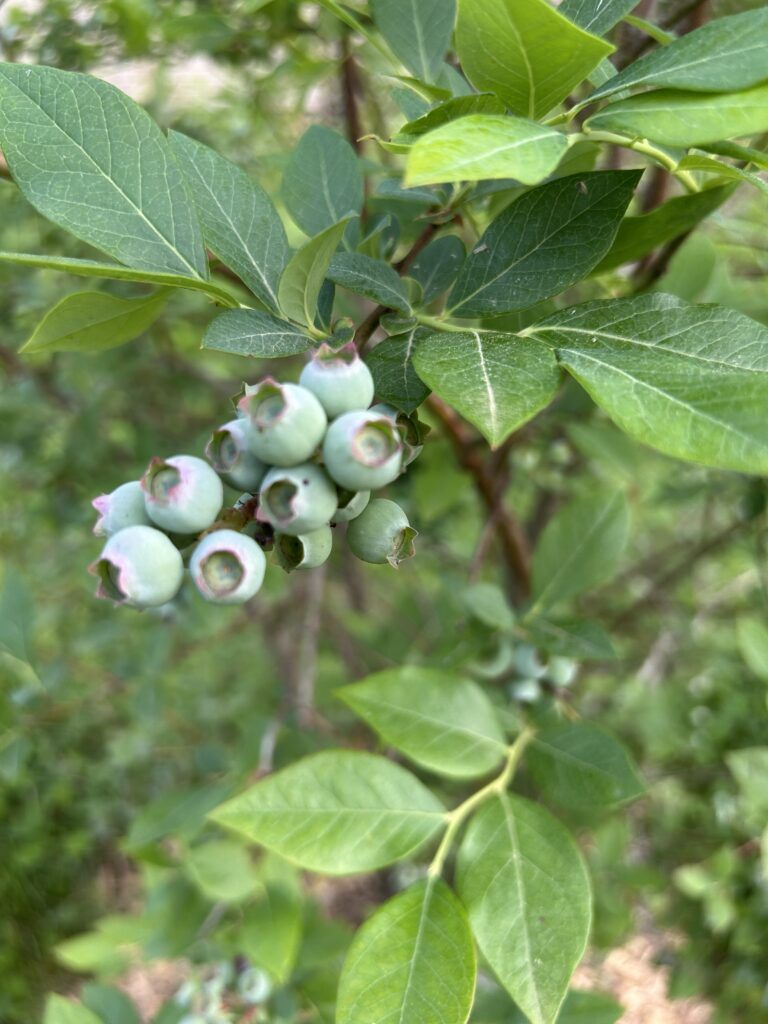
Common Diseases in Berries
| Disease | Berries Affected | Fix / Control |
|---|---|---|
| Powdery Mildew | Strawberries, blueberries, raspberries | Improve air circulation, remove infected leaves, apply sulfur or fungicide |
| Botrytis Fruit Rot | Strawberries, raspberries, blackberries | Remove infected fruit, reduce humidity, apply fungicide during bloom |
| Anthracnose | Strawberries, raspberries, blackberries | Use disease-free plants, remove infected canes, apply fungicide |
| Leaf Spot | Strawberries, blueberries | Remove infected leaves, avoid overhead watering, apply fungicide if severe |
| Root Rot | Strawberries, blueberries, raspberries | Improve soil drainage, avoid overwatering, plant resistant varieties |
| Cane Blight | Raspberries, blackberries | Prune and destroy infected canes, improve spacing and airflow |
| Rust | Raspberries, blackberries | Remove infected plants or leaves, improve airflow, apply fungicide |
| Phytophthora Root Rot | Strawberries, raspberries | Plant in raised beds, improve drainage, use resistant varieties |
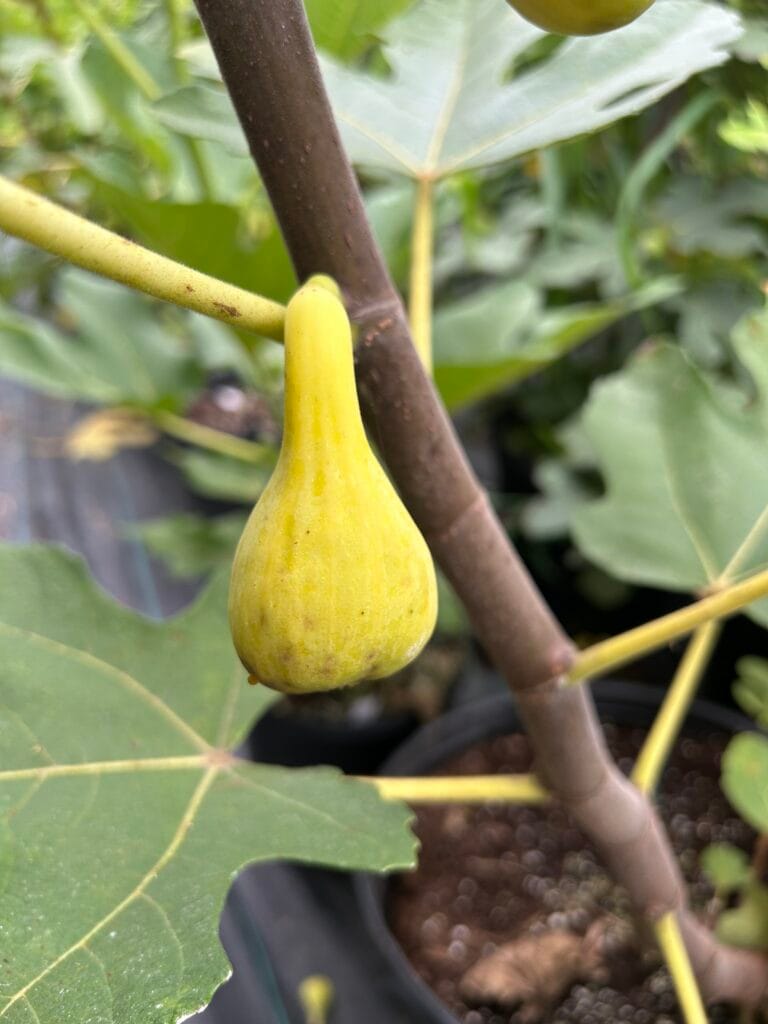
Fig Mosaic Virus (FMV)
Fig Mosaic Virus (FMV) is a viral disease that infects fig trees, especially common figs
What It Does
The virus disrupts normal leaf and fruit development. Many fig trees carry the virus, but symptoms can vary from mild to severe.
Common Symptoms
Yellow or light green mosaic patterns on leaves
Leaf distortion or curling
Spots or blotches on leaves
Reduced fruit production
Smaller or misshapen fruit
How It Spreads
The main carrier is the Fig Bud Mite, a tiny mite that feeds on fig buds and spreads the virus from plant to plant. It can also spread through cuttings or grafting from infected trees.
Is There a Cure?
There is no cure for the virus itself, but you can manage it:
Management / Fix
Plant virus-free fig trees from reputable nurseries
Control fig bud mites with horticultural oil or dormant oil sprays
Prune heavily infected branches
Keep trees healthy with proper watering and nutrients
Important Note
Many fig trees with this virus still produce good fruit, especially if the infection is mild.
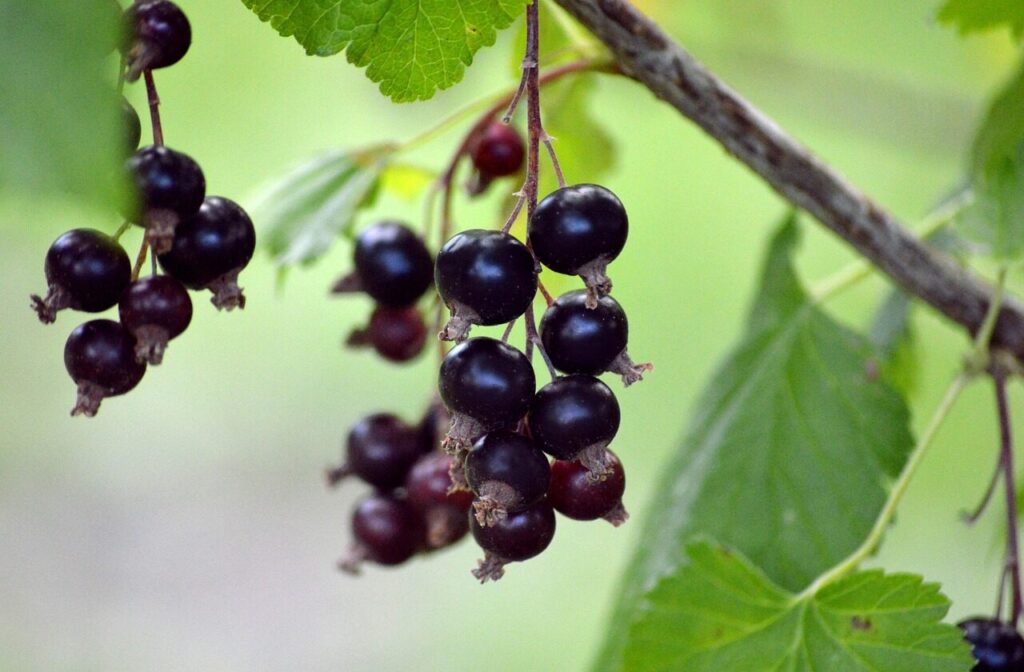
White Pine Blister Rust
White Pine Blister Rust is a fungal disease that affects white pine trees and currant/gooseberry plants. It requires two different host plants to complete its life cycle.
Plants Involved
The disease alternates between:
Eastern White Pine and other five-needle white pines
Ribes (currants and gooseberries)
Because of this relationship, currants were historically banned in many areas to protect white pine forests.
How the Disease Works
The fungus infects currant or gooseberry leaves first.
Spores from those plants travel through the air.
The spores infect white pine needles and branches.
The infection forms blisters or cankers on pine bark, which can eventually kill the tree.
Symptoms
On Currants/Gooseberries
Yellow or orange spots on leaves
Powdery orange spores on the underside of leaves
On White Pine
Swollen areas or cankers on branches
Orange blisters on bark
Branch dieback and sometimes tree death
Fix / Management
Remove infected currant or gooseberry plants near white pines (usually within 900–1,000 ft if possible)
Prune infected pine branches early before the canker reaches the trunk
Plant resistant white pine varieties
Grow disease-resistant Ribes varieties
Notes
In 1911, the U.S. banned currants and gooseberries.
The reason was the fungal disease White Pine Blister Rust, which spreads between currants and white pine trees and can kill the trees.
Because white pine was very important for the lumber industry, millions of currant plants were destroyed.
Current situation (today)
The federal ban was lifted in 1966.
Now each state makes its own rule
Currants are legal in most of the United States now, but local or state rules may apply.