Complete Guide to Growing Apple Trees
1. Choosing the Right Apple Variety
Key Factors to Consider:
Chill Hours: Most apples require 500–1,000+ chilling hours (below 45°F).
Pollination: Most apple trees need a second, compatible variety for cross-pollination.
Climate: Pick varieties adapted to your USDA Zone.
2. Selecting a Tree Type
Standard (20–30 ft): Large, long-lived, but needs space.
Semi-dwarf (12–15 ft): Good size for backyard orchards.
Dwarf (8–10 ft): Compact, early fruiting, needs support.
For most gardeners: Semi-dwarf or dwarf trees are ideal for manageable size and quicker fruit.
Popular Varieties by Zone:
Zone 5
| Apple Variety | Fruit Traits / Flavor / Use | Why Good for Zone 5 / Notes |
|---|---|---|
| Honeycrisp | Very crisp, juicy, sweet-tart flavor — excellent for eating fresh, salads, baking. | Cold-hardy (zones 3–8), handles Zone 5 winters well. |
| McIntosh | Tender, juicy flesh; good for fresh eating, apple sauce, cider, and cooking. | Hardy to at least zone 4 — a safe bet for Zone 5. |
| Cortland | Sweet-tart, juicy apples; flesh resists browning — good for fresh eating, salads, cooking. | Well-suited to colder zones, tolerates Zone 5 winters. |
| Gala | Mild to moderately sweet, crisp and pleasant — great for fresh eating and snacking. | Grows well in zones 4–8 including Zone 5. |
| Pink Lady (Cripps Pink) | Crisp, slightly tart to sweet — good for eating fresh, salads, baking. | Listed among varieties that do fine in Zone 5. |
| Ashmead’s Kernel | Rich, complex flavor — excellent for eating fresh, baking, or cider. | Recommended among less common, but zone-adapted varieties for Zone 5. |
| Akane | Small to medium fruit with bright flavor — nice balance of sweet/tart; good for fresh eating or cooking. | Adaptable to zones 5–9; a reliable producer even under variable conditions. |
| Honeygold | Sweet, mildly tart flavor; good for fresh eating, baking, sauces — versatile apple. | Bred for cold-hardiness, suitable for northern climates including Zone 5. |
Zone 6
| Apple Variety | Fruit Traits / Flavor / Use | Why Good for Zone 6 / Notes |
|---|---|---|
| Honeycrisp | Very crisp, juicy, sweet-tart flavor — great for fresh eating, salads, baking, even cider. | Cold-hardy and thrives in temperate zones like Zone 6. |
| Gala | Mild-sweet, lightly crisp apples — excellent for fresh eating and snacking. | Listed among top recommended apples for Zone 6. |
| Granny Smith | Tart, firm apples — ideal for pies, baking, sauces, and apples that hold up well in storage. | Well suited to Zone 6 climates; commonly recommended for temperate zones. |
| Honeygold | Sweet, gently tart, golden-colored apples — good for fresh eating, baking, sauces, pies. | Cold-hardy and performs well in temperate zones including Zone 6. |
| Braeburn | Balanced sweet-tart flavor, versatile — good fresh, baked, or cooked. | Recommended for Zone 6 (zones 5–8) — tolerant of moderate winters & summers. |
| Arkansas Black | Crisp, firm flesh with a distinct flavor; fruit stores well — good for eating, baking, long-term storage. | A good choice for Zone 6, needing chill hours and performing well in moderate climates. |
| Liberty | Sweet-tart apples, often disease-resistant — nice for fresh eating, cooking, general use. | Frequently recommended for Zone 6 due to disease resistance and adaptability. |
| Winesap (or similar traditional apples) | Rich, often slightly spicy or tart-sweet flavor — good for cider, cooking, baking, storage. | Known to do well in Zone 6 climates; a traditional reliable orchard apple. |
Zone 7
| Apple Variety | Fruit Traits / Flavor / Use | Why Good for Zone 7 / Notes |
|---|---|---|
| Fuji | Crisp, sweet-tart apples — great for fresh eating, baking, or cooking. | Late-season apple; does well in warmer summers and zone 7 climate. |
| Gala | Juicy, sweet, aromatic apples — excellent for fresh eating, salads, desserts. | Very adaptable; commonly recommended for zone 7 gardens. |
| Honeycrisp | Crisp, juicy fruit with sweet-tart flavor — great for eating fresh or baking. | Hardy and widely recommended across zones including 7. |
| Granny Smith | Tart, firm, crisp apples — ideal for pies, sauces, baking; some enjoy fresh tart taste. | Tolerates zone 7 conditions; useful for cooking/baking due to firm flesh. |
| Golden Delicious | Sweet, mellow flavor; versatile — good for fresh eating, cooking, baking, sauces. | Classic, widely grown apple that does well in zone 7 climates. |
| Arkansas Black | Firm, dark-skinned apples with good flavor and good storage potential — good for eating, cooking, storing. | Known to adapt well to warmer zone-7-type climates; suited for zone 7 orchards. |
| Akane | Flavorful, small-to-medium apples — balanced sweet-tart taste; good for eating or cooking. | Listed among apples “suitable for zones 5–9,” including zone 7. |
| Cortland | Juicy, sweet-tart apples, flesh stays white (doesn’t brown quickly) — good for fresh eating, salads, cooking. | Hardy across a broad range (zones 3–8), so zone 7 is well within its comfort zone. |
Zone 8
| Apple Variety | Fruit Traits / Flavor / Use | Why Good for Zone 8 / Notes |
|---|---|---|
| Gala | Crisp, juicy, sweet-tart; good for fresh eating, salads, cooking. | Adaptable and widely recommended for Zone 8; handles warmer climates with moderate chill requirements. |
| Fuji | Very sweet, crisp, long-keeping apples — good fresh or for storage, baking, preserves. | Listed among apple varieties suited to Zone 8; performs well in milder winters. |
| Golden Delicious | Sweet, mellow flavor; versatile for fresh eating, cooking, baking, sauces. | Commonly grown in Zone 8; tolerant of the climate and soil conditions typical there. |
| Anna | Medium-sized apples, sweet with a bit of tartness; good for fresh eating and general orchard use. | Heat-tolerant and bred for warmer climates; needs fewer chill hours so suitable in Zone 8. |
| Dorsett Golden | Early-season apples, sweet-tart flavor; good fresh, for cooking or preserving. | Heat-tolerant, low chill-hour requirement — a strong choice for warm Zone 8 or mild-winter areas. |
| Granny Smith | Tart, firm, crisp apples — great for pies, baking, sauces, storage; also eatable fresh if you like tart. | Often listed among apple varieties that can thrive in Zone 8 when given proper care. |
| Ein Shemer | Medium-sized apples, sweet-to-tart flavor, usable fresh or cooked; suitable for smaller gardens. | Developed for warm climates (even zone 9) with low chill-hour needs — very good for Zone 8 gardeners concerned about mild winters. |
3. Planting Apple Trees
Best Time to Plant:
Dormant season: Late winter to early spring (Zones 3–7)
Fall planting: OK in Zones 8–9 with mild winters
Location & Spacing:
Full sun (6–8 hrs/day)
Well-drained soil (loamy is ideal)
Spacing:
Dwarf: 8–10 ft apart
Semi-dwarf: 12–15 ft
Standard: 18–25 ft
How to Plant:
Dig a hole twice as wide as the root ball but no deeper.
Place the tree so the graft union is 2–4 inches above the soil.
Backfill with native soil (no fertilizer yet).
Water thoroughly and mulch (keep mulch away from trunk).
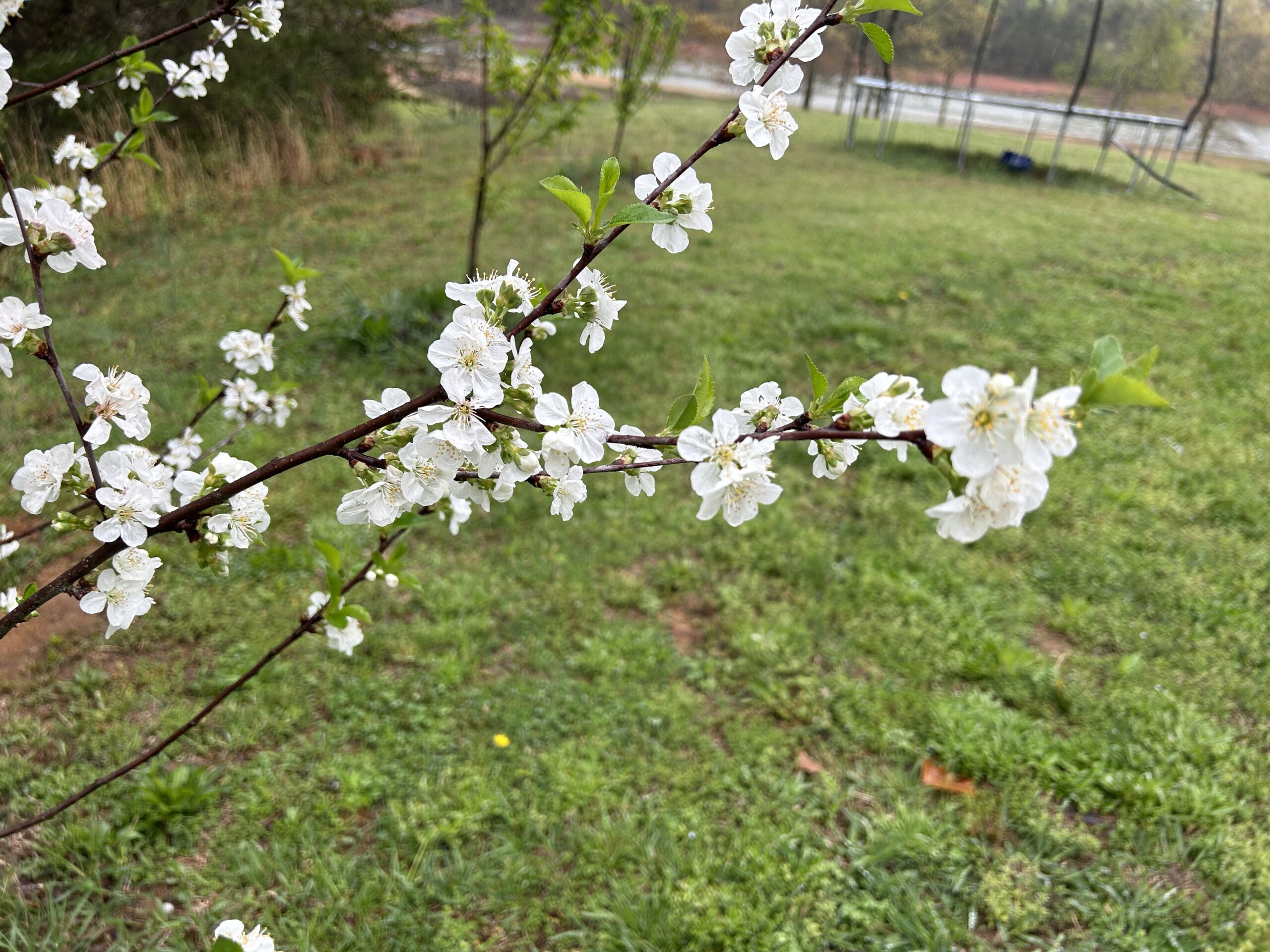
4. Apple Pollination Compatibility Chart
Apple trees are not self-pollinating, with few exceptions.
Pollination Groups (Bloom Times)
Group A — Early Bloomers
Group B — Early/Mid Bloomers
Group C — Mid Bloomers
Group D — Mid/Late Bloomers
Group E — Late Bloomers
Apple Variety Pollination Chart
| Apple Variety | Bloom Group | Pollinates With | Notes |
|---|---|---|---|
| Gala | B | A, B, C | Very reliable pollinator for many varieties. |
| Fuji | C | B, C, D | Needs a different mid-season pollinator. |
| Honeycrisp | B | A, B, C | Good all-around pollinator; not self-fruitful. |
| Granny Smith | C | B, C, D | Heavy bloom; good for baking apples. |
| Golden Delicious | B | A, B, C | Partially self-fertile, but yields more with a partner. |
| Red Delicious | C | B, C, D | Cannot pollinate some triploid apples. |
| McIntosh | B | A, B, C | Strong mid-season pollinator. |
| Cortland | B | A, B, C | Good for cool climates; reliable bloom. |
| Arkansas Black | D | C, D, E | Late bloomer; needs a late partner. |
| Pink Lady (Cripps Pink) | D | C, D, E | Requires long growing season. |
| Braeburn | C | B, C, D | Excellent mid-season pollination partner. |
| Anna | A | A, B | Low-chill apple for warm zones. |
| Dorsett Golden | A | A, B | Good partner for Anna in warm climates. |
| Jonagold (Triploid) | C | Needs two different varieties | Cannot pollinate others; needs two partners. |
| Mutsu (Crispin) (Triploid) | C | Needs two different varieties | Requires two pollinators nearby. |
Quick Pollination Rules
Apples need a different variety that blooms around the same time.
Varieties within the same group or one group apart are compatible.
5. Care & Maintenance
Watering:
Deep watering 1–2 times/week for young trees
Mature trees: Less frequent, but deep
Annual Apple Tree Fertilizing Chart
| Season / Month | Young Trees (1–3 yrs) | Mature Trees (4+ yrs) | Notes |
|---|---|---|---|
| Early Spring (before bud break) | Apply balanced fertilizer (10-10-10) | Apply nitrogen-heavy fertilizer (e.g., 21-0-0) | Main feeding of the year; apply when soil is workable. |
| Mid–Spring (after bloom) | Light nitrogen boost if growth is weak | Optional light nitrogen boost | Skip if tree had strong spring growth. |
| Early Summer (June) | Apply last light feeding | Apply ONLY if tree is low vigor | Stop fertilizing after June to avoid soft fall growth. |
| Late Summer (July–Aug) | Do NOT fertilize | Do NOT fertilize | Late feeding causes winter damage. |
| Fall (Sept–Oct) | No fertilizer | No fertilizer | Instead, add compost around dripline if desired. |
| Winter | No fertilizer | No fertilizer | Trees are dormant. |
How Much Fertilizer to Use
Young trees:
½ cup of 10-10-10 per year of age (max ~2 cups).
Mature trees:
1–2 lbs of actual nitrogen per year (check fertilizer label).
Optional Organic Options
| Time | Organic Fertilizer | Notes |
|---|---|---|
| Early Spring | Compost, aged manure | Builds soil structure. |
| Early Spring | Blood meal or feather meal | Slow-release nitrogen. |
| May–June | Fish emulsion | Good gentle boost. |
Pruning:
Time: Late winter (dormant)
Goal: Open center or central leader shape
Remove:
Dead/diseased wood
Crossing branches
Vertical “water sprouts”
Thinning Fruit:
Thin apples to 1 fruit per cluster, spaced 6–8 inches apart
Reduces limb breakage and improves fruit size/quality
6. Pest & Disease Management
| Problem | Symptoms | Solution |
|---|---|---|
| Apple Scab | Dark, sunken spots on leaves/fruit | Use resistant varieties, apply fungicide |
| Codling Moth | Worms in fruit, small holes | Traps, Bt spray, bagging fruit |
| Aphids | Sticky leaves, curled tips | Neem oil, insecticidal soap |
| Fire Blight | Black, shriveled blossoms | Prune affected areas, copper spray |
| Deer/Rodents | Bark damage, eaten fruit | Fencing, trunk guards |
Common & Effective Apple-Tree Sprays: What They Are, What They Do
| Spray Type / Product Type | What It Controls / Best Use | Pros / Cons |
|---|---|---|
| Dormant / Horticultural Oil (e.g. “dormant oil”) | Overwintering eggs, scale insects, some mites — insects/pests that hide over winter or early spring. | — Good early-season preventative.— Especially useful if you had insect problems previous year. — Must spray before bud break; not effective against active pests later. |
| Neem-Oil / Plant-Derived Oil Sprays (organic) | Aphids, mites, leaf-rollers, some fungal issues like mildew; gentle insect/fungus control. | — OMRI-listed / organic-friendly.— Safer for pollinators & people.— Often slower acting; may require repeated sprays. |
| Biological / Natural Insecticides (e.g. Spinosad, Bt [Bacillus thuringiensis]) | Caterpillars, larvae (e.g. codling moth, leaf-rollers), other chewing pests. | — Targets pests without broad-spectrum collateral damage.— Often safer for beneficial insects if used properly. |
| Fungicide Sprays (e.g. sulfur, copper-based, conventional fungicides) | Preventing or controlling fungal/bacterial diseases: scab, mildew, rust, fire-blight, leaf-spot, etc. | — Crucial in wet or humid climates where fungal disease is common.— Must follow timing & do not mix certain sprays (e.g. sulfur after oil). |
| Standard Insecticides / Broad-Spectrum Sprays (chemicals like pyrethroids, carbaryl, etc.) | Heavy infestations: codling moth, apple maggot, plum curculio, stink bugs, many pests. | — Powerful, fast acting.— Often more toxic; may harm beneficial insects, pollinators; must follow pre-harvest intervals carefully. |
General Spray-Type Timing Chart (for Home Apple Trees)
| Growth Stage / Time of Year | Recommended Spray Type(s) / Use |
|---|---|
| Dormant (late winter / before bud break) | Dormant oil — smothers overwintering eggs, scale, mites. |
| Early Spring (bud break / green tip / before bloom) | If needed: fungicide (e.g. copper/sulfur) for disease prevention. |
| Post-Bloom / Petal Fall → Early Fruit Development | Neem oil / biological insecticide (Spinosad/Bt) to target caterpillars, aphids, early pests. Fungicide if mildew/scab is a concern. |
| Mid-growing Season (Summer) | Monitor pests; if infestation shows, use targeted spray (insecticide, neem, or soap/oil). For disease-prone climates, fungicide as needed (but follow label and compatibility rules). |
| Late Summer → Pre-Harvest | Avoid heavy sprays late — minimize risk of residue or damage. If needed, mild treatments (e.g. oil for mites, light insecticidal soap) early in season; avoid harsh chemicals close to harvest |
| After Harvest / Fall Cleanup | Remove fallen fruit/leaves, sanitize — may not need sprays. Dormant-oil + fungicide before winter if pests/diseases were heavy. |
Your Goals & Situation
If you want organic, pollinator-friendly, low-toxicity — go with neem-oil, horticultural oil, biologicals (Spinosad/Bt), and fungicides like sulfur or copper for diseases.
If you deal with heavy infestations or persistent pests, sometimes targeted insecticides or broad-spectrum sprays are more effective — but need careful timing & care to avoid harming beneficial insects or risking residue.
Timing matters a lot — e.g. dormant oils before bud break; avoid spraying during bloom (to protect bees); watch heat when using oils (they can burn leaves if too hot).
Good sanitation + monitoring (traps, picking up fallen fruit, pruning) plus sprays usually give the best overall results.
Harvesting Apples
| Sign of Ripeness | Notes |
|---|---|
| Firm fruit, full color | Check variety-specific color guides |
| Seeds are brown (not white) | Cut one open to check |
| Fruit comes off easily when lifted | Twist upward gently |
| Taste test! | Sweetness develops last |
Storage apples (e.g., Fuji, Granny Smith): Store in a cool, dark place for weeks to months
Fresh-eating apples (e.g., Gala, Honeycrisp): Best eaten within a few weeks
Bonus: Tips for Success
Plant two varieties within 50–100 ft for cross-pollination.
Use mulch to retain moisture and suppress weeds.
Apply tree guards to prevent sunscald and critter damage.
Monitor for pests weekly during fruit development.
Prune every year, even mature trees, to maintain health and yield.
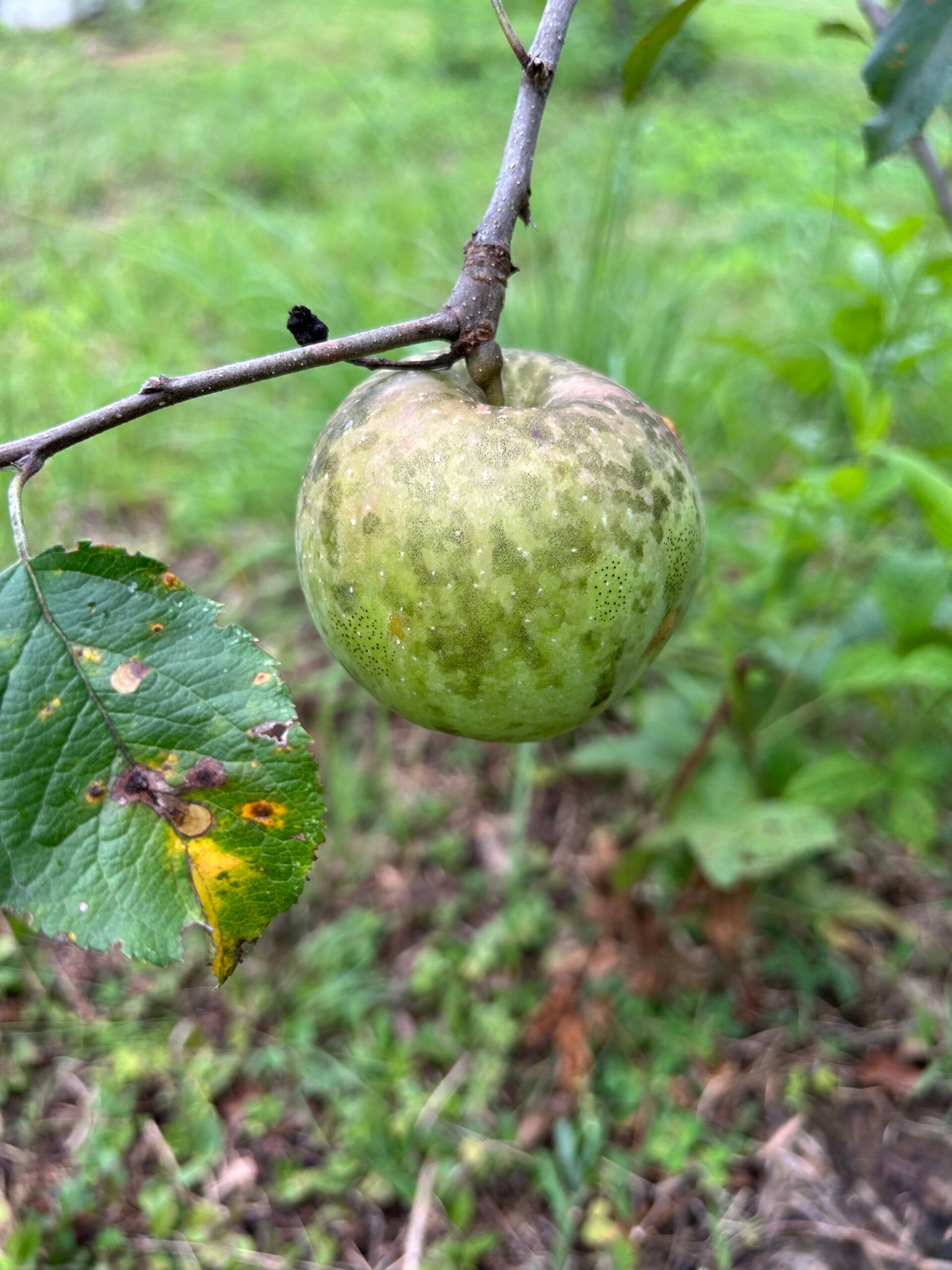
Apple trees are a perfect fit for a hobby farm because they’re easy to grow, don’t require a ton of space, and give you something useful year after year. Once an apple tree is established, it pretty much takes care of itself with just seasonal pruning and a little fertilizing. They’re hardy, long-lived, and adaptable to a wide range of climates, which means you can count on them as a steady producer. Plus, apples store well, so the fruit you pick in late summer or fall can last you deep into the winter—something not many fruits can offer.
They also add real value beyond just eating the apples. Apple blossoms bring in pollinators like bees and butterflies, helping the rest of your garden or orchard thrive. The trees provide shade, beauty, and a classic “farmstead” feel to your property. And if you’re the DIY type, apples open the door to tons of projects—cider making, baking, canning, dehydrating, even making your own vinegar. Growing apple trees on a hobby farm isn’t just practical; it’s genuinely rewarding and makes your little farm feel complete.