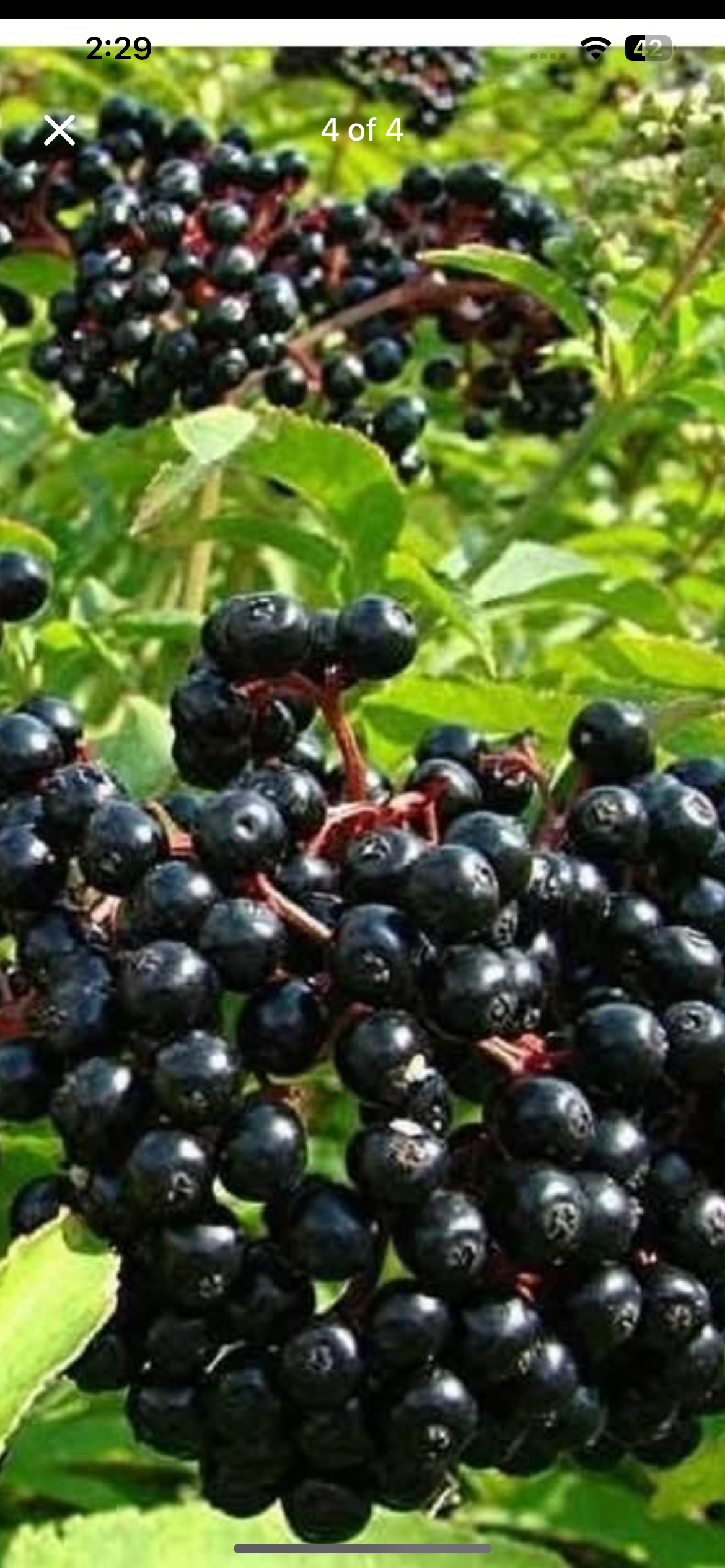
Elderberries can be worth growing, but whether they’re worth it for you depends on your goals, space, and willingness to manage them. I personally find elderberries very easy to grow in east Tennessee. I mainly grow the dwarf varieties and I have some in pots and in the ground.
Why Elderberries Are Worth Growing
1. Health Benefits & Nutritional Value
- Rich in antioxidants, vitamin C, and immune-boosting compounds.
- Often used in syrups, jams, wine, and teas.
2. High Yield
- A mature elderberry bush can produce 12–15 pounds of berries per year.
- Some varieties are very prolific and reliable once established.
3. Low Maintenance (Once Established)
- Native to many regions (especially Sambucus canadensis in North America).
- Tolerant of poor soils, drought, and wet conditions.
- Attracts pollinators and supports wildlife.
4. Ornamental Value
- Beautiful white flower clusters in early summer.
- Dark purple berries in late summer/early fall.
- Can serve as a hedge or privacy screen.
5. Profit Potential
- If you’re into homesteading or small farming, elderberry products (syrups, tinctures, wines) can be sold for a decent profit.
Why Elderberries Might Not Be Worth It
1. Harvesting Can Be Tedious
- Berries are small and delicate, and need to be de-stemmed before use (stems and unripe berries are toxic).
- Birds love them and may get to them first unless netted.
2. Need Multiple Plants for Best Yields
- While some varieties are self-pollinating, most perform better with cross-pollination—so plan for 2+ bushes.
3. Short Fresh Shelf Life
- Elderberries go bad quickly after picking, so they must be frozen, dried, or processed soon.
4. Processing Required
- Raw elderberries and other plant parts contain cyanogenic glycosides, which can cause nausea if consumed unripe or raw in large amounts.
- Always cook or properly process them.
Elderberries Uses
- You want a natural medicinal plant in your garden.
- You enjoy DIY food projects (jams, syrups, wine).
- You’re building a pollinator- or wildlife-friendly garden.
- You want a low-maintenance hedge with edible benefits.
.
Right Variety for Your Area
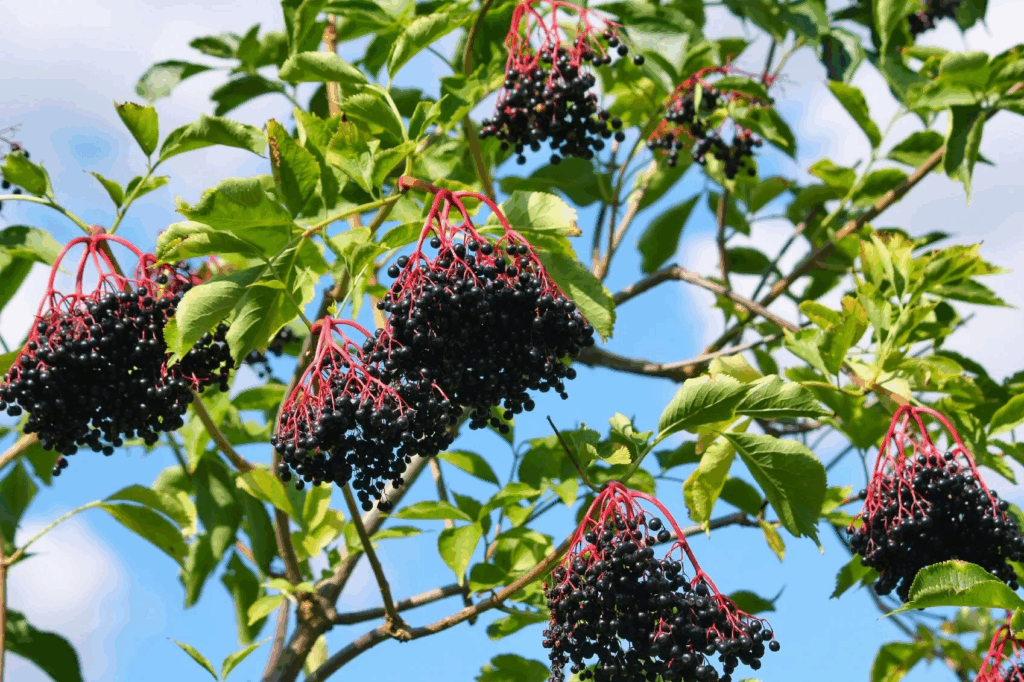
American Elderberry Varieties
Native to North America – best choice for most U.S. growers (zones 3–9).
| Variety | Best For | Notes |
|---|---|---|
| ‘Adams’ (Adams 1 & 2) | General use (juice, jelly, wine) | Old, reliable variety. Vigorous growth. Needs a pollinator. |
| ‘York’ | Largest berries | Productive and good for fresh processing. Excellent pollinator for ‘Adams’. |
| ‘Bob Gordon’ | High yield, syrup, juice | Upright grower with heavy clusters that bend downward to resist bird damage. Great for warmer regions. |
| ‘Wyldewood’ | High yield, medicinal use | Strong upright growth. One of the top producers. Very disease-resistant. Good for juice/syrup. |
| ‘Ranch’ | Small spaces, container-friendly | Compact bush, early ripening. Useful as a pollinator. |
| ‘Nova’ | Self-fertile | Medium yields, compact size, good in colder zones. Use another variety nearby for best results. |
| ‘Johns’ | Juice, large clusters | Vigorous and productive, with larger berries than most wild types. |
European Elderberry Varieties
Best for more temperate climates (zones 5–8), often grown in Europe for commercial production or ornamental appeal.
| Variety | Best For | Notes |
|---|---|---|
| ‘Haschberg’ | Commercial syrup/wine | Popular Austrian variety. Large berries, rich flavor. Needs a pollinator. |
| ‘Samdal’ | Industrial use | Danish cultivar with high yields, disease-resistant. Needs cross-pollination. |
| ‘Samyl’ | Aroma-rich flowers, syrup | Danish variety with strong elderflower scent. Often paired with ‘Samdal’. |
| ‘Black Lace’ | Ornamental | Deep purple, lacy foliage with pink flowers. Edible berries but less productive. |
| ‘Black Beauty’ | Ornamental | Deep black foliage, pink flowers. Decorative but with edible fruit (lower yield). |
Quick Tips for Choosing
- For fruit yield: Go with Bob Gordon, Wyldewood, or Haschberg.
- For syrup/wine: York, Haschberg, Samdal.
- For small spaces: Ranch or Nova.
- For elderflower use: Samyl or ornamental types like Black Lace.
- Want native + productive: Adams + York or Bob Gordon + Wyldewood combo.
The Right Location
Elderberries are pretty forgiving, but they’ll thrive in the right spot:
| Need | Details |
|---|---|
| Sun | Full sun (6+ hours) = best yields. Can tolerate partial shade. |
| Soil | Moist, well-drained. They like rich, loamy soils but will grow in clay. |
| Water | Moderate to high. Water well during the first 1–2 years. |
| Spacing | Plant bushes 6–10 feet apart. They spread via suckers! |
Consider a fence line, food forest edge, or property border—elderberries make great natural screens.
Maintenance Tips
- First year: Water deeply, mulch to suppress weeds.
- Prune annually in late winter to remove old wood (berries form on new shoots).
- Netting: Protect from birds when berries start to ripen.
- Fertilizing: Optional—use compost or a balanced fertilizer in spring.
Optional Extras
- Companion plants: Elderberries do well with herbs (like yarrow or lemon balm), bee-friendly flowers, or nitrogen fixers (like clover).
- Pests/diseases: Generally minimal, though watch for aphids or borers.
What I grow, Marge
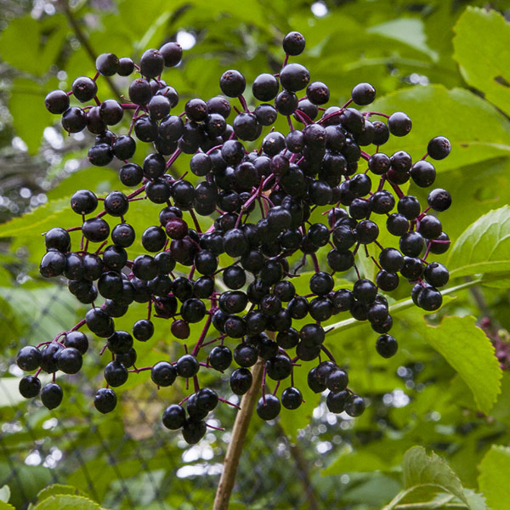
I have about 20 Marge elderberries. Marge is a hybrid elderberry cultivar, combining American and European genetics. This unique blend delivers the cold hardiness and flavor of American types, and the large berries and yields associated with European varieties
Proven Performance & Research-Backed Success
A multi-year study across multiple Missouri locations revealed that ‘Marge’:
- Outperformed eight American elderberry genotypes in yield, vigor, and pest resistance.
- Produced three times the fruit yield at one site: ~1.89 kg per plant vs. ~0.65 kg for the next best American type.
- Exhibited later bud break, earlier flowering, larger berries, less damage from eriophyid mites, and superior drought resilience.
Key Traits & Growing Highlights
- Hybrid Advantage: Combines vigor and cold tolerance from American species with fruit size and yield of European types.
- Self-Fertile—but Even Better with Neighbors: Generally self-pollinating, though yields improve when grown near other elderberry varieties.
- Growth Habit: Upright, dense canes that rarely sucker—making it easier to prune and manage in tight rows.
- Fruit Production: Produces on second-year wood, typical of European types—plan for pruning accordingly.
- Cold Hardiness: Thrives in USDA Zones 3–7, with successful trials even in Zone 3 areas of northern climates.
- Resilience & Ease: Very disease-resistant; fewer pest and mite issues than many American varieties.
- Size & Yield: Reaches ~6–10 ft tall depending on conditions; heavy yields of large, flavorful berries ideal for jams, syrups, wines, tinctures, and more.
Growing Tips for Marge Elderberry
| Feature | Details |
|---|---|
| Light | Full sun to partial shade—6+ hours of sunlight maximizes yield. |
| Soil & Water | Prefers rich, well-draining soil. Water consistently in first two years; drought-tolerant once established. |
| Pruning | Remove older canes annually to promote new growth. Since fruit forms on second-year wood, plan cuts accordingly. |
| Mulching | Apply deep mulch to conserve moisture and protect roots, especially in winter. |
| Pollination | Self-fertile, but benefits from proximity to other elderberries for higher yields. |
| Harvest | Late summer. Harvest clusters once berries turn deep purple–black. Always cook before consuming. |
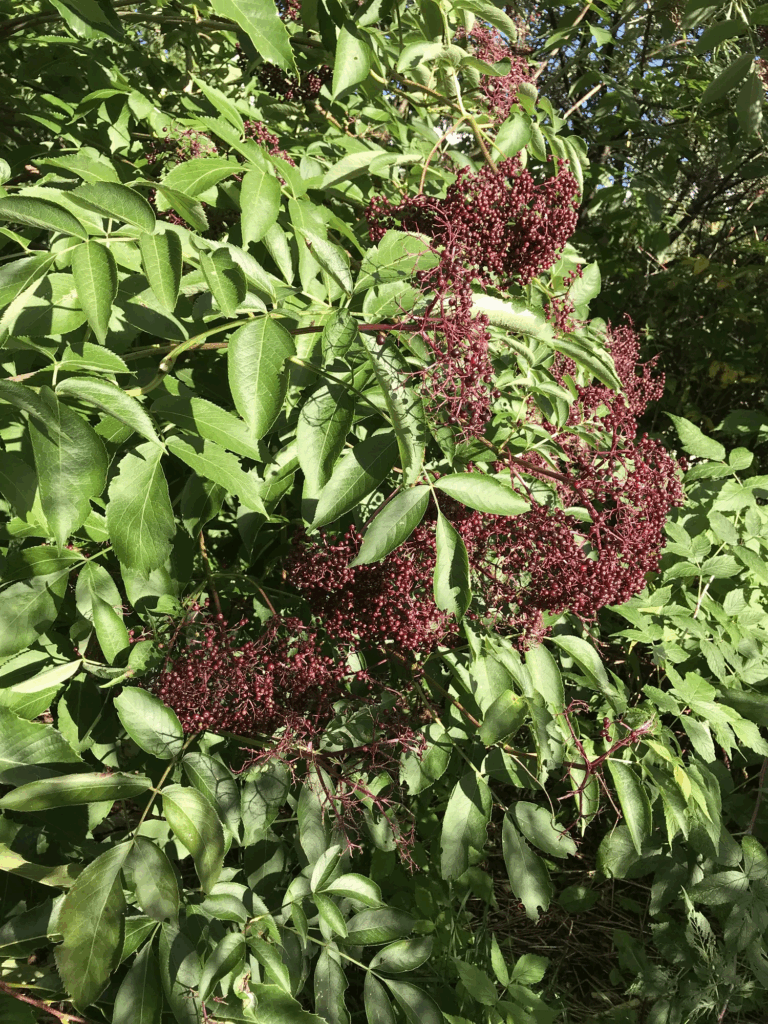
Easy Propagation
Propagating elderberries is easy and fast, especially because they root very well from cuttings. I think elderberries propagate easier than any other plant. The success rate is almost 100 percent. I even had one plant that was in the “junk” pile of old pots all winter and the next spring was growing and doing great.
3 Ways to Propagate Elderberries
Hardwood Cuttings (Most Common & Reliable)
Best done in late fall to early spring (dormant season).
What You’ll Need:
- Sharp pruners
- Rooting hormone (optional but helpful)
- Containers or garden bed
- Moist soil or sand
How To:
- Take Cuttings:
- Use healthy, 1-year-old wood.
- Cut 8–10″ long pieces with at least 2–4 nodes (leaf/bud bumps).
- Make a flat cut at the bottom and a slanted cut at the top so you know which end is which.
- Dip in Rooting Hormone (optional).
- Plant:
- Bury the bottom 2–3 nodes in moist potting mix, compost, or directly in garden soil.
- Leave the top bud above the soil.
- Keep Moist:
- Water regularly. Roots usually form in 6–10 weeks.
- Transplant to final location once leafed out and well-rooted (usually by late spring).
Success Rate:
Very high, even without hormone.
Softwood Cuttings (Fast but Fussy)
Best done in early summer (June–July), when shoots are still flexible.
How To:
- Take 4–6″ cuttings from new green growth.
- Strip lower leaves; keep 1–2 at the top.
- Dip in rooting hormone and insert into sterile, moist soil mix.
- Keep under high humidity (like a humidity dome or plastic bag).
- Place in indirect light. Rooting takes 2–3 weeks.
Notes:
- More fragile and prone to drying out.
- Needs higher humidity and more attention than hardwood cuttings.
Suckers / Root Division
Elderberries often send up suckers (new shoots from roots), especially American varieties.
How To:
- In early spring or fall, dig up a sucker with attached roots.
- Cut it away from the mother plant.
- Replant in a prepared hole; water well.
Pros:
- Already has roots = instant plant.
- Works well for fast expansion.
The ‘Marge’ elderberry shines as a top-performing on my hobby farm. I will continue to grow these for years to come. Their cold hardiness and pest resistant makes them an easy pick and the exceptional yields and large favorable fruit is a no brainer.
Comments are closed