Complete Guide to Growing Boysenberries
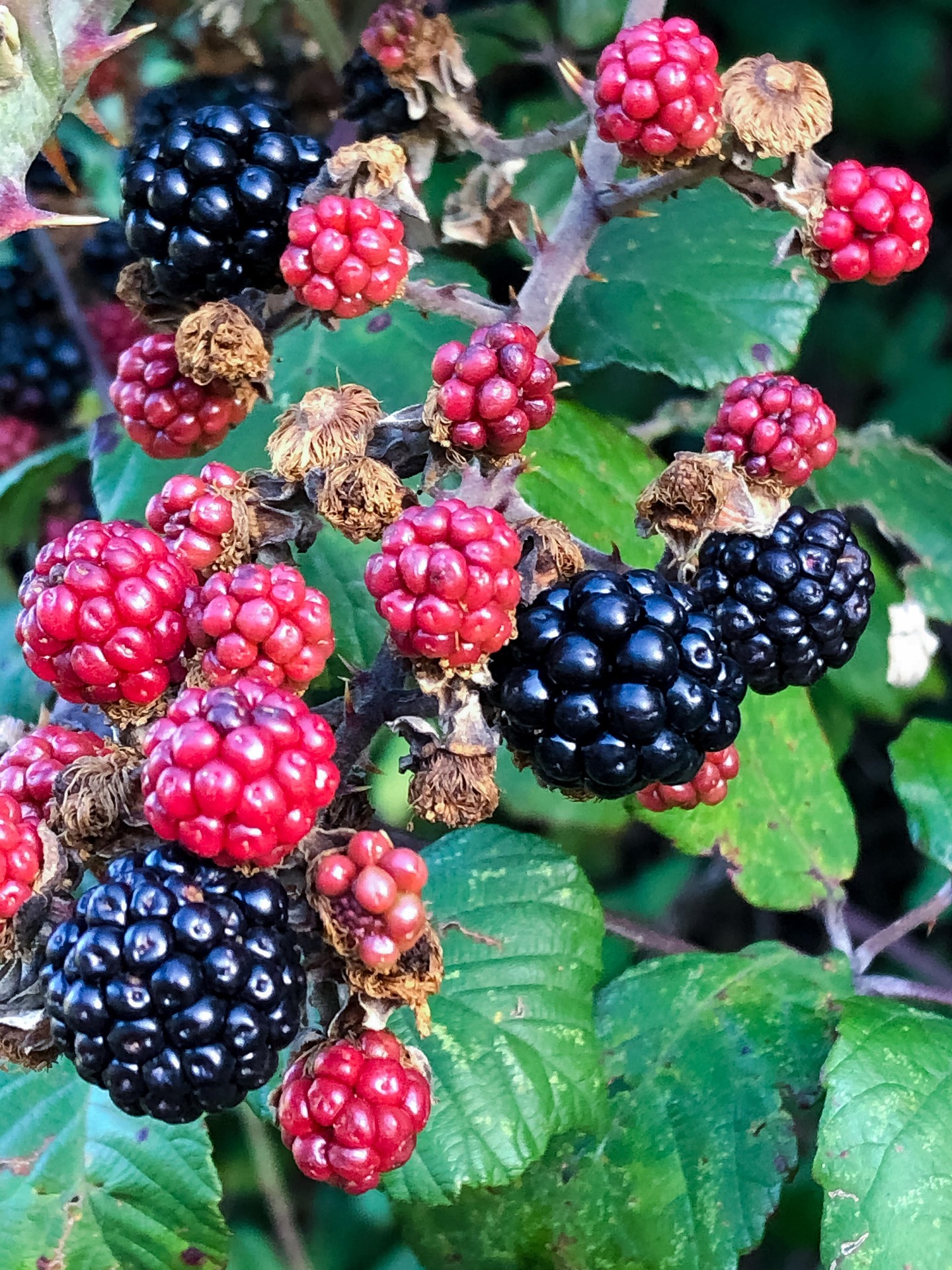
Boysenberries are a hybrid fruit, a cross between raspberries, blackberries, and loganberries. Known for their sweet-tart flavor and juicy, large berries, boysenberries are a delicious addition to any garden. They can be eaten fresh, used in desserts, or made into jams and jellies. Growing boysenberries requires attention to soil, temperature, care, and pruning, but with the right guidance, they are relatively easy to grow.
1. Choosing the Right Boysenberry Variety
Boysenberries are usually a single variety (the original hybrid), but there are different cultivars and hybrids that you may encounter. Look for one that suits your climate and the intended use (e.g., eating fresh, making jam, or for processing into juice or wine).
Common Cultivars:
Thornless Boysenberry: A newer, thornless variety that is easier to handle and harvest.
Standard Boysenberry: Traditional variety with thorns but is very productive and flavorful.
2. Site Selection and Soil Preparation
Boysenberries need a sunny spot and well-draining, fertile soil to thrive. Choosing the right planting site is crucial for the plants to establish and grow vigorously.
Sunlight:
Full Sun: Boysenberries need full sun for at least 6–8 hours per day to produce the best fruit. Without enough sunlight, the vines will not fruit well.
Soil:
Well-Drained Soil: Boysenberries dislike wet feet (roots sitting in water), so make sure the soil drains well. Sandy loam or loamy soil is ideal.
Soil pH: They prefer slightly acidic soil with a pH between 5.5 to 6.5. If your soil is too alkaline, you can amend it with sulfur or peat moss to lower the pH.
Amendment: Enrich the soil with organic compost or well-rotted manure to boost fertility. Well-nourished soil helps encourage healthy root growth and good fruit production.
Spacing:
Boysenberries are vining plants, so they need plenty of room to spread. Space plants about 3–4 feet apart and space rows 8–10 feet apart.
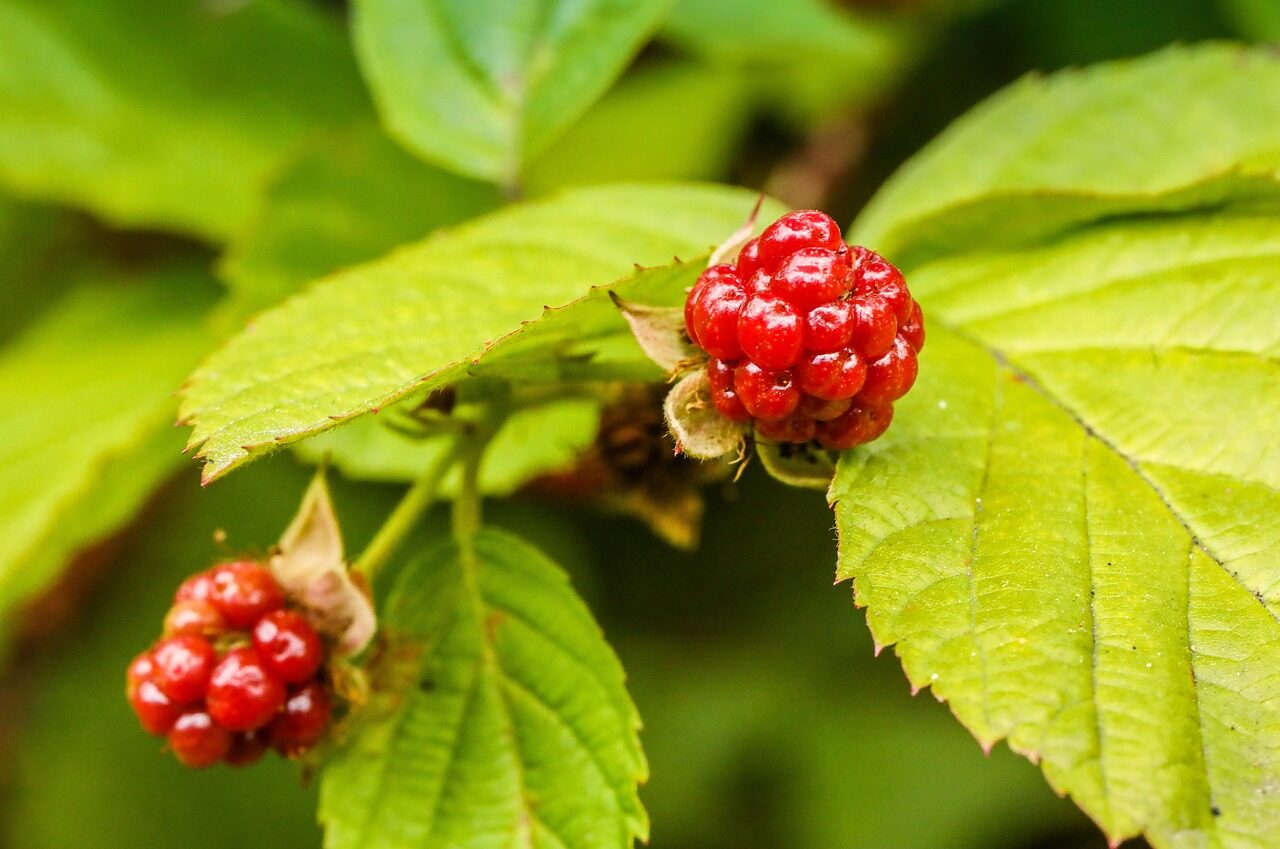
3. Top Boysenberry Varieties – Comparison Chart
| Variety | Thorned / Thornless | Growth Habit | Flavor | Hardiness | Key Features |
|---|---|---|---|---|---|
| Original Boysenberry | Thorny | Trailing | Sweet-tart, complex flavor | USDA Zones 6–9 | Classic variety developed by Rudolph Boysen; large fruit |
| Thornless Boysenberry | Thornless | Trailing | Milder than original | Zones 6–9 | Easier to handle, slightly lower yield |
| Boyneberry (confused with boysenberry) | Thornless | Trailing | Sweeter, raspberry-forward | Zones 5–8 | Sometimes misidentified; different hybrid |
| Brulee™ (Baby Cakes®) | Thornless (dwarf) | Bushy/dwarf | Very sweet, small size | Zones 4–9 (container) | Compact; good for pots or small gardens |
| Black Satin (Blackberry hybrid) | Thornless | Semi-erect | Mildly sweet | Zones 5–9 | Sometimes sold as a boysenberry-type |
| Loganberry (parent hybrid) | Thornless / Thorny | Trailing | Tart, raspberry-like | Zones 6–9 | Not a true boysenberry but very similar |
Best Boysenberry for Home Gardens
| If you want… | Choose |
|---|---|
| Classic, rich boysenberry flavor | Original or Thornless Boysenberry |
| Easy pruning and picking | Thornless Boysenberry |
| Compact / container-friendly | Brulee™ or similar dwarf type |
| Cold-hardy option | Loganberry or Boyneberry |
Should I choose boysenberries of blackberries
Boysenberry vs. Blackberry
| Feature | Boysenberry | Blackberry |
|---|---|---|
| Type | Hybrid (Blackberry × Raspberry × Loganberry) | True berry species (Rubus spp.) |
| Flavor | Rich, sweet-tart, wine-like flavor | Sweet, sometimes earthy or mild |
| Berry Size | Very large (up to 2″ long), oblong | Medium to large, round or oblong |
| Color | Deep maroon to almost black | Shiny black when ripe |
| Seed Texture | Few but noticeable seeds | Can have larger, harder seeds (depends on variety) |
| Thorns | Usually thorny; thornless varieties available | Available in both thorny and thornless forms |
| Growth Habit | Trailing canes (need trellis/support) | Erect or semi-erect (some self-supporting) |
| Harvest Time | Early to mid-summer (short window) | Summer to early fall (longer season, depending on type) |
| Cold Hardiness | Zones 6–9 (some struggle in cold winters) | Ranges from Zone 4 to 9 depending on variety |
| Disease Resistance | Susceptible to fungal issues (e.g. cane blight, root rot) | Generally more disease-resistant, especially newer types |
| Shelf Life | Very short – must be eaten or preserved quickly | Better shelf life – some varieties ship/store well |
| Popular Varieties | Original Boysenberry, Thornless Boysenberry, Brulee™ | Triple Crown, Natchez, Prime-Ark®, Chester, Arapaho |
| Productivity | Medium – often lower than blackberries | High – especially in thornless commercial varieties |
| Ease of Growing | Moderate – needs trellis and more care | Easier – many erect types need little support |
Which Should You Choose?
| You Want… | Go With… |
|---|---|
| Best flavor for pies, syrups, or wine | Boysenberry |
| Easy, high-yield backyard berry | Blackberry (e.g., Triple Crown) |
| Cold-hardiness for Zone 5 or colder | Blackberry (e.g., Chester, Arapaho) |
| Thornless, low-maintenance bush | Thornless Blackberry |
| Container or small-space growing | Compact Boysenberry (e.g., Brulee™) |
4. Planting Boysenberries
Boysenberries can be grown from bare-root or container-grown plants. Here’s how to plant them properly:
When to Plant:
Early Spring is the best time to plant boysenberries. Plant after the last frost date when the ground has warmed up. In some regions, you can also plant in the fall, especially in milder climates.
How to Plant:
Prepare the Soil: Till the soil to a depth of about 18 inches, and mix in compost or well-rotted manure to enrich the soil. Ensure the planting site drains well.
Dig the Planting Hole: For each plant, dig a hole large enough to accommodate the root system comfortably, about 18–24 inches deep.
Plant the Boysenberry:
Place the bare-root plant so that the crown (the point where the roots meet the stem) is at soil level.
For container-grown plants, plant them at the same depth they were in the pot.
Fill the hole with soil, gently firming it down around the roots to eliminate air pockets.
Water Thoroughly: After planting, water the plants deeply to settle the soil around the roots.
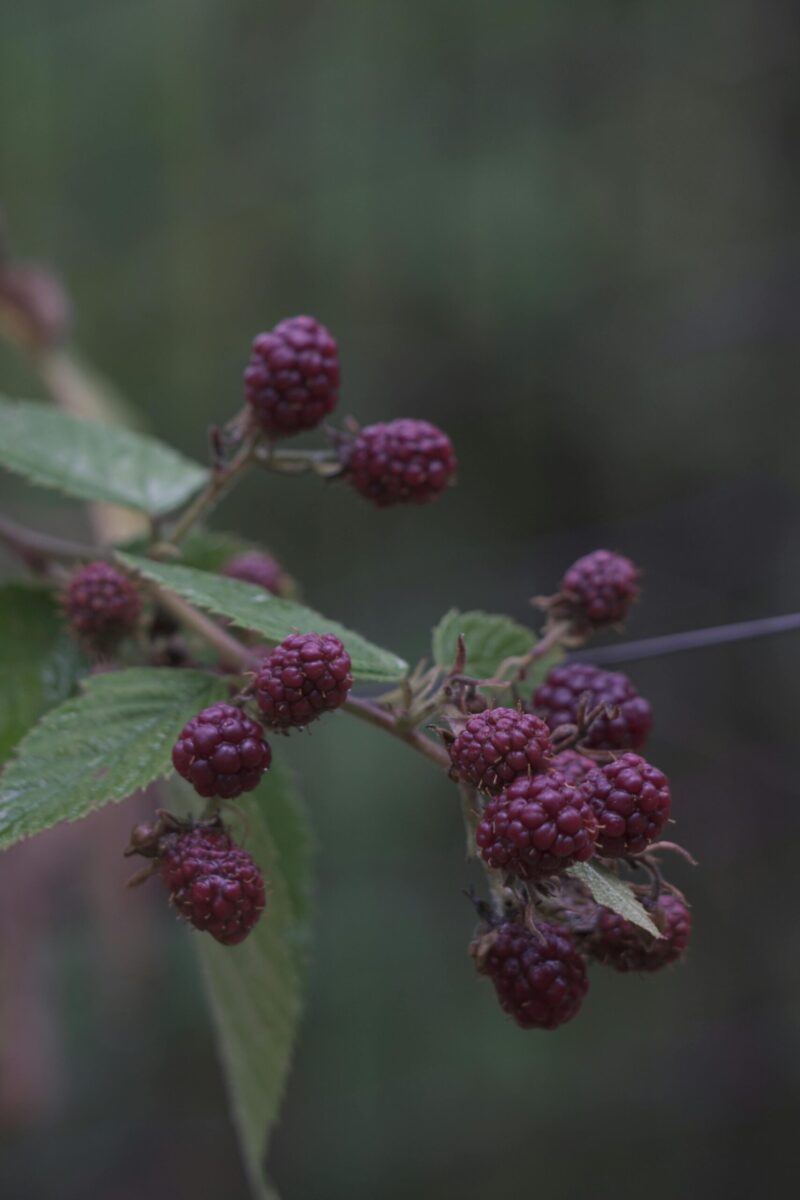
5. Caring for Boysenberries
Once planted, boysenberries require regular care to thrive. Below are the key factors to focus on:
Watering:
Boysenberries need consistent moisture but do not tolerate standing water. Ensure the soil is moist but well-drained. During dry spells, water regularly, but be careful not to overwater.
Use drip irrigation if possible to deliver water directly to the roots, reducing the risk of disease and water wastage.
Avoid watering the leaves and fruit directly, as wet conditions can lead to fungal diseases.
Mulching:
Mulch around the base of the plant with organic material like straw, wood chips, or shredded leaves. This helps conserve moisture, suppress weeds, and regulate soil temperature.
Be careful not to pile mulch up around the crown of the plant, as this can cause rot.
Fertilizing:
Fertilize in early spring before the growing season begins. A balanced, slow-release fertilizer or organic compost is best for feeding boysenberries.
Boysenberries are not heavy feeders, so avoid over-fertilizing. High nitrogen levels can lead to excessive leaf growth at the expense of fruit production.
Use a low-nitrogen fertilizer or compost in late spring to promote flowering and fruiting.
General Fertilizer Guidelines for Boysenberries:
Type: Use a balanced fertilizer like 10-10-10, or one with slightly more nitrogen (e.g., 16-16-8), or an organic option like well-rotted compost or fish emulsion.
Amount: Typically 2–4 pounds of 10-10-10 per 100 feet of row per application.
pH: Keep soil pH between 5.5 and 6.5 for optimal uptake.
Fertilizer Schedule
Year 1 (Planting Year):
Early Spring (before planting): Mix compost or aged manure into the soil. You can also apply a balanced fertilizer like 10-10-10.
4–6 weeks after planting: Apply a light dose of nitrogen (e.g., ammonium sulfate or blood meal). Don’t over-fertilize young plants.
Established Plants (Year 2 and beyond):
Early Spring (before new growth begins):
Apply half of the total annual fertilizer (e.g., 1–2 lbs of 10-10-10 per 100 ft of row).
This supports cane growth and flower formation.
Late Spring (May–June):
Apply second half
After Harvest (optional):
You can apply a light compost or organic mulch after harvest to replenish nutrients.
Avoid high-nitrogen fertilizers in late summer or fall to prevent soft, cold-susceptible growth.
Pruning:
Pruning is key to a productive harvest and healthy plants.
First Year: In the first year, focus on establishing the plant. Don’t let it bear fruit the first year, as this will sap energy from root and cane development. Trim off any flowers or fruit in the first season.
Ongoing Pruning: In subsequent years, prune boysenberries in late winter or early spring while the plant is still dormant:
Remove dead or damaged canes.
Cut back old canes (those that bore fruit the previous year) to ground level. These will not fruit again.
Trim new canes that have grown too long, keeping them manageable and allowing air to circulate.
Train canes to grow along a trellis or wire support system. This keeps them off the ground, improving airflow and preventing diseases.
Training the Vines:
Boysenberries are vining plants and require a support system to grow properly. Use a trellis, fence, or wire system to keep the canes upright and encourage vertical growth.
Vertical growth helps maximize sun exposure, keeps the fruit off the ground (reducing disease risk), and makes harvesting easier.
Use single-wire or double-wire trellises to support the vines. Tie the canes loosely to the wires using plant ties or twine.
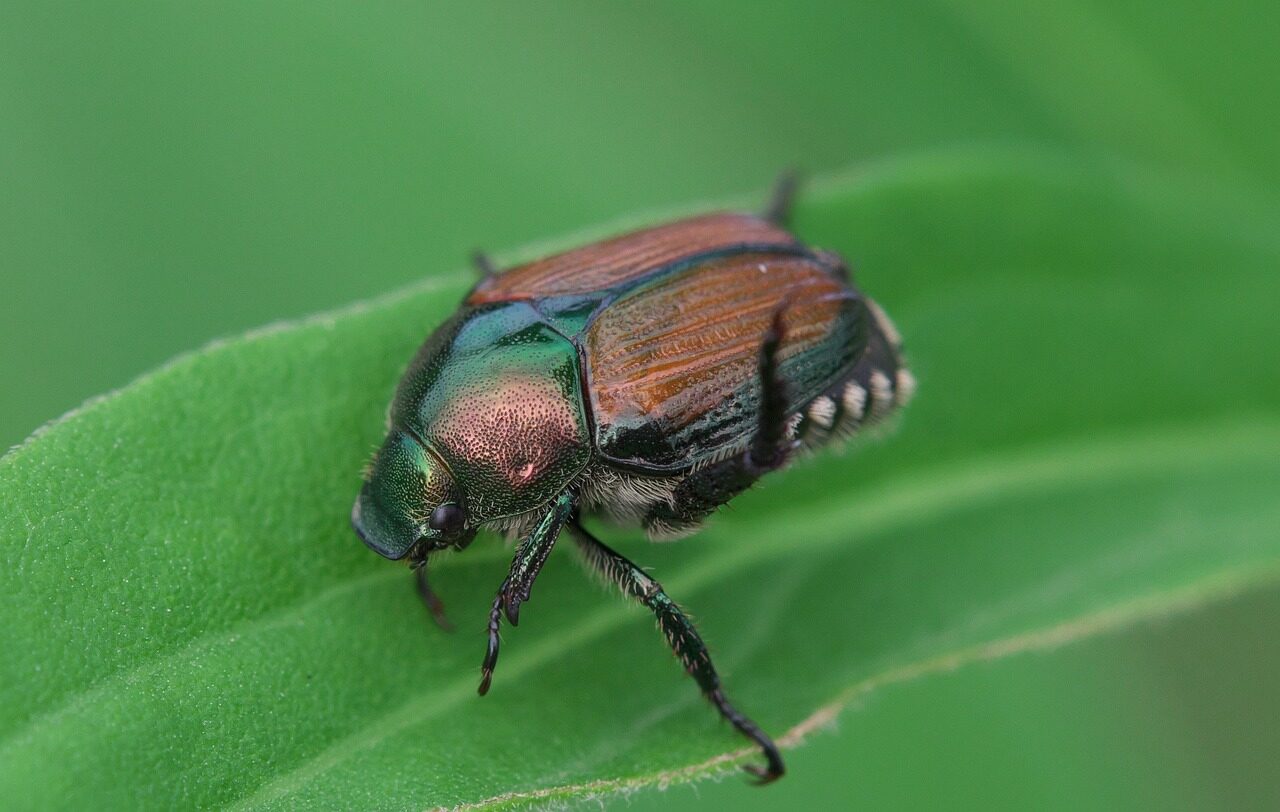
6. Pests and Diseases
Boysenberries can be susceptible to a variety of pests and diseases, but proper care and monitoring will help mitigate these risks.
Common Pests:
Japanese Beetles: These beetles can defoliate your plants. Handpick them off, or use organic insecticides such as neem oil or diatomaceous earth.
Spider Mites: Small, red insects that cause leaf discoloration. Use water to wash them off or apply insecticidal soap if the infestation is severe.
Birds: Birds love boysenberries. Consider using netting to protect your fruit or placing scarecrows or reflective objects around the plants.
Common Diseases:
Powdery Mildew: This fungal disease appears as white, powdery spots on the leaves. To prevent it, ensure good air circulation, and consider applying organic fungicides like sulfur.
Rust: A fungal disease that causes orange spots on leaves. Remove infected leaves and apply a copper-based fungicide.
Botrytis (Gray Mold): This disease thrives in damp conditions. Avoid overhead watering, and keep the garden area clean. Remove infected fruit and debris.
General Disease Prevention:
Proper Spacing: Ensure vines are spaced adequately to prevent overcrowding and promote airflow.
Watering Techniques: Water the base of the plants rather than overhead to avoid wetting the leaves and fruit.
Mulching: Mulching helps to keep the soil dry, preventing the spread of fungal diseases.
7. Harvesting Boysenberries
Boysenberries are typically ready to harvest in mid to late summer. They are very juicy and tend to ripen quickly, so keep an eye on them as the harvest time approaches.
When to Harvest:
Harvest boysenberries when they are fully ripe—they will have a deep purple color and a slightly soft texture when squeezed gently.
Taste them before harvesting to ensure they are sweet enough for your liking. If they are still tart, wait a few more days before picking.
How to Harvest:
Pick gently to avoid crushing the berries. Boysenberries are soft, so use your fingers to carefully pluck them from the plant.
Harvest in the morning, after the dew has dried but before the heat of the day. This helps preserve the fruit’s quality.
Post-Harvest Care:
Boysenberries are highly perishable, so use them within 1–2 days for the best flavor and texture.
Freeze them: If you have an abundance, boysenberries freeze well. Lay them on a baking sheet in a single layer to freeze, then transfer them to freezer bags for long-term storage.
Jam and Jelly: Boysenberries make excellent jams, jellies, and syrups. You can preserve them for later use if you have a large harvest.
8. Winter Care for Boysenberries
Boysenberries are hardy plants but require some care in cold climates.
Protecting During Winter:
Mulch: Apply a thick layer of mulch around the base of the plants to protect the roots from winter frost.
Cut Back the Vines: Prune the vines back in late winter to remove any dead or diseased canes. This helps prevent damage from freezing and encourages fresh growth in the spring.
If you live in an area with severe winters, consider covering the vines with a frost cloth or plastic sheeting for extra protection.
Summary:
Boysenberries = gourmet flavor, more care, short shelf life
Blackberries = easier to grow, more resilient, longer season
What did I choose, well I chose both. However I do have a few acres I grow on and I could understand if you had a smaller space or just wanted to stick to one type of berry. I would probably just choose blackberries to be honest. Blackberries would could first mainly due to the shelf life and the ease of blackberries. Boysenberries are very good and really outshine blackberries when bake, it is still hard to beat a blackberry. Boysenberries are still definitely worth growing. Also due to their shelf life you wont really find boysenberries in any stores and blackberries are readily available.