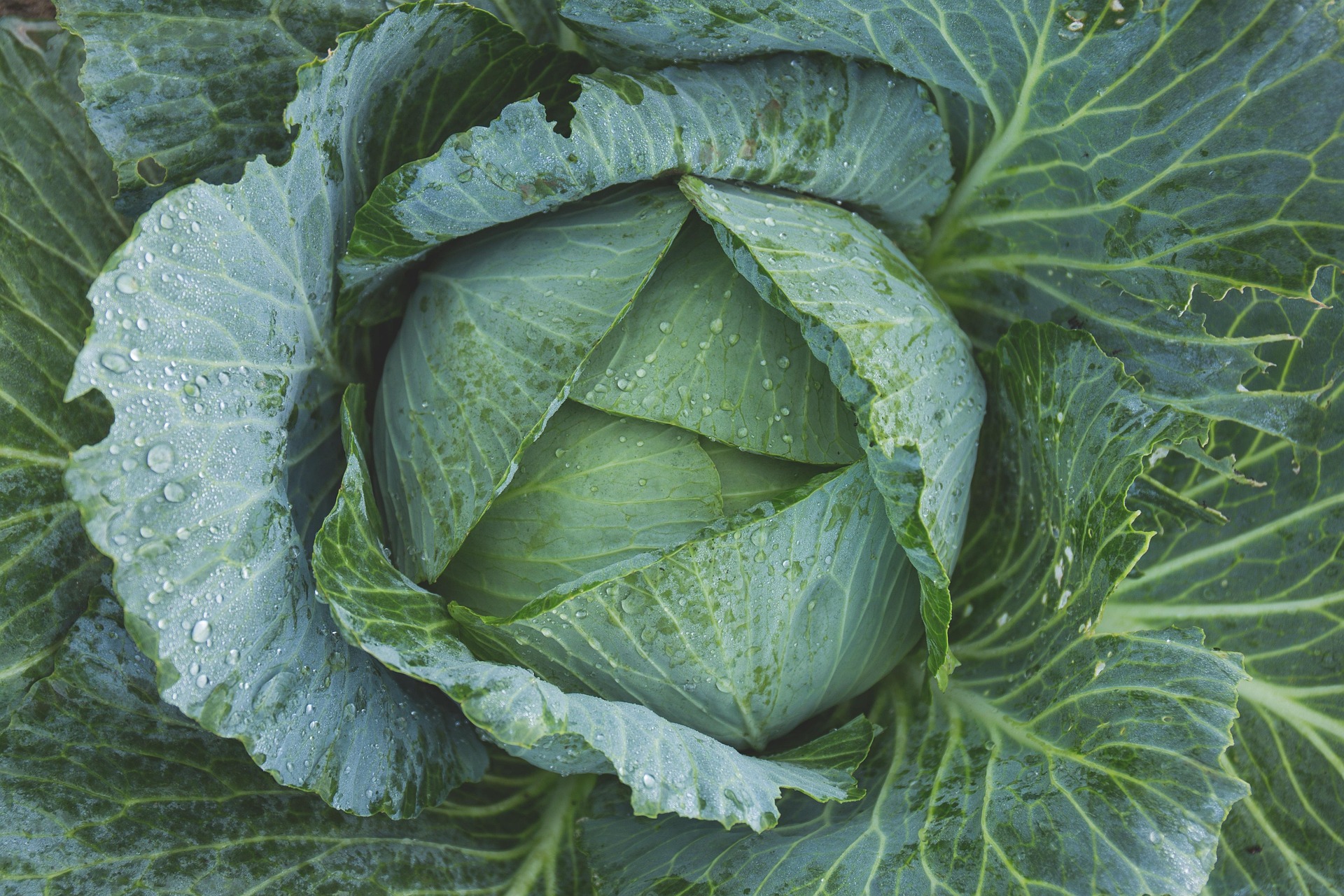
Growing cabbage in your garden just makes sense. It’s one of those plants that doesn’t ask for much but gives a lot back. Cabbage is hardy, handles cool weather like a champ, and doesn’t freak out if conditions aren’t perfect. You plant it, keep it watered, and it gets on with the job. There’s something satisfying about watching those tight heads slowly form, knowing you’re growing real, dependable food with your own hands.
On top of that, cabbage is incredibly practical. One harvest can feed you for days, whether it’s tossed into salads, cooked down into soups, stir-fries, or fermented into sauerkraut. It stores well, stretches your grocery budget, and packs a serious nutritional punch. If you want a crop that feels useful, reliable, and rewarding without being fussy, cabbage earns its spot in the garden.
Top Varieties to grow at home
| Variety | Type | Days to Maturity | Best For | Why It’s Good |
|---|---|---|---|---|
| Golden Acre | Green | 60–65 | Small gardens, early harvest | Compact, reliable, and quick to mature |
| Early Jersey Wakefield | Green (pointed) | 60–70 | Spring planting | Cold-tolerant and dependable early crop |
| Brunswick | Green | 90–100 | Storage, sauerkraut | Large heads and excellent keeping quality |
| Late Flat Dutch | Green | 100–110 | Winter storage | Huge heads that store for months |
| Red Acre | Red | 75–80 | Slaws, pickling | Good size, great color, and strong flavor |
| Red Express | Red | 60–65 | Early harvest | Fast-growing red cabbage |
| Savoy Perfection | Savoy | 90–100 | Fresh eating, cooking | Tender, crinkled leaves with mild flavor |
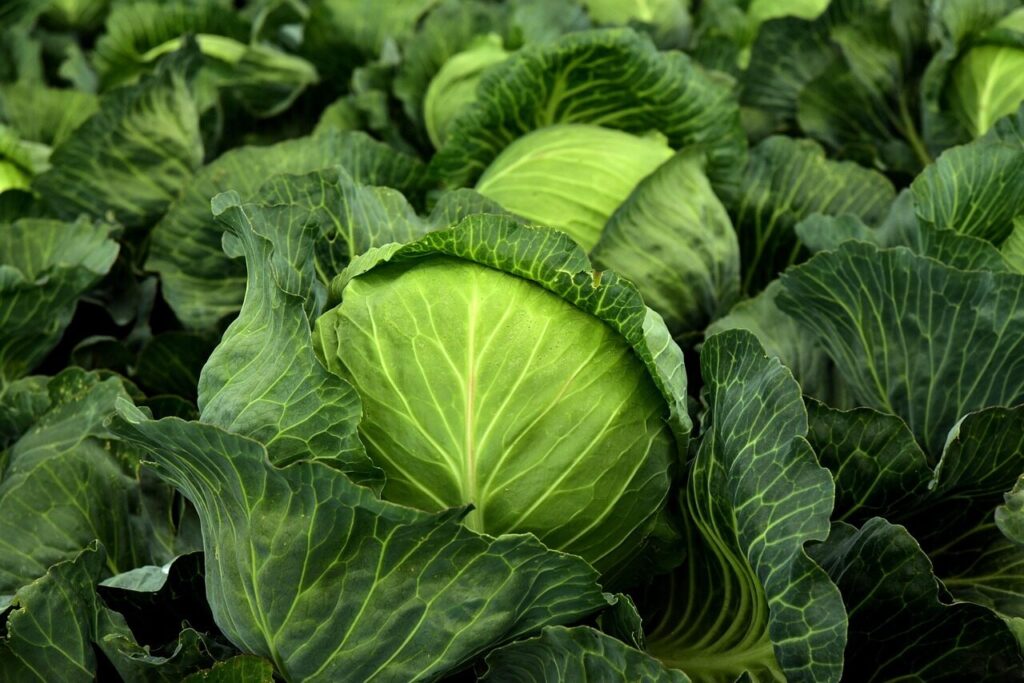
Ideal Conditions
| Step | What to Do | Key Tips |
|---|---|---|
| When to Plant | Early spring or late summer | Cabbage prefers cool weather |
| Sun | Full sun | 6–8 hours daily |
| Soil | Rich, well-drained | Add compost; pH 6.5–6.8 |
| Spacing | 12–24 inches apart | More space = bigger heads |
| Watering | Consistent moisture | About 1–1.5 inches per week |
| Feeding | Fertilize regularly | Nitrogen helps leafy growth |
| Pests | Watch for caterpillars | Use row covers or hand-pick |
| Harvest | When heads feel firm | Cut at the base with a knife |
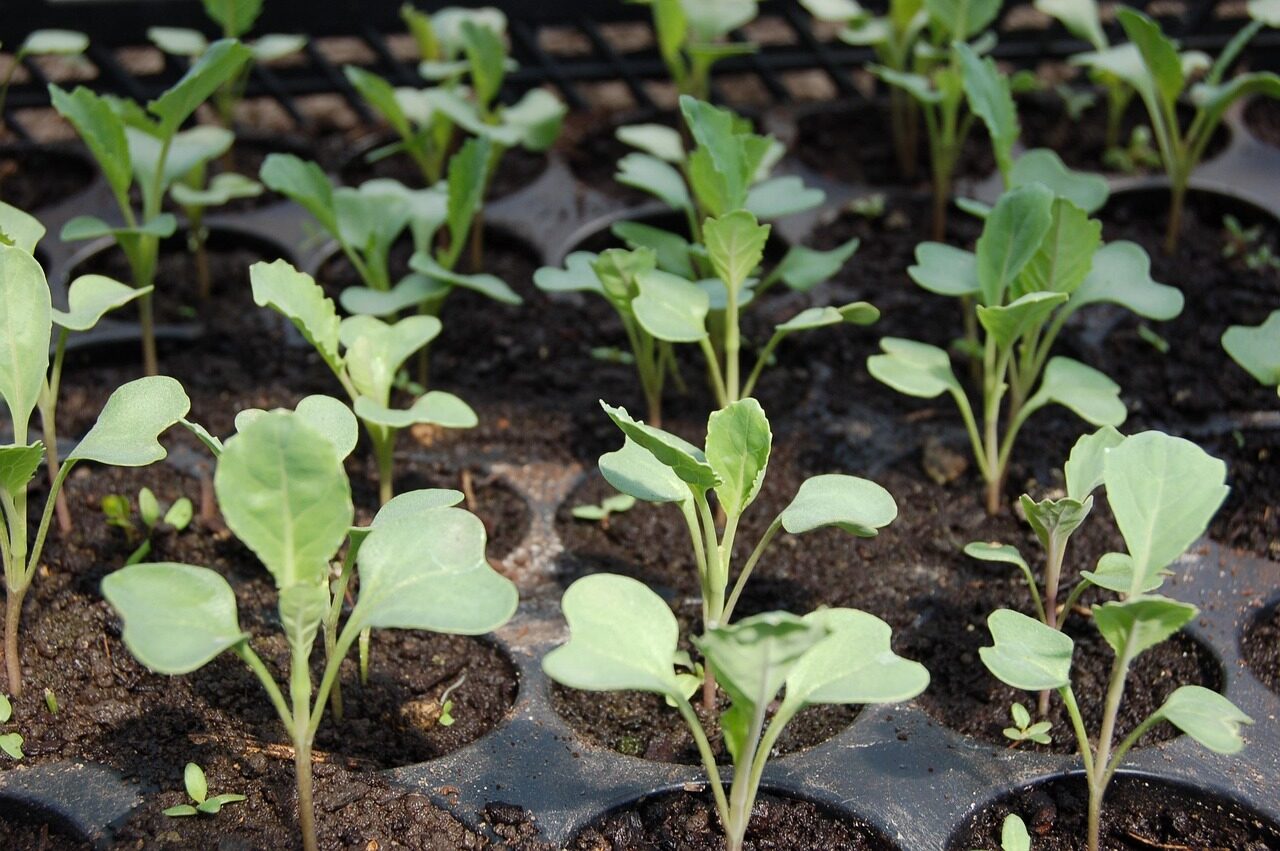
When to start seeds and transplant (Spring)
| USDA Zone | Start Seeds Indoors | Transplant to Garden |
|---|---|---|
| Zone 4 | Feb 15 – Mar 1 | Apr 15 – May 1 |
| Zone 5 | Feb 1 – Feb 15 | Apr 1 – Apr 15 |
| Zone 6 | Jan 15 – Feb 1 | Mar 15 – Apr 1 |
| Zone 7 | Jan 1 – Jan 15 | Mar 1 – Mar 15 |
| Zone 8 | Dec 15 – Jan 1 | Feb 15 – Mar 1 |
| Zone 9 | Dec 1 – Dec 15 | Feb 1 – Feb 15 |
| Zone 10 | Nov 15 – Dec 1 | Jan 15 – Feb 1 |
Quick notes:
- Start seeds 6–8 weeks before your last frost
- Transplant when plants have 4–6 true leaves
- Cabbage loves cool weather — light frost won’t hurt it
When to start seeds and transplant (Fall)
| USDA Zone | Start Seeds Indoors | Transplant to Garden |
|---|---|---|
| Zone 4 | June 1 – June 15 | July 1 – July 15 |
| Zone 5 | June 15 – July 1 | July 15 – Aug 1 |
| Zone 6 | July 1 – July 15 | Aug 1 – Aug 15 |
| Zone 7 | July 15 – Aug 1 | Aug 15 – Sept 1 |
| Zone 8 | Aug 1 – Aug 15 | Sept 1 – Sept 15 |
| Zone 9 | Aug 15 – Sept 1 | Sept 15 – Oct 1 |
| Zone 10 | Sept 1 – Sept 15 | Oct 1 – Oct 15 |
How about direct sowing
Yes, you can direct sow cabbage, and it works well in the right conditions, however I have never had any luck what so ever from direct sowing. I suppose it is possible, but cabbage plants are so easy to start, and plus you are trying to beat the cabbage worms to harvest.
When direct sowing works best
- Cool soil, cool weather (spring or late summer)
- Zones 6–10 have the easiest time with it
- Fall crops are often more successful than spring because soil is warm enough for fast germination
How to direct sow cabbage
- Sow seeds ¼–½ inch deep
- Space seeds 12–18 inches apart (or sow closer and thin later)
- Keep soil consistently moist until germination (5–10 days)
- Full sun, rich soil with compost helps a lot
Pros and cons
Pros
- No transplant shock
- Less work and equipment
- Strong taproots
Cons
- Slower start in cold spring soil
- Harder to protect from pests early on
- Not ideal in very short growing seasons
Bottom line
- Short seasons (Zones 4–5): Starting indoors is more reliable
- Mild or long seasons (Zones 6–10): Direct sowing is totally doable
- Fall cabbage: Direct sowing is often the easiest method
Fertilizing schedule
| Timing | What to Apply | Why |
|---|---|---|
| At planting | Compost or balanced fertilizer (10-10-10) | Builds strong roots and early growth |
| 2–3 weeks after transplant | Nitrogen-rich fertilizer (fish emulsion, blood meal, or 21-0-0) | Boosts leafy growth |
| Every 3–4 weeks after | Light nitrogen feeding | Keeps steady growth |
| When heads begin forming | Balanced fertilizer or compost side-dress | Supports head development |
| Stop feeding | 3–4 weeks before harvest | Prevents loose heads and splitting |
How to apply
- Side-dress fertilizer a few inches from the stem
- Water well after feeding
- Avoid getting fertilizer directly on leaves
Tips
- Too much nitrogen late = big leaves, loose heads
- Consistent watering helps nutrients work properly
- If leaves turn pale or growth slows, a light nitrogen boost helps
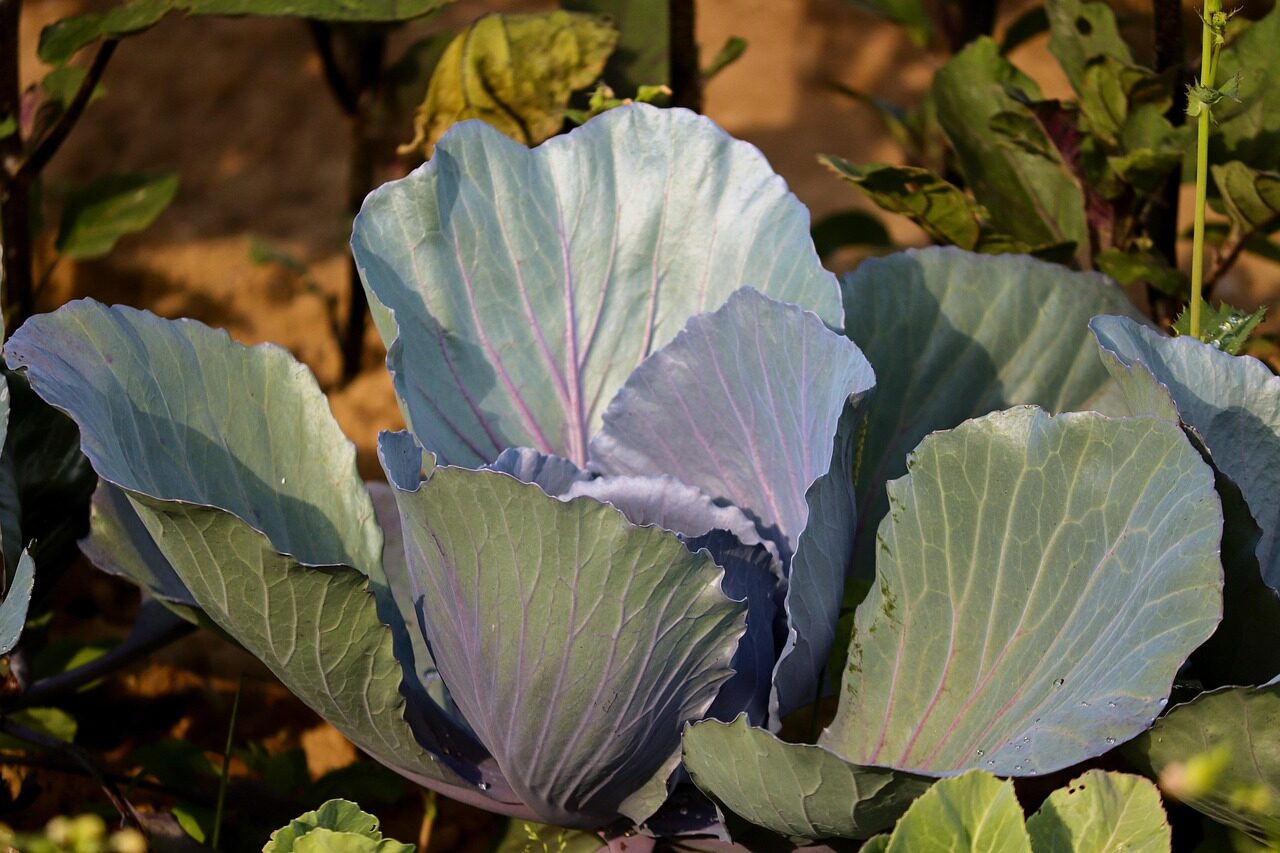
Common Pest
| Pest | What You’ll See | Best Treatment | Notes |
|---|---|---|---|
| Cabbage Worms (loopers, imported cabbageworm) | Holes in leaves, green caterpillars | Hand-pick, BT (Bacillus thuringiensis), row covers | Most common cabbage pest |
| Cabbage Aphids | Clusters of gray-green bugs, curled leaves | Strong water spray, insecticidal soap, neem oil | Check undersides of leaves |
| Flea Beetles | Tiny holes, “shotgun” damage | Row covers, diatomaceous earth, neem oil | Worse on young plants |
| Cutworms | Seedlings cut off at soil level | Cardboard collars, hand removal | Active at night |
| Cabbage Root Maggots | Wilting plants, poor growth | Row covers, beneficial nematodes | Prevent early with covers |
| Slugs & Snails | Ragged holes, slime trails | Iron phosphate bait, hand-pick, beer traps | Thrive in damp conditions |
| Harlequin Bugs | Black/red shield-shaped bugs | Hand removal, neem oil | More common in warm zones |
Growing cabbage at home is one of those choices that pays off in simple, satisfying ways. It’s dependable, productive, and doesn’t demand constant attention, which makes it a great fit for real life gardening. You end up with fresh, healthy food that stretches far in the kitchen, costs very little to produce, and tastes better because you grew it yourself. Whether you’re feeding a family, stocking the pantry, or just enjoying the process, cabbage proves that sometimes the most ordinary crops deliver the biggest rewards.
No responses yet