I like to plant the majority of my plants and trees in the fall. There are many many reasons for this which I will discuss throughout this post. One of the down side is the availability of plants and trees in the local markets and even some time even on online stores. Trees in particular seem to do very well. I have lost very little if any trees planting in the fall. Blackberries and blueberries also seem to thrive while planting in the fall. This also allows to get a jump on next years harvest. Planting trees in the fall has several advantages that can lead to better tree health and growth. There are some downsides too, but I would still recommend fall planting.
1. Cooler Temperatures Reduce Stress
Fall weather is typically cooler than summer, which means less stress on newly planted trees from heat and drought.
Trees lose less water through their leaves in cooler temps, helping them stay hydrated.
2. Roots Grow While Top Growth Slows
In fall, while the above-ground part of the tree goes dormant, the roots continue growing as long as the soil is warm enough (above ~40°F / 4°C).
This root growth gives the tree a head start in establishing before spring.
3. More Natural Moisture
Fall tends to bring more consistent rainfall, which helps keep the soil moist and reduces the need for frequent watering.
4. Earlier Spring Growth
Trees planted in fall are already established by spring, so they can focus energy on leafing out and growing, rather than trying to recover from transplant shock.
5. Easier Soil Work
Fall soil is often still warm and workable, unlike spring soil that can be soggy or frozen.
Summary
Advantage
Why It Matters
Less stress
Cooler temps mean healthier trees
Root development
Stronger foundation before spring
Natural watering
Saves time and water
Head start
Better growth in spring
Better soil conditions
Easier planting and healthier roots
Disadvantages
Planting trees in the fall can be a great choice, but it does come with some disadvantages and risks, depending on your location, climate, and tree species. Here are the main drawbacks:
1. Limited Time Before Winter
Trees need time to establish roots before the ground freezes.
If planted too late in the fall, they might not get established in time, increasing the risk of winter injury or death.
2. Risk of Frost or Freeze Damage
A sudden cold snap or early frost can shock newly planted trees, especially if they haven’t had time to harden off.
Young trees are especially vulnerable to freeze-thaw cycles that can damage roots or bark.
3. Limited Species Selection
Not all tree species do well with fall planting:
Evergreens, for example, are more susceptible to winter desiccation and often prefer spring planting.
Trees like oak, birch, magnolia, and dogwood may establish better in spring.
4. Watering Challenges
Even though fall can be wetter, some regions may experience dry autumns, and people often forget to water in cooler weather, leading to root dehydration.
Once winter sets in, you can’t water frozen ground.
5. Difficult Soil Conditions in Some Regions
In colder areas, fall planting may not give you much time before soil becomes too hard or frozen to work with, especially in clay-heavy soils.
6. Wildlife or Pest Damage
Some animals (like deer, rabbits, or voles) are more active in winter and may damage young bark or roots when food is scarce.
Summary of Fall Planting Disadvantages
Disadvantage
Why It Matters
Shorter establishment window
Less root growth before dormancy
Cold weather risk
Freeze damage to young trees
Not ideal for all species
Some trees prefer spring planting
Watering issues
Dry roots can harm survival
Soil hardens quickly
Limits planting opportunities
Wildlife damage
Young trees are vulnerable in winter
Bottom line: Fall planting works best if done early enough (usually 6–8 weeks before the first hard frost), and with species known to transplant well in fall.
Which Trees Do Better in the Fall
Fruit Trees That Can Be Planted in Fall ( 7–10)
These trees tend to do well with fall planting if planted early enough (6–8 weeks before frost):
Common Name
Notes
Apple
Best on dwarf or semi-dwarf rootstock; needs time to root
Pear
Similar to apples in establishment
Plum
European varieties more tolerant than Japanese
Cherry
Sour (tart) cherries do better than sweet ones
Fig
Does well in fall in warm zones
Pomegranate
Best for fall in warm/dry regions
Persimmon
Native types (like American persimmon) adapt better
Mulberry
Very hardy; roots easily
Fruit Trees Better Planted in Spring
These are more sensitive to transplant shock, root disturbance, or cold temperatures:
Common Name
Why Not Fall
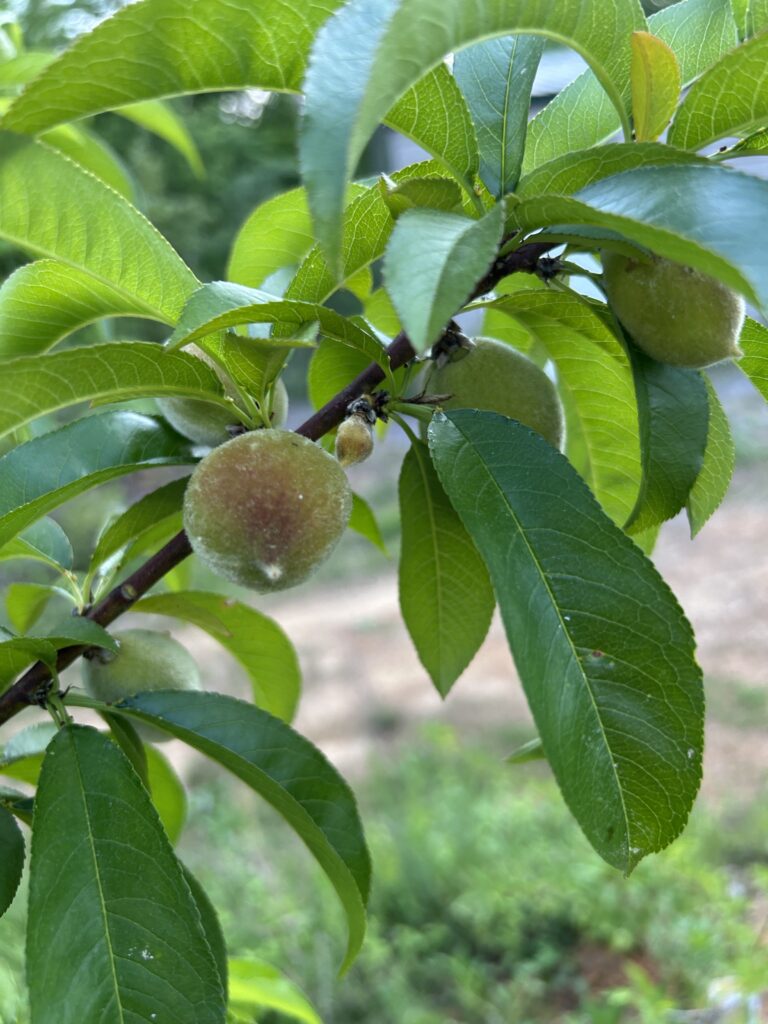
Peach
Very sensitive to cold & root damage
Nectarine
Same as peach — short dormancy period
Apricot
Buds can break dormancy too early
Citrus trees
Need warm soil to thrive — fall planting can lead to root rot
Avocado
Easily damaged by frost; best in late spring
Tropical fruit trees (mango, guava, etc.)
Require warm temps and long growing seasons
Key Considerations for Fall Planting of Fruit Trees
Factor
What to Do
Timing
Plant at least 6–8 weeks before first hard frost
Soil temperature
Ideal: above 50°F (10°C) for root growth
Watering
Keep watering until the ground freezes
Mulching
Add mulch (2–4 inches) to insulate roots
Protection
Use tree wraps or guards to prevent sunscald and rodent damage
Rootstock
Dwarf/semi-dwarf rootstocks establish faster than standard
Climate Zone Summary
USDA Zone
Fall Planting for Fruit Trees?
Zones 7–10
Generally safe with proper care
Zone 6
Possible, but risky—early fall only
Zone 5 or lower
Not recommended — plant in spring
Planting Berry Bushes in the Fall
Root development continues through the fall and into early winter.
Dormant planting reduces transplant shock.
Earlier harvest potential the following growing season (especially for fall-planted canes like raspberries).
Berry Bushes You Can Plant in the Fall
These are hardy and typically do well with fall planting, especially if done 6–8 weeks before the first frost:
Berry Type
Notes
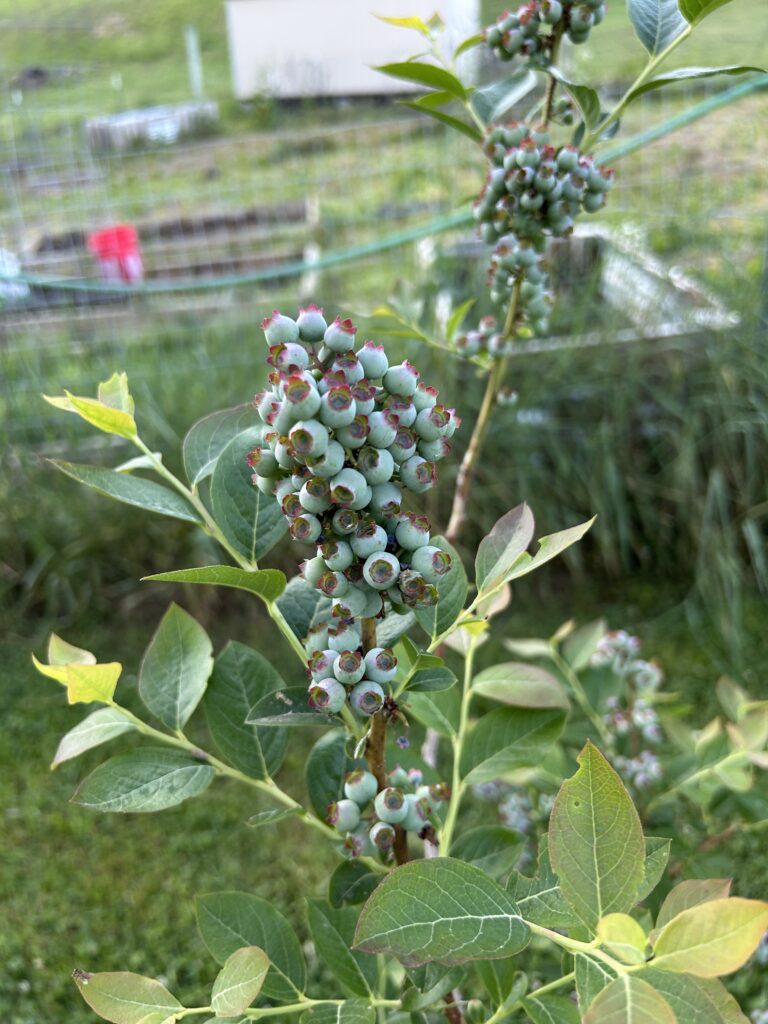
Blueberries
Great for fall in acidic, well-drained soil. Mulch well for winter.
Raspberries
Excellent for fall planting. Choose disease-resistant varieties.
Blackberries
Similar to raspberries; can be fall-planted in milder zones.
Currants
Hardy and well-suited to fall planting.
Gooseberries
Cold-hardy; fall planting is ideal.
Elderberries
Adapt well to fall planting, especially in moist soil.
Lingonberries
Like blueberries, need acidic soil; fall planting works well in cool zones.
Berry Bushes Better Planted in Spring
Some berries are sensitive to root disturbance or are grown in warmer climates, so spring planting is safer:
Berry Type
Why Not Fall?
Strawberries
Fall planting possible in very warm climates only (Zones 7–10), but in colder regions, plant in early spring.
Tender or tropical berries (e.g. goji, aronia in cold zones)
More prone to cold injury during their first winter.
Bare-root plants in cold zones
Riskier in fall if soil freezes before roots establish.
Tips for Fall Planting Berry Bushes
Tip
Why It Matters
Plant early
6–8 weeks before first frost gives roots time to establish.
Mulch heavily
2–4 inches of mulch insulates roots over winter.
Prune lightly (if at all)
Don’t stress the plant before winter. Let it go dormant naturally.
Water well
Keep roots moist until the ground freezes.
Choose location wisely
Full sun, good drainage, and wind protection are key.
Climate Considerations
USDA Zone
Fall Planting for Berries?
Zones 7–10
Excellent time to plant many berries
Zone 6
Safe for most, but avoid late fall
Zone 5 or lower
Stick to hardy types like currants, gooseberries, and raspberries; plant early in fall
Comments are closed