Herbs are so simple to grow is that they’re tough and forgiving. If you forget to water for a day or two, many herbs bounce right back. They grow quickly, don’t need much fertilizer, and pests usually leave them alone. A little sunlight and regular trimming are often all it takes to keep them healthy.
Growing your own herbs at home also just makes everyday cooking better. Instead of buying expensive store-bought herbs that wilt in the fridge, you can snip what you need and let the plant keep growing. It’s practical, budget-friendly, and one of the most satisfying ways to add fresh flavor to your meals.
Best Basil Varieties to grow at home
Basil Variety
Flavor
Why It’s Great at Home
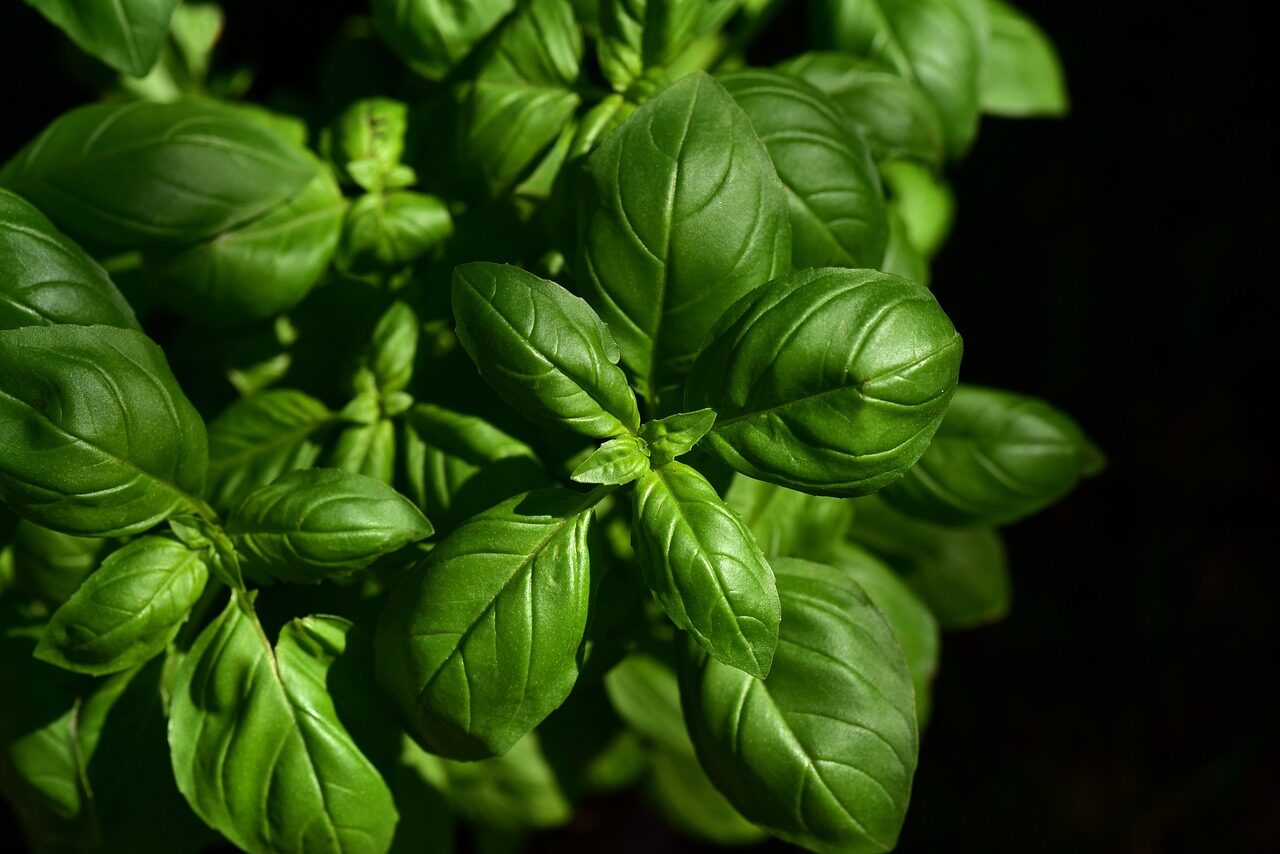
Sweet Basil
Classic, mild
Fast-growing, perfect for pesto and salads
Genovese
Strong, aromatic
Traditional Italian cooking, big leaves
Thai Basil
Spicy, licorice-like
Adds exotic flavor, heat-tolerant
Lemon Basil
Citrus flavor
Unique taste, great for teas and fish
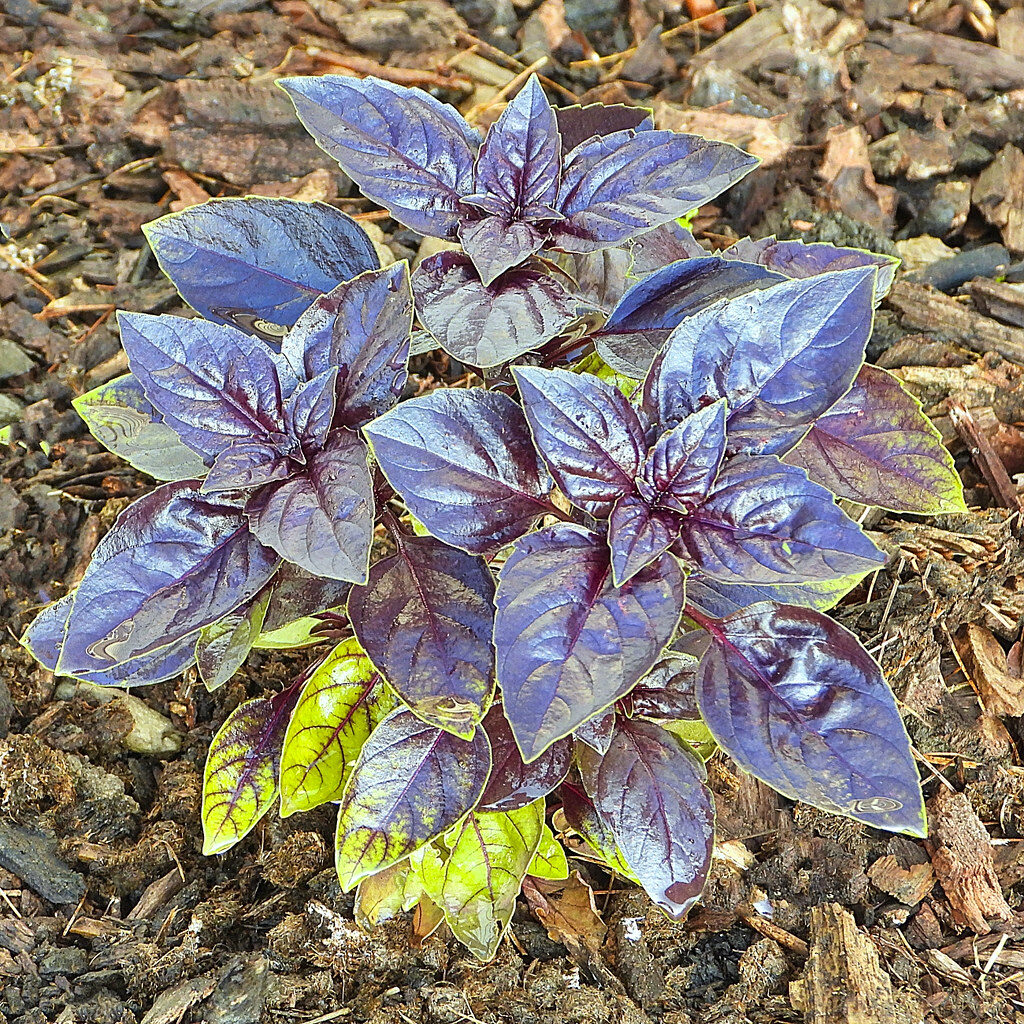
Purple Basil
Mild, slightly spicy
Decorative and edible, good for garnishes
Holy Basil (Tulsi)
Peppery, clove-like
Medicinal uses, hardy plant
Best cilantro Varieties
Cilantro Variety
Flavor
Why It’s Great at Home
Santo
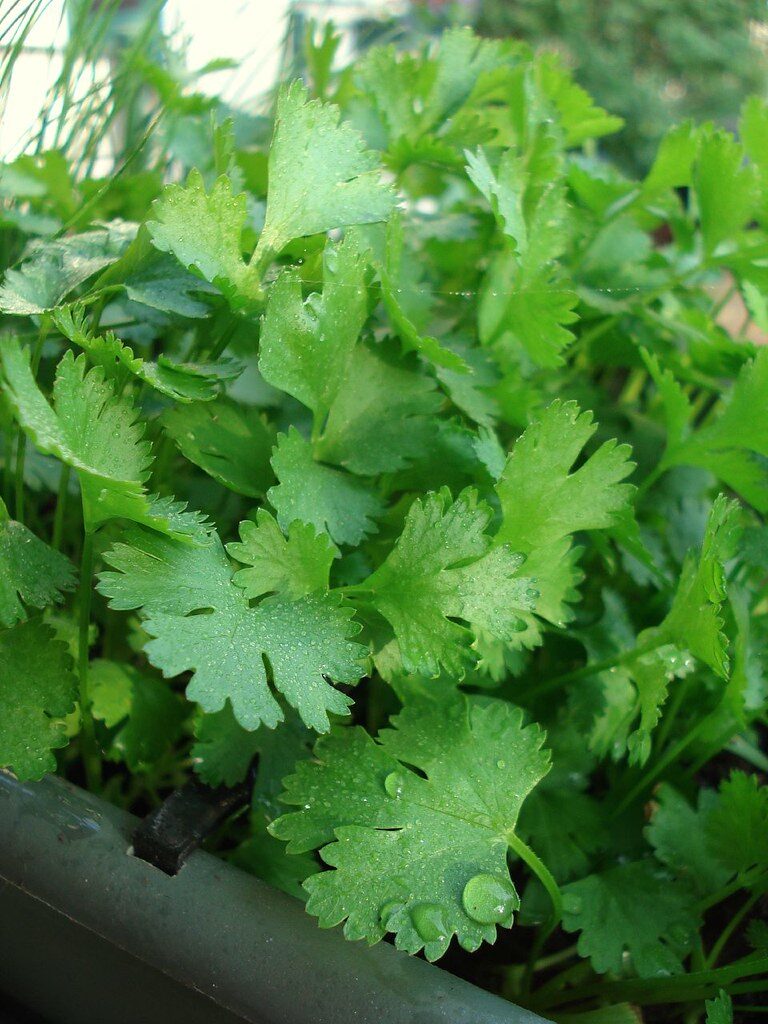
Classic cilantro
Slow-bolting, long harvest period
Calypso
Mild, fresh
Slow to bolt, good for warm weather
Leisure
Bold flavor
Easy to grow, stays tender longer
Caribe
Rich, strong
Resistant to heat and bolting
Costa Rica
Traditional flavor
Quick-growing, ideal for fresh use
Slow Bolt
Mild, slow to flower
Perfect for continuous harvest
Popular other herbs Varieties
Green/Herb
Flavor/Use
Why It’s Great at Home
Parsley
Fresh, slightly peppery
Hardy, grows in sun or partial shade, long harvest
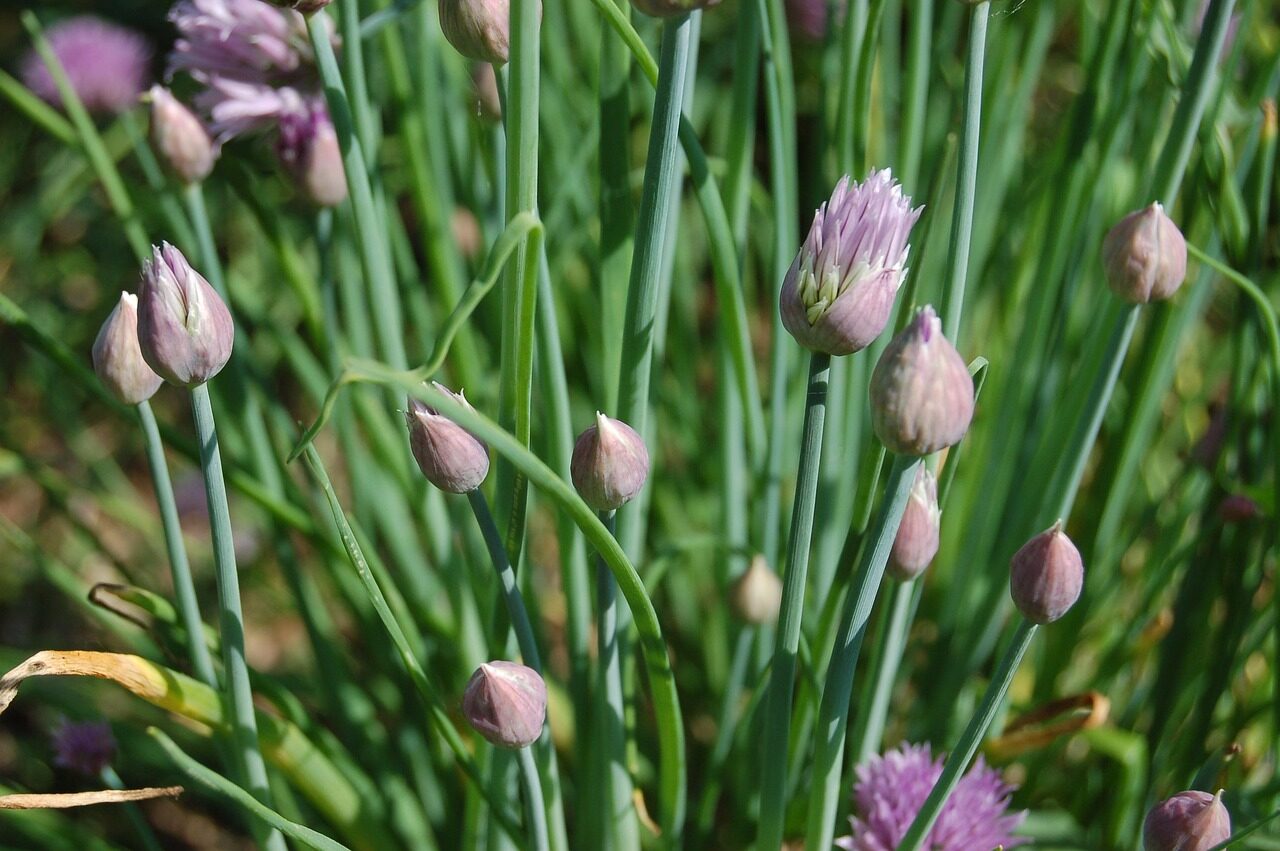
Chives
Mild onion flavor
Easy to grow in containers, perennial in many zones
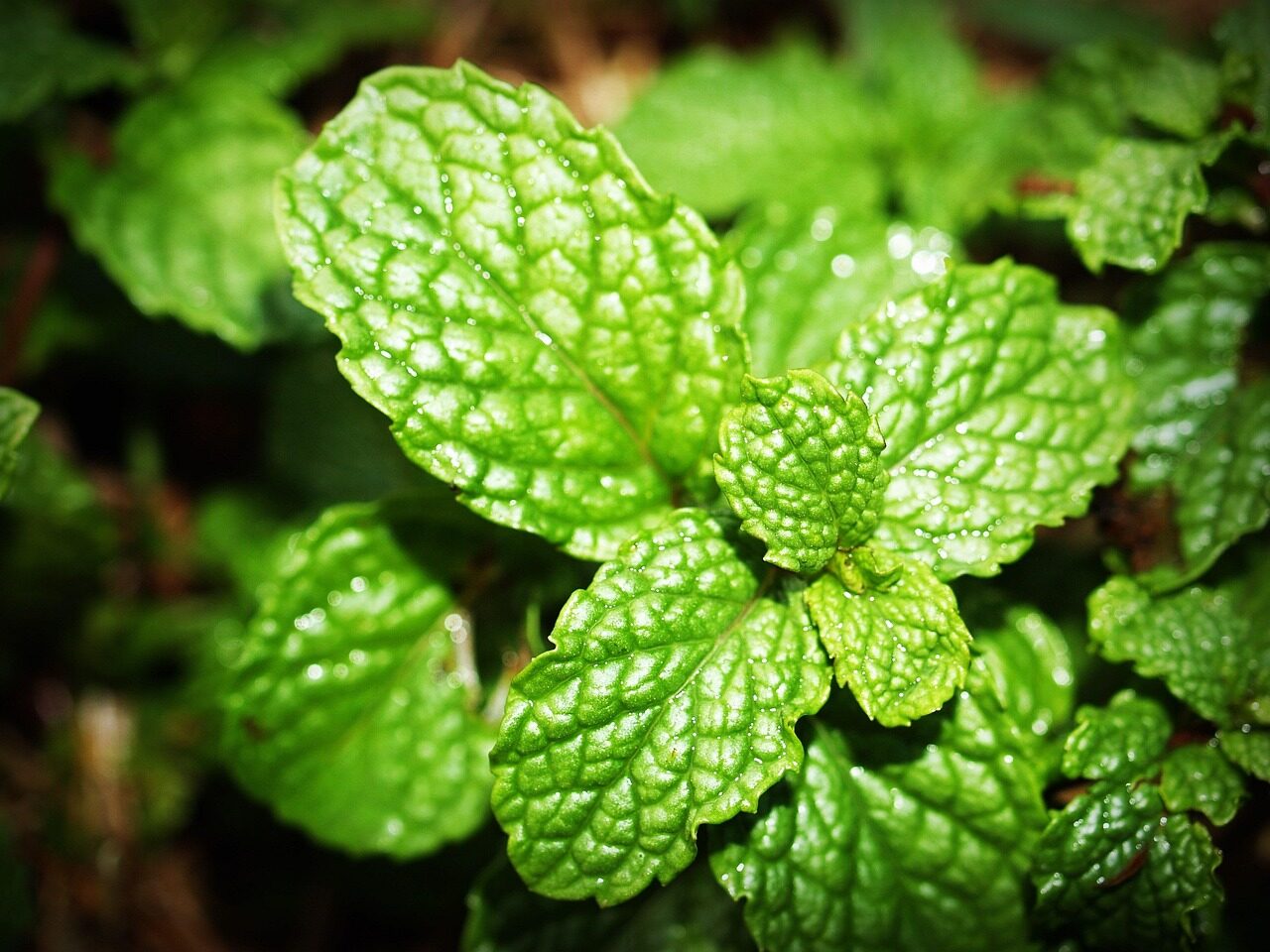
Mint
Refreshing, cool
Very fast-growing, great for drinks and desserts (contain in pots!)
Oregano
Earthy, aromatic
Low-maintenance, drought-tolerant, good for cooking
Thyme
Savory, slightly minty
Hardy, low-growing, evergreen in many areas
Sage
Pungent, savory
Long-lived, drought-tolerant, adds flavor to many dishes
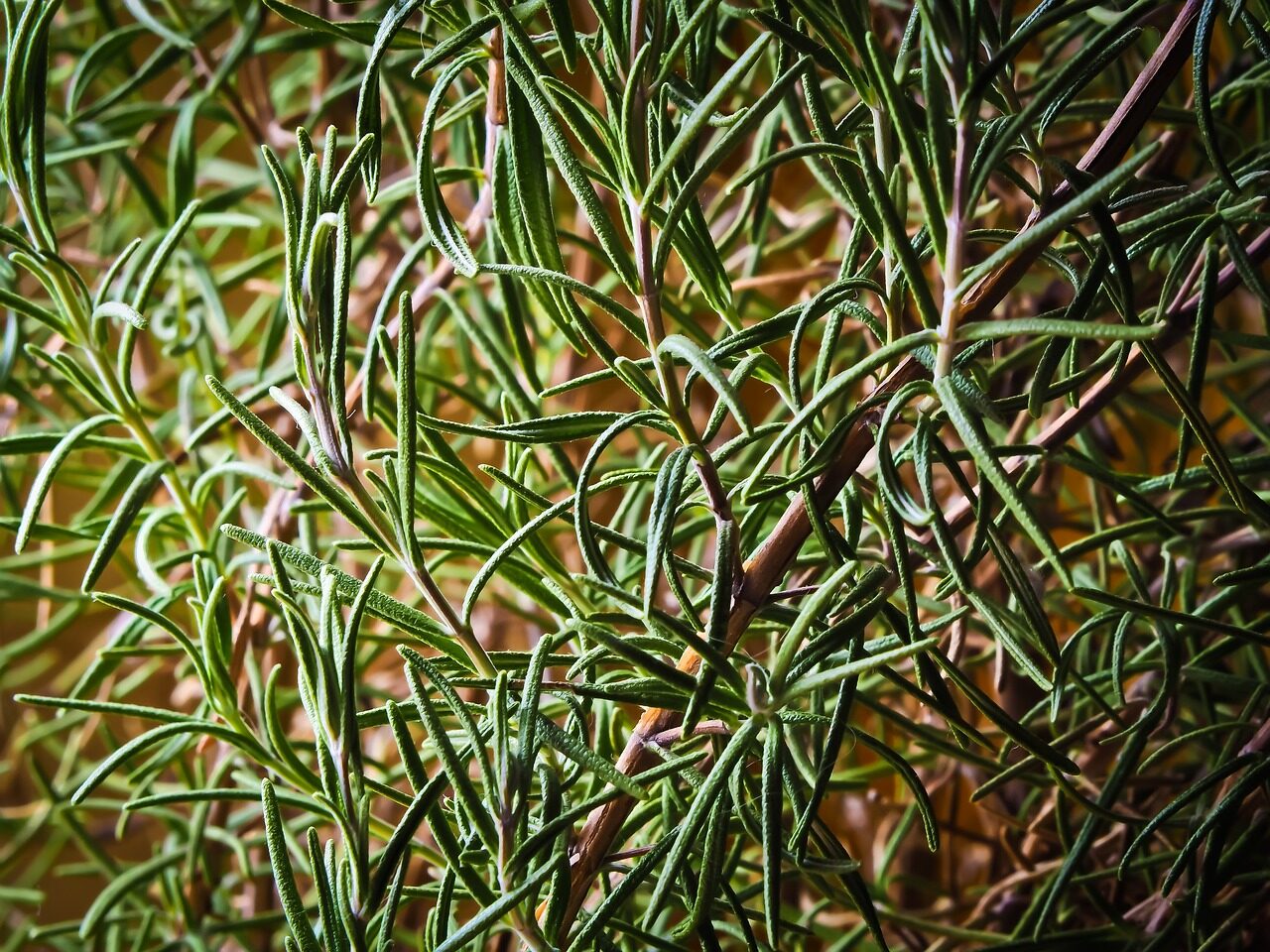
Rosemary
Piney, aromatic
Woody perennial, great in pots, drought-tolerant
Ideal Conditions
Step
What to Do
Simple Tips
Planting
Sow seeds or transplant seedlings
Most herbs like well-drained soil and full sun
Water
Keep soil lightly moist
Avoid overwatering; many herbs prefer slightly dry soil
Sun
Provide 6–8 hours of sunlight
Partial shade works for parsley, mint, and cilantro
Spacing
Give room for growth
Check seed packet for spacing; crowding can cause disease
Pruning
Trim regularly
Encourages bushy growth and prevents flowering
Harvest
Snip leaves as needed
Pick in morning for best flavor, leave some for regrowth
When to start seeds and transplant
USDA Zone
Spring Seed Starting (Indoors/Outdoors)
Fall Planting / Succession
Zone 4
Start indoors 6–8 weeks before last frost; transplant after frost
Most herbs don’t overwinter; plant hardy perennials like chives in early fall
Zone 5
Start indoors 6–8 weeks before last frost
Hardy perennials (chives, thyme, oregano) can be planted in fall
Zone 6
Start indoors 4–6 weeks before last frost
Plant hardy perennials in fall for early spring growth
Zone 7
Start indoors 4–6 weeks before last frost or direct sow
Fall planting of perennials possible; cilantro prefers cooler weather
Zone 8
Start indoors 2–4 weeks before last frost or direct sow
Fall plantings for cool-season herbs like cilantro and parsley
Zone 9
Direct sow in late winter / early spring
Fall plantings of cool-season herbs
Zone 10
Direct sow anytime in winter
Fall plantings optional; tropical herbs like basil thrive year-round
Quick notes:
Helpful notes:
Most herbs prefer cool weather, so earlier is better than later
Most herbs do best direct sown, but can be started indoors 2–3 weeks early
Frost tolerance
Herb
Frost Tolerance
Notes
Chives
Very hardy
Survives cold winters; perennial in most zones
Thyme
Very hardy
Can handle frost; evergreen in mild climates
Oregano
Very hardy
Tolerates frost; comes back in spring
Sage
Hardy
Survives light frost; mulch in winter for protection
Rosemary
Moderate
Sensitive to hard freezes; best in pots in cold zones
Parsley
Moderate
Can survive light frost; often grown as annual
Mint
Moderate
Can handle light frost; spread may die back but returns
Basil
Frost sensitive
Will die at first frost; treat as annual
Cilantro
Frost sensitive
Prefers cool weather but killed by hard freezes
Dill
Frost sensitive
Annual; young plants may survive very light frost
Heat tolerance (bolting temperature estimate)
Herb
Bolt Temperature
Notes
Basil
75–85°F (24–29°C)
Bolts in heat; leaves turn bitter after flowering
Cilantro
70–80°F (21–27°C)
Quick to bolt in warm weather; prefers cool season
Dill
70–80°F (21–27°C)
Bolts quickly in heat; sow succession crops for continuous harvest
Parsley
75–80°F (24–27°C)
Slow to bolt; prefers cooler temps
Chives
80–85°F (27–29°C)
Flowers in hot weather; leaf growth slows but plant survives
Mint
85°F+ (29°C+)
Rarely bolts; may flower but leaves stay edible
Oregano
85°F+ (29°C+)
Woody herb; flowering may reduce leaf flavor but plant persists
Thyme
85°F+ (29°C+)
Flowering may reduce leaf production but plant stays alive
Sage
85°F+ (29°C+)
Slow to bolt; flowering mostly cosmetic
Common uses of herbs after they go to seed
Unlike leafy greens when a lot of herbs bolt or go to seed they are still useful. Especially Cilantro, I always let some of these go to seed because they become the popular spice of coriander.
Herb
Post-Seed Uses
Notes
Basil
Seeds can be harvested for planting next season (or eaten as basil seeds in drinks/desserts)
Sweet basil seeds swell in water, similar to chia
Cilantro
Seeds become coriander spice
Use whole seeds or ground for cooking
Dill
Seeds used as spice or for pickling
Pickle cucumbers, carrots, or use in seasoning blends
Parsley
Flowers attract pollinators; seeds can be saved for next crop
Seeds are edible but mild in flavor
Fennel
Seeds used as spice or for teas
Harvest when brown and dry; fragrant and sweet
Chives
Flowers attract pollinators; seed pods can be harvested
Seeds can grow next year, edible but mild
Oregano
Flowers attract pollinators; seeds for planting next season
Leaves remain flavorful until seeds fully mature
Sage
Flowers can be ornamental; seeds for planting
Leaves can still be harvested early; seeds for propagation
Fertilizing schedule
Timing
What to Apply
How & Notes
Before Planting
Compost or balanced fertilizer
Mix into top 4–6 inches of soil
2–3 Weeks After Sprouting
Nitrogen-rich fertilizer
Light feeding to boost leafy growth
Every 2–3 Weeks
Liquid fertilizer or fish emulsion
Apply at half strength
After First Harvest
Nitrogen fertilizer
Helps plants regrow new leaves
Mid-Season Boost
Compost side-dressing
Scratch into soil and water well
Helpful tips:
I just use a standard 10-10-10 for most applications
herbs need nitrogen, but don’t overdo it
Too much fertilizer = fast growth but weaker flavor
Always water after fertilizing to prevent burn
Common Pest
Pest
Damage
Simple Control Tips
Aphids
Curling, yellowing leaves; sticky residue
Spray with water, use insecticidal soap, introduce ladybugs
Remove infected plants, control aphid or whitefly vectors
Herbs are also tough little plants that bounce back if you forget to water for a day, and most are perennial or reseed themselves, giving you months—or even years—of flavor. They can add color, fragrance, and life to your garden while making your cooking taste fresher and more vibrant.
At the end of the day, growing your own herbs saves money, reduces waste, and connects you with your food in a way that’s simple and rewarding. Even a few pots of mint, thyme, or basil can make your kitchen and your meals feel a little brighter every day.
No responses yet