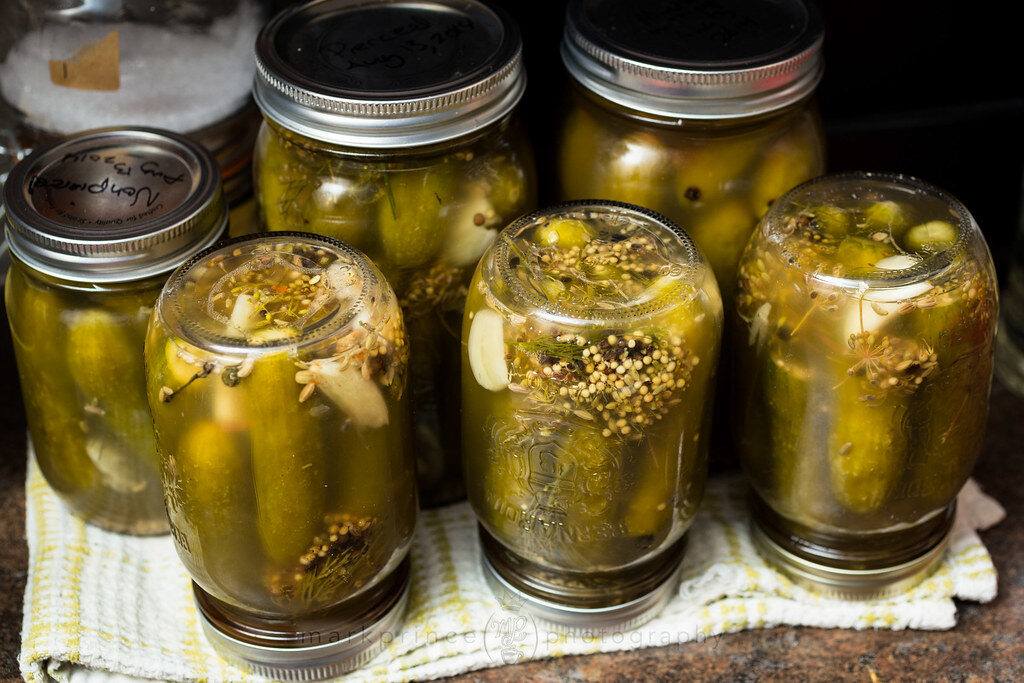
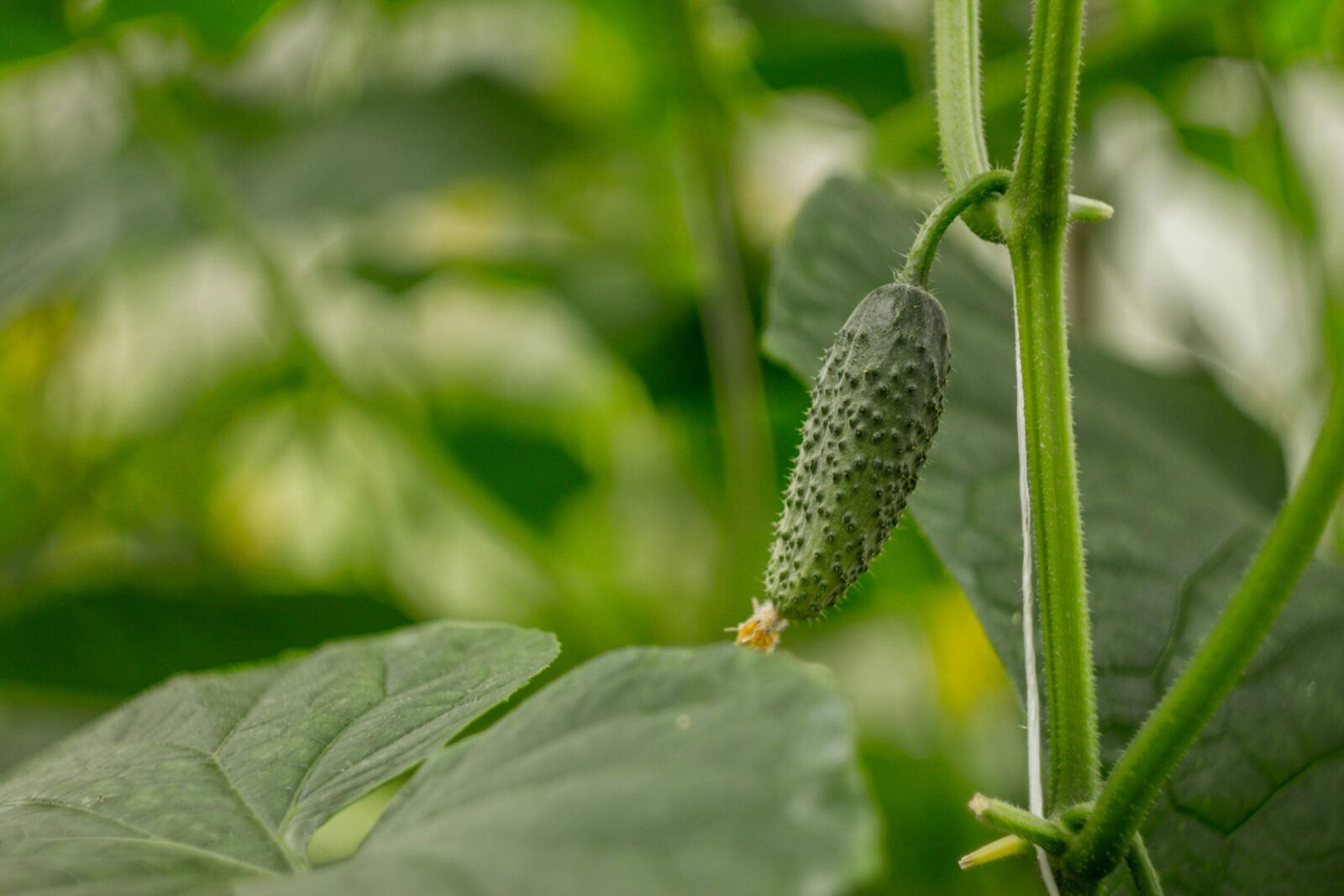
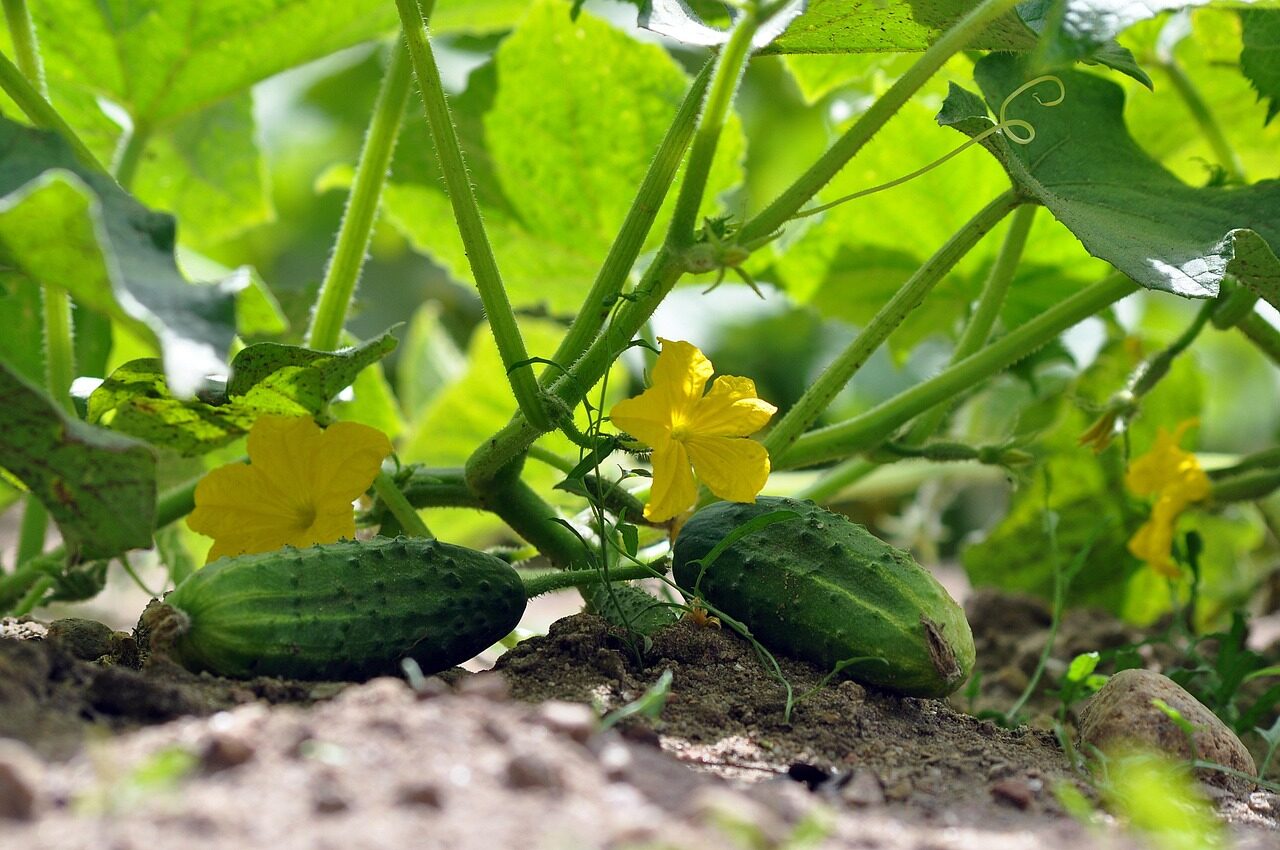
Growing cucumbers at home is one of the easiest vegetables, cucumbers grow quickly, don’t require complicated care, and produce plenty of fresh food throughout the season. Unlike store-bought cucumbers that may sit in transit for days, homegrown ones are crisp, flavorful, and picked at their peak. Dont forget they are many ways to use cucumbers too such as pickles and everyone loves home canned pickles.
4 main types of cucumbers
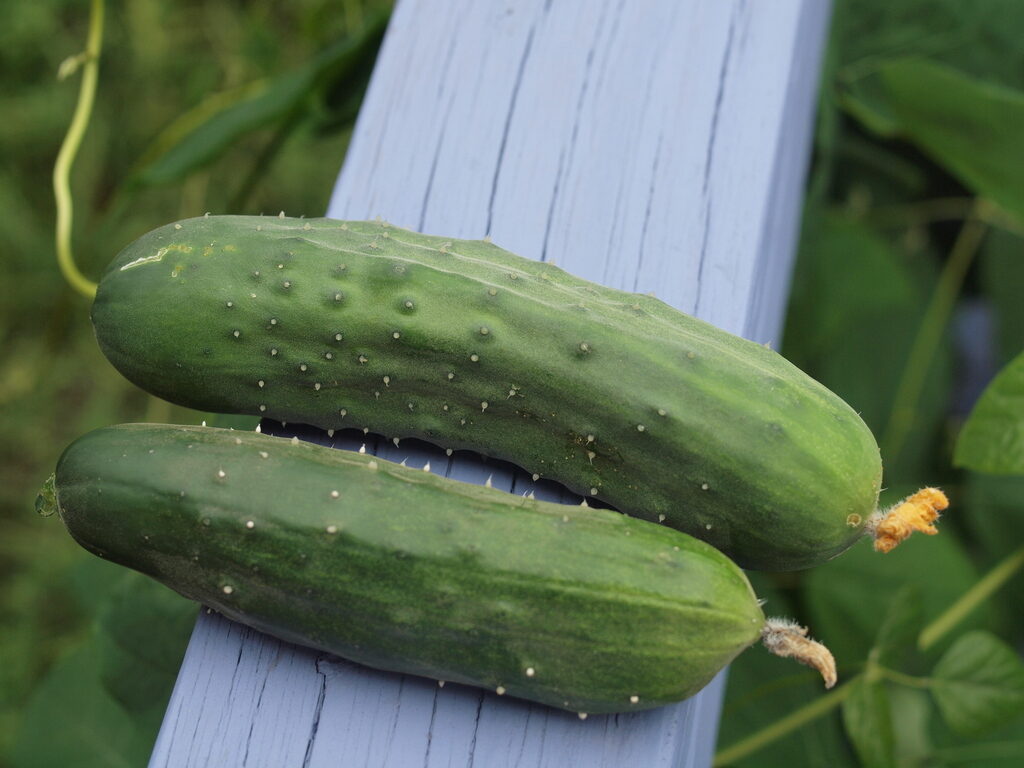
1) Slicing Cucumbers
These are the long, smooth-skinned cucumbers most people think of for fresh eating. They’re great in salads and sandwiches and usually have a mild flavor and crisp texture.
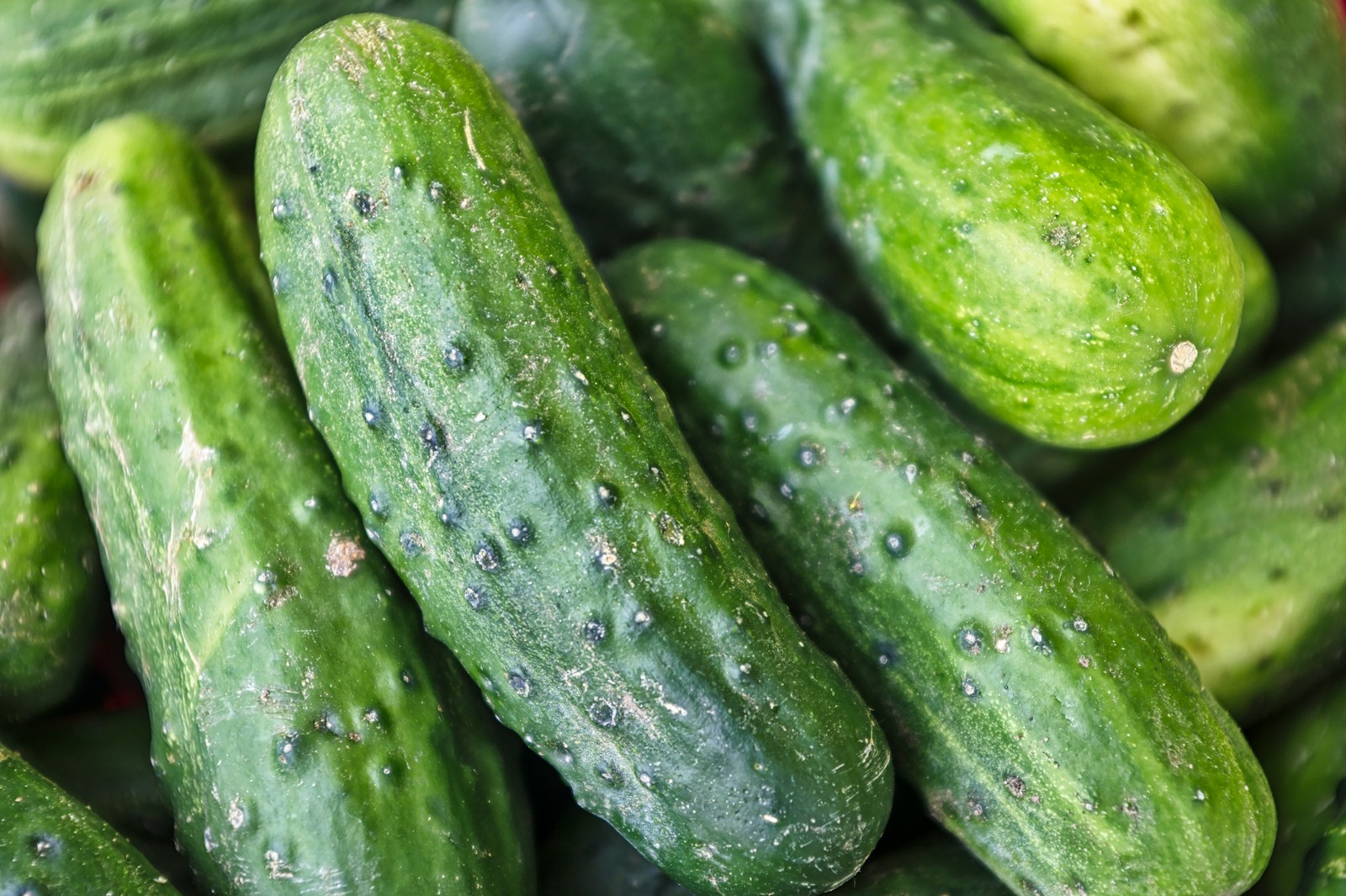
2) Pickling Cucumbers
Shorter and thicker than slicing types, these have thinner skins and firmer flesh, which makes them ideal for brining and making pickles.
3) English (Seedless) Cucumbers
Also called “burpless” cucumbers, they’re long and slender with very small seeds and thin skin. They’re typically sweeter and easier to digest.
4) Specialty or Heirloom Cucumbers
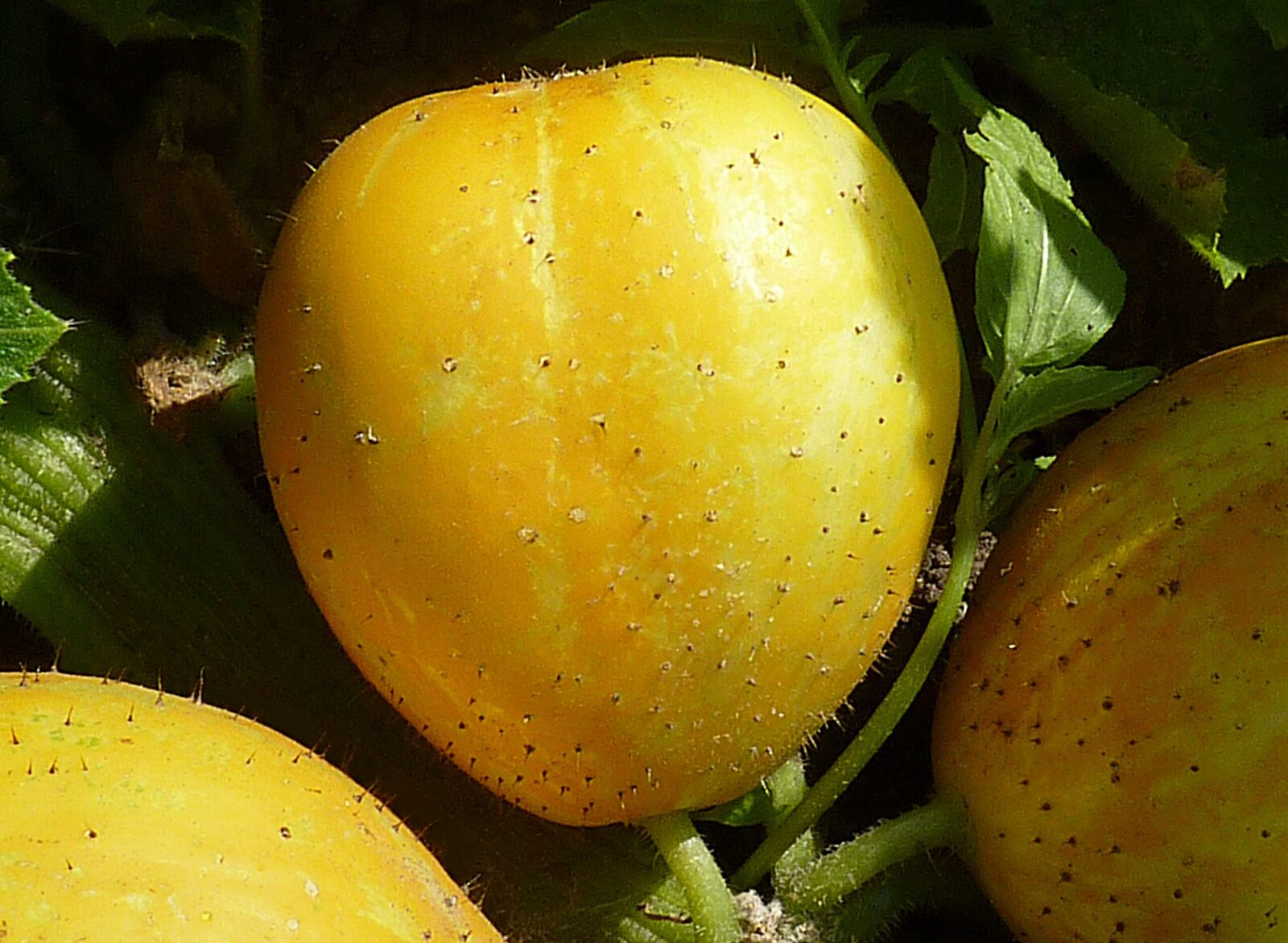
These include unique shapes, colors, or flavors—like round yellow varieties or striped types. They’re often grown for variety and garden interest.
Best slicing cucumber varieties
Variety
Growth Type
Why It’s Great for Home Gardens
Marketmore 76
Vining
Very disease-resistant, dependable yields, and classic cucumber flavor.
Straight Eight
Vining
Heirloom favorite with straight, uniform fruits and smooth skin.
Bush Champion
Bush
Compact plant that works well in containers and small gardens.
Sweet Success
Vining
Burpless, seedless variety with crisp texture and mild taste.
Spacemaster 80
Semi-Bush
Space-saving plant that still produces full-size slicing cucumbers.
Best pickling cucumber varieties
Variety
Typical Size & Growth
Why It’s Great for Pickling
Boston Pickling
~3–6 inches; vigorous vine
The classic heirloom pickler
Burpee Pickler
~3–5 inches; vining habit
Heavy yields with good disease tolerant,
Little Leaf H‑19
~3–5 inches; compact vines
Very popular with good disease resistance.
Parisian Pickling
~2–6 inches; semi-bush
Great but on the smaller side
Pick a Bushel
~3–6 inches; bushy
Compact and productive
Picklebush
~3–4 inches; bush
Very compact and excellent for containers
Best english cucumber varieties
Variety
Typical Length
Why It’s Great for Home Growing
Telegraph Improved
~12–18″
Classic with crisp texture and mild, sweet flavor
Diva
~6–8″
High yields, smooth skin, disease resistant.
Sweet Success
~12–14″
AAS winner with vigorous growth,
Tyria
~12–14″
High yield and strong disease resistance with a sweet flavor
Holland Hothouse
~12–15″
Smooth and nearly
Best specialty cucumber varieties
Variety
Unique Feature
Why It’s Worth Growing
Lemon
Round, bright yellow fruit
Mild, slightly sweet flavor one of my favorite I grow these every year
Armenian
Long, ribbed, snake-like fruit
Very productive with a crisp texture and heat tolerance.
Suyo Long
Extra-long Asian type
Tender skin, excellent flavor, and impressive length for trellising.
Boothby’s Blonde
Pale yellow heirloom
Unique color with crisp texture; great for fresh eating or pickling.
Ideal Conditions
Factor
Ideal Condition
Notes
Sunlight
6–8+ hours daily
Full sun produces best yields.
Soil
Well-draining, rich soil
Mix in compost before planting.
Soil pH
6.0–6.8
Slightly acidic to neutral.
Temperature
70–85°F (21–29°C)
Warm-season crop; frost sensitive.
Water
1–2 inches per week
Keep soil consistently moist, not soggy.
Spacing
12–36 inches apart
Depends on bush vs. vining types.
Support
Trellis (for vines)
Improves airflow and saves space.
When to start seeds and transplant
Stage
Timing
Key Details
Start Indoors
3–4 weeks before last frost
Use biodegradable pots if possible; cucumbers dislike root disturbance.
Direct Sow Outdoors
1–2 weeks after last frost
Soil should be at least 65–70°F (18–21°C).
Transplant Outdoors
1–2 weeks after last frost
Only after danger of frost has passed and soil is warm.
Succession Planting
Every 2–3 weeks
Extends harvest through the season.
Tip: Cucumbers thrive in warm soil (65–70°F) and are frost-sensitive, so timing transplant carefully in cooler zones is key to avoid stunted growth.
Direct sow or seeds
Cucumbers grow so fast and produce quickly I generally just direct sow them, but there is some advantages to growing from seeds
Factor
Seeds Indoors
Direct Sow Outdoors
Timing
Can start 3–4 weeks before last frost → early harvest
No transplant shock; grows in final location from start
Season Length
Extends growing season, useful in short-season zones
Shorter growing season, limited in cooler zones
Labor & Space
Needs pots, seed trays, and indoor space
Minimal prep, plant directly in garden soil
Success Rate
Higher early survival indoors
Can be lower if soil is cold or inconsistent moisture
Common issues from cucumbers seedlings indoor
Problem
Cause
Quick Tip to Fix
Leggy seedlings
Too little light or seedlings stretched while reaching for light
Use bright grow lights 12–16 hours/day and keep lights close to seedlings
Damping-off (seedlings collapse)
Fungal infection from overly wet soil or poor air circulation
Use sterile seed-starting mix, avoid overwatering, and provide gentle airflow
Slow germination
Soil too cold or inconsistent moisture
Keep soil at 70–75°F, maintain even moisture (not soggy)
Yellowing leaves
Nutrient deficiency or overwatering
Start with mild, balanced fertilizer after first true leaves; avoid waterlogged soil
Transplant shock
Roots disturbed when moving to garden
Use biodegradable pots or carefully handle seedlings to minimize root disturbance
Cramped roots
Seedlings left in pots too long
Transplant when 2–3 true leaves appear; don’t let roots circle in the pot
Fertilizing schedule
Stage
Fertilizer Type
Application Tips
Before Planting / Soil Prep
Balanced granular fertilizer (10-10-10 or compost)
Work into soil 2–3 inches deep; provides nutrients for early growth
Seedling Stage
Liquid fertilizer high in nitrogen (e.g., 20-10-20)
Feed every 1–2 weeks once first true leaves appear; promotes strong leaf growth
Vining / Pre-Flowering
Balanced or slightly higher phosphorus (e.g., 10-20-10)
Supports root development and flower initiation; apply every 2–3 weeks
Flowering / Fruiting
Fertilizer higher in potassium (e.g., 5-10-15)
Encourages fruit set and size; side-dress or use liquid feed weekly
Ongoing / Mid-Season
Compost tea or liquid organic feed
Keeps plants vigorous and hydrated; avoid over-fertilizing to prevent leaf overgrowth over fruit
Helpful tips:
I just use a standard 10-10-10 for most applications
Cucumbers need nitrogen, but don’t overdo it
Too much fertilizer = fast growth but weaker flavor
Always water after fertilizing to prevent burn
Common Pest
Pest
Symptoms / Damage
Quick Management Tips
Cucumber Beetles
Yellow-green beetles with stripes or spots; chew leaves, flowers, and fruit; can transmit bacterial wilt
Use row covers, handpick beetles, or apply neem oil/insecticidal soap
Aphids
Small, soft-bodied insects on leaves and stems; cause curling, yellowing, and sticky honeydew
Spray with water, insecticidal soap, or introduce ladybugs
Spider Mites
Tiny mites causing stippling, yellowing, and fine webbing on leaves
Increase humidity, spray water, use miticides or insecticidal soap
Squash Vine Borers
Larvae bore into stems, causing wilting and plant death
Remove and destroy infested stems; use row covers; rotate crops
Whiteflies
Small white insects under leaves; feed on sap, weakening plants
Sticky traps, insecticidal soap, or natural predators like lacewings
Thrips
Tiny slender insects causing silvery streaks or deformed fruit
Remove weeds, use insecticidal soap, or reflective mulch
Cutworms
Caterpillars that cut seedlings at the base
Use collars around seedlings or handpick at night
Common diseases
Anyone that has grown cucumbers in the warmer areas knows that powdery mildew is always a problem.
Disease
Symptoms
Management Tips
Powdery Mildew
White powdery spots on leaves and stems; leaves may yellow and die
Plant resistant varieties, provide good airflow, remove affected leaves, apply fungicide if needed
Downy Mildew
Yellow spots on upper leaf surfaces, grayish mold underneath
Avoid overhead watering, ensure good spacing, use resistant varieties, apply fungicide early
Bacterial Wilt
Sudden wilting of vines, leaves remain green; spread by cucumber beetles
Control cucumber beetles, remove infected plants promptly
Anthracnose
Dark, sunken spots on leaves, stems, and fruit
Rotate crops, remove infected debris, apply fungicides if necessary
Fusarium Wilt
Yellowing of older leaves, wilting, stunted growth
Use resistant varieties, practice crop rotation
Mosaic Virus
Mottled, distorted leaves; stunted growth; poor fruit quality
Control aphids (vectors), remove infected plants, use resistant varieties
Cucumbers are one of the most beginner-friendly vegetables to try. With just a little attention to warmth, sunlight, and consistent watering, even novice gardeners can enjoy a steady harvest of crisp, flavorful cucumbers. They thrive in containers or garden beds, offer fast-growing results, and respond well to basic care like trellising or occasional fertilization. Whether you’re slicing them fresh for salads or pickling them for later, cucumbers provide a satisfying payoff for relatively little effort.
No responses yet