Leafy greens are some of the easiest plants you can grow at home, even if you don’t have a lot of space or experience. They grow fast, don’t need fancy tools, and are pretty forgiving if you forget to water once in a while. A small garden bed, a few containers on a porch, or even a sunny windowsill is often enough to get started.
Another reason leafy greens are so easy is that they like cooler weather and don’t demand much attention. Most varieties, like lettuce, spinach, and kale, can handle chilly nights and still keep growing. You can harvest a few leaves at a time instead of pulling the whole plant, which means one planting can feed you for weeks.
Growing leafy greens at home also makes sense because they’re expensive at the store and don’t stay fresh for long. When you grow them yourself, you can pick exactly what you need and use it right away. It’s simple, practical, and one of the quickest ways to see success in a home garden.
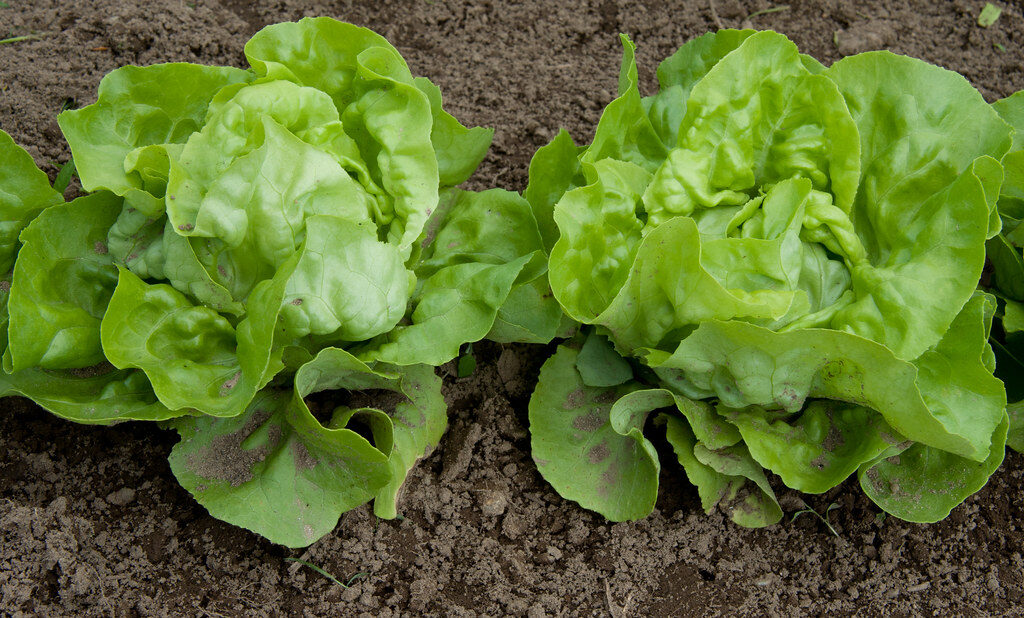
Best Lettuce Varieties to grow at home
| Lettuce Type | Popular Varieties | Why It’s Great at Home |
|---|---|---|
| Leaf Lettuce | Black Seeded Simpson, Red Sails | Fast growing, cut-and-come-again harvest |
| Romaine | Paris Island, Little Gem | Upright growth, great for small spaces |
| Butterhead | Bibb, Buttercrunch | Soft leaves, mild flavor, very forgiving |
| Looseleaf Mix | Mesclun Blend | Quick harvest, perfect for containers |
| Crisphead (Summer) | Batavian, Nevada | More heat tolerant than iceberg |
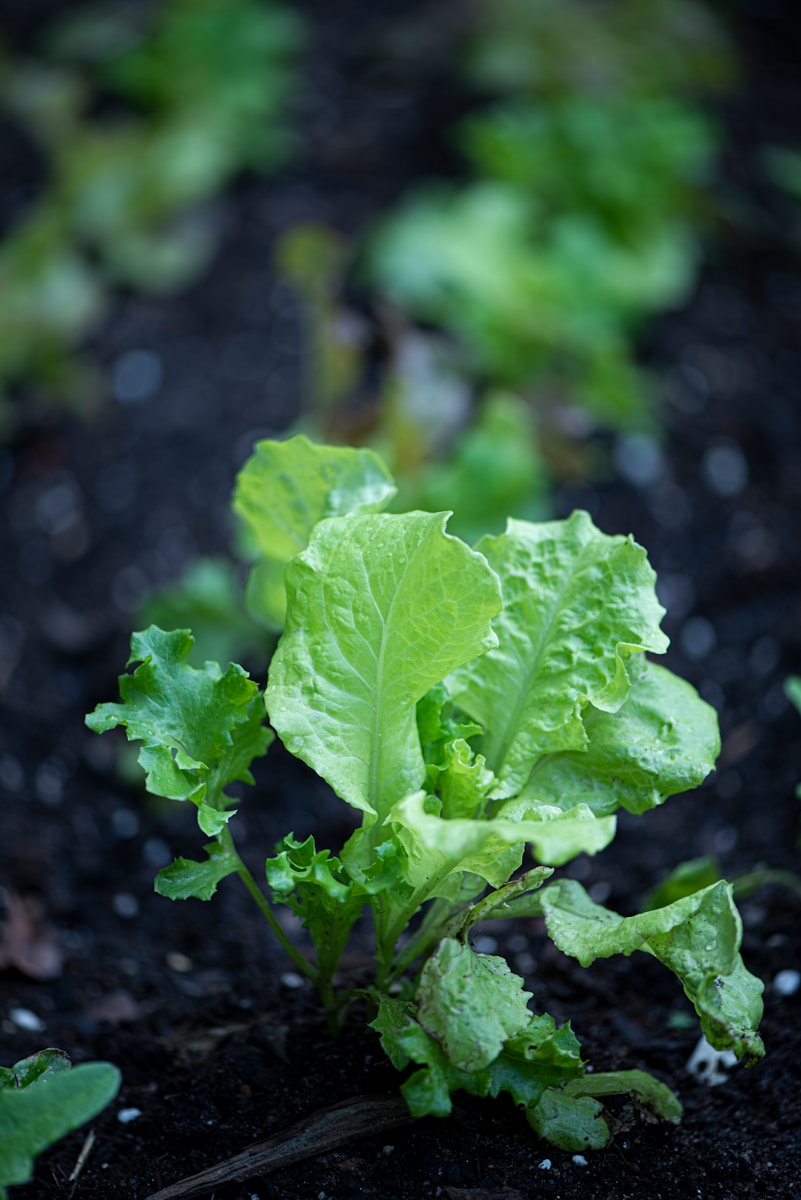
Best Spinach Varieties
| Spinach Variety | Best Use | Why It’s Great at Home |
|---|---|---|
| Bloomsdale | Fresh eating, cooking | Classic flavor, cold hardy |
| Space | Fresh eating | Smooth leaves, slow to bolt |
| Tyee | Spring & fall harvest | Very disease resistant |
| Baby’s Leaf | Baby greens | Quick harvest, perfect for containers |
| Regiment | Warm weather | Bolting resistant, dependable |
| Giant Winter | Fall planting | Extremely cold tolerant |
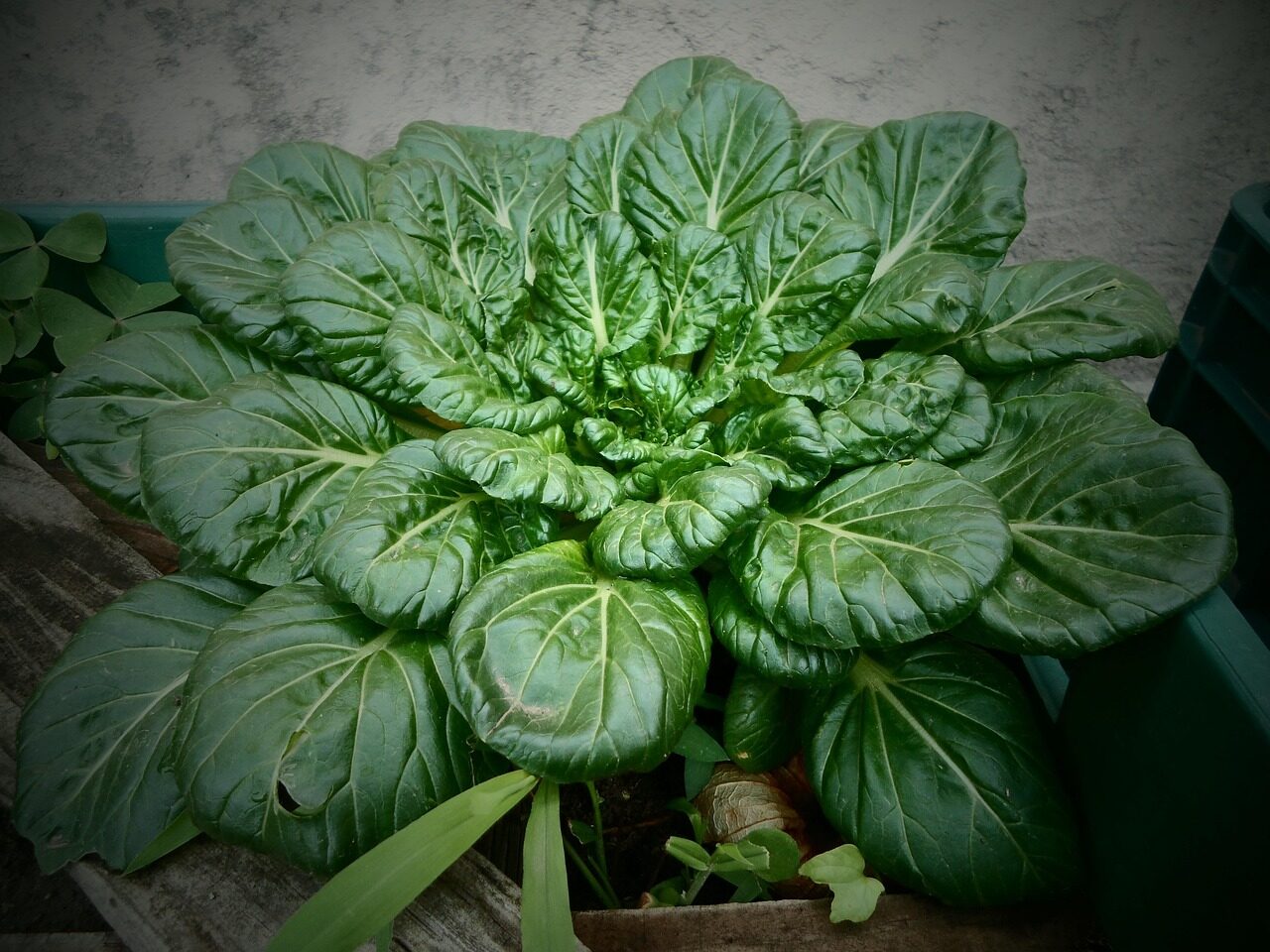
Popular other leafy greens Varieties
| Green Type | Popular Varieties | Why It’s Great at Home |
|---|---|---|
| Kale | Lacinato, Red Russian | Very hardy, keeps producing all season |
| Swiss Chard | Bright Lights, Fordhook | Heat tolerant, colorful, long harvest |
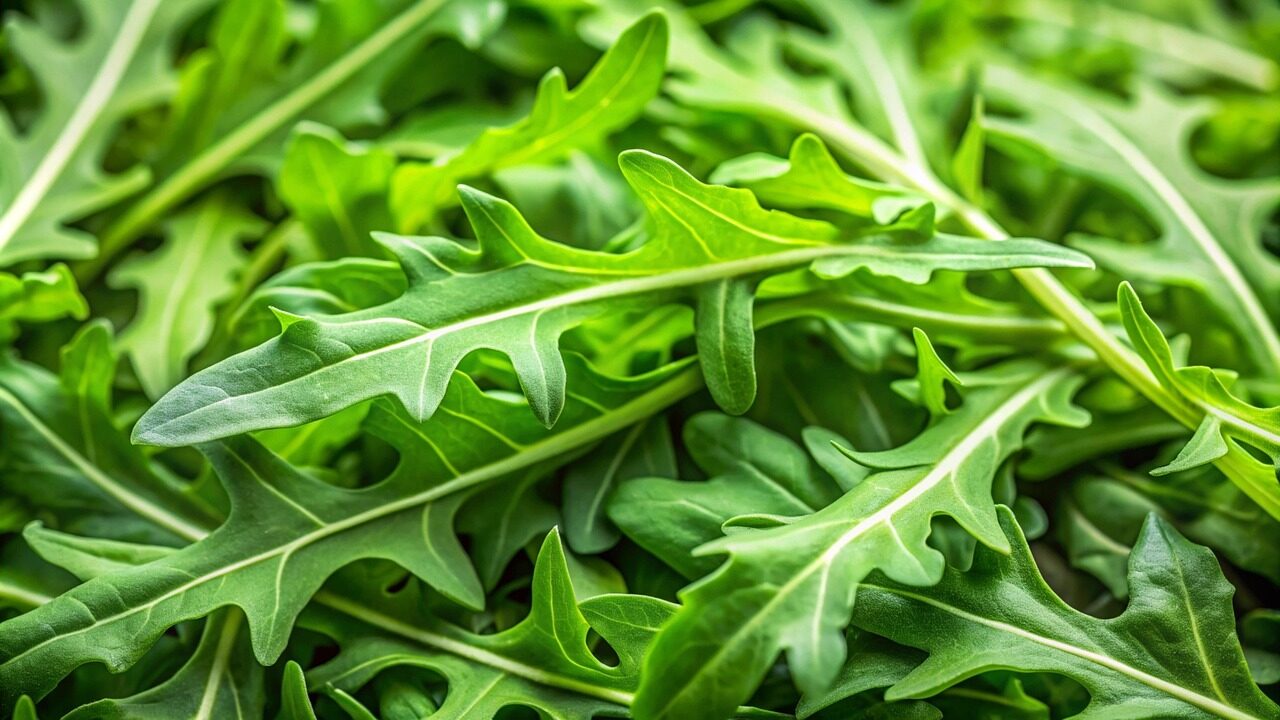
| Arugula | Astro, Rocket | Fast growing, great in containers |
| Mustard Greens | Mizuna, Giant Red | Cold hardy, bold flavor |
| Collard Greens | Georgia Southern, Vates | Tough plants, productive |
| Bok Choy | Joi Choi, Baby Bok Choy | Quick harvest, compact growth |
| Tatsoi | Rosette, Tah Tsai | Cold tolerant, mild flavor |
Ideal Conditions
| Step | What to Do | Simple Tips |
|---|---|---|
| Planting | Sow seeds directly in soil | Plant early spring or fall |
| Sun | Provide partial to full sun | 4–6 hours is plenty |
| Soil | Use loose, rich soil | Add compost before planting |
| Water | Keep soil evenly moist | Don’t let soil dry out |
| Spacing | Thin seedlings | Good airflow prevents disease |
| Harvest | Cut outer leaves | Plants will keep growing |
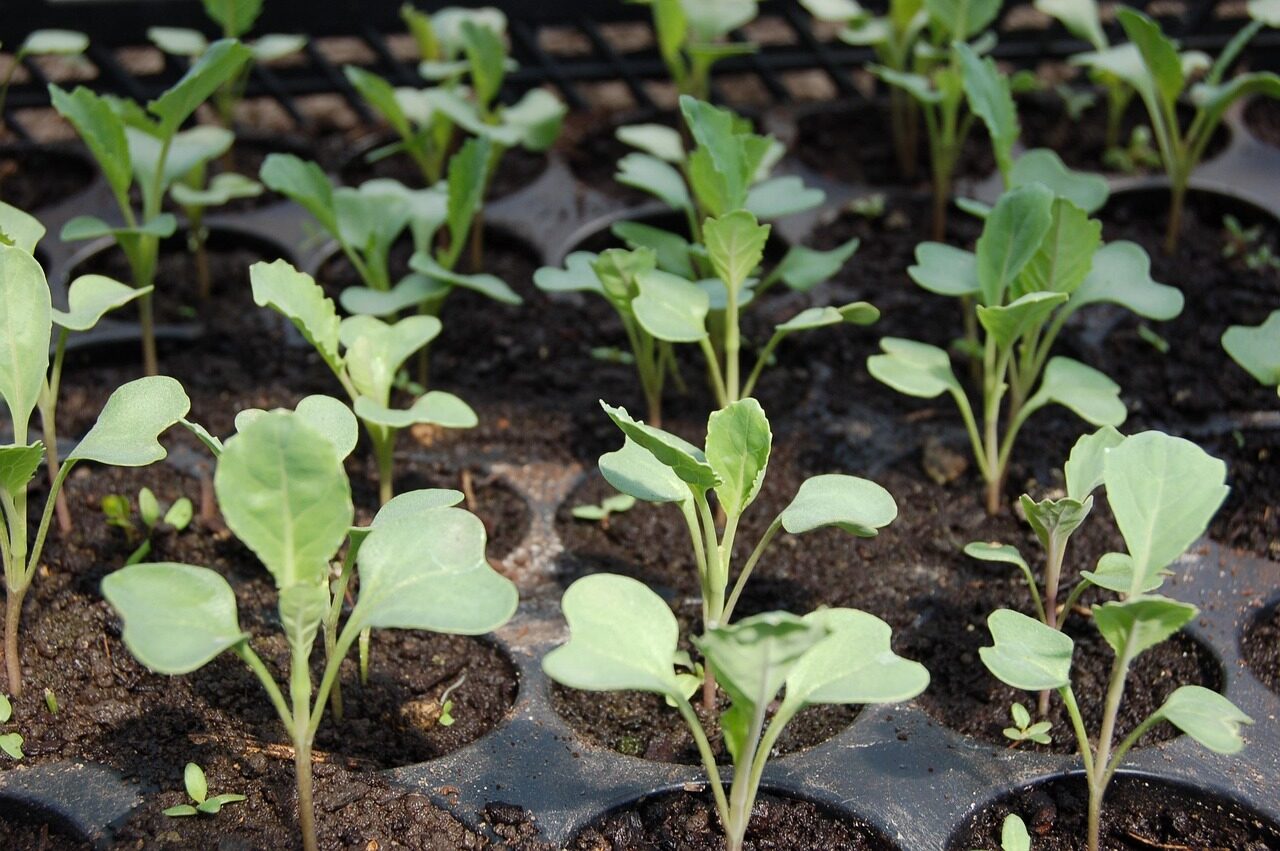
When to start seeds and transplant
| USDA Zone | Spring Seed Starting (Direct Sow) | Fall Seed Starting |
|---|---|---|
| Zone 4 | 4–6 weeks before last frost | 6–8 weeks before first frost |
| Zone 5 | 4–6 weeks before last frost | 6–8 weeks before first frost |
| Zone 6 | 3–5 weeks before last frost | 6–8 weeks before first frost |
| Zone 7 | 2–4 weeks before last frost | 8–10 weeks before first frost |
| Zone 8 | Late winter to early spring | September–October |
| Zone 9 | January–February | October–November |
| Zone 10 | December–January | November–December |
Quick notes:
- Helpful notes:
- Leafy greens prefer cool weather, so earlier is better than later
- Most greens do best direct sown, but can be started indoors 2–3 weeks early
- Fall plantings often grow better and sweeter than spring crop
Frost tolerance
| Leafy Green | Frost Tolerance Level | Notes |
|---|---|---|
| Spinach | Very hardy | Can survive hard frosts |
| Kale | Very hardy | Sweeter after frost |
| Collards | Very hardy | Handles freezing temps well |
| Mustard Greens | Hardy | Light to moderate frost |
| Arugula | Hardy | Flavor improves in cool weather |
| Tatsoi | Very hardy | Excellent cold tolerance |
| Swiss Chard | Moderate | Light frost only |
| Lettuce | Moderate | Needs protection in hard frost |
| Bok Choy | Moderate | Bolts if warm, light frost okay |
Heat tolerance (bolting temperature estimate)
| Leafy Green | Bolt Temperature | Notes |
|---|---|---|
| Lettuce | 70–75°F (21–24°C) | Looseleaf varieties bolt slower than romaine |
| Spinach | 75–80°F (24–27°C) | Prefers cool weather; bolts quickly in heat |
| Kale | 80–85°F (27–29°C) | Lacinato is more heat tolerant than curly types |
| Arugula | 65–75°F (18–24°C) | Quick to bolt; pick leaves early for best flavor |
| Mustard Greens | 70–80°F (21–27°C) | Flavor becomes more pungent after bolting |
| Collards | 80–85°F (27–29°C) | Bolts slower than most greens |
| Swiss Chard | 75–85°F (24–29°C) | Bolts in hot, dry weather |
| Bok Choy | 70–75°F (21–24°C) | Baby bok choy bolts faster than full-size |
How about direct sowing
Yes, you absolutely can direct sow leafy greens, and it’s actually the best way to grow most of them
Most leafy greens (like lettuce, spinach, kale, arugula, mustard, and collards) don’t love having their roots disturbed. Sowing seeds straight into the garden helps them grow faster and stronger from the start. I always just direct sow all of my leafy greens and always have great results.
Why direct sowing works so well:
- Seeds germinate quickly in cool soil
- No transplant shock
- Less work and fewer supplies
- Better root development
Simple tips for success:
- Plant in early spring or fall (cool weather is key)
- Keep soil consistently moist until seeds sprout
- Plant shallow — most greens need only about ¼ inch of soil
- Thin seedlings so plants aren’t crowded
Fertilizing schedule
| Timing | What to Apply | How & Notes |
|---|---|---|
| Before Planting | Compost or balanced fertilizer | Mix into top 4–6 inches of soil |
| 2–3 Weeks After Sprouting | Nitrogen-rich fertilizer | Light feeding to boost leafy growth |
| Every 2–3 Weeks | Liquid fertilizer or fish emulsion | Apply at half strength |
| After First Harvest | Nitrogen fertilizer | Helps plants regrow new leaves |
| Mid-Season Boost | Compost side-dressing | Scratch into soil and water well |
Helpful tips:
- I just use a standard 10-10-10 for most applications
- Leafy greens need nitrogen, but don’t overdo it
- Too much fertilizer = fast growth but weaker flavor
- Always water after fertilizing to prevent burn
Common Pest
| Pest | Damage | Simple Control Tips |
|---|---|---|
| Aphids | Curling, yellowing leaves | Spray with water, introduce ladybugs, use insecticidal soap |
| Cabbage Loopers | Holes in leaves | Handpick, row covers, Bacillus thuringiensis (Bt) |
| Flea Beetles | Small holes, “shotgun” appearance | Floating row covers, neem oil, sticky traps |
| Slugs & Snails | Ragged holes, slime trails | Beer traps, copper tape, handpick at night |
| Leaf Miners | Tunnels inside leaves | Remove affected leaves, row covers, beneficial insects |
| Cutworms | Seedlings cut at base | Collar seedlings, keep soil clear of debris |
| Whiteflies | Yellowing, sticky residue | Yellow sticky traps, insecticidal soap, reflective mulch |
Common diseases
| Disease | Symptoms | Simple Control Tips |
|---|---|---|
| Downy Mildew | Yellow or brown spots on leaves, fuzzy growth underneath | Space plants for airflow, water at soil level, resistant varieties |
| Powdery Mildew | White, powdery coating on leaves | Remove affected leaves, improve air circulation, fungicide if needed |
| Leaf Spot | Small, dark spots on leaves | Remove infected leaves, avoid overhead watering, crop rotation |
| Damping-Off | Seedlings collapse and rot | Use sterile soil, avoid overwatering, thin seedlings |
| Fusarium Wilt | Yellowing leaves, stunted growth | Rotate crops, use resistant varieties |
| Bacterial Leaf Spot | Water-soaked spots that turn dark | Avoid wetting leaves, use copper sprays if severe |
| Mosaic Virus | Mottled leaves, stunted growth | Remove infected plants, control aphids (vectors) |
Growing leafy greens at home is one of the easiest and most rewarding things you can do in your garden. They don’t need fancy tools, grow quickly, and you can harvest fresh, flavorful leaves right when you need them. Plus, they’re forgiving plants—most can handle a little cold, a little heat, or even if you forget to water for a day or two.
Having greens in your own backyard or on your windowsill also means you always have healthy food on hand without a trip to the store. You get to control how they’re grown, avoid unnecessary chemicals, and enjoy the satisfaction of picking and eating something you nurtured yourself.
At the end of the day, growing leafy greens is simple, practical, and good for your body and your wallet. Even if you only have a small space, a few pots of lettuce, kale, or spinach can make a big difference in your meals—and it’s a little bit of green therapy every time you step outside to check on them
No responses yet