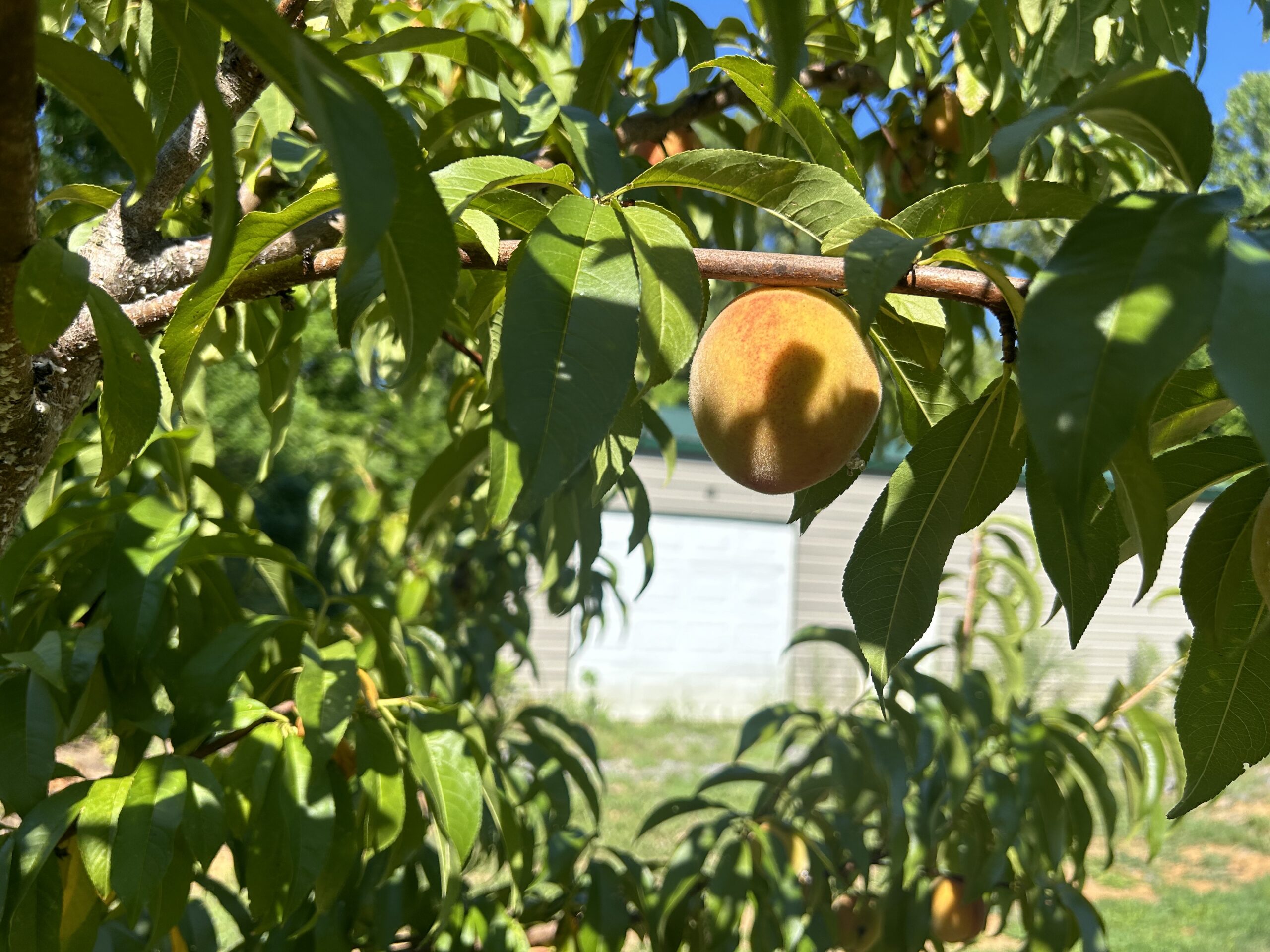
Spraying fruit trees in the winter is important because it helps stop problems before they ever get started. During the cold months, insects and diseases don’t disappear—they hide in bark cracks, buds, and fallen debris around the tree. A winter spray targets these pests while they’re dormant, reducing their numbers long before spring growth begins. This means fewer bugs chewing on leaves and fruit later, and less chance of disease spreading when the tree wakes up.
Winter spraying also gives trees a healthier start to the growing season. With fewer pests and disease spores hanging around, the tree can put its energy into strong growth and fruit production instead of fighting stress. It’s easier and more effective to control issues when the tree has no leaves and insects are less active, making winter one of the best times to protect your orchard. A little effort in the off-season can save a lot of trouble once spring arrives.
Here’s a simple, general timetable you can use as a guide for spraying fruit trees through the year. Timing can vary a bit by climate and tree type, but this works well for most home orchards.
General Spraying Schedule
| Time of Year | Tree Stage | Purpose of Spraying | Common Sprays Used |
|---|---|---|---|
| Late Fall | After leaves drop | Reduce overwintering pests and disease | Copper fungicide, lime sulfur |
| Winter (Dormant) | Fully dormant | Kill insects, eggs, and disease hiding in bark | Dormant oil, copper spray |
| Late Winter / Early Spring | Bud swell (before buds open) | Prevent early disease and insect damage | Dormant oil, fungicide |
| Early Spring | Green tip / pink bud | Protect new growth from disease | Fungicide, insecticide (if needed) |
| After Bloom | Petal fall | Control insects without harming pollinators | Insecticide, fungicide |
| Late Spring – Early Summer | Fruit forming | Prevent pest damage and disease spread | Targeted sprays as needed |
| Mid to Late Summer | Fruit maturing | Spot treatment only if problems appear | Minimal or targeted sprays |
Tip: Always spray on dry, calm days and follow label instructions closely. Winter and dormant sprays are especially important because they reduce problems early, meaning fewer sprays are needed later in the season.
What is a Dormant oil?
A dormant tree spray is a treatment applied to fruit trees during the winter or very early spring while the tree is not actively growing and has no leaves. Its main purpose is to control insects, eggs, and diseases that survive the winter by hiding in the bark, buds, and cracks of the tree. By spraying at this time, you reduce pest and disease problems before the tree starts growing in spring.
Dormant sprays usually include dormant oil, which smothers insect eggs and overwintering pests like aphids, mites, and scale, and sometimes a fungicide such as copper or lime sulfur to prevent diseases like leaf curl, scab, and blight. Because the tree is leafless, the spray can thoroughly coat the branches and trunk without harming new growth. Used correctly, dormant sprays are one of the easiest and most effective ways to protect fruit trees for the coming season.
Top Dormant Oils for Fruit Trees
- Bonide All Seasons Horticultural & Dormant Spray Oil Concentrate – Concentrated and highly rated, this classic dormant oil is effective at smothering pests and can be diluted for larger spray jobs. Great choice if you want good coverage for several trees.
- Bonide All Seasons Dormant Horticultural Oil – Ready to mix and use; a trusted option with strong reviews for fruit trees and other garden plants.
- Bonide All Seasons Horticultural & Dormant Spray Oil RTS – Pre-mixed and ready-to-spray version — convenient if you don’t want to mix concentrates.
- Monterey Horticultural Oil – OMRI-listed for organic gardens and versatile for both dormant and growing season use. Offers good penetration into bark crevices.
- Southern Ag Parafine Horticultural Oil – Highly refined paraffinic oil that’s gentle and effective for overwintering pest control.
- Hi‑Yield Dormant Spray 32033 – Affordable dormant spray that controls a broad range of insects common on fruit trees.
- Ferti‑lome Concentrate Paraffinic Oil Dormant Spray – Gallon size concentrate if you have multiple trees or want more coverage.
- Les Prod Controle Dormant Spray Oil – Budget-friendly dormant oil option for smaller gardens.
Tips Before Spraying
- Spray before buds swell — ideally late winter to early spring when trees are still dormant and temperatures are above ~40°F.
- Choose a calm, dry day with no rain forecast for 24–48 hours
- Follow label instructions for the safety yourself and the trees
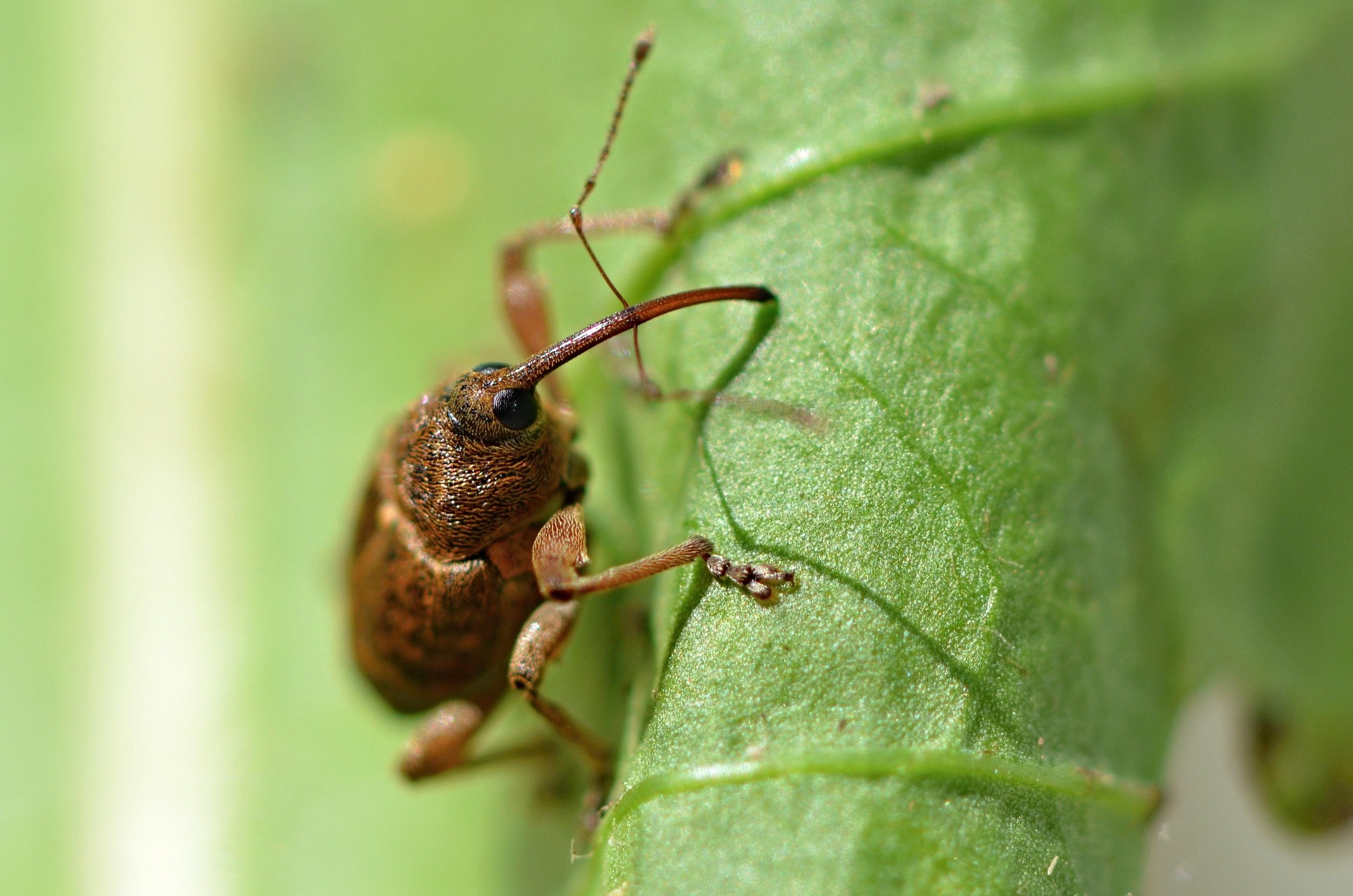
Common pest controlled by dormant oil
Scale insects (San Jose scale, oyster shell scale)
Aphids (eggs and young stages)
Mites (especially spider mite eggs)
Pear psylla
Mealybugs
Whiteflies (eggs and nymphs)
Leafrollers (overwintering larvae)
Thrips (some overwintering stages)
Common diseases controlled by dormant oil
- Powdery mildew (reduces overwintering spores on buds and bark)
- Peach leaf curl (limited control; oil helps but copper is far more effective)
- Sooty mold (indirect control by reducing aphids and scale that cause it)
- Fire blight (indirect—reduces insects that can spread bacteria, but does not kill it)
Important clarification
Dormant oil is primarily an insect control, not a fungicide or bactericide. For true disease control, it is commonly combined with other dormant sprays, such as:
- Copper fungicide – for peach leaf curl, bacterial spot, fire blight suppression
- Lime sulfur – for scab, leaf curl, and other fungal diseases
Mixing fungicide and dormant oil
I often mix copper fungicide and dormant oil and sprayed together on fruit trees, but only if the product labels specifically say it’s allowed and the timing is right. When done correctly, this combination is commonly used during the dormant season to control both overwintering insects and diseases in one application.
When it is okay
- Trees are fully dormant (no green tissue showing)
- Temperatures are above 40°F and not expected to freeze for 24–48 hours
- You are using copper products labeled as compatible with dormant oil
- You follow the exact mixing rates on both labels
This combination is especially useful for problems like peach leaf curl, bacterial spot, scale insects, and mites.
Important cautions
- Do NOT spray after buds begin to swell — oil + copper can burn buds and young tissue
- Do NOT mix if either label warns against it
- Do NOT over-concentrate either product
- Avoid spraying stressed trees or trees that were recently sprayed with sulfur (wait at least 2–3 weeks)
Best practice
Many growers:
- Fill sprayer halfway with water
- Add copper fungicide and mix well
- Add dormant oil last
- Finish filling with water and keep agitated
Time guide by tree type
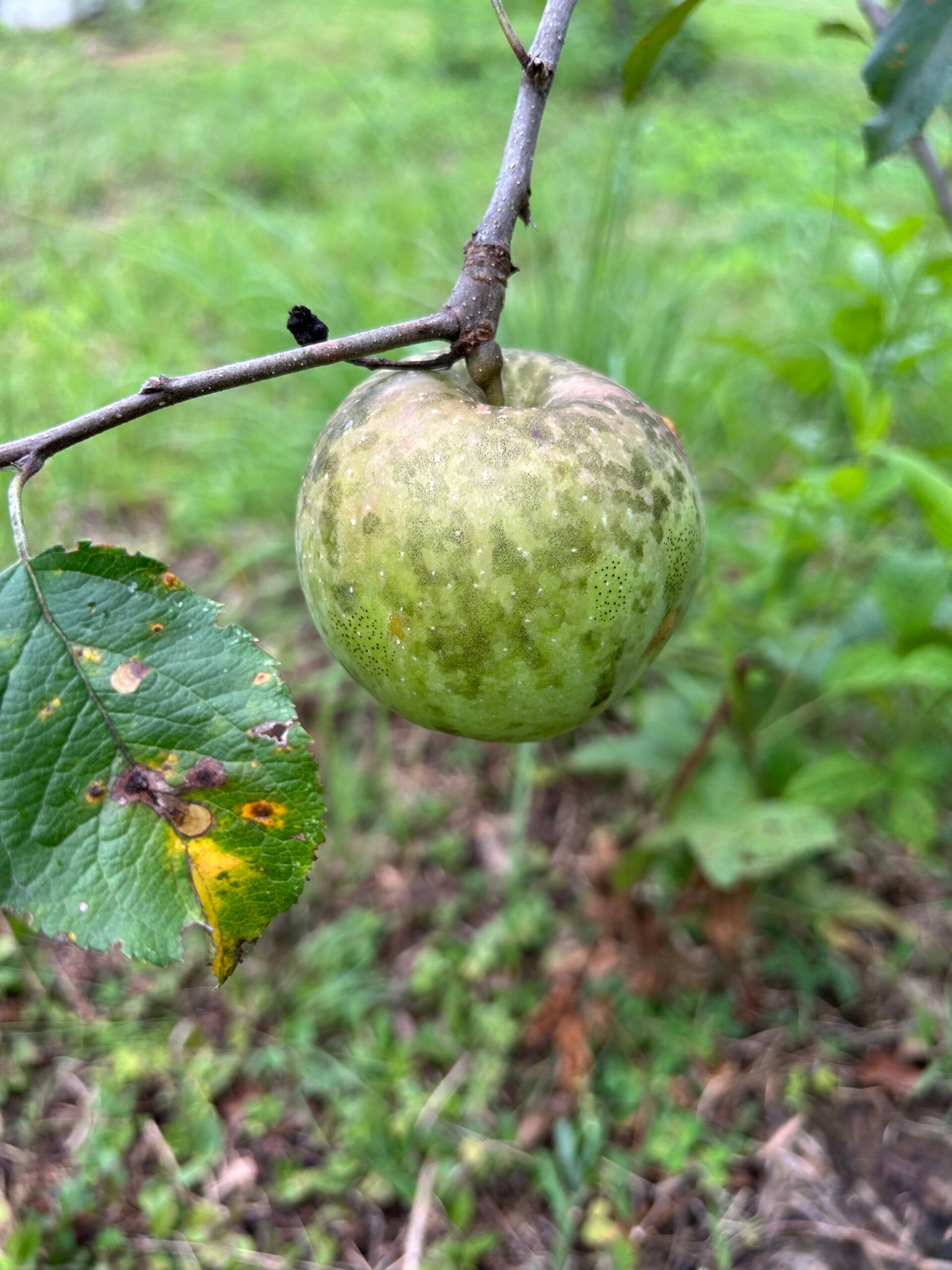
Apple & Pear
Best timing:
- Late winter to early spring, when buds are swelling but no green tissue is visible
What to spray:
- Dormant oil (scale, mites, aphids)
- Copper fungicide (fire blight suppression, scab)
Notes:
- Apples and pears tolerate copper better than stone fruit
- Avoid spraying once green tips appear
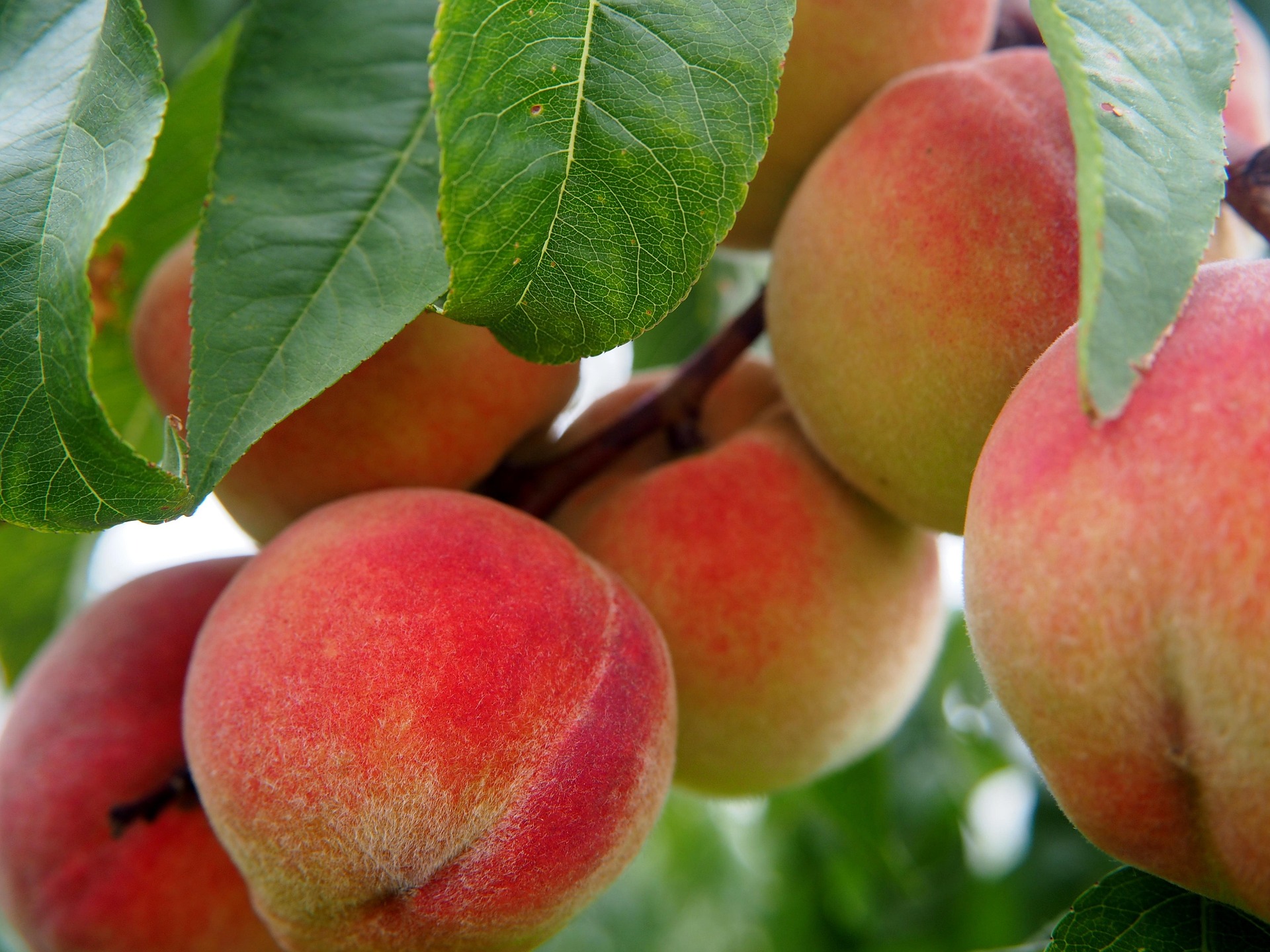
Peach & Nectarine
Best timing:
- Late fall (after leaf drop) and/or late winter before bud swell
What to spray:
- Copper fungicide (essential for peach leaf curl)
- Dormant oil (aphids, scale)
Notes:
- Copper must be applied before buds swell to control leaf curl
- Very sensitive once growth begins
Cherry (Sweet & Tart)
Best timing:
- Late winter, just before bud swell
What to spray:
- Dormant oil
- Light copper (if disease pressure is known)
Notes:
- Use lower copper rates; cherries can be sensitive
- Stop before green tissue shows
Plum & Apricot
Best timing:
- Late winter, during full dormancy
What to spray:
- Dormant oil
- Copper fungicide (bacterial spot, leaf curl)
Notes:
- Similar care as peaches—don’t spray late
- Good coverage is critical
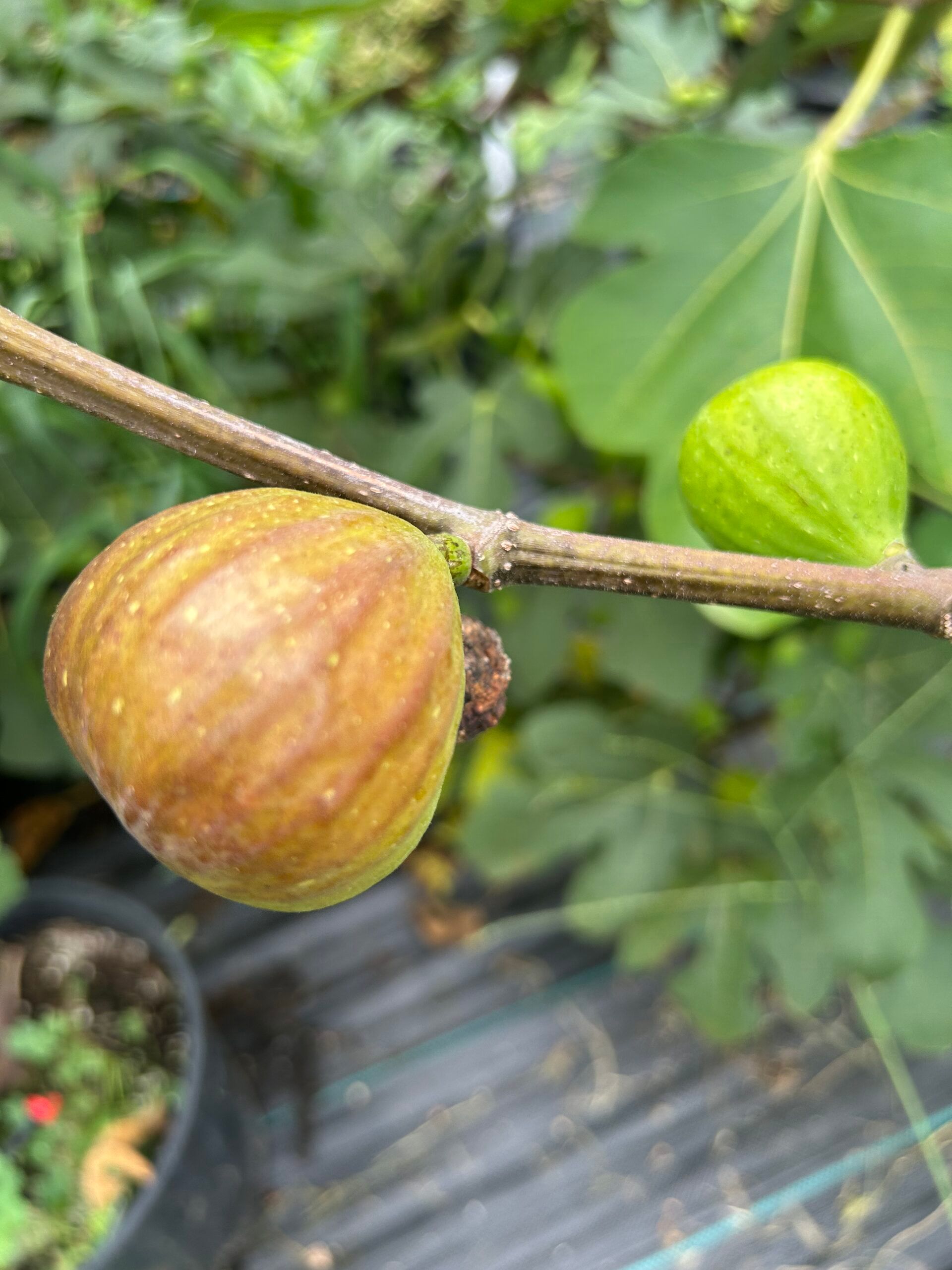
Fig, Persimmon, Pomegranate
Best timing:
- Mid to late winter, fully dormant
What to spray:
- Dormant oil (mainly for scale and mites)
Notes:
- Copper usually unnecessary unless disease has been an issue
General Rules for All Trees
- Spray on a dry, calm day above 40°F
- No rain for 24 hours
- Trees must be fully dormant
- Thoroughly coat trunk, limbs, and branch crotches
- Stop spraying once buds begin to open
Simple Rule of Thumb
- Leaf curl? → Copper before bud swell
- Scale or mites? → Dormant oil in winter
- Both? → Copper + dormant oil during full dormancy (label-approved)
Winter spraying is one of those quiet jobs that doesn’t look like it’s doing much, but it pays off in a big way later. By taking care of pests and diseases while trees are dormant, you’re stopping problems before they ever have a chance to show up. It’s easier, safer for the tree, and usually means fewer sprays once the season gets busy. A little time spent in the winter helps set fruit trees up for healthier growth, better fruit, and less frustration when spring finally arrives.
.
Comments are closed