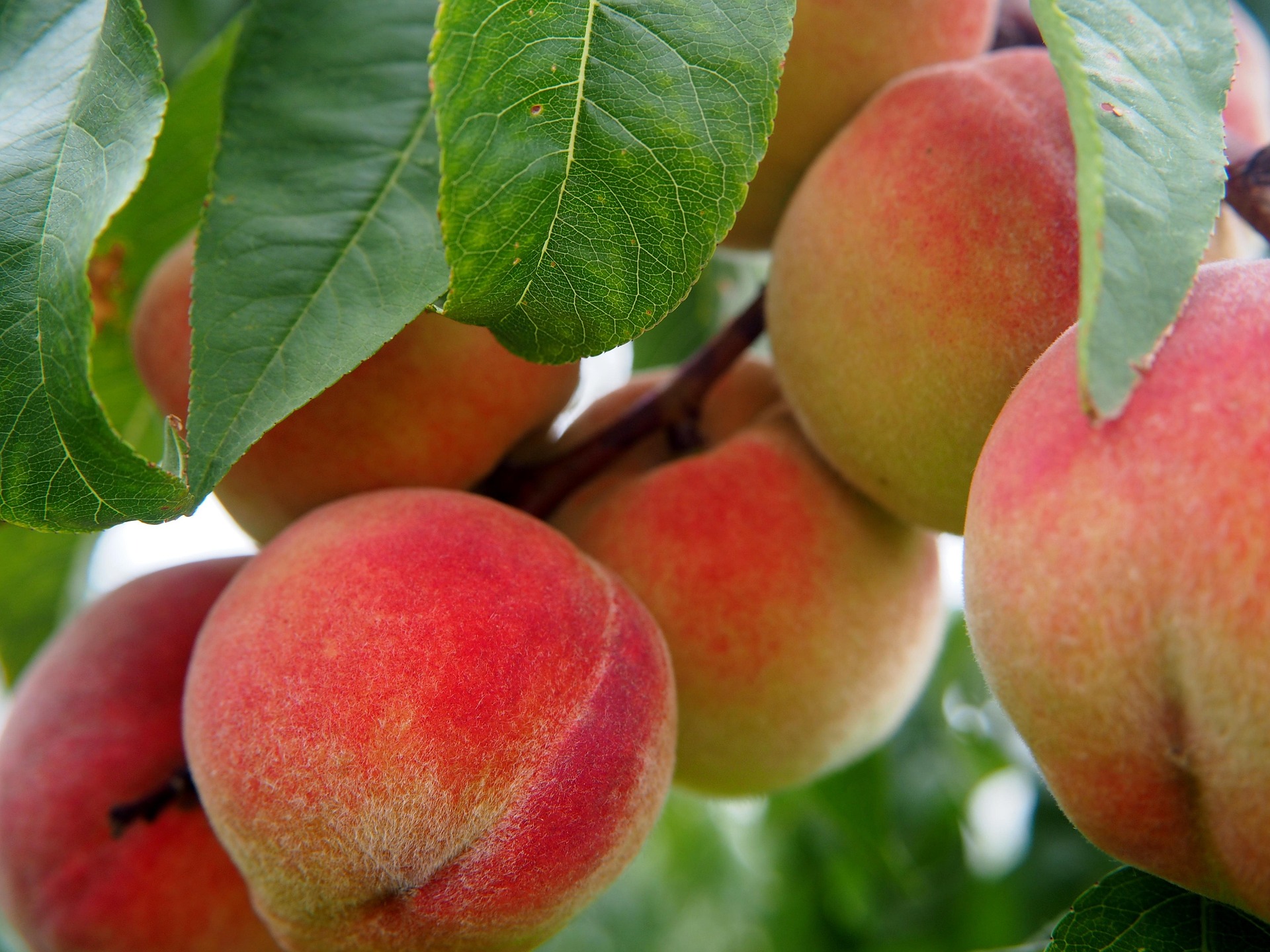
Why do I have to thin peaches?
General rule for thinning peaches
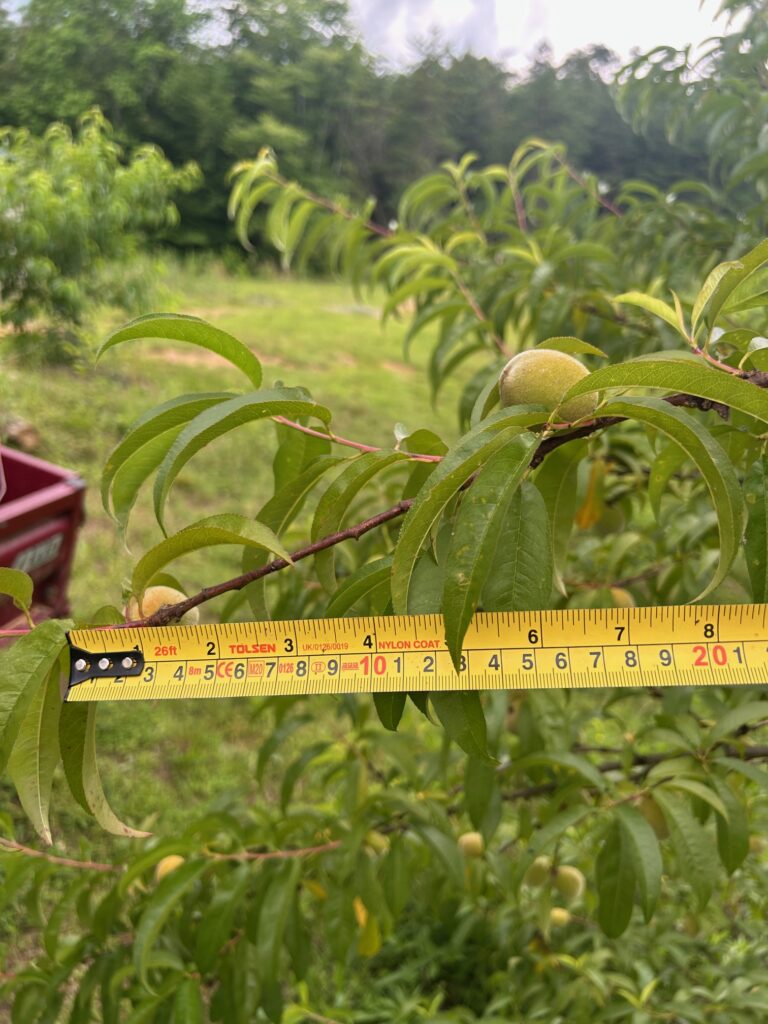
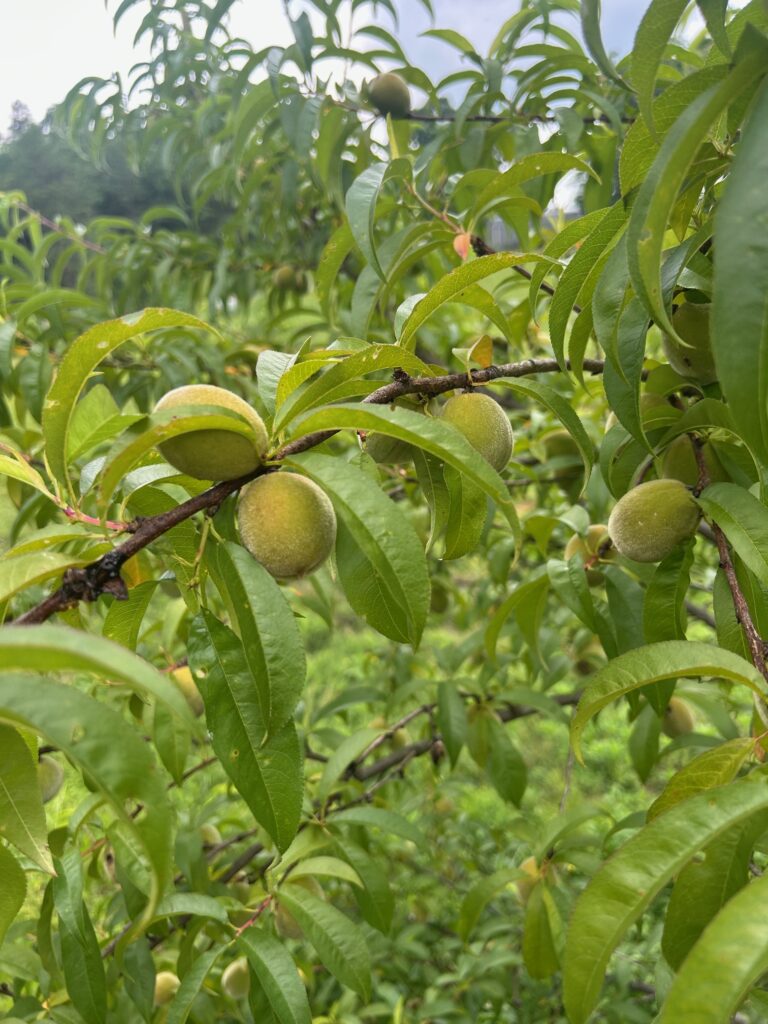
- Timing: Best done when fruits are about the size of a nickel (around 4–6 weeks after bloom).
- Spacing: Leave about 6–8 inches between fruits on a branch.
1. Larger, Better Quality Fruit
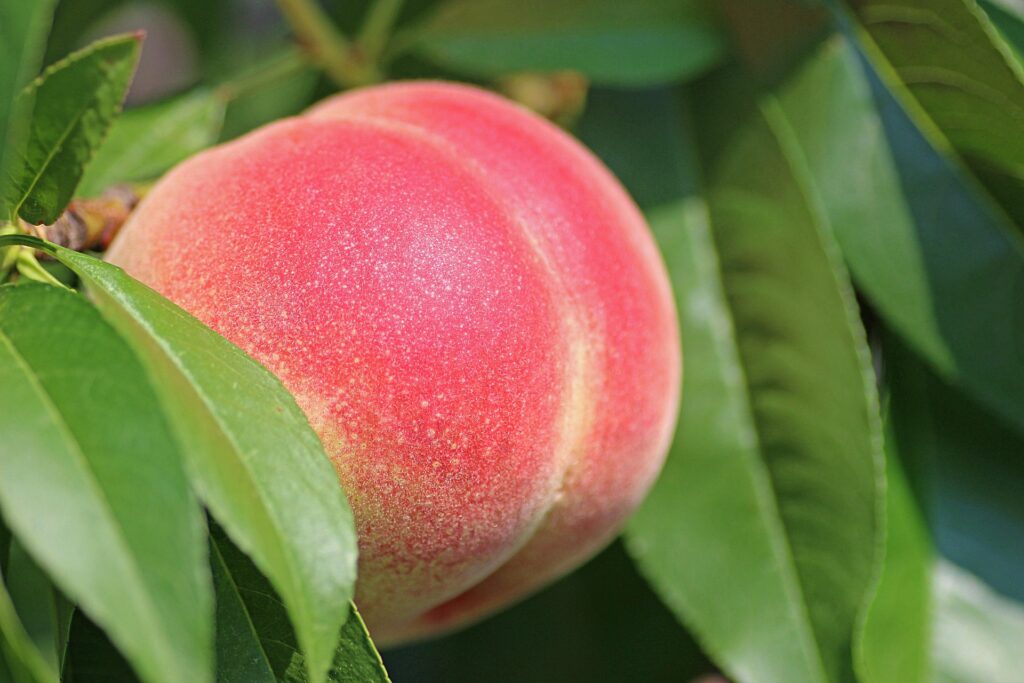
Peach trees naturally set more fruit than they can support. If all those fruits are left to grow, they compete for nutrients and water, resulting in many small, underdeveloped peaches. Thinning ensures the remaining fruits grow larger, sweeter, and more flavorful.
What Happens if You Don’t Thin Peaches
- Too Many Fruits, Not Enough Resources
- Peach trees can only send so much water, sugar, and nutrients to developing fruit.
- If every fruit stays on the tree, they compete, and most won’t reach full size or sweetness.
- Small, Underripe, or Deformed Fruit
- You’ll often get a large number of small, hard, bland, or misshapen peaches.
- Even if they ripen, they tend to be less juicy and flavorful.
- Overburdened Branches
- Without thinning, branches can become overloaded and break, especially after rain when fruit gets heavier.
2. Healthier Tree
Too many peaches weigh down branches, increasing the risk of limb breakage. Thinning reduces that load and stress, keeping the tree structurally sound and healthier over time.
3. Promotes Consistent Yearly Yields
If a tree produces an excessive crop one year (called a “bumper crop”), it may exhaust itself and produce poorly the next—a pattern known as biennial bearing. Thinning helps maintain balance, encouraging regular fruiting every season.
4. Reduces Disease and Pest Pressure
Crowded fruit is more prone to fungal infections and insect infestations due to limited airflow and contact between fruit. Thinning improves spacing and air circulation, which can reduce the risk.
Thinning peaches can indirectly help control pests, and here’s how that works—plus how to combine thinning with other pest-prevention strategies:
Why Thinning Helps with Pest Control
- Better Airflow & Sunlight
- Crowded peaches create humid, shady environments—ideal for pests like aphids, scale insects, and fruit moths.
- Thinning increases airflow and sunlight, making it harder for these pests to thrive.
- Less Fruit-to-Fruit Contact
- When peaches touch, pests like plum curculio or peach twig borer can move easily from one fruit to another.
- Thinning disrupts this by spacing fruit out, limiting pest access and damage spread.
- Easier Monitoring & Spraying
- Properly thinned trees are easier to inspect and treat, whether you’re using organic sprays (like neem or spinosad) or conventional methods.
- You can see pests earlier and apply treatments more effectively.
Best Practices for Pest-Aware Thinning
- Remove damaged or misshapen fruit early—these often attract pests.
- Discard thinned fruit away from the tree, especially if any show signs of pest activity (tiny holes, sap, or frass). Don’t leave them on the ground, as they can harbor larvae.
- Consider thinning in combination with:
- Dormant oil sprays (late winter/early spring)
- Kaolin clay spray or sticky traps during active pest seasons
- Baggie protection: After thinning, some growers place mesh or paper bags over developing fruit to deter pests (especially in small orchards).
Thinning per Age of tree
Young Trees (1–3 years old)
- Goal: Focus on building a strong structure, not producing a full crop yet.
- What to Do:
- Remove most or all of the fruit the first year or two.
- This helps the tree put energy into root and branch development.
- You can leave a few fruits in year 3 if the tree is vigorous, but still thin heavily.
Mature Trees (4+ years old)
- Goal: Balance fruit load to produce high-quality peaches and protect the tree’s structure.
- What to Do:
- Start thinning when peaches are marble- to nickel-sized (usually 4–6 weeks after bloom).
- Use your hand or pruning shears to remove excess fruit.
How to Space the Fruit
- 6–8 inches apart along the branches.
- Leave only one fruit per cluster, picking the best-looking one.
- Choose fruit in the center of the branch, not tips or undersides where it might be shaded or break limbs.
Thinning Tips
- Start at the top of the tree and work your way down.
- If you’re unsure, err on the side of thinning more—the tree will thank you.
- Do it before the pit hardens (you can test by cutting one open—if the pit is soft, it’s not too late).
How to Choose Which Peaches to Keep
When you see a cluster of peaches (often 2–4 growing close together), do this:
- Keep the largest, healthiest peach in the group.
- Prioritize fruit that:
- Is centered on the top or side of a branch (not dangling from the underside).
- Has no blemishes, insect holes, or deformities.
- Is well-spaced from neighboring fruit.
- Remove the others by gently twisting them off or using pruners if needed.
How many should I remove
On average, you should thin about 70–90% of the peaches from your tree. That sounds drastic—but it’s absolutely normal and necessary for producing large, high-quality fruit.
Here’s What That Looks Like:
- If your tree sets 1,000 tiny peaches (not unusual), you’ll likely keep only 100–300 of them.
- That means removing 7 to 9 out of every 10 peaches.
Example Spacing for a Mid-Sized Tree:
If you have a mature tree with 30 fruit-bearing branches:
- Each branch can hold ~4–6 well-spaced peaches.
- Total peaches = around 120–180 good fruits.
Final Thoughts
Peach trees are a lot of work, but they are one of the most delicious and beautiful fruit trees I have. There is also something enjoying and peaceful of going out early in the morning and examining your fruit and selecting only the very best peaches for further development. This is also a great time to check on the plum curculio damage. Any peaches that show any damage of the plum curculio needs to be prioritize for removal, even if this will leave the entire branch peach less. There is no point of the tree wasting energy on a fruit that will need to be discarded later anyways, remember don’t throw the peaches on the ground since this will add to problem next year at well. The other thing to watch out for is the tree will naturally select some fruit over others. You can tell which fruit the tree is shedding as they will be smaller or just don’t look as nice as the other peaches. I know some time is is hard to see all of those beautiful peaches laying on the ground, but it has to be done. I would rather have 100 great peaches than 500 peaches that are inedible.
Comments are closed