Complete Guide to Growing Raspberries
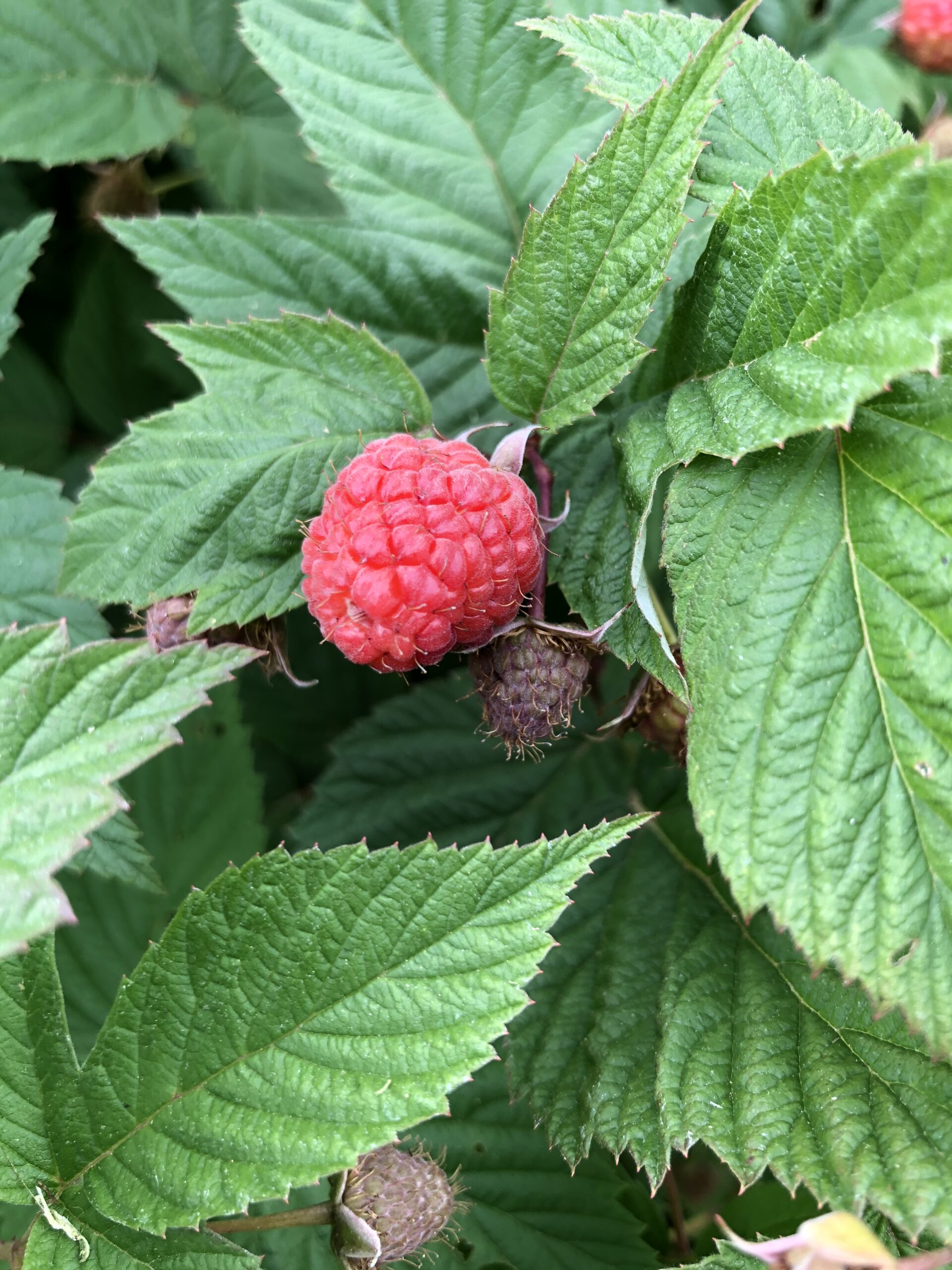
Growing raspberries is a rewarding experience that yields delicious fruit, whether you’re growing them in your backyard, a small garden, or even in containers. Here’s a complete guide to growing raspberries, from selecting the right variety to harvesting your fruit.
1. Choosing the Right Raspberry Variety
Raspberries come in several varieties, each with different growth habits and preferences. The three main types are:
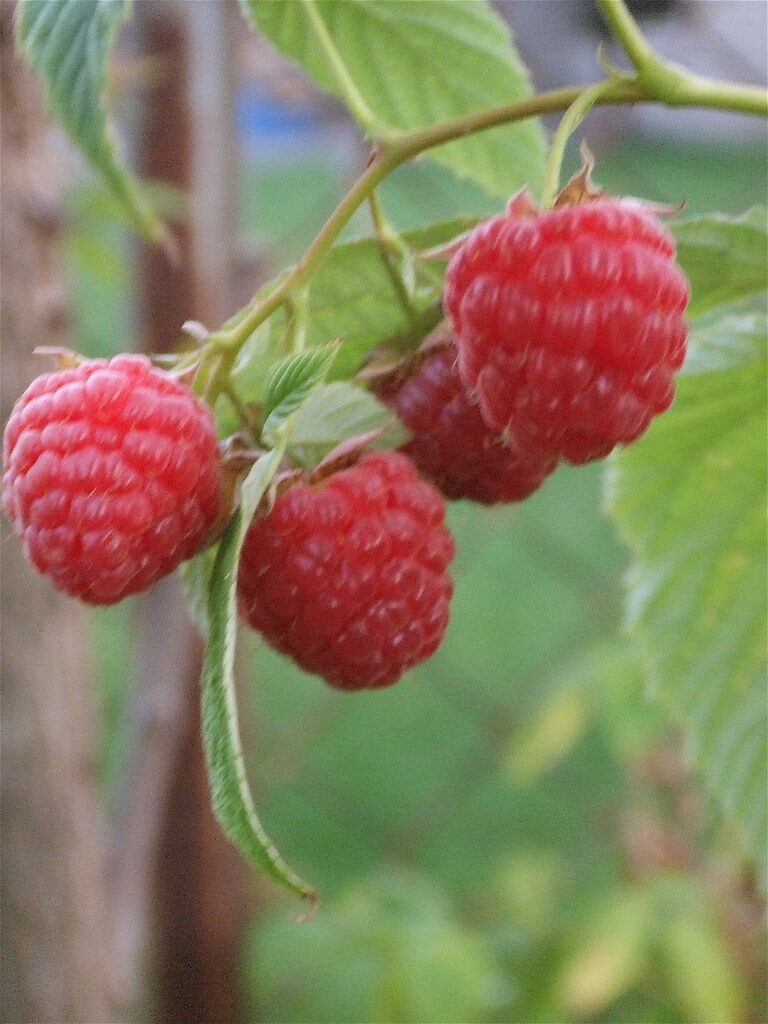
Red Raspberries: The most common type, these produce sweet, red berries. Varieties include ‘Heritage,’ ‘Autumn Bliss,’ and ‘Tulameen.’
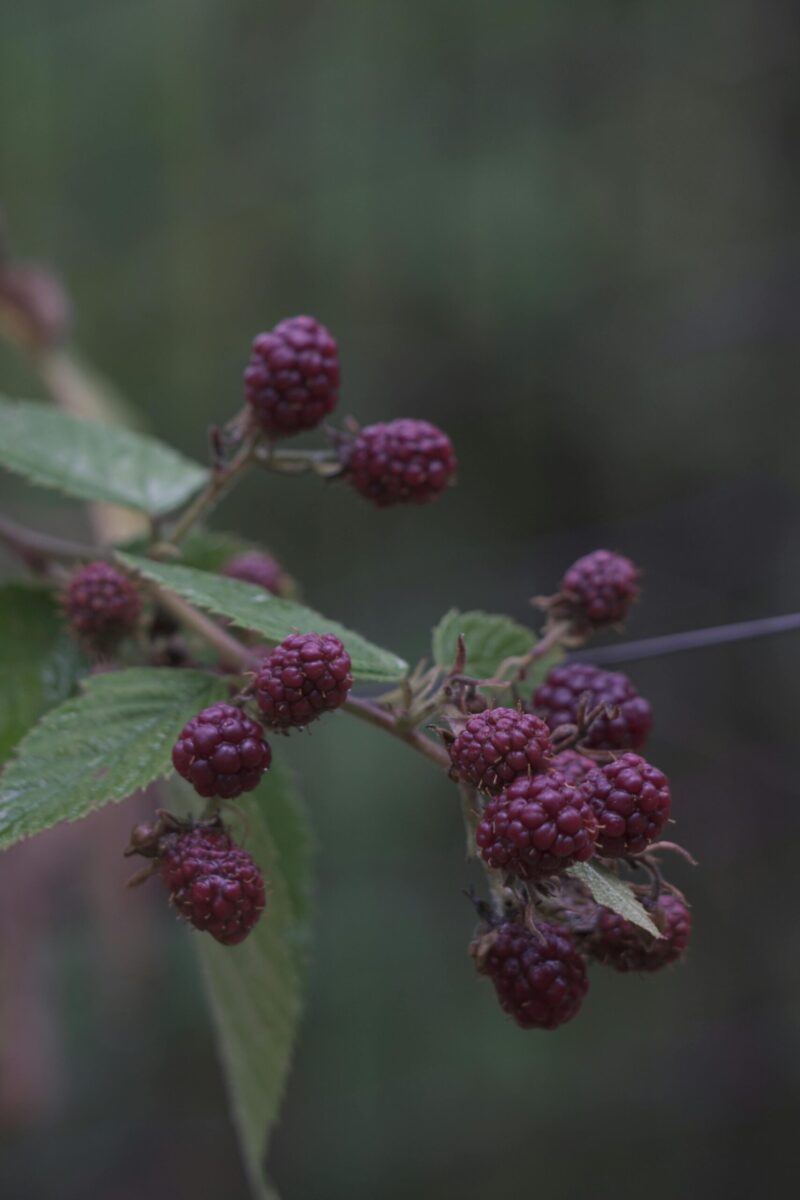
Black Raspberries: These have dark purple to black fruit and a slightly different flavor. Varieties include ‘Bristol’ and ‘Jewel.’
Purple Raspberries: A hybrid between red and black raspberries, offering a unique flavor. Varieties include ‘Royalty.’
Yellow Raspberries: These are essentially red raspberries that have a yellow color. Varieties include ‘Golden Summit.’
2. Site Selection and Preparation
Raspberries prefer well-drained, fertile soil and a location with full sun (at least 6-8 hours of sunlight per day).
Soil: Raspberries prefer slightly acidic soil with a pH between 5.5 and 6.5. Test your soil, and if necessary, amend it with organic matter or compost.
Spacing: Raspberry plants need space to grow. For most varieties, space plants about 18-24 inches apart. Rows should be at least 3-4 feet apart.
Drainage: If your soil is heavy and poorly drained, consider planting raspberries in raised beds or mounded rows to prevent root rot
3. Top Varieties to Grow
Raspberries come in a range of varieties, each with unique flavor, size, color, and harvest times. The top raspberry varieties are usually categorized by color—red, black, yellow, and purple—and by their fruiting type: summer-bearing or everbearing / fall-bearing.
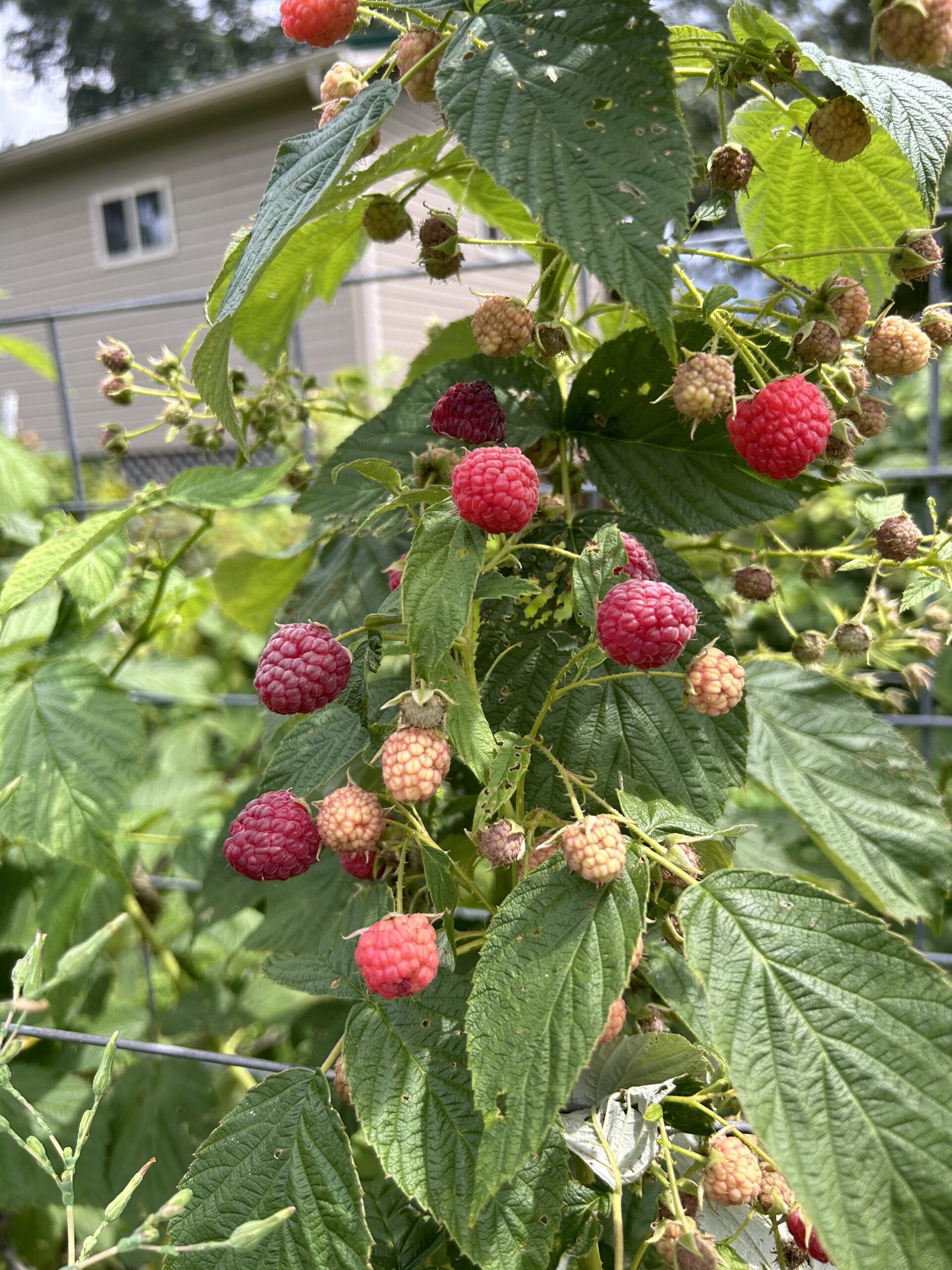
Top Red Raspberry Varieties
| Variety | Key Traits | Best For / Notes |
|---|---|---|
| Heritage | Everbearing, large sweet red berries | Great all around berry |
| Caroline | Everbearing, very large juicy berries | Very productive and good to eat fresh |
| Boyne | Summer-bearing, cold hardy | Reliable in cooler climates |
| Canby | Summer-bearing, nearly thornless | Great flavor easy picker |
| Polana | Primocane/everbearing, firm and sweet | Good for cooler zones |
| Encore | Floricane, sweet firm fruit | Very Vigorous |
| Festival | Floricane, nearly thornless | Another almost thornless vine for easy picking |
| Nova | Floricane, hardy with tart-sweet berries | Good for freezing and cool areas. |
| Latham | Floricane, old-fashioned classic | Very hardy |
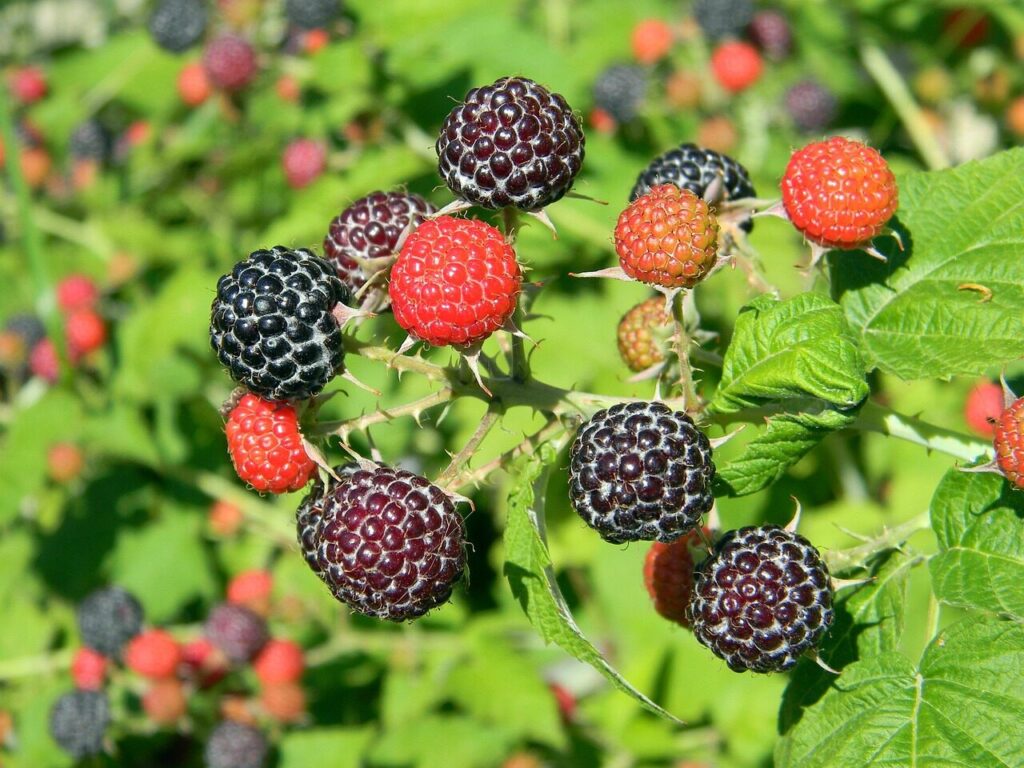
Top Black Raspberry Varieties
| Variety | Key Traits | Best For / Notes |
|---|---|---|
| Jewel | Large, glossy berries; good disease resistance | One of the top all around home garden black raspberries |
| Bristol | Sweet, rich flavor; hardy and productive | Firm fruit that stores and freezes well |
| Cumberland | Large, sweet-tart berries; vigorous canes | Excellent flavor and stores well |
| Allen | Cross of Bristol & Cumberland; strong disease resistance | Sweet flavor and very hardy |
| Black Hawk | Very large, firm fruit; good disease resistance | Very productive with firm berries |
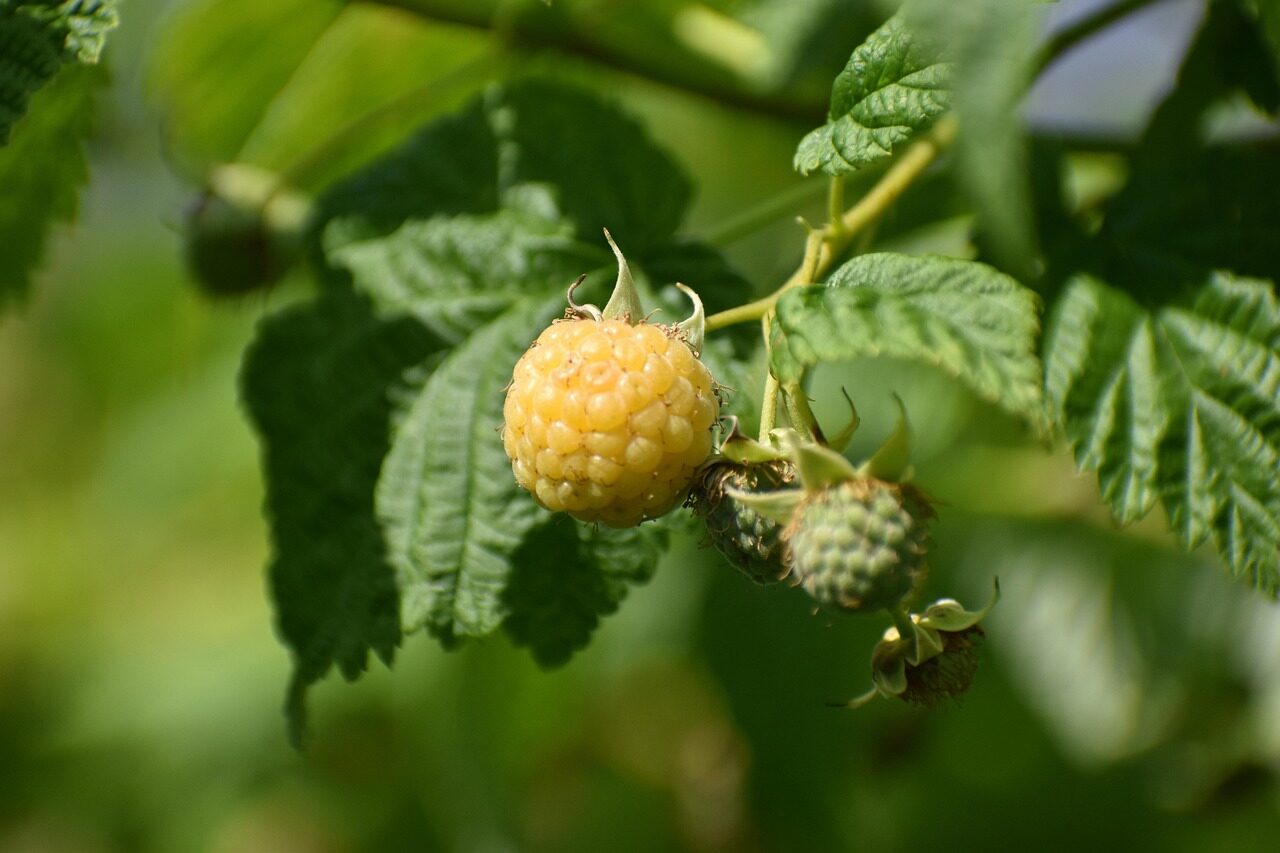
Top Yellow / Golden Raspberry Varieties
| Variety | Key Traits | Best For / Notes |
|---|---|---|
| Fall Gold | Sweet, golden-yellow berries; everbearing twice a year | Very popular and a great choice |
| Anne | Large, mild sweet yellow raspberries; everbearing | These are my favorite of all my raspberries. The flavor is excellent |
| Golden Harvest | Medium golden berries with sweet, juicy flavor | high growth and high productivity |
| Cascade Gold | Large sweet yellow raspberries (summer-bearing) | sweet flavor floricane berry fruits only once |
| Honey Queen | Honey-sweet, peach-tinted yellow berries | Hard to find, but a very sweet berry |
Top Purple Raspberry Varieties
| Variety | Key Traits | Best For / Notes |
|---|---|---|
| Brandywine | Classic purple raspberry with large tangy-sweet fruit; hybrid of red & black raspberries | Excellent all around berry |
| Royalty | Very sweet, large purple fruit with good disease resistance | Propbably the most popular purple varieties, great for fresh eating and jellies |
| Glencoe Purple | Compact, everbearing purple raspberry, often thornless | great container vine with sweet fruit |
My Personal favorites that I grow at home
Heritage – reliable, disease-resistant, good for beginners
Anne – sweet and unique color
Jewel – top black raspberry for backyard growing
Summary Chart by usage
| Use Case | Variety | Color | Type | Key Traits |
|---|---|---|---|---|
| Fresh Eating | Tulameen | Red | Summer-bearing | Large, sweet, firm |
| Heritage | Red | Everbearing | Balanced flavor, easy to grow | |
| Caroline | Red | Everbearing | Deep flavor, softer texture | |
| Anne | Yellow | Everbearing | Super sweet, delicate | |
| Fall Gold | Yellow | Everbearing | Mild, honey-like flavor | |
| Bristol | Black | Summer-bearing | Juicy, rich, good fresh | |
| Jam / Jelly | Caroline | Red | Everbearing | Deep, complex flavor |
| Latham | Red | Summer-bearing | Balanced tartness | |
| Royalty | Purple | Summer-bearing | Very large, sweet-tart, ideal for jam | |
| Jewel | Black | Summer-bearing | High flavor and pectin | |
| Brandywine | Purple | Summer-bearing | Tart, ideal for jelly & wine | |
| Freezing | Tulameen | Red | Summer-bearing | Firm, holds shape well |
| Heritage | Red | Everbearing | Reliable for freezing | |
| Jewel | Black | Summer-bearing | Holds up well after thawing | |
| Anne | Yellow | Everbearing | Sweet, slightly soft when thawed | |
| Dehydrating / Baking | Caroline | Red | Everbearing | Flavor holds up after drying/baking |
| Heritage | Red | Everbearing | Versatile and reliable | |
| Bristol | Black | Summer-bearing | Deep flavor, good in baked goods | |
| Fall Gold | Yellow | Everbearing | Unique dried flavor | |
| Juice / Wine / Syrup | Royalty | Purple | Summer-bearing | High juice yield, rich taste |
| Brandywine | Purple | Summer-bearing | Tart, high juice content | |
| Caroline | Red | Everbearing | Fruity and rich in syrups or sauces |
4. Planting Raspberries
When to Plant: Early spring (after the last frost) or late fall (before the ground freezes) are the best times to plant raspberries.
How to Plant:
Dig a hole large enough to accommodate the plant’s root system.
Place the root crown (where the roots meet the canes) just above the soil surface.
Fill the hole with soil and water well.
Watering: After planting, water the plants deeply to ensure the roots are settled. Keep the soil moist, especially during the growing season, but avoid overwatering.
5. Caring for Raspberries
Mulching
Apply a 2-4 inch layer of organic mulch (straw, wood chips, or leaves) around the plants. This helps retain moisture, suppresses weeds, and keeps the roots cool.
Best Mulch Materials for Raspberries
| Material | Benefits | Drawbacks / Cautions | Ideal Use / Notes |
|---|---|---|---|
| Straw (grain straw) | Lightweight; good weed suppression; excellent for moisture retention; decomposes to add organic matter. | Can blow away if loose; thicker layers might hamper new canes pushing through or trap pests; may need frequent replacement. | Use after harvest or in early spring; lay ~4–8 in (10–20 cm) if thick, less if you want suckers to break through. |
| Wood chips / Bark (aged) | Long-lasting; good moisture retention; good weed suppression; minimal reapplication. | If fresh, high carbon content may temporarily tie up soil nitrogen; large chips may delay warming in spring; heavy mulch may block new canes if applied too thick. | Use around established plants; a layer of ~2–3 in (5–7.5 cm) is often enough. Possibly combine with finer mulch underneath. |
| Leaves / Leaf Mold | Good, free (if available); improves soil structure; moderate weed suppression; nice for winter insulation. | Takes time to break down; may mat and prevent water penetration if too compacted; may harbor pests, if not well-dried. | Shred if possible; use in fall; replenish yearly. |
| Pine needles / Pine straw | Slight acidity (useful if soil pH is high); good insulation; lightweight; looks tidy. | Decomposes somewhat slowly, but needles may shift; may need topping up; in very alkaline soil the acidity might go too far if used heavily. | Good in regions needing acidification; for winter protection; spread ~2–4 in (5–10 cm). |
| Grass clippings (weed‑free) | Readily available; adds nutrients; decomposes quickly; good for moisture retention. | May compact, may produce odor; potential for introducing weeds/herbicide residuals; tends to mat if applied thickly; decomposes fast requiring reapplication. | Use thin layer; mix with coarser material; ensure source is clean. |
| Compost / Manure / Stable Dung (well‑rotted) | Great nutrient addition; improves soil biology; helps moisture retention. | If fresh or not well composted, can burn roots, introduce pathogens or weed seeds; may smell; can encourage pests. | Best as base layer or mixed in; apply in spring; ensure fully composted. |
| Sawdust / Wood Shavings (aged) | Covers well; cheap if locally available; decent moisture retention; less bulky. | Fresh sawdust can draw nitrogen; very fine particles may compact; can prevent cane emergence if too thick. | Use sparingly; mix with compost; avoid very fine or resinous wood like cedar if sensitivity to oils. |
| Inorganic Mulch / Plastic Sheeting / Weed Mat / Landscape Fabric | Excellent weed suppression; moisture conservation; some commercial growers use it. | Doesn’t provide nutrients; can cause overheating in hot climates; must allow cane emergence; disposal or maintenance is harder. | Use where weed pressure is very high or in commercial settings; ensure openings for canes; consider seasonal removal or use only under paths. |
How Thick, When, and How to Apply
Depth: Generally 2‑3 inches (5‑8 cm) for wood chips, bark, etc. For straw or looser mulches, perhaps a bit more, but don’t smother new canes.
Timing:
Early spring (just as new growth begins) is ideal for applying mulch.
After pruning / harvest, especially for summer‑bearing raspberries.
Late fall (after frost) in cold climates, to protect roots and reduce freeze‑thaw damage.
Maintenance / Refresh:
Organic mulches break down, settle, or wash away, so expect to top up yearly. Watch for compaction.
Placement:
Keep mulch a small gap around the base of canes (don’t pile directly against woody cane bark), to prevent rot and pests. Extend the mulch out to at least the drip line or wider, so that roots and suckers are under the protection.
Things to Avoid or Watch Out For
Too thick mulch that prevents new cane emergence.
Fresh mulch (wood, sawdust, etc.) that pulls nitrogen from soil if not aged/composted.
Mulch that harbors weed/hay/straw with seed.
Mulch very close to the crown can lead to rot or fungal disease.
In hot climates, mulch that causes overheating of soil if not breathable.
Fertilizing:
Raspberries are heavy feeders, especially during the growing season.
General Fertilizer Guidelines for Raspberries:
Type: Use a balanced fertilizer like 10-10-10, or one with slightly more nitrogen (e.g., 16-16-8), or an organic option like well-rotted compost or fish emulsion.
Amount: Typically 2–4 pounds of 10-10-10 per 100 feet of row per application.
pH: Keep soil pH between 5.5 and 6.5 for optimal uptake.
Fertilizer Schedule
Year 1 (Planting Year):
Early Spring (before planting): Mix compost or aged manure into the soil. You can also apply a balanced fertilizer like 10-10-10.
4–6 weeks after planting: Apply a light dose of nitrogen (e.g., ammonium sulfate or blood meal). Don’t over-fertilize young plants.
Established Plants (Year 2 and beyond):
Early Spring (before new growth begins):
Apply half of the total annual fertilizer (e.g., 1–2 lbs of 10-10-10 per 100 ft of row).
This supports cane growth and flower formation.
Late Spring (May–June):
Apply the second half of the fertilizer.
For fall-bearing raspberries, this supports berry production on current-year canes.
After Harvest (optional):
For summer-bearing varieties, you can apply a light compost or organic mulch after harvest to replenish nutrients.
Avoid high-nitrogen fertilizers in late summer or fall to prevent soft, cold-susceptible growth.
Notes by Type
| Raspberry Type | Key Timing | Notes |
|---|---|---|
| Summer-bearing | Spring & post-harvest | Fertilize early to support floricane growth. |
| Everbearing / Fall-bearing | Spring & early summer | Main crop grows on primocanes; fertilize through June. |
Pruning: Pruning is critical for healthy growth and fruit production. There are two main pruning systems:
Summer-bearing (June-bearing): These produce fruit on 2-year-old canes. After harvesting, cut back the old canes to the ground.
Ever-bearing (fall-bearing): These produce fruit on both 1-year-old and 2-year-old canes. Cut back all canes to the ground after the fall harvest, or prune selectively for an extended harvest.
Training: Raspberries benefit from a trellis or support system to keep the canes upright and improve air circulation. A simple 2-wire system or single posts will work.
6. Pest and Disease Control
Raspberries are susceptible to various pests and diseases, but with proper care, many can be avoided or minimized.
Common Pests:
Spider Mites: Can cause leaf damage. Use organic insecticidal soap or a strong stream of water to control them.
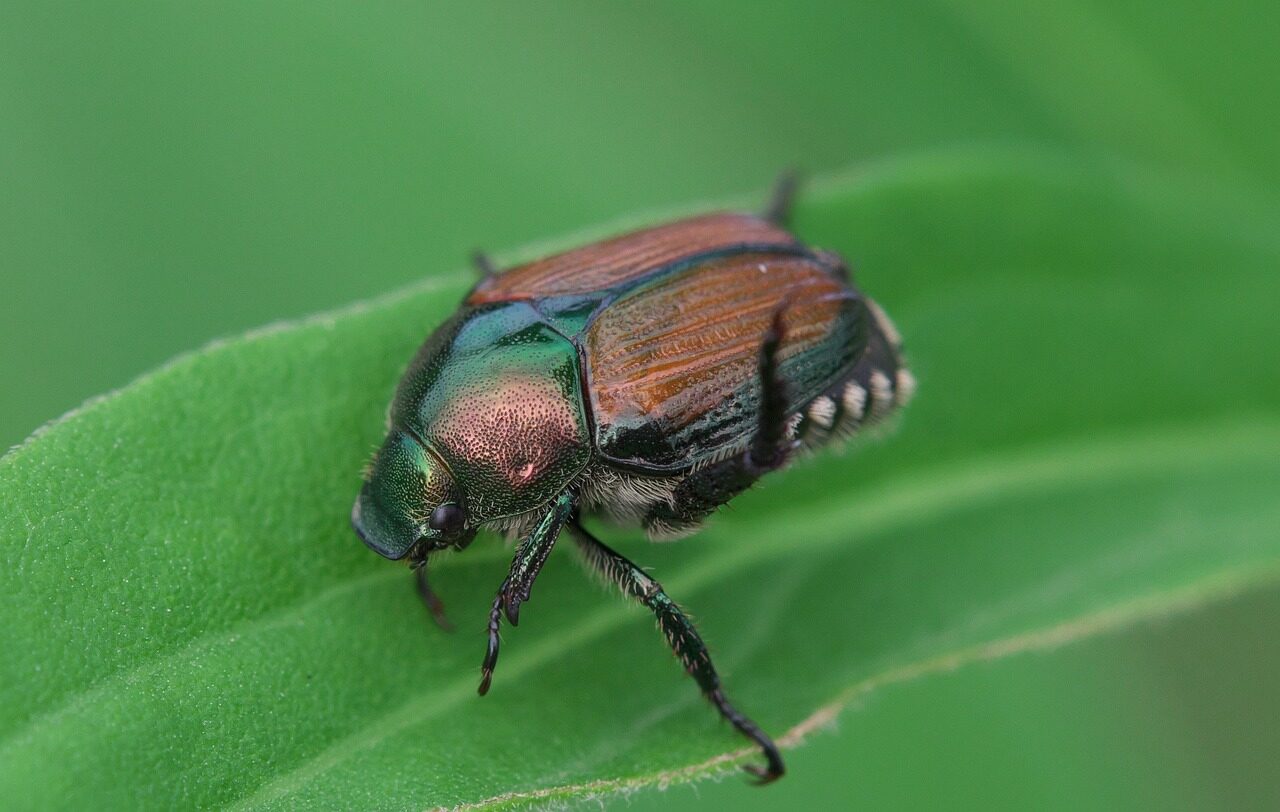
Japanese Beetles: Hand-pick them off plants or use row covers during peak season.
Aphids: These pests can be controlled with insecticidal soap or neem oil.
Diseases:
Powdery Mildew: Prevent this fungal disease by ensuring good airflow and removing infected leaves.
Raspberry Bushy Dwarf Virus: This viral disease is often spread by aphids. Remove and destroy infected plants immediately.
Root Rot: Avoid overwatering, and ensure proper drainage.
General Disease Prevention: Rotate crops if possible, and remove fallen leaves and debris from the garden to prevent disease buildup.
7. Watering Raspberries
Raspberries have deep roots that need consistent moisture, especially during fruiting. Ideally, water them deeply 1-2 times per week, depending on weather conditions. Drip irrigation is ideal, as it keeps water off the foliage, reducing the risk of disease.
8. Harvesting Raspberries
When to Harvest: Raspberries are ready to harvest when the fruit is fully colored and easily detaches from the plant. They should come off the stem without much resistance.
How to Harvest: Gently pick the berries to avoid crushing them. It’s best to harvest in the morning when the fruit is cool, and before it gets too hot during the day.
After Harvesting: If you don’t plan to eat them immediately, store raspberries in the refrigerator. They do not keep for long, so try to use them within a day or two. If you have a large crop, you can freeze raspberries by placing them on a tray to freeze individually before storing them in bags.
9. Winter Care for Raspberries
Raspberries are hardy plants, but you still need to protect them from winter cold, especially in harsher climates.
For Ever-bearing Varieties: Cut the canes to the ground after the final harvest.
For Summer-bearing Varieties: After pruning, cover the canes with mulch or row covers to prevent freezing.
For Both Varieties: In areas with heavy snow, it’s helpful to bend the canes to the ground and cover them with a protective layer of straw or pine boughs.
10. Common Problems
Weak or Stunted Growth: This could be due to poor soil, insufficient watering, or pest infestations. Ensure your soil is well-drained and nutrient-rich, and keep an eye out for bugs.
Low Yields: This might be caused by improper pruning, pest problems, or lack of pollinators. Keep your garden clean and free from debris to promote healthy growth.
11. Additional Tips for Success
Companion Planting: Raspberries grow well with companion plants like beans, lettuce, and garlic, which can help deter pests.
Patience: Raspberries can take 1-2 years to establish themselves, but once they do, they’ll produce fruit for years.
Regular Maintenance: Regularly check for pests, diseases, and the health of your plants. Keeping the raspberry patch tidy will go a long way in ensuring a bountiful harvest.
Conclusion
Growing raspberries can be a very satisfying addition to your garden, yielding fresh and healthy fruit year after year. With the right care, including proper soil preparation, pruning, pest management, and winter protection, you can enjoy delicious home-grown raspberries season after season. I currently are growing heritage, double gold, and anne raspberries. Heritage raspberries in particular are also care free and spread like crazy. Double gold, which are my favorite do require much more care same as the anne.