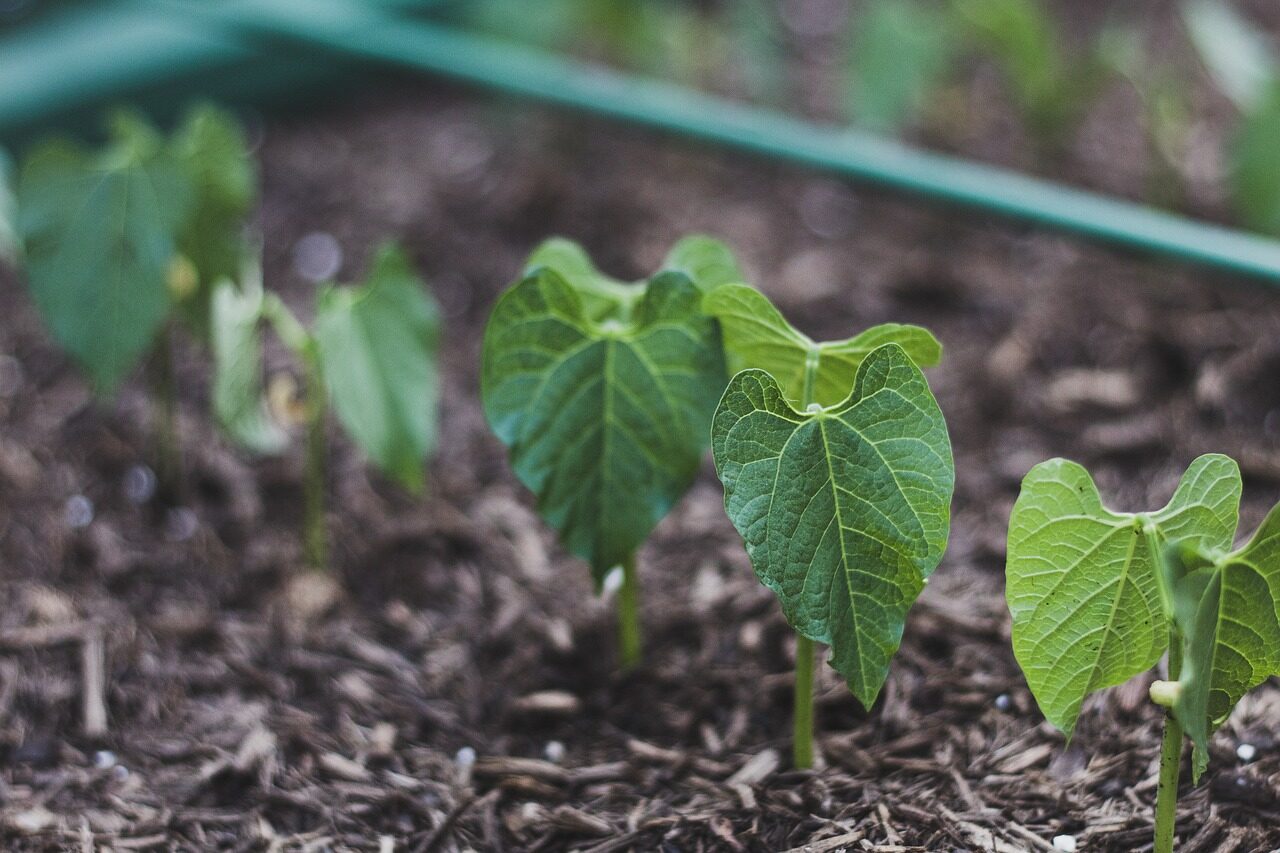
Growing beans at home is one of the easiest vegetables you can grow in your garden. Beans don’t ask for much just some sunlight, a bit of water, and a place to climb or spread and before you know it they’re producing more than you expected. They sprout quickly, grow fast, and keep giving you fresh pods for weeks. The best part is how much better they taste compared to store-bought ones. When you pick beans straight from the plant and cook them the same day, they’re crisp, flavorful, and full of that fresh garden taste you just can’t get from a bag at the grocery store. It’s simple, satisfying, and a great reminder of how good homegrown food can be. Every time I pick beans in the early part of the day I always remember doing the same thing when growing up at my grand parents house.
Main Types of Beans
It can be debated but I think there are 3 main different types of beans. Pole beans, bush beans and shell beans. There are advantages and disadvantages for each type of beans
Type of Bean
How They’re Grown or Used
Why Gardeners Like Them
Bush Beans
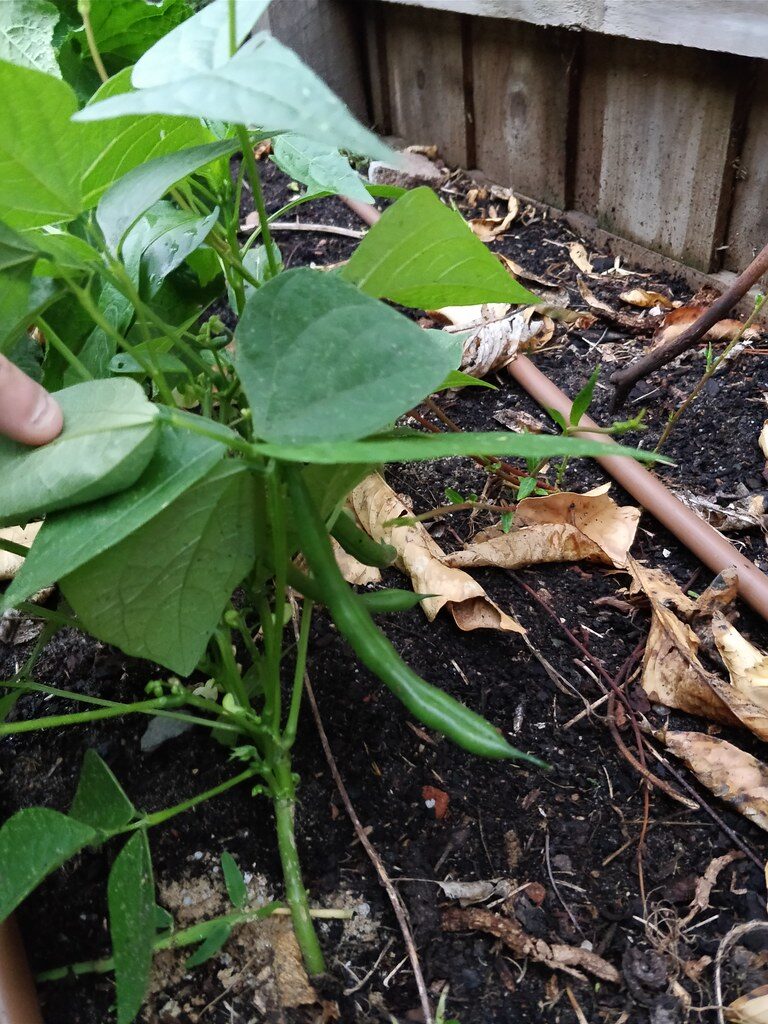
Short, compact plants that don’t need support
Quick harvest and easy to grow in small spaces
Pole Beans
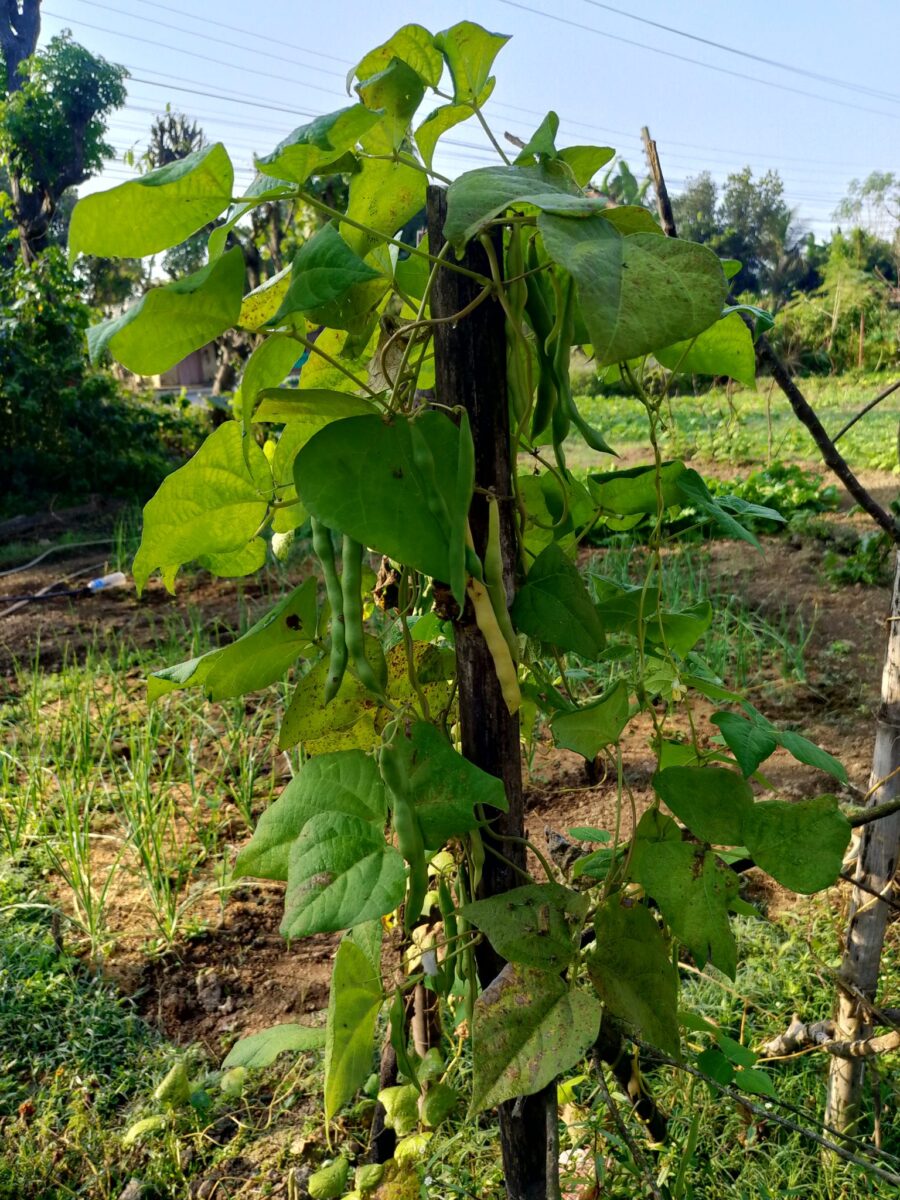
Climbing vines that grow on trellises or poles
Produce beans over a long period and yield a lot
Shell Beans
Grown for the beans inside the pod rather than the pod itself
Great for fresh cooking and can also be dried for storage
Popular Pole Beans
Bean Variety
Days to Harvest
Why It’s Great for Home Gardens
Kentucky Wonder
60–70 days
Very reliable, heavy producer, classic bean flavor
Blue Lake Pole
65–70 days
Tender pods, great fresh or canned
Scarlet Runner
70–80 days
Beautiful red flowers and large tasty beans
Fortex
60–70 days
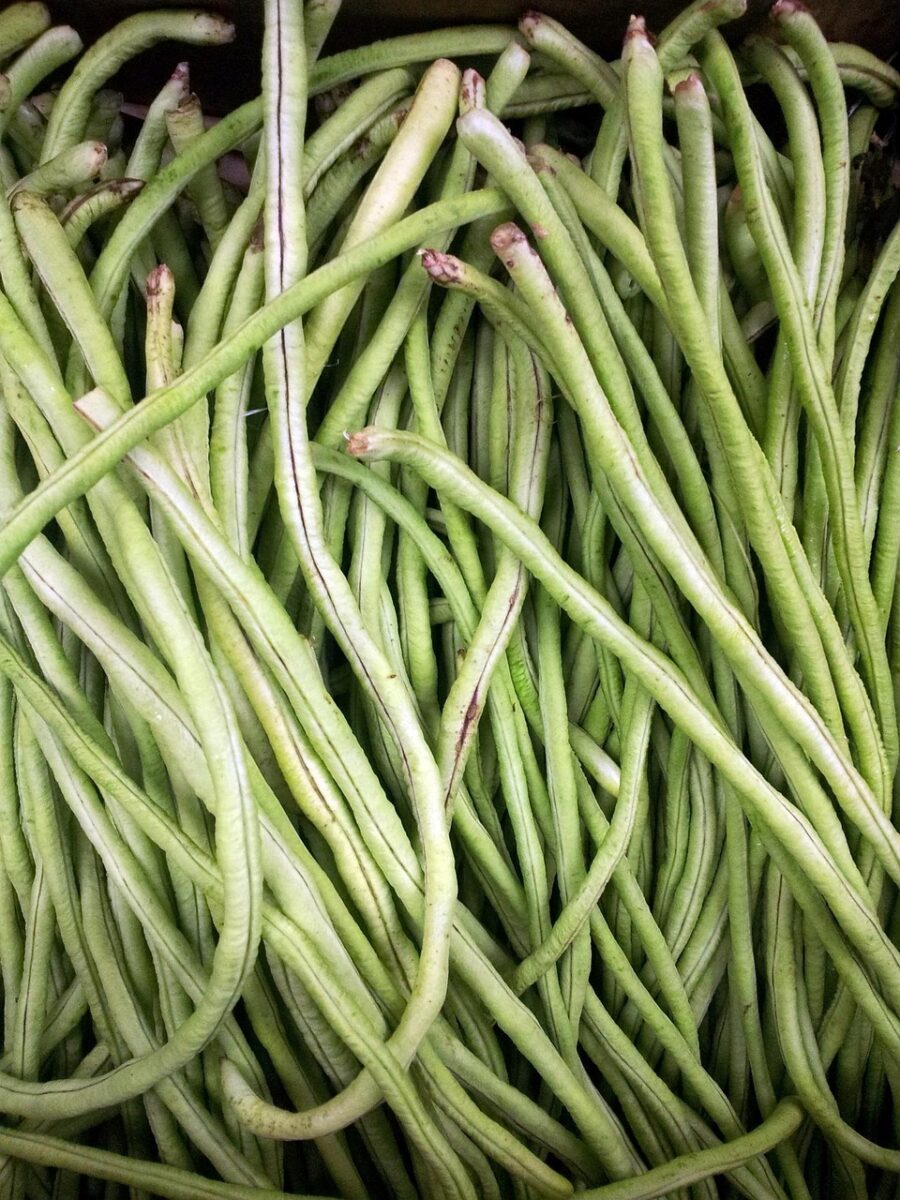
Long, thin gourmet beans with excellent flavor
Rattlesnake
60–70 days
Heat-tolerant and produces for a long season
Popular Bush Beans
Bean Variety
Days to Harvest
Why It’s Great for Home Gardens
Blue Lake 274
55–60 days
Tender, flavorful pods and very reliable producer
Provider
50–55 days
One of the earliest beans; grows well in cooler soil
Contender
50–55 days
Heat tolerant and produces heavy yields
Tendergreen
52–57 days
Stringless pods with excellent flavor
Roma II
55–60 days
Flat Italian-style beans, great for cooking and freezing
Best Shell Beans
Bean Variety
Days to Harvest
Why It’s Great for Home Gardens
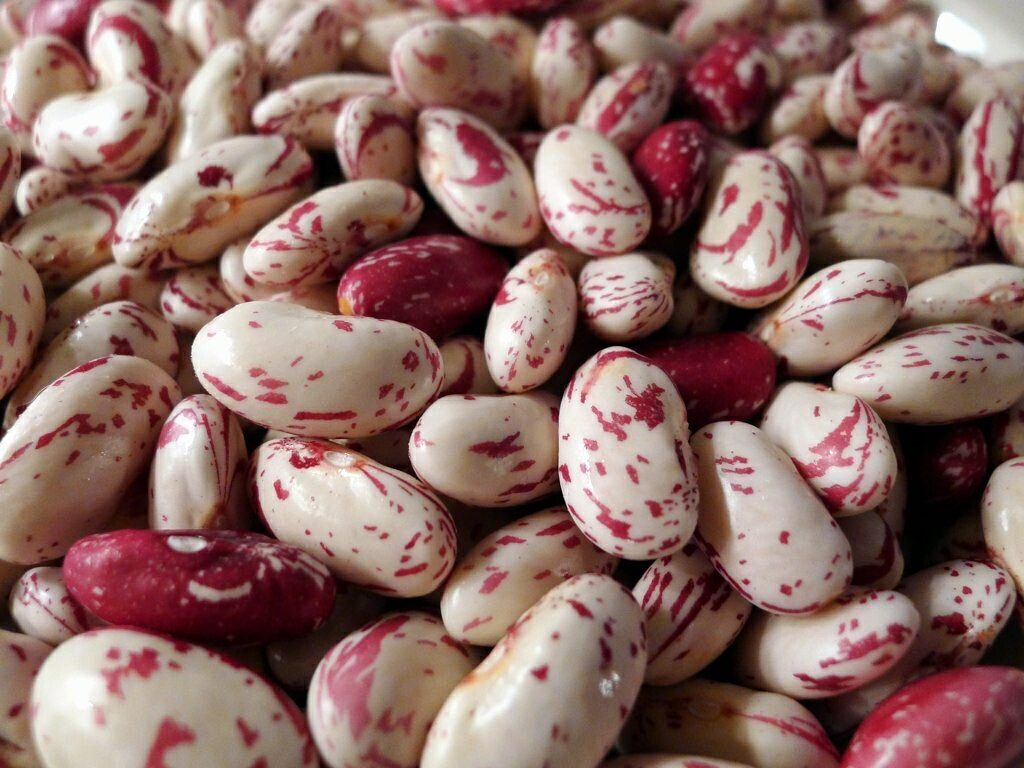
Horticultural (Cranberry Bean)
65–75 days
Beautiful speckled beans with rich flavor
Vermont Cranberry
65–70 days
Very productive and excellent for soups
Borlotto
70–75 days
Italian favorite with creamy texture
Tiger’s Eye
70–80 days
Colorful beans with a mild, nutty taste
Jacob’s Cattle
85–90 days
Heirloom bean great for baking and stews
Old Time Heirloom Beans
These are actually some of my favorites. I grow every year Greasy Beans and Turkey Crawl beans
Bean Variety
Days to Harvest
Why It’s Special
Greasy Beans
60–70 days
Heirloom Appalachian bean with shiny pods and strong flavor
Turkey Craw
70–80 days
Very old heirloom pole bean with heavy yields
Lazy Wife
75–80 days
Famous heirloom known for tender, stringless pods
October Beans
75–90 days
Traditional Southern shell bean great for soups and stews
Cutshort (Cornfield Bean)
70–85 days
Historic bean often planted with corn in old gardens
Ideal Conditions
Growing Factor
Ideal Condition
Notes
Sunlight
6–8 hours of full sun
More sun usually means better yields
Soil
Well-drained, fertile soil
Loamy soil works best
Soil pH
6.0–7.0
Slightly acidic to neutral
Temperature
65–85°F (18–29°C)
Beans grow best in warm weather
Water
About 1 inch per week
Keep soil evenly moist
Spacing
3–6 inches apart (bush)
Pole beans need trellis space
When to direct sow seeds (Spring)
USDA Zone
When to Plant Seeds
Notes
Zone 4
Late May – Early June
Wait until soil is warm
Zone 5
Mid–Late May
Plant after last frost
Zone 6
Early–Mid May
Soil should be about 60°F+
Zone 7
Mid–Late April
Good time for first planting
Zone 8
Early–Mid April
Can plant multiple successions
Zone 9
March – Early April
Early warm-season planting
Zone 10
February – March
Plant early before extreme heat
When to direct sow seeds (Fall)
USDA Zone
When to Plant Seeds
Notes
Zone 4
Late July – Early August
Harvest before first frost in Sept–Oct
Zone 5
Early–Mid August
Shorter growing window, use fast-maturing varieties
Zone 6
Mid–July – Early August
Can get a full second crop before frost
Zone 7
Late July – Mid August
Plant early enough to avoid cool soil slowing growth
Zone 8
Mid–August – Early Sept
Use quick-growing bush beans for fall harvest
Zone 9
Early–Mid Sept
Can sometimes harvest into Nov, depending on temps
Zone 10
Late Sept – Early Oct
Mild climate allows longer fall harvest
8 week succession planting example
One of the good but also bad things about green beans are they normally ripening at the same time. Now this may be great for those that are going to canned the green beans, but for those that want to have frest green beans for a long time period turn to succession planting. Succession planting is simply you plant more beans every couple of weeks. This allows for a non stop supply of fresh beans.
Week
Action
Notes
Week 1
Plant first row of bush beans
Use 3–6 inch spacing; soil ≥60°F
Week 3
Plant second row
Staggered planting ensures next harvest soon after first
Week 5
Plant third row
Continue succession for continuous pods
Week 7
Plant fourth row
Last row to ensure late spring harvest before summer heat
Week 9+
Harvest starts from first row
Each row matures about 50–60 days after planting
Continuous
Pick beans every 2–3 days
Encourages more production
Common diseases and problems
Disease
Symptoms
Notes / Prevention
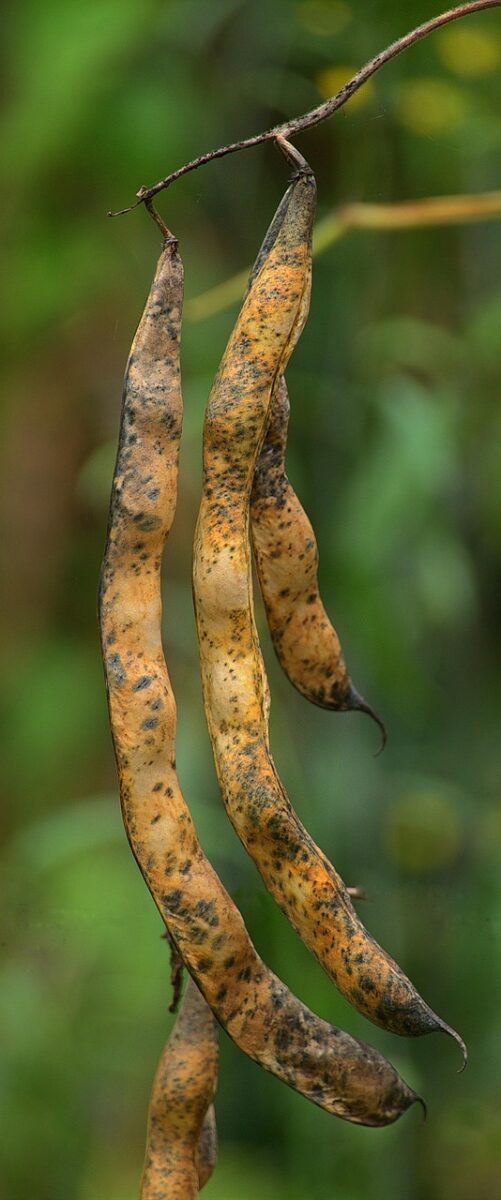
Anthracnose
Dark, sunken spots on stems, pods, and leaves
Avoid overhead watering; rotate crops yearly
Bean Rust
Orange-brown pustules on leaves, pods, and stems
Remove infected plants; plant resistant varieties
Powdery Mildew
White, powdery coating on leaves
Ensure good air circulation; avoid overcrowding
Bacterial Blight
Water-soaked spots that turn brown; leaves may curl
Use disease-free seeds; avoid working in wet plants
Root Rot / Fusarium Wilt
Yellowing leaves, stunted growth, wilting
Plant in well-drained soil; rotate crops
Mosaic Virus
Mottled, distorted leaves; stunted pods
Remove infected plants; control aphids (vectors)
Fertilizing schedule
Growth Stage
Recommended Fertilizer
Notes / Tips
Before Planting / Soil Prep
Balanced fertilizer (e.g., 10-10-10) or compost
Work into soil 2–3 inches deep; improves overall soil fertility
Early Growth (Seedling – First Leaves)
Light side-dressing of nitrogen (e.g., 5-10-10)
Beans fix their own nitrogen, so use sparingly to avoid too much leafy growth
Flowering / Pod Formation
Phosphorus & potassium-rich fertilizer (e.g., 5-10-10 or 5-10-15)
Supports strong blooms and pod development
Mature / Continuous Harvest
Organic options like compost tea or fish emulsion
Apply every 3–4 weeks for ongoing production
Common Pest
Pest
Symptoms / Damage
Notes / Control
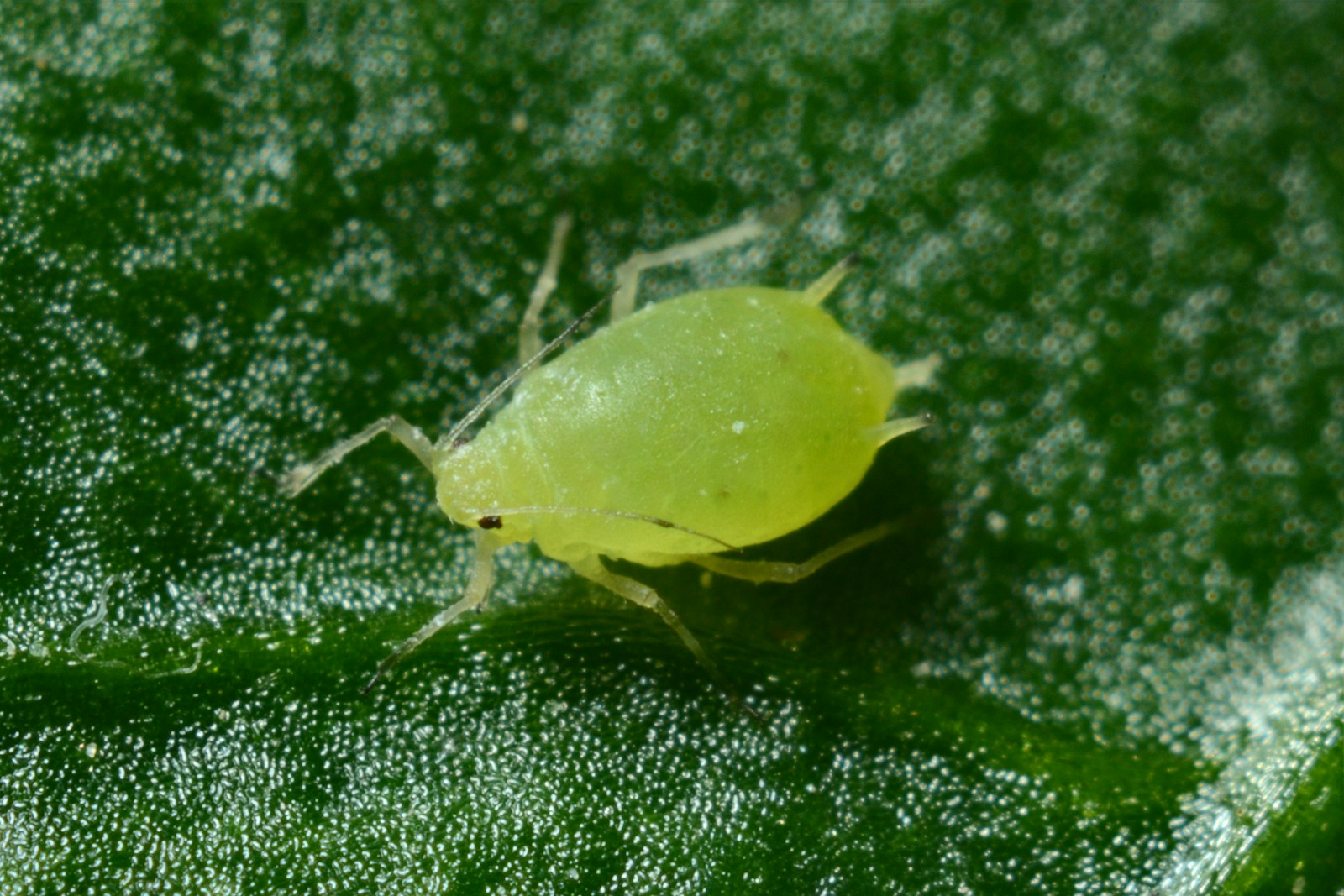
Aphids
Small green, black, or gray insects on leaves/stems; leaves curl or yellow
Spray with water or insecticidal soap; encourage ladybugs
Mexican Bean Beetle
Yellow-orange beetles with black spots; skeletonized leaves
Handpick beetles; use row covers early in season
Bean Leaf Beetle
Small yellow/red beetles; chew holes in leaves and pods
Rotate crops; row covers; insecticidal sprays if severe
Cutworms
Seedlings cut off at soil level
Use collars around seedlings; remove weeds at planting
Spider Mites
Tiny red or yellow mites; fine webbing; leaves turn speckled/yellow
Spray water to knock off mites; maintain humidity
Thrips
Tiny, slender insects; silver streaks on leaves and pods
Remove weeds; use insecticidal soap if
Nitrogen Fixation
Green beans, like other legumes, naturally help add nitrogen to the soil through a process called nitrogen fixation. Special bacteria called Rhizobium live in nodules on the bean roots and take nitrogen from the air, converting it into a form that plants can use. Some of this nitrogen stays in the soil, enriching it for future crops. While beans don’t add massive amounts of nitrogen while growing, they are especially helpful for improving soil fertility for heavy feeders like corn or tomatoes. Leaving old bean roots in the soil after harvest returns even more nitrogen, and it’s important not to over-fertilize with nitrogen—too much can lead to lush leafy growth but fewer pods. This makes green beans a great choice for building healthier, more productive garden soil naturally.
No responses yet