In beekeeping, a dearth refers to a period when nectar and pollen sources are scarce or unavailable in the environment. This is a natural part of the yearly cycle and can be stressful for honey bee colonies.
Key Points:
When it happens: Dearths can occur at different times depending on the climate and local flora, but they often happen:
In mid to late summer (e.g., July or August in many regions)
During droughts or prolonged periods of hot, dry weather
In early spring before many flowers bloom
What it means for bees:
Less nectar and pollen available
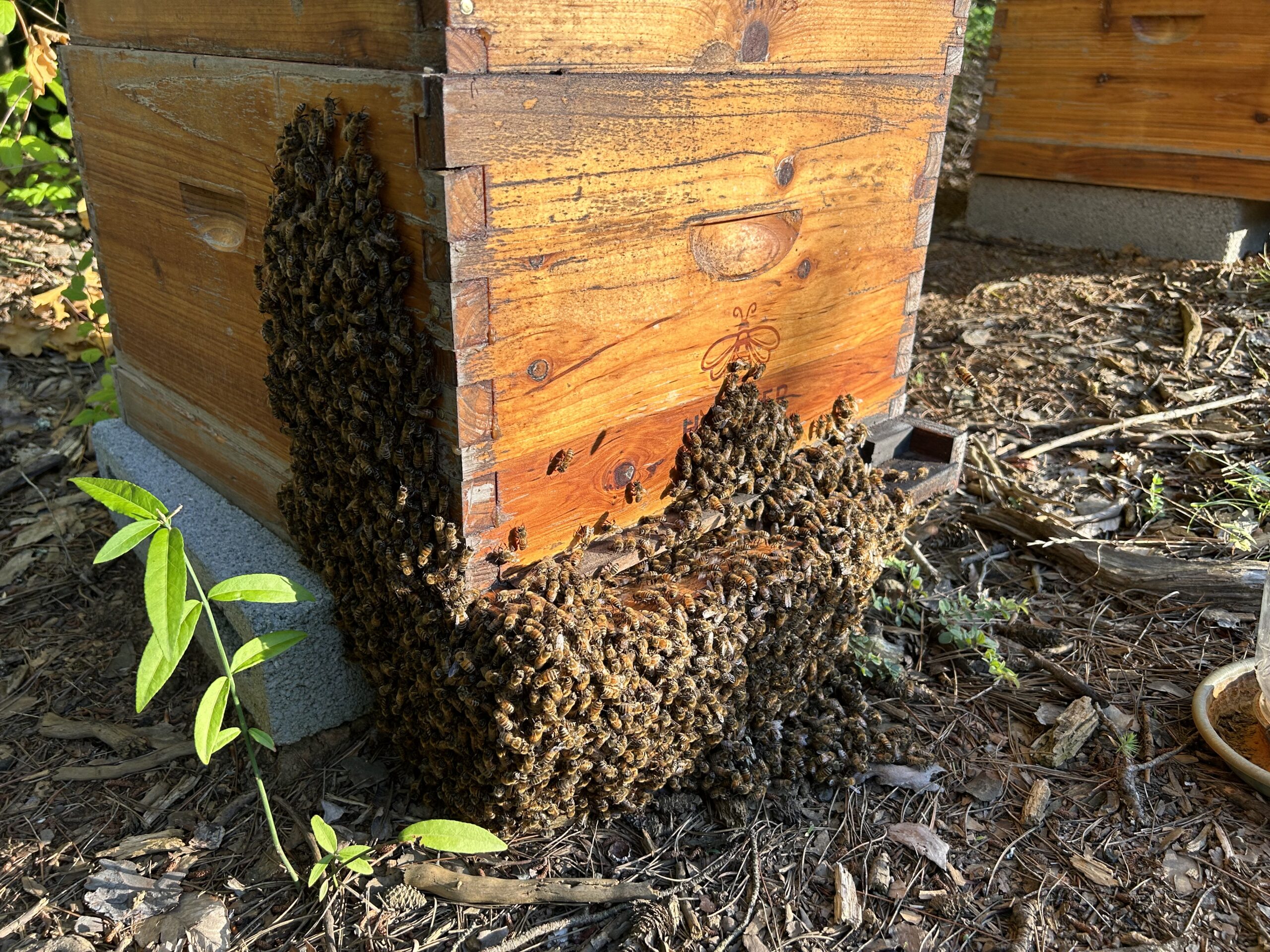
Bees may become more aggressive or rob other hives
Brood rearing may slow down
Beekeepers might need to feed colonies (sugar syrup or pollen substitutes)
Why it matters:
During a dearth, colonies can become weaker or even collapse if they don’t have enough food stored
Beekeepers often reduce hive inspections and take steps to prevent robbing behavior
To provide natural forage during times when little else is blooming, add plants that flower during summer and fall, or thrive in dry conditions.
Good plants for bees during a dearth:
Anise hyssop
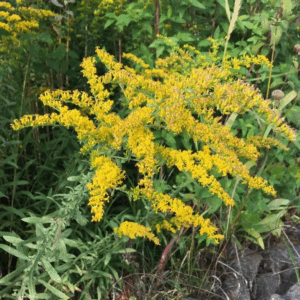
Goldenrod
Joe-Pye weed
Russian sage
Coneflower (Echinacea)
Sunflowers
Bee balm (Monarda)
Sedum (like ‘Autumn Joy’)
Asters
Top Picks for zone 6 and 7
1. Goldenrod (Solidago spp.)
Blooms from mid-summer through fall, offering rich nectar and pollen. These plants thrive in full sun, tolerate drought and poor soils, and are a staple for fall pollinators.
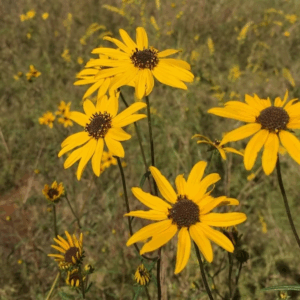
2. Black‑eyed Susan (Rudbeckia hirta)
A cheerful, drought-resistant perennial that blooms mid-summer into fall. It attracts bees, butterflies, and even seed‑feeding birds later in the season.
3. Asters (Symphyotrichum spp.)
Includes varieties like Symphyotrichum pilosum and S. cordifolium, which flower from late summer into fall. These daisy‑like blooms offer rich forage when many other flowers have faded.
4. Joe Pye Weed
Tall and striking, with fluffy pink‑purple flower clusters that bloom in late summer. Bees, butterflies, and other pollinators flock to it.
5. Sedum (e.g., ‘Autumn Joy’)
Succulent foliage with long-lasting fall blooms—extremely drought-tolerant and attractive to bees and butterflies. Excellent for sunny, low-maintenance settings.
6. Agastache (Hummingbird Mint)
With spike-like blooms in blue, orange, or coral, Agastache plants provide nectar from mid-summer to fall and flourish in dry, sunny conditions.
7. Liatris (Blazing Star)
Vertical spikes of purple flowers bloom July through September. Tolerant of some drought and adaptable to well-drained soil—highly attractive to bees.
8. Butterfly Weed (Asclepias tuberosa)
A hardy, orange-flowering perennial that thrives in dry soil. Loved by bees and an important host for monarch butterflies.
9. Partridge Pea (Chamaecrista fasciculata)
An annual with bright yellow flowers from early summer to frost (if rainfall allows). Exclusively bee-pollinated—great for extending forage through late season.
10. Common False Foxglove (Agalinis tenuifolia)
An annual that produces purple blooms in late summer to early fall—adds late-season color and bee forage.
Planting Strategy Tips:
Mix bloom times and plant types (perennials, annuals, shrubs) for continuous forage.
Choose sunny, well-drained sites—most selections thrive with full or afternoon sun.
Include native species—they’re well-adapted and beneficial for local pollinators.
Group by height: tall plants like Joe Pye Weed and Liatris create structure; groundcovers like Sedum add texture below.
2. Supplemental Feeding for Managed Hives (Beekeepers)
If you’re keeping bees and notice a dearth, consider feeding them to prevent starvation and keep the colony strong.
What to feed:
Sugar syrup:
1:1 (sugar:water) for spring build-up
2:1 for fall to help them store for winter
Pollen substitute or patties:
Helps maintain brood production if pollen is scarce
Making sugar syrup for bees is simple and essential during nectar dearths, early spring buildup, or fall feeding. The recipe depends on why you’re feeding your bees. Here’s how:
Sugar Syrup Recipes for Bees
Basic Ingredients:
White granulated sugar (do not use brown sugar, molasses, or honey — these can harm bees)
Clean water (preferably warm or hot to help dissolve sugar)
A clean container (jar, bucket, feeder, etc.)
1:1 Syrup — Spring Feeding / Stimulative Feeding
Use when: Encouraging brood production in early spring or boosting activity.
Ratio: 1 part sugar : 1 part water (by weight or volume)
Example Recipe:
1 cup sugar
1 cup water (or 5 lbs sugar + 5 pints water for larger batches)
Instructions:
Heat water until warm (not boiling).
Stir in sugar until fully dissolved.
Let cool before feeding.
2:1 Syrup — Fall Feeding / Winter Prep
Use when: Helping bees build up winter stores in late summer or fall.
Ratio: 2 parts sugar : 1 part water
Example Recipe:
2 cups sugar
1 cup water (or 10 lbs sugar + 5 pints water)
Instructions:
Heat water until hot but not boiling.
Stir in sugar gradually until fully dissolved.
Let cool completely.
Don’t boil the syrup! Boiling can caramelize the sugar and make it toxic to bees.
Storage:
Store extra syrup in airtight containers in a cool place.
Use within a week or refrigerate to prevent fermentation.
Discard if it smells sour or shows signs of mold.
Tips for Feeding Bees Safely
Use proper feeders (like internal hive top feeders, Boardman feeders, or frame feeders) to avoid robbing.
Feed during low bee activity (early morning or evening).
Reduce hive entrances to protect against robbing if other hives are nearby.
Never feed sugar syrup when honey supers are on — it can contaminate your honey crop.
Pollen Substitute
When to feed: During dearths or if there’s no natural pollen Options:
Feed as patties or dry powder in trays outside the hive
Commercial products: Ultra Bee, MegaBee, Bee Pro
Homemade patties (DIY from soybean flour, brewer’s yeast, etc.)
3. Prevent Robbing
During a dearth, bees may rob weaker hives, leading to hive collapse.
How to prevent robbing:
Minimize hive inspections
Reduce hive entrance size
Don’t leave exposed syrup or honey near the apiary
Feed early morning or late evening
4. Provide Clean Water
Bees need water — especially in dry, hot weather.
How:
Use shallow dishes with pebbles or corks so bees don’t drown
Refill daily and keep in the shade
5. Support Wild Bees Too
Even if you’re not a beekeeper, planting bee-friendly flowers, avoiding pesticides, and providing habitat (like leaving dead wood or bare ground) helps wild bees survive dearths too.
Comments are closed