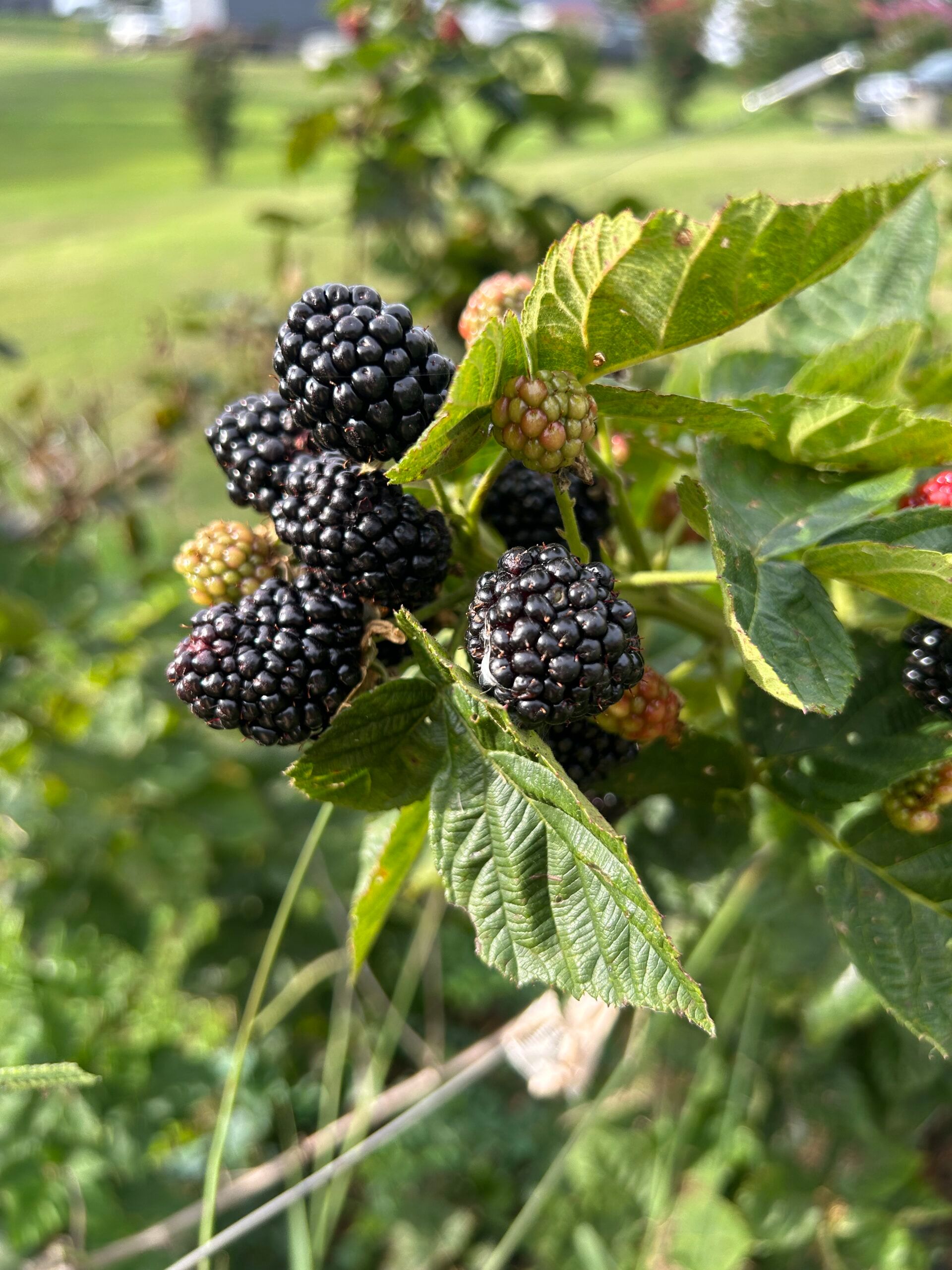
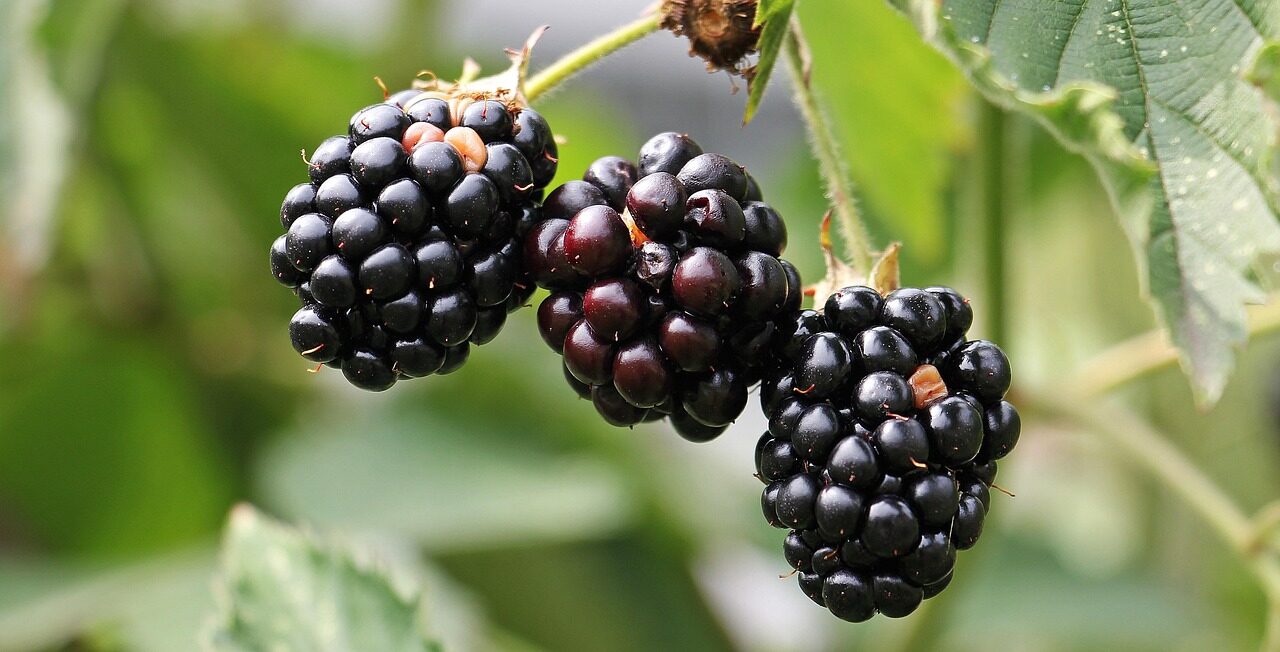
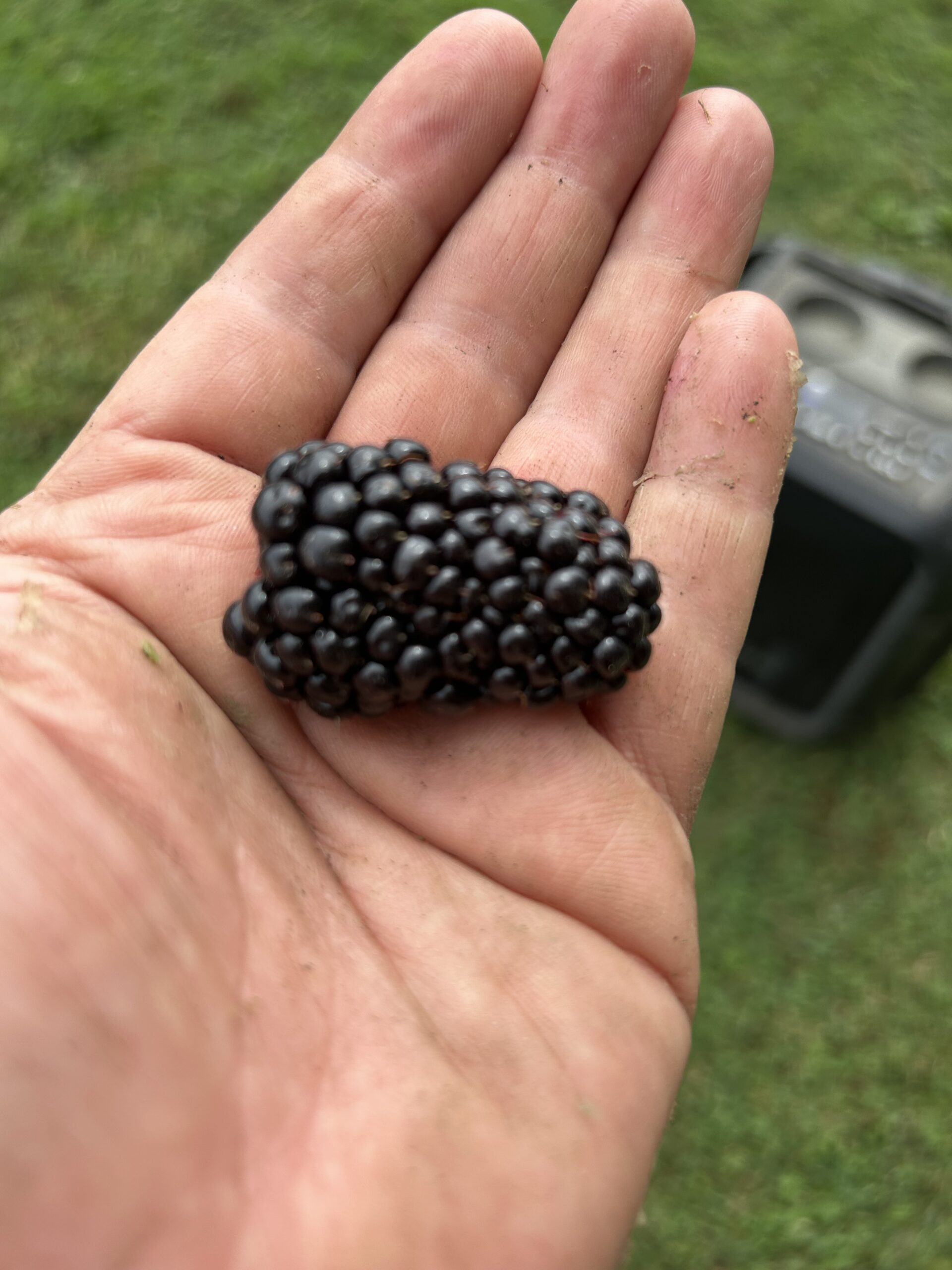
Growing blackberries at home is a lot easier than most people think. You don’t need a huge garden or years of experience really just a sunny spot, decent soil, and a little patience. Blackberry plants are tough, reliable, and come back year after year with even more fruit. Once they get going, they pretty much do the hard work for you. And when it comes time to pick, there’s nothing quite like stepping outside and grabbing a handful of warm, ripe berries straight off the vine. Store-bought berries just can’t compare to the deep, sweet flavor of fresh-picked blackberries from your own yard. They’re juicier, richer, and taste like summer the way it’s meant to.
Top varieties to grow at home
Variety
Thornless?
Why It’s Great for Home Gardens
Apache blackberry
Yes
Large, sweet berries and very productive plants; easy to pick.
Ouachita blackberry
Yes
Reliable yields, great flavor, and good heat tolerance.
Navaho blackberry
Yes
Upright growth (no trellis needed) and excellent shelf life.
Triple Crown blackberry
Yes
Big, juicy berries with outstanding flavor and vigor.
Prime-Ark Freedom
Yes
Produces fruit on first-year canes; extended harvest season.
Top Container Varieties
Blackberries are one of those berries that perform quite well in containers. They still require a pretty decent size container, but you would be surprised by how much berries you get from just a couple of plants.
Variety
Ideal Container Size
Why It’s Great in Containers
Baby Cakes blackberry
8–15 gallon
Thornless and easy to pick, fruit on young and older canes.
Prime-Ark Freedom blackberry
15–20 gallon
Thornless primocane (fruit on first year canes) Definably my pick!
Natchez blackberry
20 gallon
Sweet, large berries but needs some support
Ouachita blackberry
20 gallon
Erect and heavy producer
Arapaho blackberry
20 gallon
Early ripening needs bigger container
Primocane vs Floricane
Anytime you talk about growing blackberries you got to talk about primocane or floricane.
I personally have a very large amount of blackberries on my homestead. I would estimate at least 500 feet of blackberries. I have about half primocane and half floricane. I do prefer primocanes for a various reasons notably for ease of maintaining, since they can be cut to the ground every year and most (at least the ones I have) are thornless. I do grow alot of triple crown (floricane) plants, I would be lying if I didn’t say the berries aren’t the best I grow, but they do require alot more pruning.
Primocane blackberries
Grow Habit
What It Means
Why It Matters
Fruit on first-year canes
Berries develop on new growth each season
Faster harvest (no waiting for second-year canes)
Erect vs. semi-trailing
Erect: upright canes Semi-trailing: arching
Erect needs less support; semi-trailing may need trellis
Thornless vs. thorny
Presence of sharp thorns
Thornless = easier harvesting and handling
Pruning style
How you cut back plants
Simplified with primocane varieties (cut to ground each winter)
Harvest timing
When berries ripen
Typically midsummer to fall on current canes
Floricane blackberries
Grow Habit
What It Means
Why It Matters
Fruits on second-year canes
Berries form on canes that grew the previous year
Requires a full season before harvest
Cane type (erect / semi-trailing)
Erect: upright canes Semi-trailing: arching
Erect needs less support; semi-trailing benefits from trellis
Thornless vs. thorny
Presence of sharp thorns
Thornless = easier harvesting and handling
Pruning style
How you cut back plants
Remove spent floricanes after fruiting; keep new primocanes for next year
Harvest timing
When berries ripen
Usually early- to midsummer on 2-year canes
Top Primocane Varieties
Variety
Thornless?
Why It’s Great for Home Growing
Prime‑Ark Freedom blackberry
Yes
Large, sweet berries, I grow many of these
Prime‑Ark Traveler blackberry
Yes
Another great choice a solid primocane
Prime‑Ark 45 blackberry
No
The First primocane varieties, very productive and a stable of blackberries, not an easy picker due to thorns
Top Floricane Varieties
Variety
Thornless?
Why It’s Great at Home
Triple Crown blackberry
Yes
Sweet and a vigorous my overall favorite berry
Natchez blackberry
Yes
Very large and early
Sweet-Ark Ponca blackberry
Yes
Huge yields and very sweet
Ouachita blackberry
Yes
Another great producer with good flavor
Navaho blackberry
Yes
Longer harvest period compared to other floricane berries.
Ideal Growing Conditions
Growing Factor
Ideal Condition
Why It Matters
Sunlight
6–8+ hours full sun daily
More sun = sweeter berries and higher yields
Soil Type
Well-draining, loamy soil
Prevents root rot and supports strong growth
Soil pH
5.5–6.5 (slightly acidic)
Optimizes nutrient uptake
Water
1–2 inches per week
Keeps berries plump and prevents stress
Spacing
3–5 feet between plants
Promotes airflow and reduces disease
Air Circulation
Open, breezy location
Helps prevent fungal problems
Support
Trellis for trailing types
Keeps fruit clean and makes harvesting easier
When plant new blackberries plants
Planting Factor
Ideal Timing / Condition
Why It Matters
Season
Early spring (after last frost)
Gives roots time to establish before summer heat
Dormant Plants
Late winter to early spring
Reduces transplant shock
Soil Temperature
At least 50°F (10°C)
Encourages active root growth
Air Temperature
Cool, mild weather
Prevents heat stress on young plants
Fall Planting (mild climates)
4–6 weeks before first hard frost
Allows root establishment before winter
Frost Risk
Avoid planting during hard freeze periods
Protects tender new growth
When to plant for each zone
USDA Zone
Best Planting Time
Notes
Zone 4
Late April–May
Plant after last hard frost when soil is workable
Zone 5
April–early May
Early spring planting is best
Zone 6
March–April
Plant once frost risk is mostly past
Zone 7
March
Early spring ideal; fall planting also possible
Zone 8
February–March
Late winter to early spring; fall (Oct–Nov) works well
Zone 9
January–February
Plant during coolest part of year
Zone 10
December–January
Plant in winter; avoid summer heat
Common diseases and problems
Disease
Symptoms
Notes / Management
Anthracnose
Small purple spots on canes, stems, and leaves; canes may die back
Prune and destroy infected canes; ensure good air circulation; fungicide if severe
Botrytis Fruit Rot (Gray Mold)
Soft, gray, fuzzy mold on ripening berries
Avoid overhead watering; harvest promptly; use fungicides in wet seasons
Powdery Mildew
White powdery coating on leaves, stems, and fruit
Plant resistant varieties; improve airflow; apply fungicide if needed
Cane Blight
Wilting tips, sunken lesions on canes
Prune out infected canes; remove debris; maintain plant vigor
Verticillium Wilt
Leaves yellowing, wilting, stunted growth
Avoid planting in previously infected soil; rotate crops
Orange Rust
Bright orange pustules on undersides of leaves
Remove and destroy infected plants; plant resistant varieties
Leaf Spot
Small dark spots on leaves, sometimes yellow halos
Prune to improve air flow; apply fungicide if severe
Fertilizing schedule
Time of Year
Fertilizer Type / Amount
Notes
Early Spring (before new growth)
Balanced fertilizer (e.g., 10-10-10) – ~1/4 to 1/2 cup per plant
Apply around the base, avoid direct contact with canes; encourages strong new growth
Late Spring (after first fruit set)
Nitrogen-rich fertilizer (e.g., 21-0-0) – ~1/4 cup per plant
Supports berry development and leaf growth
Mid-Summer (after harvest, optional)
Balanced or slow-release fertilizer – ~1/4 cup per plant
Helps prepare canes for winter and promotes root development
Fall (in cold-winter areas)
Usually no fertilizer, or light compost application
Avoid stimulating new growth that can be damaged by frost
Common Pest
Pest
Symptoms / Damage
Notes / Management
Aphids
Curling, yellowing leaves; sticky honeydew on leaves
Spray with insecticidal soap; encourage ladybugs and beneficial insects
Japanese Beetles
Skeletonized leaves and damaged fruit
Handpick beetles; use row covers; neem oil or insecticides if severe
Spider Mites
Tiny webs on leaves; speckled or bronzed foliage
Increase humidity, spray water, or use miticides if needed
Raspberry Crown Borer
Wilting canes, holes at base of plant
Remove and destroy infested canes; maintain healthy plants
Spotted Wing Drosophila (SWD)
Soft, mushy berries with tiny larvae inside
Harvest frequently; use fine netting; remove overripe fruit
Leafrollers
Rolled leaves with feeding damage inside
Prune affected shoots; use Bacillus thuringiensis (Bt) or insecticides if severe
Thrips
Silvering or bronzing of leaves, distorted growth
Encourage predators; insecticidal soap if infestation is high
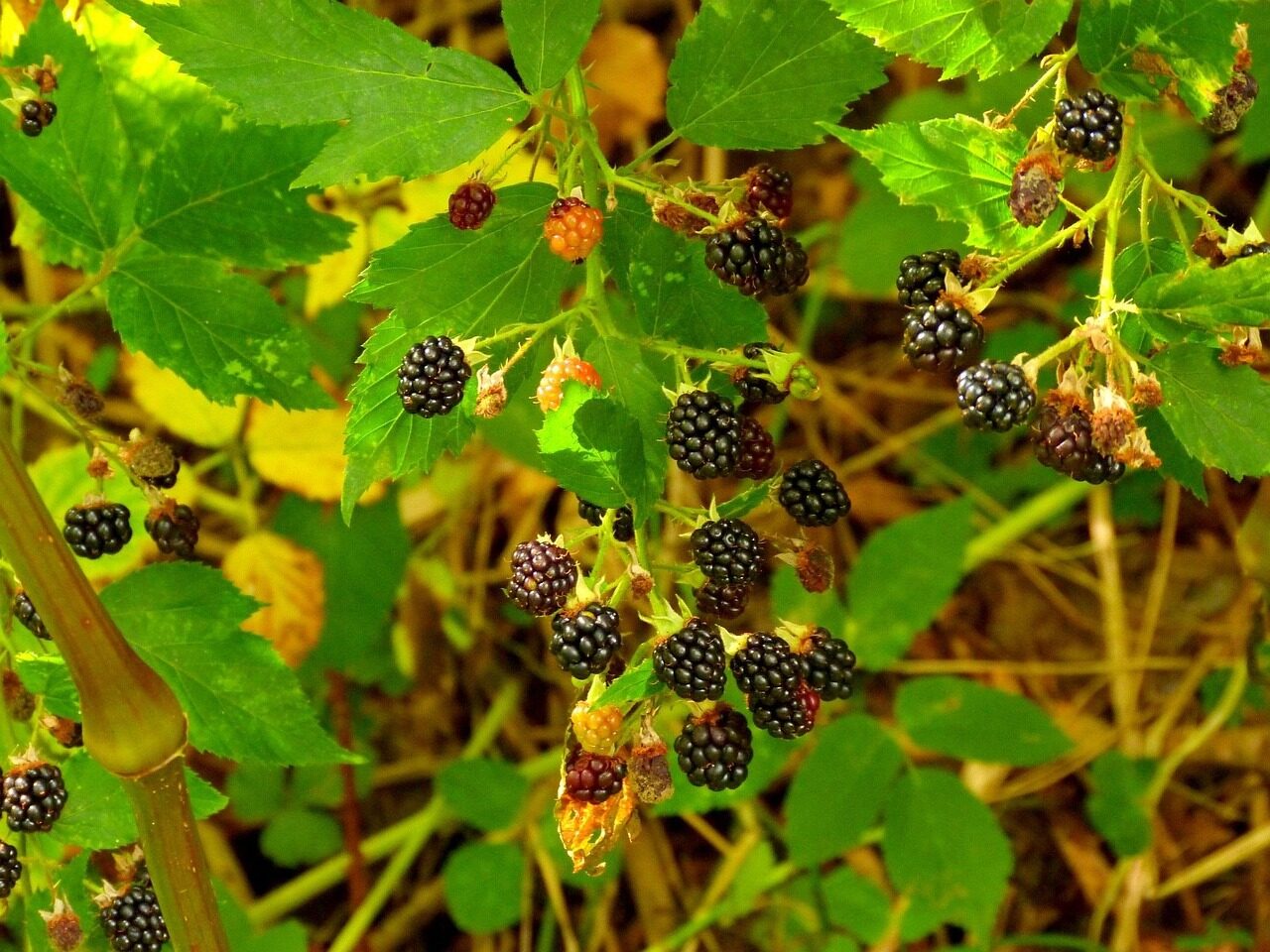
Growing blackberries at home is great, and it’s easier than many people imagine. With a little sun, good soil, and some basic care, these hardy plants will reward you year after year with juicy, flavorful berries that far surpass anything from the store.
No responses yet