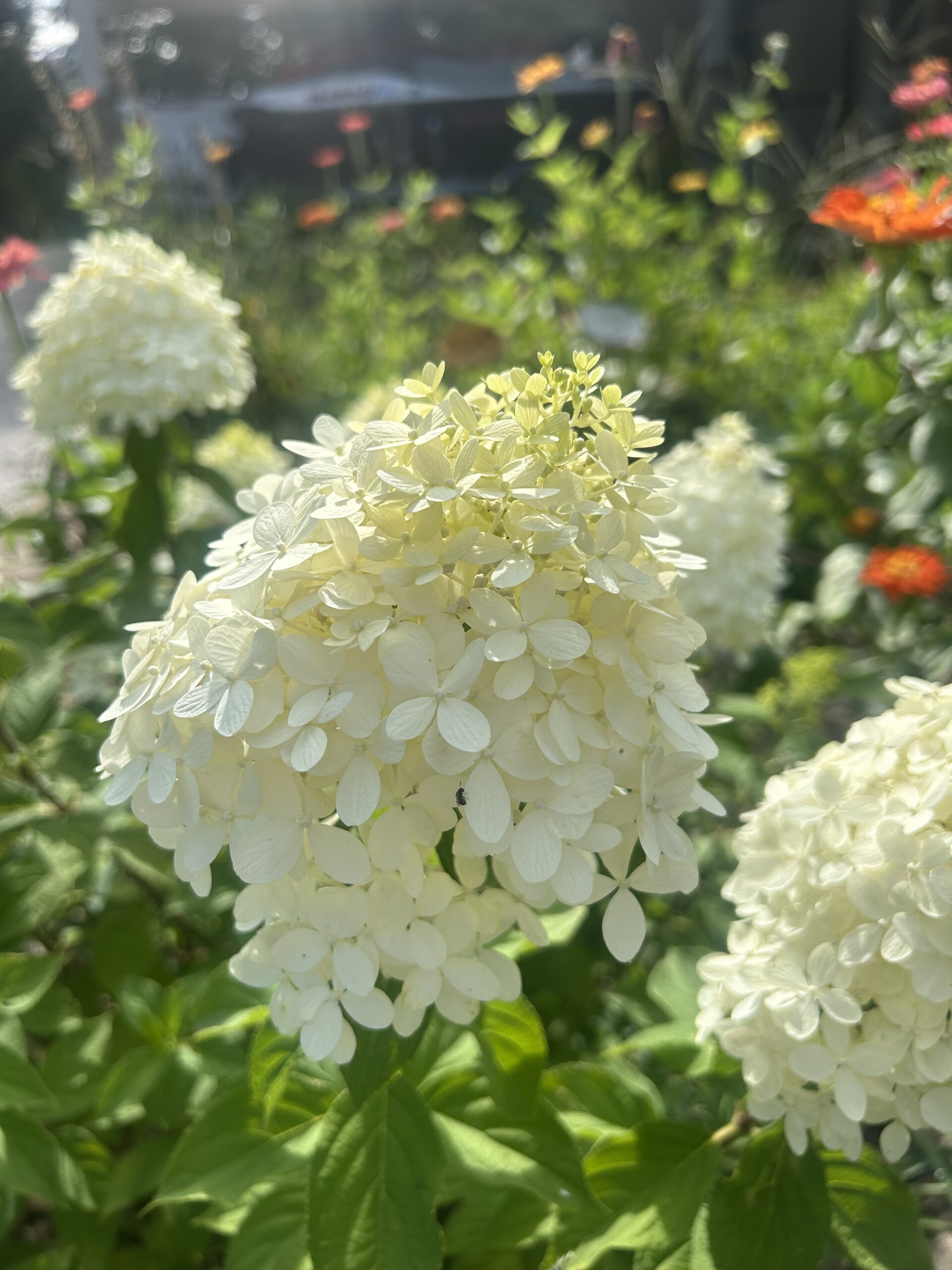
People love hydrangeas for their stunning beauty, versatility, and nostalgic charm. These popular shrubs are known for their large, eye-catching blooms that come in a variety of shapes—such as mophead, lacecap, and cone—and a wide range of colors including blue, pink, white, purple, and green. One of the most fascinating features is their ability to change color based on soil pH, with bigleaf hydrangeas turning blue in acidic soil and pink in alkaline conditions. This unique trait adds an interactive element that gardeners enjoy. Hydrangeas are also low-maintenance once established, making them suitable for both beginners and experienced gardeners. They thrive in various light conditions, from full sun to partial shade, and require only occasional pruning and watering. Beyond their visual appeal, hydrangeas are versatile in landscaping, working well as hedges, container plants, or focal points in both traditional and modern gardens. They also attract pollinators like bees and butterflies, contributing to a healthy garden ecosystem. Additionally, many people feel a sentimental attachment to hydrangeas, as they often evoke memories of family gardens and are commonly used in weddings, home decor, and memorials. All these qualities make hydrangeas a beloved favorite among gardeners and flower lovers alike.
Pruning hydrangeas depends on the type of hydrangea you have, because they bloom on either old wood (last year’s growth) or new wood (current year’s growth).
How to prune based on type:
Step 1: Identify Your Hydrangea Type
| Type | Blooms On | Common Names |
|---|---|---|
| Bigleaf (Hydrangea macrophylla) | Old wood | Mophead, Lacecap |
| Oakleaf (H. quercifolia) | Old wood | Oakleaf hydrangea |
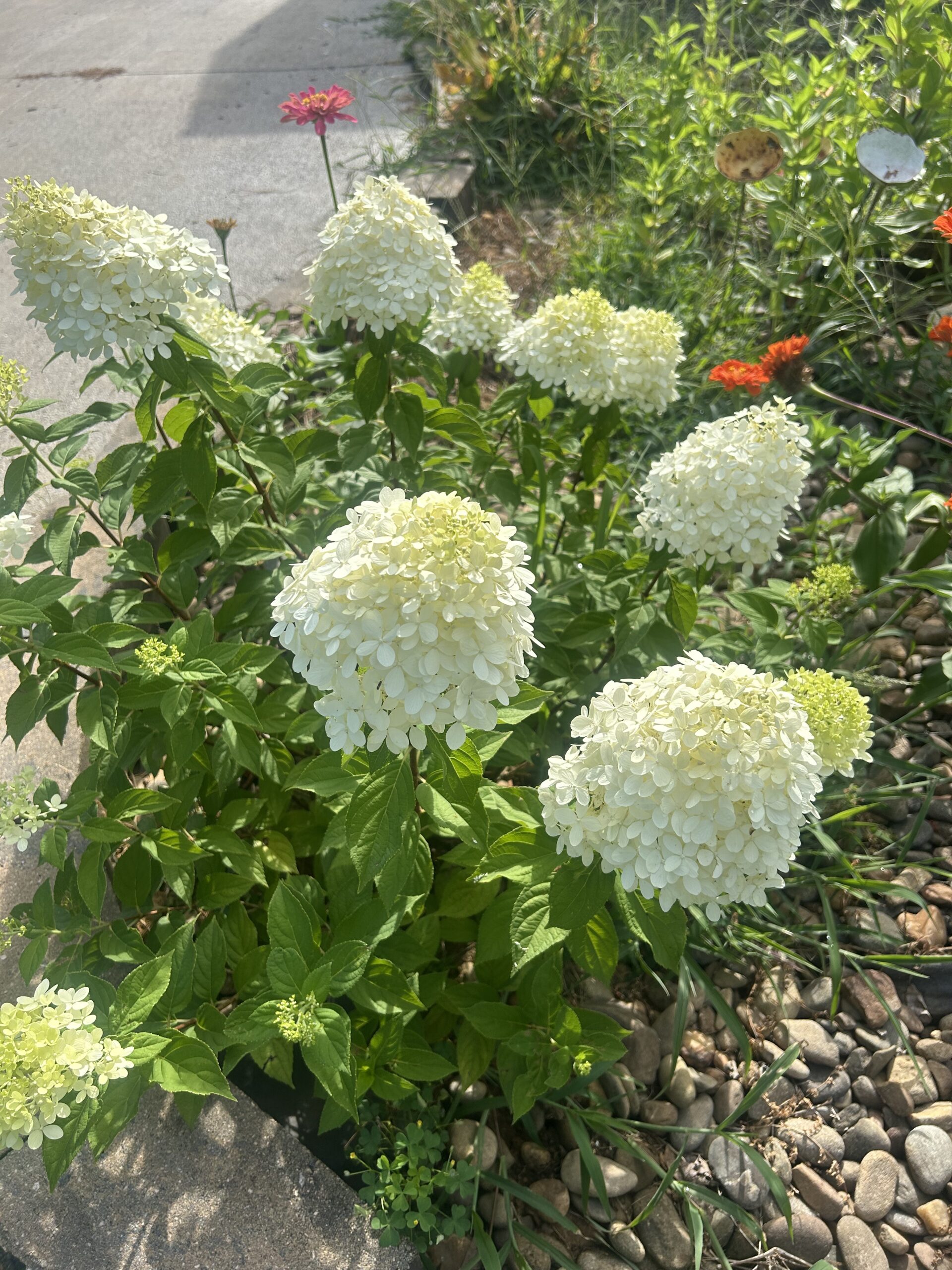
| Panicle (H. paniculata) | New wood | PeeGee, Limelight, Little Lime |
| Smooth (H. arborescens) | New wood | Annabelle, Incrediball |
| Climbing (H. petiolaris) | Old wood | Climbing hydrangea |
Step 2: When and How to Prune by Type
Old Wood Bloomers (Prune Right After Blooming)
(Too much pruning in fall or spring = no flowers next year)
- Types: Bigleaf, Oakleaf, Climbing
- Best time: Late summer (right after flowers fade)
- How to prune:
- Remove spent flowers just above a set of healthy buds
- Cut dead or crossing stems at the base
- Don’t remove too much—these form buds in late summer for next year
New Wood Bloomers (Prune in Late Winter or Early Spring)
- Types: Panicle, Smooth
- Best time: Late winter to early spring, before new growth
- How to prune:
- Cut stems back to about 12–18″ above the ground
- Or shape the shrub by trimming ⅓ of the height
- Remove any weak, thin, or dead stems
General Hydrangea Pruning Tips
- Always remove dead wood any time of year
- Use clean, sharp pruners
- Avoid heavy pruning unless rejuvenating an old plant
- When in doubt, only do light shaping after flowering
Other Fall tasks
1. Stop Fertilizing
- Why: Late-season fertilizer can promote tender new growth that won’t survive winter.
- When: Stop by late August or early September
2. Clean Up
- Remove fallen leaves and dead plant material from around the base to prevent disease and pests from overwintering.
- Check for any signs of mildew or rot and treat if needed.
3. Water Well Until the Ground Freezes
- Hydrangeas need moist soil going into winter.
- Give them a deep watering before the first hard frost, especially during dry fall weather.
4. Mulch for Winter Protection
- Add 2–4 inches of mulch (shredded bark, leaves, straw, or compost) around the base of the plant.
- Helps regulate soil temperature and protect roots from freeze-thaw cycles.
5. Protect from Winter Damage (In Cold Zones)
- For Bigleaf, Oakleaf, or other old-wood bloomers (especially in Zones 3–6):
- Wrap plants loosely with burlap, or build a cage and fill with leaves or straw.
- This protects flower buds from harsh winter temps and wind.
6. Label Your Plants (if needed)
- If you have multiple varieties, it’s helpful to mark which bloom on old vs. new wood so you know how to prune them in spring
Comments are closed