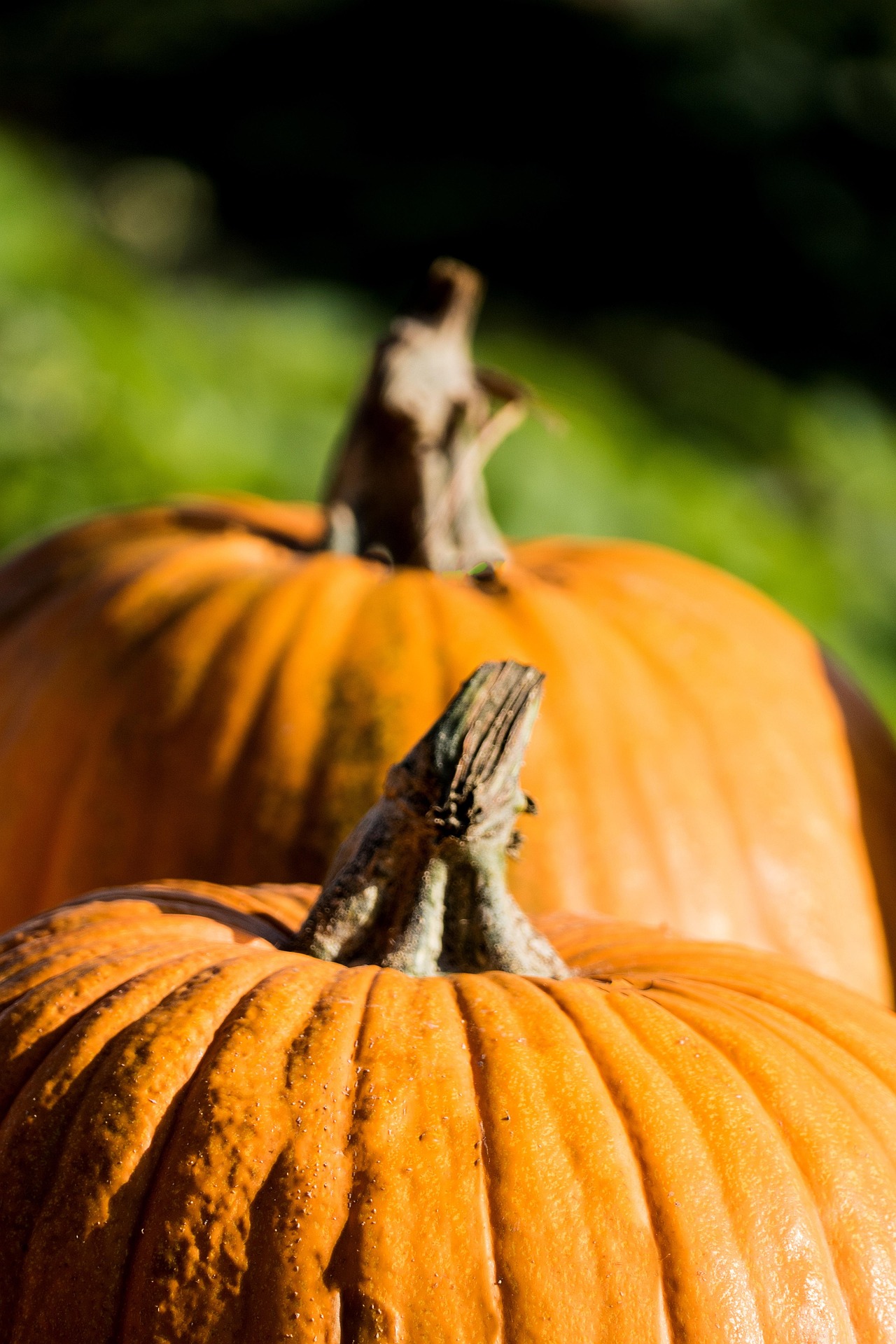
Pumpkins and squash are generally easy to grow, especially for beginners with access to a sunny garden space. They thrive in well-draining soil enriched with compost and need full sun and consistent watering to grow well. These plants are vigorous and fast-growing, often producing multiple fruits per vine if given enough space and time (usually 75 to 120 frost-free days). While they are relatively low-maintenance, they can be susceptible to common pests like squash bugs and vine borers, as well as fungal issues like powdery mildew, but these are manageable with basic garden care. With proper planting and a little attention, pumpkins and squash can be a highly rewarding addition to any garden.
Pumpkins in particular are part of the Cucurbita family, which includes zucchini, butternut squash, and acorn squash, and all have similar growing needs.
What They Need:
| Requirement | Details |
|---|---|
| Sunlight | Full sun (6–8+ hours per day) |
| Soil | Rich, well-draining soil with compost or manure |
| Watering | Deep watering 1–2 times per week; keep soil consistently moist |
| Space | Lots of space to sprawl or climb (vining varieties need room or trellis) |
| Frost-free period | 75–120 days, depending on the variety |
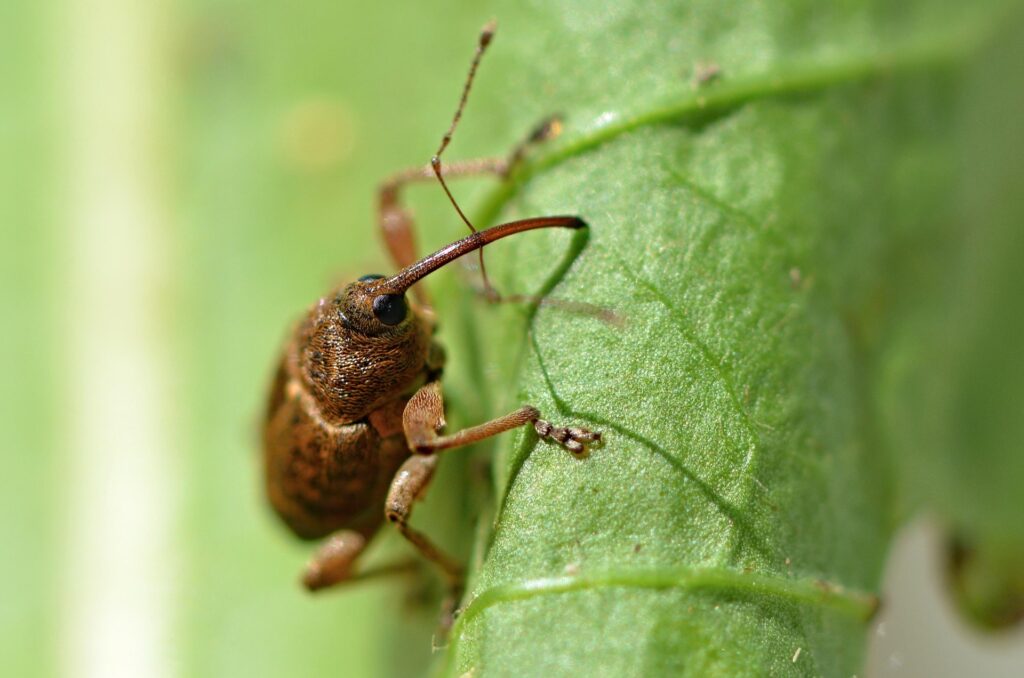
The main enemy, vine borers
A squash vine borer is a destructive garden pest that targets squash, pumpkins, zucchini, and other members of the Cucurbita family. It is the larva (caterpillar) of a moth called Melittia cucurbitae. The adult moth looks like a wasp, with a red-orange body and clear wings, and it lays eggs near the base of squash stems.
When the eggs hatch, the larvae bore into the stem and feed inside the plant, cutting off water and nutrient flow. This causes the plant to wilt suddenly, often looking like it’s thirsty even after watering. If untreated, the damage can kill the plant within days.
Signs of a Squash Vine Borer:
- Sudden wilting of a healthy-looking plant
- Holes at the base of the stem
- Sawdust-like frass (insect poop) near the holes
- Thick, cracked, or mushy stem base
How to Manage Them:
- Inspect plants regularly, especially in early summer
- Cover young plants with row covers to prevent moths from laying eggs
- Split the stem carefully and remove the larva if you spot one (then cover the stem with soil)
- Use neem oil or insecticidal soap on the stem base early in the season
- Rotate crops each year to reduce buildup in the soil
How to mitigate SVBs
Choose the right variety
Some squash and pumpkins have different susceptibility to the dreaded squash vine borer. Some are the favorite snack of the bugs and larva and some are almost bulletproof when it comes to them. We all have heard about winter squash and summer squash, but this isnt necessary what I am referring too when I talk about squash and pumpkins concerning their chances of surviving a season full of SVBs.
Summer Squash
- Harvested young with tender skin and flesh
- Eaten fresh – great for grilling, sautéing, or raw
- Short shelf life
Common Types:
- Zucchini – Green or yellow, classic and very versatile
- Yellow Crookneck – Curved neck, bumpy yellow skin
- Straightneck – Similar to crookneck but straight and smoother
- Pattypan (Scallop squash) – Small, round, and flat with scalloped edges
Winter Squash
- Harvested when mature, with hard skin and firm flesh
- Stores well for months
- Used in cooking (baking, roasting, soups)
Common Types:
- Butternut – Tan skin, sweet orange flesh, great for roasting and soups
- Acorn – Small, ribbed, dark green (sometimes orange), mildly sweet
- Spaghetti Squash – Yellow, oblong; flesh separates into spaghetti-like strands
- Delicata – Cream-colored with green stripes; edible skin, sweet flavor
- Kabocha – Green and squat, very sweet, dense flesh
- Hubbard – Large, often blue-gray, very hard skin, stores well
- Pumpkin – A type of winter squash; some are ornamental, others edible (like sugar pumpkins)
Choose the right species of squash
Not only are there two categories of squash and pumpkins (summer and winter), but there is also 3 main species of them also. These species are really what determines how each plant will cope with squash vine borers. Although I would be lying to say that I choose the right species, one of my favorite vegetables is zucchini. I grow these every year and they are part of the pepo species, which is the most vulnerable of all the squash but I do love them. You may be curious what makes some squash basically invincible to SVBs and some helpless. The main reason is the stem, pepo for example have a hollow stem, so the SVB can easily bore into them and kill the plant from the inside out. They are also somewhat protected from any sprays after they enter the plant. On the other hand moschata have a solid stem, so the SVB have a very difficult time borer through them.
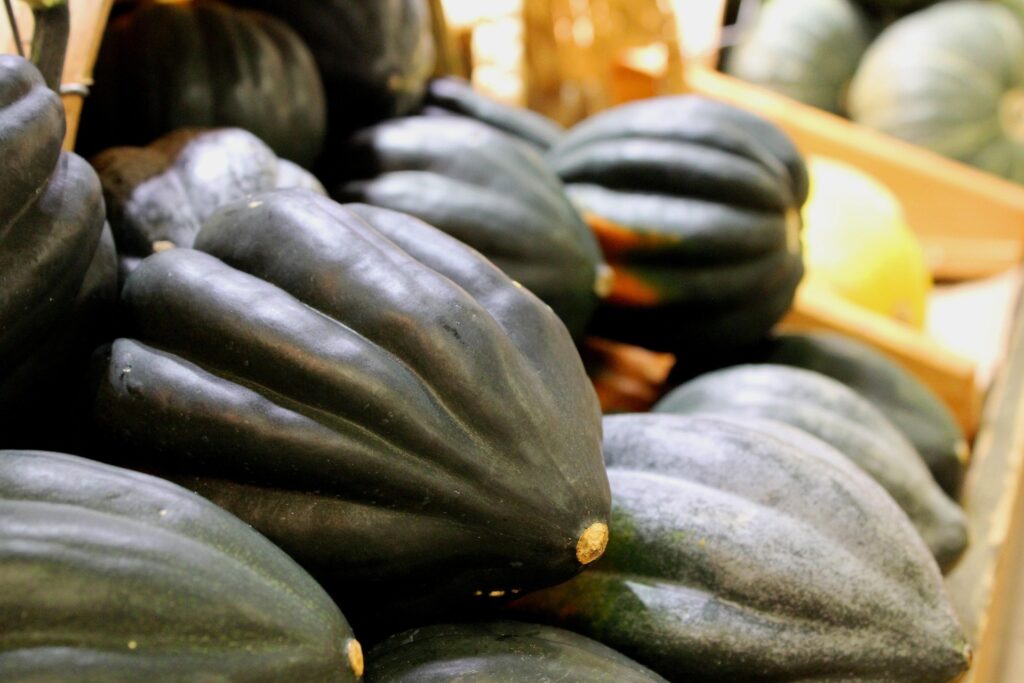
1. Cucurbita pepo
- The most diverse species.
- Includes both summer squash and some pumpkins.
- Examples:
- Zucchini
- Yellow crookneck squash
- Pattypan
- Acorn squash
- Spaghetti squash
- Most ornamental gourds
- Field pumpkins (used for carving)
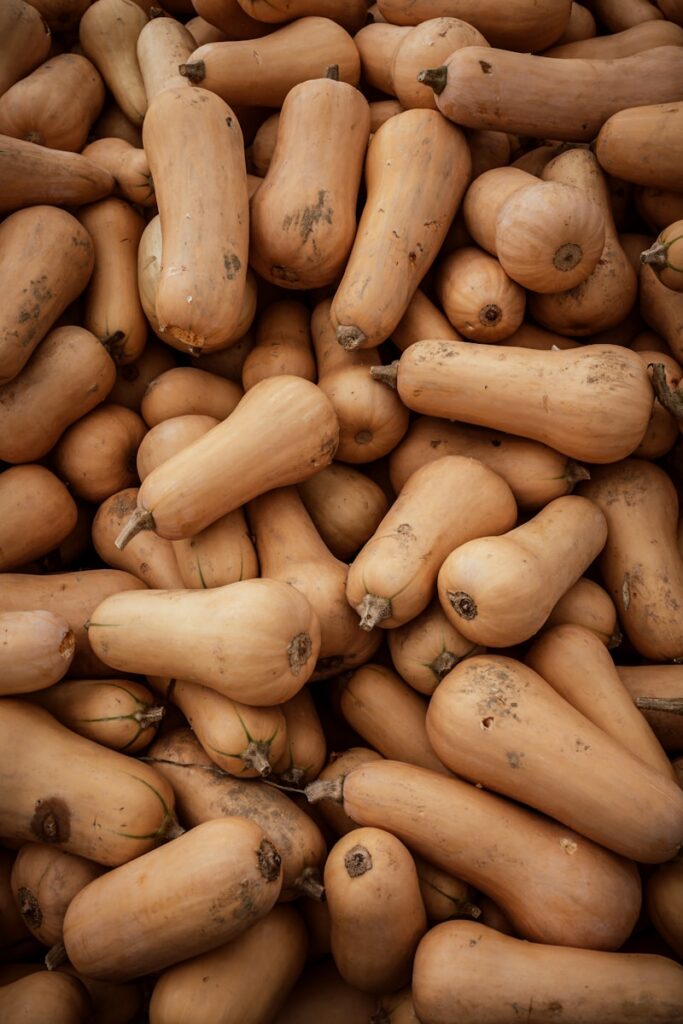
2. Cucurbita moschata
- Known for heat and pest resistance.
- Many are used for cooking and storage.
- Examples:
- Butternut squash
- Musquee de Provence
- “Libby’s” canned pumpkin varieties (technically moschata)
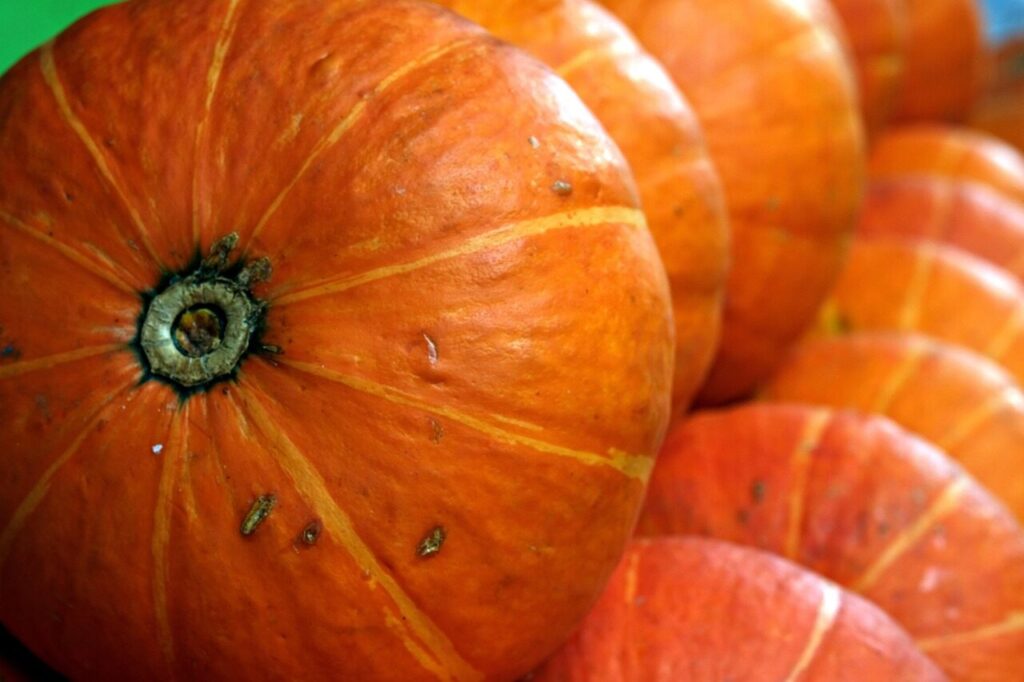
3. Cucurbita maxima
- Produces some of the largest squashes and pumpkins.
- Known for sweet, dense flesh and long storage.
- Examples:
- Hubbard squash
- Kabocha squash
- Buttercup squash
- Giant pumpkins (for contests)
Planting later is another strategy
Planting squash later in the season can help reduce problems with squash vine borers (SVB)—this is a well-known organic strategy to avoid their peak activity.
Why It Works:
- Squash vine borers are most active in early to mid-summer, usually June through early July in most regions.
- If you delay planting until after their egg-laying window, often late July or early August, your plants are less likely to be infested.
- The adult moths usually lay eggs at the base of young squash plants, so if there are no squash plants present during their peak, they move on or die off.
Tips for Success:
- Know your local timing: SVB activity varies by region. In northern areas, there’s usually one generation per year; in southern climates, there may be two.
- Start seedlings indoors if you’re planting late, so they mature quickly.
- Choose fast-maturing varieties (some summer squash mature in 50 days or less).
- Consider planting resistant species, like Cucurbita moschata (e.g., butternut squash), which have tougher stems that SVBs have trouble boring into.
Other Tips:
- Use row covers early in the season (remove when flowers bloom to allow pollination).
- Apply diatomaceous earth or neem oil around the base of stems early on.
- Rotate crops and remove debris at season’s end to eliminate overwintering SVB pupae.
Common zones Timing
SVB Timing in Zone 5:
- Adult squash vine borers usually emerge in late June to early July.
- There is only one generation per year in Zone 5.
- They lay eggs for about 2–3 weeks after emerging.
Late Planting Strategy for Zone 5:
- Wait to plant squash until after SVBs are done laying eggs—typically around mid-to-late July.
- This helps avoid the egg-laying window, so your plants are less likely to be attacked.
- However, because first frost comes earlier (typically in late September to early October), you’ll need to plant quick-maturing squash varieties.
Suggested Timeline for Zone 5:
| Date | Activity |
|---|---|
| Late June–Mid July | SVB active — avoid planting |
| Mid–Late July | Direct sow or transplant squash |
| Mid Sept–Early Oct | Expected harvest before frost |
Best Types to Plant Late in Zone 5:
Look for fast-maturing summer squash, such as:
- Zucchini (e.g., ‘Black Beauty’, ‘Raven’) – matures in 45–55 days
- Pattypan squash – 50–55 days
- Straightneck or Crookneck yellow squash – ~50 days
Winter squash is generally not recommended for late planting in Zone 5, because they need 85–110 days to mature.
SVB Timing in Zone 6:
- SVBs usually emerge in mid-to-late June and lay eggs for 2–3 weeks.
- There’s typically only one generation per year in Zone 6.
Late Planting Strategy in Zone 6:
To avoid SVBs:
- Delay planting squash until mid-to-late July, after the SVB egg-laying period has mostly ended.
- You’ll want to grow fast-maturing summer squash (45–60 days to harvest), so they’re ready before the first frost (usually early to mid-October in Zone 6).
Recommended Planting Timeline (Zone 6):
| Date | Activity |
|---|---|
| Mid–Late June | SVB active — avoid planting |
| Mid–Late July | Direct sow or transplant squash |
| Late Sept–Early Oct | Harvest before frost |
Best Varieties for Late Planting:
These fast-maturing summer squashes are ideal:
- Zucchini (‘Black Beauty’, ‘Raven’) – 45–55 days
- Pattypan squash – 50–55 days
- Yellow crookneck or straightneck – ~50 days
Winter Squash?
- Most winter squash varieties (e.g., butternut, acorn, pumpkin) need 80–110 days, so late planting in Zone 6 is usually too risky for those unless you use season extension methods like row covers.
SVB Timing in Zone 7:
- Adult squash vine borers usually emerge in mid-to-late June and lay eggs through early to mid-July.
- There’s typically one generation per year in Zone 7.
Late Planting Strategy for Zone 7:
- Delay direct seeding until mid-to-late July, or transplant seedlings at that time.
- This means the plants will germinate or be growing after the SVB egg-laying window has mostly passed.
- Choose fast-maturing summer squash (like zucchini that matures in 45–55 days), so you can still harvest in August to early October, before first frost.
Example Planting Timeline (Zone 7):
| Date | Activity |
|---|---|
| June–mid July | SVB is active – avoid planting |
| Mid–Late July | Plant squash (direct sow or transplant) |
| August–Sept | Squash grows without SVB pressure |
| First Frost: ~Mid–Late October | Final harvest |
SVB Timing in Zone 8:
- The first generation of SVB moths usually emerges in late May to early June.
- Eggs are laid throughout June and into July.
- Sometimes, a second generation appears later in the summer or early fall.
Late Planting Strategy in Zone 8:
- To avoid SVB, delay planting squash until mid-to-late July or even early August, after the main egg-laying period.
- This allows your plants to grow mostly free of SVB damage.
- You can still harvest squash through fall and into early winter thanks to the mild climate.
Suggested Timeline for Zone 8:
| Date | Activity |
|---|---|
| Late May–July | SVB active — avoid planting |
| Mid July–Early Aug | Plant squash (direct sow or transplant) |
| Sept–Nov | Harvest, depending on variety |
Best Varieties for Late Planting:
- Fast-maturing summer squashes like zucchini, crookneck, or pattypan (45–60 days)
- Some winter squash (if you want a longer season), but be sure to plant early enough to mature before the first frost, which is usually late November or December in Zone 8.
Extra Tips:
- Because Zone 8’s mild winters allow longer growing seasons, you can often get multiple plantings of squash each year.
- Use row covers early in the season to protect young plants if you start earlier.
- Consider crop rotation and removing old vines after harvest to reduce SVB populations next year.
Comments are closed