Squash is one of the easiest vegetables to grow at home, even if you’re new to gardening. Once the weather warms up, squash plants take off quickly with very little fuss. They grow fast, produce plenty of food, and can thrive in backyard gardens, raised beds, or even large containers. With just a sunny spot, regular watering, and a little room to spread, you can enjoy fresh squash all summer long without needing years of gardening experience.
One of the best things about growing squash is the huge variety to choose from. Summer squash like zucchini and yellow crookneck are perfect for fresh meals and produce heavily through the season, while winter squash such as butternut, acorn, and spaghetti squash offer rich flavor and long storage life. Winter squash is especially useful because it can be cured and stored for months after harvest, giving you homegrown food well into the colder months. With so many colors, shapes, and flavors available, squash is an easy crop that keeps the garden productive from summer through winter.
Three main categories
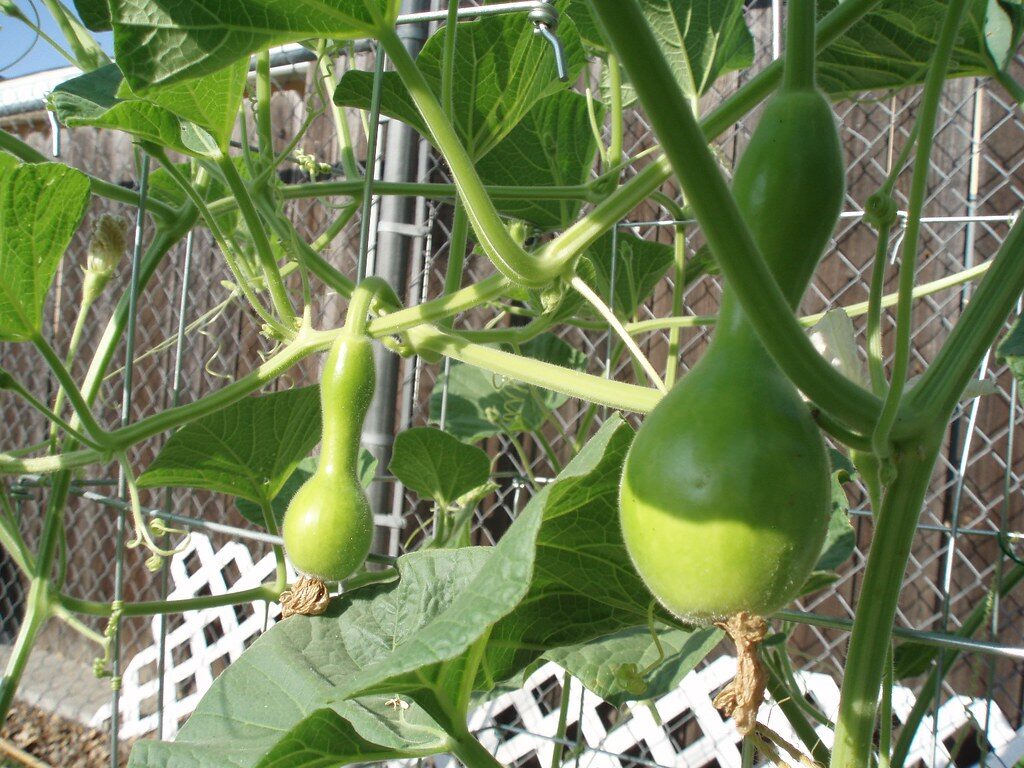
Squash is usually grouped into three main categories: summer squash, winter squash, and gourds. Summer squash, like zucchini and yellow squash, are picked while the skin is still soft and tender, making them great for fresh eating and quick cooking. Winter squash, such as butternut, acorn, and pumpkins, are left on the vine longer until the skin hardens, which helps them store for months after harvest. Gourds are the third category and are mostly grown for decoration, crafts, or birdhouses rather than eating. Each type grows a little differently, but all squash are known for being easy to grow and highly productive in the home garden.
Summer Squash
Winter Squash
Gourds
Picked young while the skin is soft and tender.
Left to fully mature until the skin becomes hard.
Mostly grown for decoration and crafts rather than eating.
Common types include zucchini, yellow squash, and pattypan.
Common types include butternut, acorn, spaghetti squash, and pumpkins.
Includes ornamental gourds, dipper gourds, and birdhouse gourds.
Best eaten fresh and used soon after harvest.
Can be stored for weeks or even months after harvest.
Often dried and used for fall displays, containers, or birdhouses.
Fast growing and highly productive through summer.
Takes longer to mature but stores well through winter.
Easy to grow and adds color and variety to the garden.
Popular Summer Squash
Summer Squash Variety
Description
Why Gardeners Love It
Zucchini
Dark green squash with smooth skin and mild flavor.
Very productive and easy to grow in almost any garden.
Yellow Crookneck
Bright yellow squash with a curved neck and bumpy skin.
Fast growing and great for frying, grilling, and casseroles.
Straightneck Squash
Yellow squash with a straight shape and tender flesh.
Reliable producer with a mild flavor perfect for fresh cooking.
Pattypan Squash
Small round squash with scalloped edges.
Fun shape, quick growing, and excellent for roasting or stuffing.
Cousa Squash
Light green squash with a shorter, thicker shape.
Tender texture and excellent flavor for stuffing or sautéing.
Zephyr Squash
Two-toned squash with yellow skin and a green tip.
Unique look with a nutty flavor and tender texture.
Round Zucchini
Small round zucchini often about softball size.
Great for stuffing and easy to harvest before getting oversized.
Tromboncino Squash
Long curved squash that can grow several feet long.
Vigorous vine with fewer pest problems and excellent flavor.
Popular Winter Squash
Winter Squash Variety
Description
Why Gardeners Love It
Butternut Squash
Tan-colored squash with sweet orange flesh.
Excellent flavor, easy to cook, and stores for months.
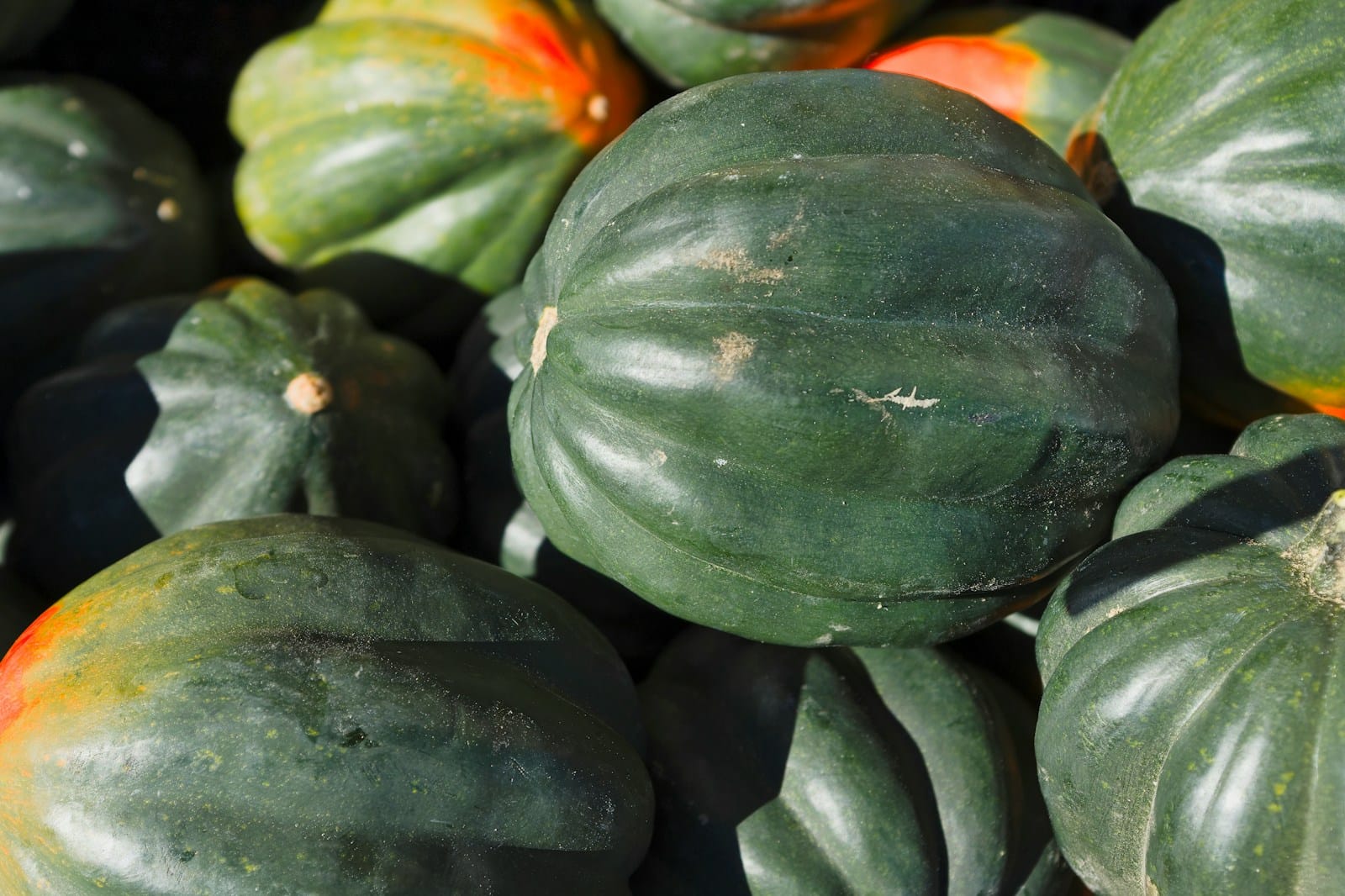
Acorn Squash
Small dark green squash with deep ridges.
Compact plants and perfect size for baking or stuffing.
Spaghetti Squash
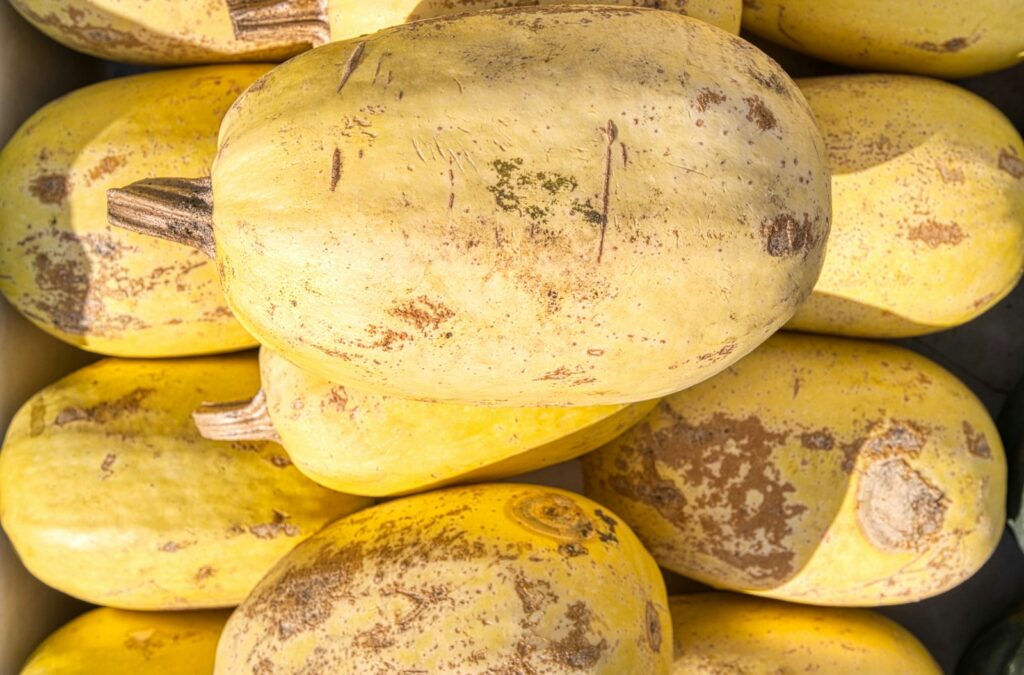
Yellow squash with stringy flesh that looks like noodles.
Popular low-carb pasta substitute and easy to grow.
Delicata Squash
Cream-colored squash with green stripes and thin edible skin.
Sweet flavor and doesn’t require peeling before cooking.
Hubbard Squash
Large squash with thick bumpy skin and rich orange flesh.
Great for long-term storage and hearty winter meals.
Buttercup Squash
Dark green squash with dense, sweet flesh.
Rich flavor that works well in soups and baking.
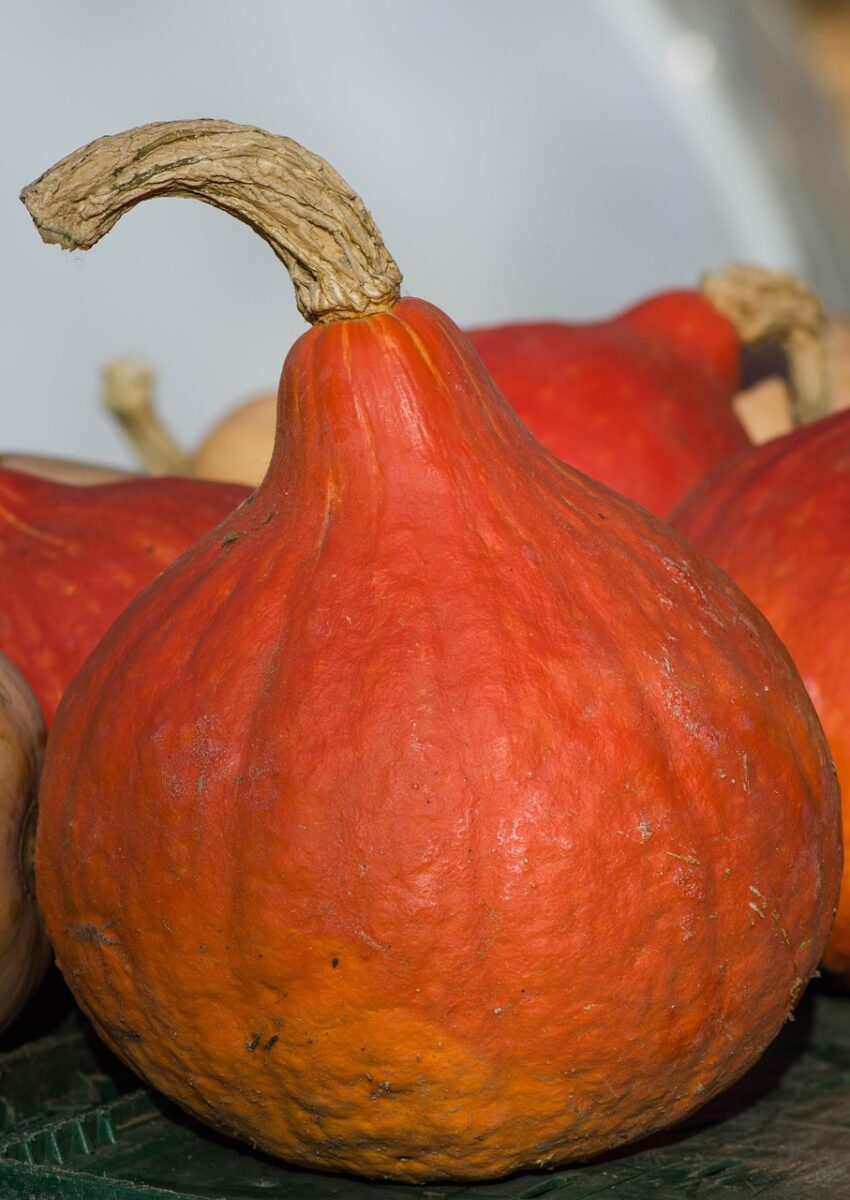
Kabocha Squash
Round green squash with dry, sweet flesh.
Smooth texture and excellent flavor for roasting.
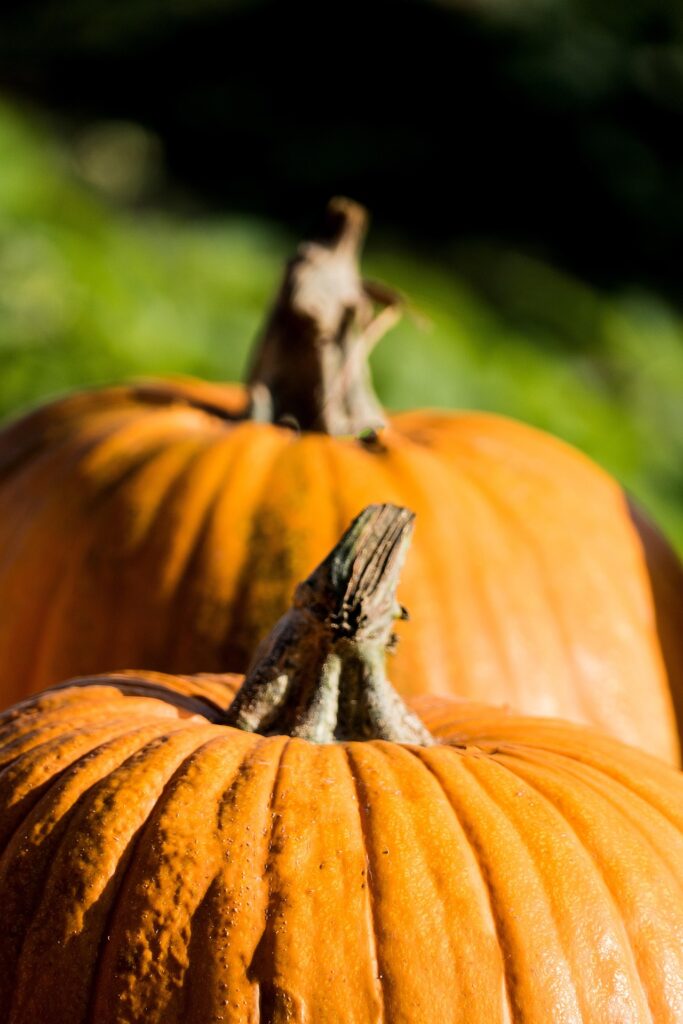
Pumpkin
Large orange squash grown in many shapes and sizes.
Versatile for pies, roasting, decorating, and seed saving.
Popular Gourds
Gourd Variety
Description
Why Gardeners Love It
Birdhouse Gourd
Large hard-shelled gourd often shaped like a bottle.
Popular for making birdhouses, crafts, and decorations.
Dipper Gourd
Long-necked gourd traditionally used as a scoop or ladle.
Fun shape and excellent for crafting projects.
Apple Gourd
Small round gourd that resembles an apple.
Adds bright color and variety to fall displays.
Speckled Swan Gourd
Curved-neck gourd shaped like a swan.
Decorative and eye-catching for autumn arrangements.
Daisy Gourd
Small flat gourd with colorful patterns and ridges.
Great for table decorations and mixed gourd displays.
Bottle Gourd
Smooth green gourd that hardens when dried.
Used for crafts, containers, and ornamental projects.
Warted Mix Gourds
Mixed gourds with bumpy, textured skins in many colors.
Unique shapes and textures make them fun to grow.
Mini Pumpkin Gourds
Tiny pumpkin-shaped gourds in orange, white, and striped colors.
Perfect for seasonal decorating and centerpieces.
Three Types of Squash
Squash is mainly divided into three different species: Cucurbita pepo, Cucurbita maxima, and Cucurbita moschata. Cucurbita pepo includes many of the most common garden squash such as zucchini, yellow squash, acorn squash, pumpkins, and many gourds. Cucurbita maxima is known for larger winter squash like Hubbard, buttercup, kabocha, and giant pumpkins, which are prized for their sweet flavor and long storage life. Cucurbita moschata includes butternut squash and tromboncino squash, and these plants are often more heat tolerant and resistant to pests than other squash types. While the different species may look and grow a little differently, they are all easy and rewarding crops for the home garden.
Squash Species
Common Types Included
Description
Cucurbita pepo
Zucchini, yellow squash, acorn squash, many pumpkins, gourds
The most common squash species grown in home gardens. These plants grow quickly and include many summer squash and smaller winter squash varieties.
Cucurbita maxima
Hubbard, buttercup, kabocha, giant pumpkins
Known for large fruits, rich flavor, and excellent storage ability. Many winter squash in this group have thick skin and sweet flesh.
Cucurbita moschata
Butternut squash, some pumpkins, tromboncino
Heat-tolerant plants that often resist pests better than other squash types. Many varieties store very well through winter.
Importance of type regarding squash vine borer
The type of squash you grow can make a big difference when dealing with squash vine borers because some squash species are much more resistant to damage than others. Squash vine borers are most attracted to plants in the Cucurbita pepo group, which includes zucchini, yellow squash, pumpkins, and many gourds. These plants have softer stems that the borers can easily tunnel into, often causing the plant to suddenly wilt and die. On the other hand, varieties in the Cucurbita moschata group, such as butternut squash and tromboncino squash, have tougher, thicker stems that are naturally more resistant to vine borer damage. Cucurbita maxima varieties, like Hubbard and buttercup squash, usually fall somewhere in between. Knowing the squash species you are growing can help you choose varieties that are better suited for areas where squash vine borers are a common problem, making it easier to grow healthy plants with less frustration.
Squash Species
Common Squash Types
Squash Vine Borer Vulnerability
Cucurbita pepo
Zucchini, yellow squash, acorn squash, many pumpkins, gourds
Most vulnerable. Soft stems are highly attractive to squash vine borers and often suffer severe damage.
Cucurbita maxima
Hubbard, buttercup, kabocha, giant pumpkins
Moderately vulnerable. Thicker vines offer some protection, but plants can still be attacked.
Cucurbita moschata
Butternut squash, tromboncino, cheese pumpkins
Least vulnerable. Tough, solid stems make these varieties much more resistant to squash vine borers.
Squash least vulnerable to squash vine borers
Squash Variety
Species
Why It’s Less Vulnerable to Squash Vine Borer
Butternut Squash
Cucurbita moschata
Very tough, solid stems make it hard for borers to tunnel in.
Tromboncino Squash
Cucurbita moschata
Long vining growth and firm stems give strong natural resistance.
Long Island Cheese Pumpkin
Cucurbita moschata
Dense stem structure helps it withstand borer damage better than most pumpkins.
Seminole Pumpkin
Cucurbita moschata
Heat-tolerant and extremely hardy with strong pest resistance.
Kabocha Squash
Cucurbita maxima
Thicker vines reduce damage risk compared to softer-stemmed squash.
Buttercup Squash
Cucurbita maxima
Compact vines and dense growth make it moderately resistant.
Hubbard Squash
Cucurbita maxima
Thick rind and sturdy growth help it tolerate pest pressure.
Dickinson Pumpkin
Cucurbita moschata
Strong stems and vigorous growth make it a reliable low-risk pumpkin type.
Squash vine borer prevention
Prevention Method
What You Do
Why It Works
Row Covers
Cover young squash plants with lightweight fabric until flowering begins.
Prevents adult vine borers from laying eggs on stems.
Crop Rotation
Don’t plant squash in the same spot every year.
Disrupts the pest life cycle and reduces overwintering larvae.
Stem Wrapping
Wrap the lower stems with foil or protective tape.
Blocks egg-laying and makes it harder for larvae to enter stems.
Timing Planting
Plant squash early or late in the season (avoid peak borer season).
Helps plants grow before or after the worst egg-laying period.
Trap Crops
Plant highly attractive squash (like zucchini) away from main garden.
Draws vine borers away from more valuable plants.
Regular Inspection
Check stems for small holes, sawdust-like frass, or wilting.
Early detection allows you to remove larvae before major damage.
Soil Mounding
Mound soil around the base of plants.
Encourages extra root growth above damage points.
Resistant Varieties
Grow moschata types like butternut or tromboncino.
Naturally tougher stems make it harder for borers to infest plants.
Pesticides for squash vine borer
Spray Option
What It Is
How It Helps Against Squash Vine Borer
Bacillus thuringiensis (Bt) (kurstaki)
A natural bacteria-based insecticide safe for many gardens.
Targets young larvae before they bore deep into stems; must be applied frequently.
Spinosad Spray
A natural fermentation-derived insecticide.
Effective against newly hatched larvae and can reduce early infestations.
Neem Oil
Plant-based oil extracted from neem seeds.
Helps deter egg-laying and weakens young larvae, but works best as prevention.
Pyrethrin Spray
Botanical insecticide derived from chrysanthemum flowers.
Kills adult vine borers on contact, reducing egg-laying.
Kaolin Clay (Surround WP)
A fine clay powder mixed with water and sprayed on plants.
Creates a barrier that confuses and deters adult moths from laying eggs.
Horticultural Oil
Refined oil spray used in gardening.
Helps smother small insects and can reduce egg survival on stems.
Insecticidal Soap
Fatty acid-based spray that targets soft-bodied insects.
Limited effect on vine borers but can help reduce other pests that weaken plants.
Permethrin (synthetic pyrethroid)
Strong synthetic insecticide (use carefully).
Can kill adult moths and larvae but may harm beneficial insects if overused.
Recommended Spray Schedule
Growth Stage
Timing
Recommended Spray
Seedling / Early Growth
Week 1–3 after emergence
None or light Neem Oil
Pre-Flowering
Week 3–5
Neem Oil or Kaolin Clay
Early Flowering Begins
When first flowers appear
Bacillus thuringiensis (Bt) + Pyrethrin (spot spray only if needed)
Peak Vine Borer Season
Mid-season (typically 4–8 weeks of flowering)
Bt every 5–7 days + Kaolin Clay weekly
Ongoing Production
Mid to late season
Bt as needed + Neem Oil (light maintenance)
Late Season / Final Harvest
Last few weeks before plant decline
Minimal or none unless infestation appears
Ideal Conditions
Growing Condition
Ideal Range / Description
Why It Matters
Sunlight
Full sun (6–8+ hours per day)
Maximizes growth, flowering, and fruit production.
Soil
Loose, well-drained soil rich in organic matter
Helps roots spread easily and supports strong, healthy vines.
Soil pH
Slightly acidic to neutral (about 6.0–7.0)
Ensures nutrients are available for healthy plant growth.
Temperature
Warm weather (70–95°F / 21–35°C)
Squash is a warm-season crop that grows best in heat.
Watering
Consistent moisture, about 1–2 inches per week
Prevents stress, improves fruit development, and reduces bitterness.
Spacing
3–5 feet apart for bush types, more for vines
Improves airflow and reduces disease and pest pressure.
Fertility
Moderate to high nitrogen early, then balanced fertilizer
Supports leafy growth first, then fruit production later.
Pollination
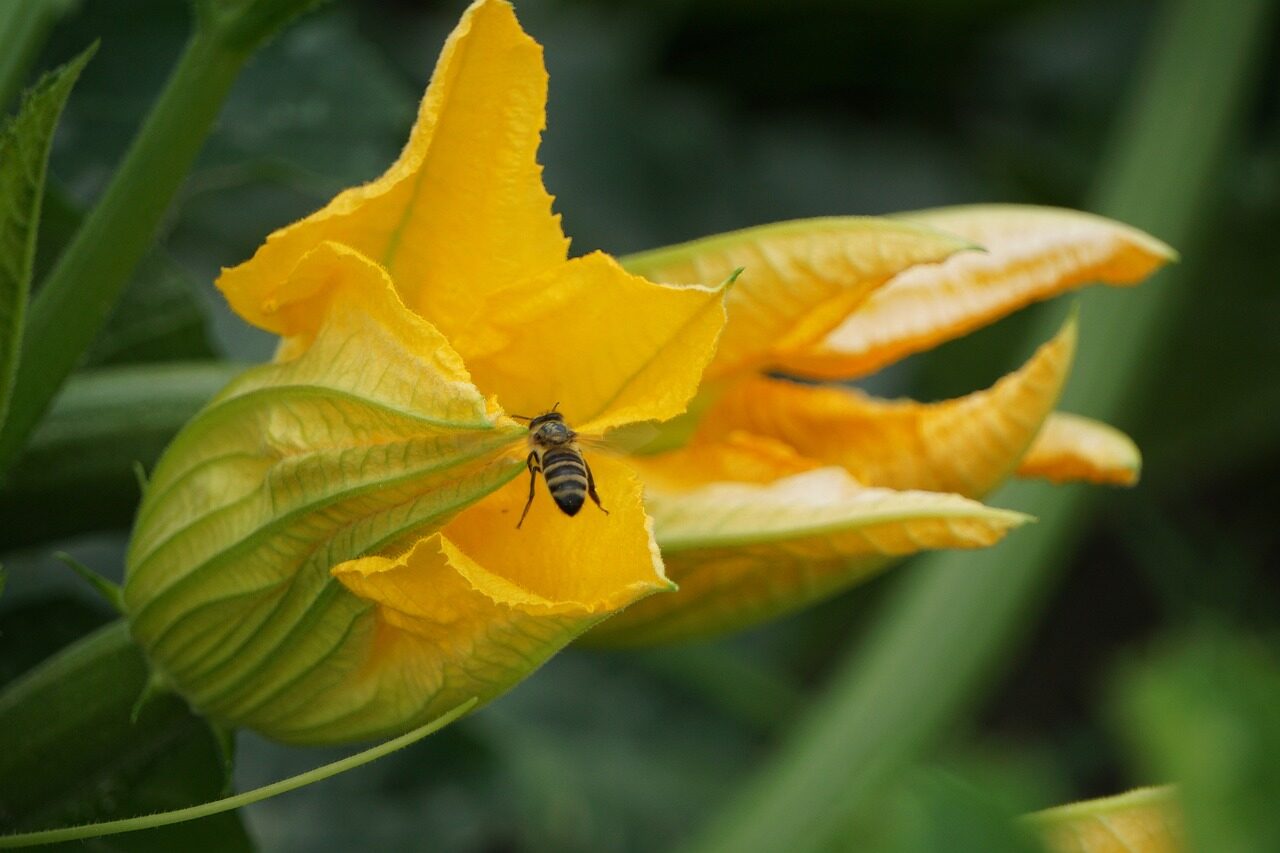
Presence of bees or hand pollination if needed
Required for fruit set and good squash production.
When to start seeds and transplant (Spring)
USDA Zone
Start Seeds Indoors
Direct Sow Outdoors
Zone 4
Late April – early May (2–4 weeks before last frost)
Late May – early June
Zone 5
Mid–late April
Late May
Zone 6
Early–mid April
Mid–late May
Zone 7
Late March – early April
Early–mid May
Zone 8
Mid–late March
Mid–late April
Zone 9
Late February – March
March – April
Zone 10
January – February (or nearly year-round in frost-free areas)
February – March (or year-round in frost-free areas)
When to direct sow
USDA Zone
Direct Sow Timing
Key Soil Temperature / Conditions
Zone 4
Late May – early June
Soil is consistently 60–70°F+ and all frost risk is gone
February – March (often year-round in frost-free areas)
Warm soil year-round; avoid extreme heat peaks for germination
Storage times for winter squash
Winter Squash Variety
Typical Storage Time
Storage Notes
Butternut Squash
3–6 months
One of the best keepers; store in a cool, dry place.
Acorn Squash
1–2 months
Shorter storage life; best used relatively soon after harvest.
Spaghetti Squash
2–3 months
Stores moderately well if cured properly.
Delicata Squash
1–2 months
Thin skin means shorter storage time.
Kabocha Squash
3–4 months
Dense flesh helps it hold quality longer.
Buttercup Squash
2–3 months
Stores well but best used within a few months.
Hubbard Squash
4–6 months
Excellent long-term storage due to thick rind.
Pumpkin (Cucurbita pepo types)
2–3 months
Storage varies by variety; carving types store shorter than pie pumpkins.
Storage Prep
Preparing squash for winter storage starts right at harvest. Pick winter squash only when it’s fully mature skin should be hard, and you shouldn’t be able to easily scratch it with a fingernail. Cut the squash from the vine instead of pulling it off, leaving a few inches of stem attached. That stem helps prevent rot from entering the fruit.
After harvesting, the next important step is curing. Place the squash in a warm, dry, well-ventilated area (around 80–85°F if possible) for about 7–14 days. This helps harden the skin, heal minor cuts, and improve flavor and storage life. Once cured, move the squash to a cool, dry place for long-term storage really around 50–60°F with good air circulation, like a basement or pantry shelf. Avoid stacking them or letting them touch if possible, and check them occasionally for soft spots or signs of rot so you can remove any that go bad before they spread.
Easy step by step
1. Harvest at full maturity Pick winter squash when the skin is hard and you can’t easily scratch it with your fingernail. Make sure the color is fully developed for the variety.
2. Cut, don’t pull Use pruning shears or a knife to cut the squash from the vine. Leave about 2–4 inches of stem attached to each squash to help prevent rot.
3. Handle carefully Avoid dropping or bruising the squash. Even small damage can shorten storage life.
4. Cure the squash Place squash in a warm, dry, well-ventilated area (about 80–85°F if possible) for 7–14 days. This hardens the skin and improves storage quality.
5. Clean gently (if needed) Brush off excess dirt, but do not wash with water before storing, as moisture can encourage rot.
6. Sort and inspect Only store squash that is fully cured and free of soft spots, cuts, or damage.
7. Store properly Keep squash in a cool, dry place (50–60°F is ideal) with good airflow. Avoid stacking or letting them touch each other.
8. Check regularly Inspect stored squash every couple of weeks and remove any that start to soften or rot to protect the rest.
Common diseases and problems
Disease
What It Looks Like
Common Causes / Conditions
Powdery Mildew
White, powdery coating on leaves that spreads and causes yellowing
Yellow patches on top of leaves with gray/purple fuzz underneath
Wet, humid conditions and frequent rain or overhead watering
Bacterial Wilt
Sudden wilting of vines even when soil is moist
Spread by cucumber beetles carrying bacteria
Anthracnose
Dark, sunken spots on leaves, stems, and fruit
Warm, wet weather and infected plant debris
Fusarium Wilt
Yellowing and wilting starting on one side of the plant
Soil-borne fungus that thrives in warm soils
Squash Mosaic Virus
Mottled, distorted leaves and stunted plant growth
Spread by aphids and infected seeds
Blossom End Rot
Dark, sunken spot on the blossom end of fruit
Inconsistent watering and calcium imbalance
Gummy Stem Blight
Brown lesions on stems with sticky ooze and leaf spotting
High humidity and infected seed or plant residue
Fertilizing schedule
Growth Stage
Timing
Fertilizing Recommendation
Pre-Planting
1–2 weeks before planting
Mix compost or a balanced slow-release fertilizer into the soil
Seedling Stage
1–3 weeks after emergence
Light feeding with a balanced fertilizer (low to moderate nitrogen)
Vegetative Growth
3–5 weeks after emergence
Higher nitrogen fertilizer to support strong vine and leaf growth
Pre-Flowering
Just before flowers appear
Switch to a balanced fertilizer (equal N-P-K)
Flowering Stage
When flowers begin forming
Reduce nitrogen, increase phosphorus and potassium for fruit set
Fruit Development
Throughout fruit growth
Consistent light feeding every 2–3 weeks with balanced fertilizer
Late Season
Last 2–3 weeks before harvest
Stop fertilizing to improve flavor and storage quality
Common Pest
Pest
What It Looks Like / Damage
Typical Impact on Squash
Squash Vine Borer
Adult moth lays eggs at base of stem; larvae tunnel inside stems causing sudden wilting
Can kill entire plant if not caught early
Squash Bug
Flat brown insects found on leaves and stems; leaves turn yellow and wilt
Sucks plant sap, weakens vines, and reduces yield
Cucumber Beetle
Yellow-green beetles with black spots or stripes; chew leaves and flowers
Damages foliage and spreads bacterial wilt
Aphids
Tiny green, black, or white insects clustered on new growth
Causes curled leaves and spreads plant viruses
Whiteflies
Small white flying insects that swarm when disturbed
Weakens plants by sucking sap and spreading disease
Spider Mites
Very tiny pests causing speckled, dusty-looking leaves and webbing
Thrive in hot, dry conditions and stunt plant growth
Cutworms
Larvae that cut young seedlings at soil level
Can destroy young squash plants overnight
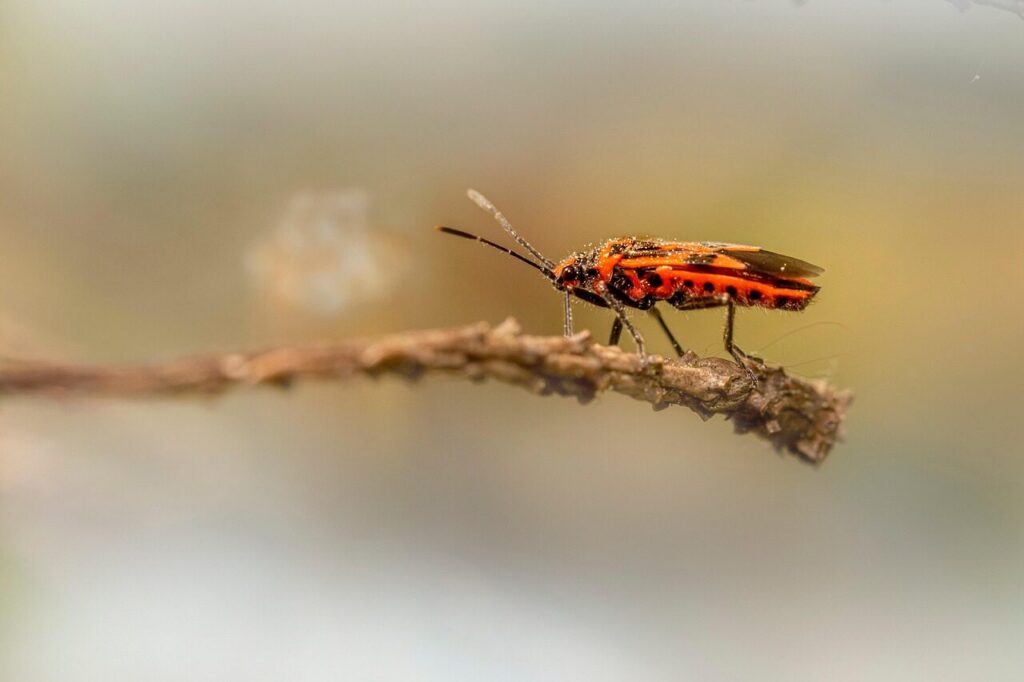
Squash Vine Borer Moth
Day-flying moth with orange and black markings
Adult stage responsible for laying eggs that lead to vine damage
Growing squash in your garden is one of the most rewarding and practical choices you can make. It’s a crop that’s easy to start, grows quickly, and produces a generous harvest with just a bit of basic care. Whether you’re enjoying tender summer squash all season long or storing hardy winter squash to eat months later, it gives you fresh, homegrown food over a long stretch of time. With so many varieties, flavors, and uses, squash fits into just about any garden and kitchen. Overall, it’s a reliable, productive plant that makes gardening feel both simple and satisfying.
Comments are closed