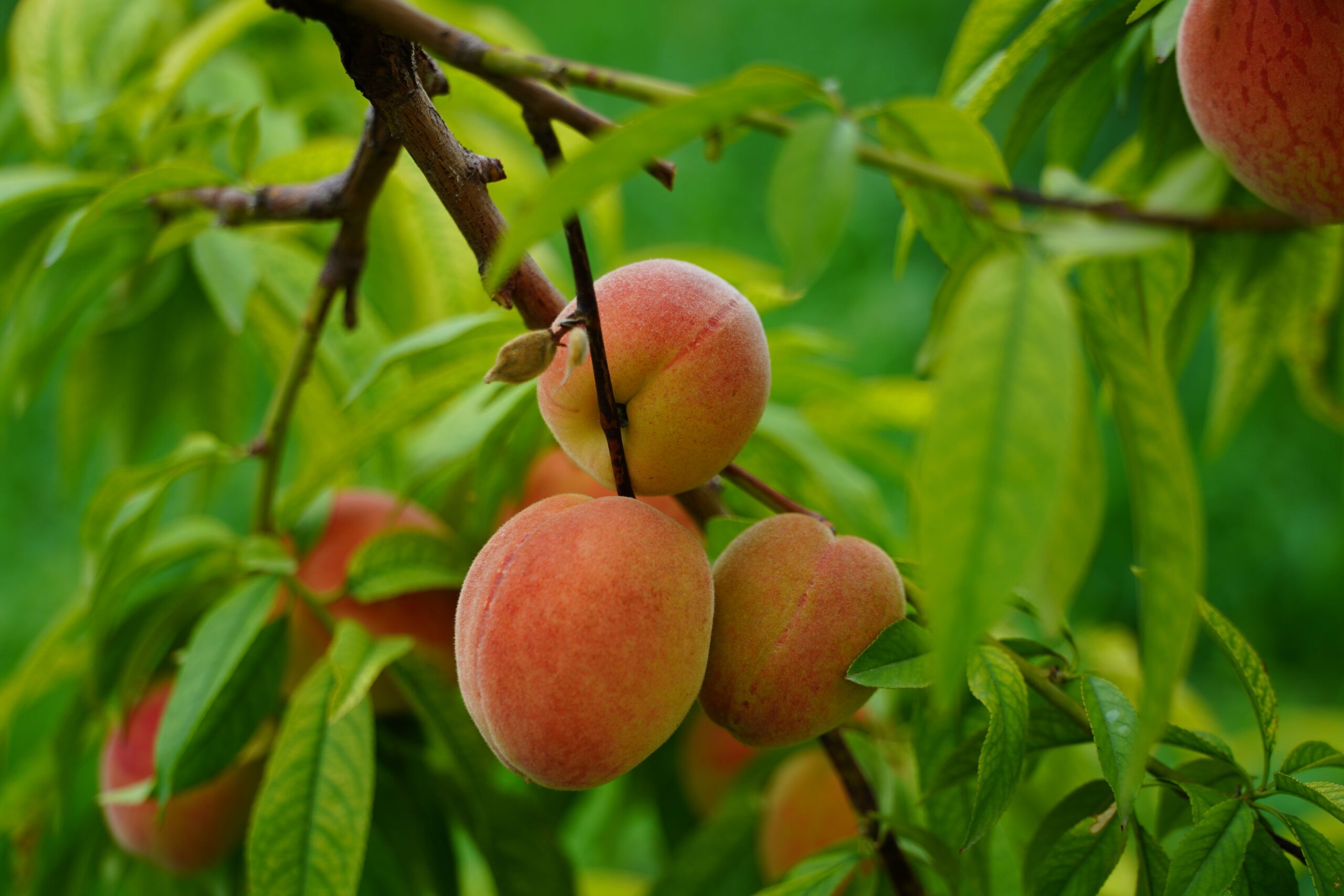
Peaches are some people’s favorite fruit to eat for good reason, and everyone knows there really is something unbeatable about a home grown peach. The home grown peach just blows away the peaches you can get in the store from how juicy the peach is and the taste. Sure, peach trees take a little bit more work than say a pear tree, but in my opinion they are definitely worth the effort. Zone 8 is the most common zone for peaches for a reason, they truly flourish there. Here is what I think the best peaches to grow in zone 8.
Best kind of peaches to grow
I tried to make some overall recommendation based on what I think would be a good starting point for deciding on what peach trees to put in your home garden or orchard.
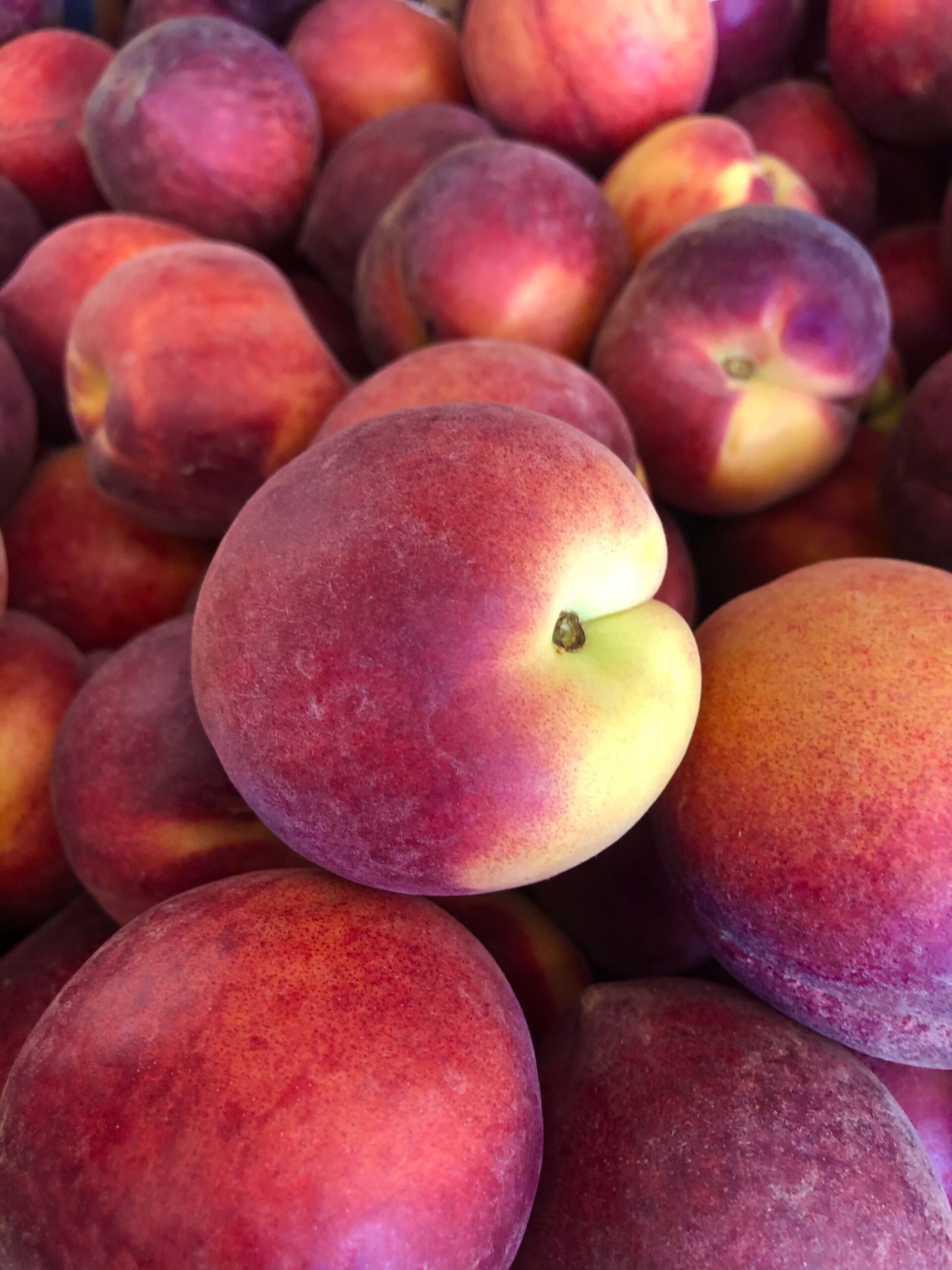
Zone 8 is one of the best places to grow peach trees because it gives them exactly what they need to thrive. The winters are cold enough for the trees to get the chilling hours they need to produce fruit, while the long, warm growing season helps peaches develop their sweet flavor and juicy texture. Spring temperatures are usually mild, giving blossoms a good chance to grow before the heat of summer arrives. With plenty of sunshine and the right balance of warm and cool weather, peach trees in Zone 8 can produce healthy crops year after year with proper care.
Top Peach Varieties for Zone 8
| Peach Tree Variety | Chill Hours | Ripening Time | Flavor Notes |
|---|---|---|---|
| Redhaven | 800–900 | Mid to Late July | Classic peach flavor with juicy yellow flesh, balanced sweetness, and a hint of tang. Excellent for fresh eating, baking, and canning. |
| Elberta | 800–950 | Early to Mid-August | Large peaches with rich sweetness, firm yellow flesh, and a slight tart finish. A longtime favorite for home orchards. |
| Contender | 1,000–1,050 | Late July to Early August | Very sweet, juicy peaches with excellent flavor and firm flesh. Highly reliable and resistant to late spring frosts. |
| Cresthaven | 850–900 | Mid to Late August | Rich, sweet flavor with firm yellow flesh that stays juicy. Excellent for fresh eating and has a long harvest window. |
| Belle of Georgia | 800–850 | Late July to Early August | White-fleshed peach with a delicate floral aroma, low acidity, and exceptionally sweet, melting texture. One of the best peaches for fresh eating. |
Different Types of Peaches
Peaches come in a wide variety of types based on several key characteristics. Here’s a breakdown of the main types of peaches, categorized by pit type, flesh color, use, and shape:
1. By Pit Type
This is the most common way peaches are classified:
Freestone
- Flesh separates easily from the pit
- Great for fresh eating, baking, and canning
- Usually larger and less juicy than clingstone
- Examples: Redhaven, Elberta, Contender
Clingstone
- Flesh clings tightly to the pit
- Sweeter and juicier; more tender
- Often used for commercial canning or processing
- Examples: Springcrest, June Gold
Semi-freestone (Semi-cling)
- A hybrid type: easier to pit than clingstone, but not fully freestone
- Good for both fresh use and light processing
- Examples: Suncrest, Harvester
2. By Flesh Color
Yellow-Fleshed
- Most common in the U.S.
- Bold, sweet-tart flavor
- Often more acidic than white varieties
- Examples: Redhaven, Elberta, Harvester
White-Fleshed
- Sweeter, lower acidity, floral or honey-like flavor
- Popular in Asia and increasingly in the U.S.
- More delicate texture
- Examples: Belle of Georgia, White Lady
Red-Fleshed (Blood Peaches)
- Rare, often heirloom or specialty varieties
- Deep red or purple streaks in flesh
- Intense flavor, sometimes with berry notes
- Example: Indian Free Peach
3. By Use
Fresh Eating
- Juicy, flavorful, usually freestone or semi-freestone
- Examples: Redhaven, Contender, Belle of Georgia
Canning or Baking
- Firm, freestone, with well-balanced flavor
- Examples: Elberta, Loring, Veteran
Processing (Commercial)
- Often clingstone, consistent in size and sweetness
- Examples: Babygold series, Springcrest
4. By Shape
Classic Round Peaches
- The typical shape most people know
Donut (Saturn) Peaches
- Flat, saucer-shaped
- Usually very sweet, white-fleshed, and low-acid
- Popular for fresh snacking
- Example: Saturn Peach
Best Fresh Eating Peaches
| Peach Variety | Chill Hours | Ripening Time | Flavor Notes |
|---|---|---|---|
| O’Henry | 750–850 | Late July to Early August | Exceptionally sweet with rich, full peach flavor, low acidity, and juicy yellow flesh. Considered one of the finest peaches for eating fresh. |
| Redhaven | 800–900 | Mid to Late July | Classic peach flavor with the perfect balance of sweetness and acidity. Juicy, aromatic, and consistently delicious right off the tree. |
| Belle of Georgia | 800–850 | Late July to Early August | White-fleshed peach with a delicate floral aroma, very sweet flavor, low acidity, and a soft, melting texture. |
| Saturn (Donut Peach) | 300–500 | Late June to Early July | Super sweet white flesh with notes of honey and almond. Low acidity and a unique flat shape make it a favorite for snacking. |
| Julyprince | 850–950 | Late July | Large, firm peaches with deep sweetness, rich peach flavor, and excellent juiciness. Holds well on the tree without losing quality. |
Canning Peaches
Perfect—when it comes to canning, you’re looking for peaches that:
- Hold their shape when processed
- Have a balanced sugar-acid flavor
- Are freestone (much easier to pit and peel)
- Have firm, dense flesh (so they don’t go mushy)
Best Peach Varieties for Canning in Zone 8
| Peach Variety | Chill Hours | Ripening Time | Flavor Notes |
|---|---|---|---|
| Elberta | 800–950 | Early to Mid-August | Large, freestone peaches with firm yellow flesh, rich sweetness, and a slight tang. Holds its shape exceptionally well when canned. |
| Cresthaven | 850–900 | Mid to Late August | Firm, juicy yellow flesh with excellent sweetness and outstanding texture. One of the best peaches for canning and freezing. |
| Redhaven | 800–900 | Mid to Late July | Sweet, juicy, freestone peach with balanced flavor. Retains excellent color and flavor after canning. |
| Loring | 750–850 | Late July | Large peaches with firm, juicy flesh and rich sweetness. Excellent for canning thanks to its size and texture. |
| Canadian Harmony | 800–900 | Late August | Very sweet freestone peach with dense yellow flesh that stays firm during processing. Excellent for canning, freezing, and preserv |
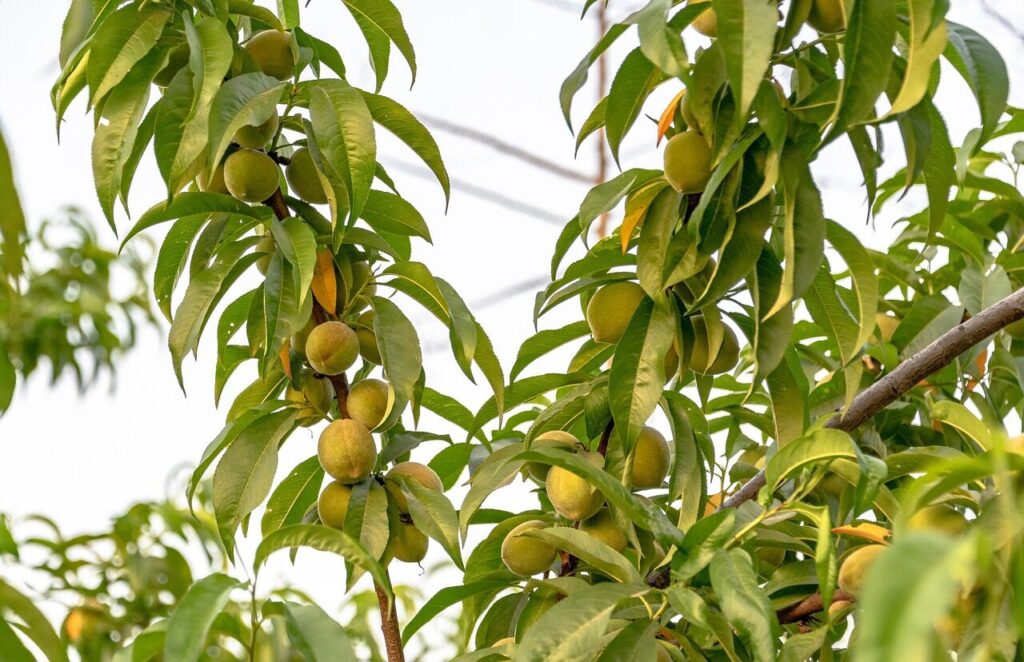
Harvest rate chart for tree size
| Tree Type | Mature Size | Approx. Annual Harvest per Tree | Notes |
|---|---|---|---|
| Dwarf | 8–10 ft | 30–100 lbs | Small size makes harvesting easy; ideal for small yards or containers; begins producing fruit in 2–3 years. |
| Semi-Dwarf | 12–16 ft | 100–200 lbs | Offers more fruit than dwarf while remaining manageable; usually starts bearing in 3–4 years. |
| Standard (Full-Size) | 18–25 ft | 200–400+ lbs | Maximum yield per tree; takes longer to mature (4–6 years) and requires more pruning and space. |
Biggest threat to Zone 8 peaches
Some of the most common troublemakers are the peach tree borer, plum curculio, aphids, and Japanese beetles. Peach tree borers can damage the trunk and weaken or even kill young trees, while plum curculio can leave scars and cause fruit to drop early. Aphids feed on new growth and leaves, and Japanese beetles can quickly chew through foliage during the summer months. The best defense is regular observation and checking your trees often, cleaning up fallen fruit, pruning properly, and using preventative treatments when needed. A little attention throughout the growing season can make the difference between a tree that struggles and one that produces baskets of sweet, healthy peaches.
Spray schedule
| Stage | Timing | Target | Recommended Products | Notes |
|---|---|---|---|---|
| Petal Fall | When most petals have dropped | Adult curculios | Conventional: Imidan, Sevin, Asana Organic: Surround WP, Spinosad (Entrust) | First critical spray. Avoid bloom. Bees are no longer active. |
| 1st Cover Spray | 7–10 days after petal fall | Egg-laying curculios | Same as above | Reapply sooner if heavy rain occurs. |
| 2nd Cover Spray | 7–10 days after 1st cover | Ongoing egg-laying | Same as above | Continue to monitor for new fruit scars or drops. |
| 3rd Cover Spray optional | 7–10 days after 2nd cover | Late-season activity | Same as above | Only if needed, especially in high-pressure areas or Southeast US. |
| Monitoring | Start before petal fall | Adult migration | Traps, limb jarring, fruitlet inspection | Begin scouting when temps reach 60°F. |
| Clean-Up & Sanitation | Throughout season | Larvae in dropped fruit | Collect and destroy dropped fruit | Reduces next year’s population. Weekly checks recommended. |
| Off-Season Prep | Late summer/fall | Overwintering adults | Light tilling, orchard sanitation | Disturb soil and remove leaf litter where adults overwinter. |
My personal favorite
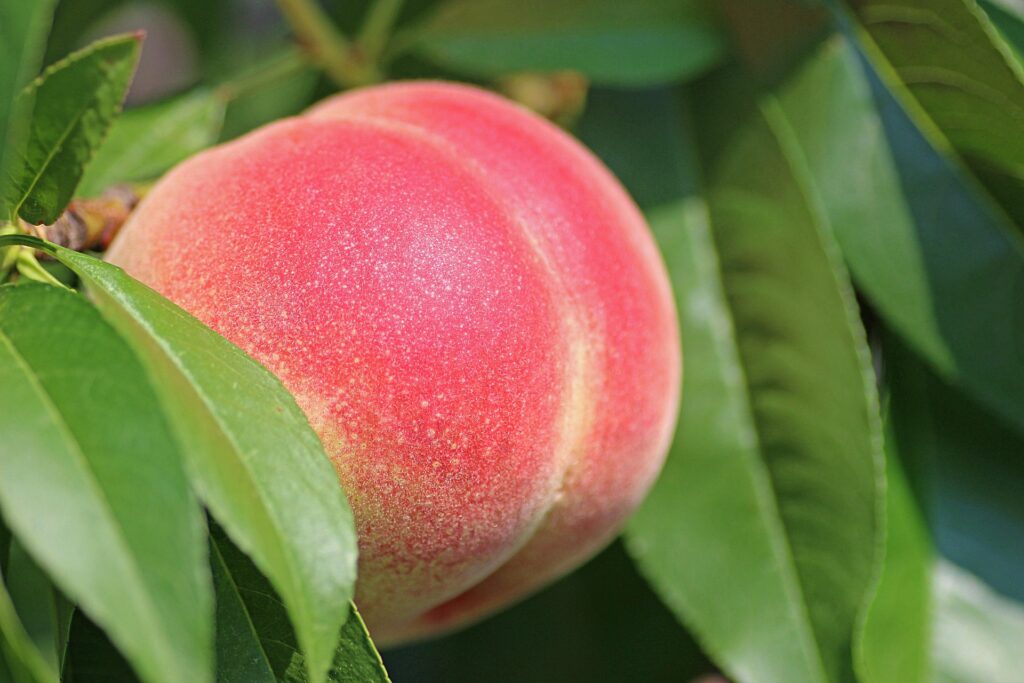
You really cant beat an Elberta peach, The Elberta peach is known for its exceptional balance of sweetness and acidity, making it one of the most flavorful and versatile peaches available. Its large, golden-yellow fruit with a vibrant red blush offers firm, juicy flesh that holds up beautifully whether eaten fresh, baked into pies, or preserved through canning. It is very reliable, good disease resistance, and heavy yields. Their classic peach flavor and excellent texture have made them a go-to favorite for generations of home gardeners and orchardists alike.
No responses yet