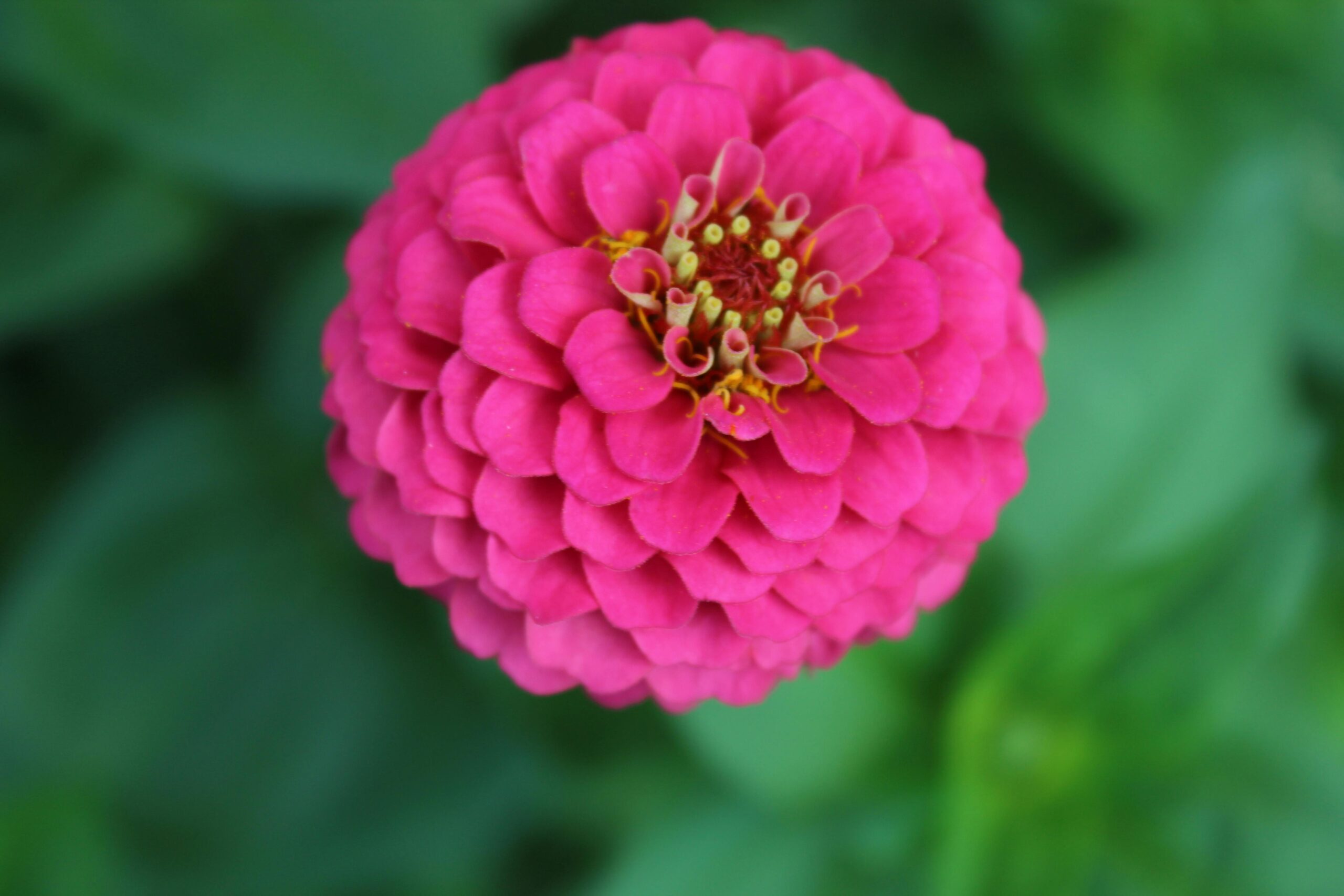
If you want a flower that practically grows itself, zinnias are hard to beat. They don’t ask for much—just some sunshine, a bit of water, and a spot in the ground or even a pot—and they’ll take off. They sprout quickly, grow fast, and don’t fuss over perfect soil or constant attention. That makes them a great choice whether you’re new to gardening or just want something reliable that won’t turn into a chore. You can scatter seeds and, before long, you’ve got sturdy plants that keep going through the heat when other flowers start to give up.
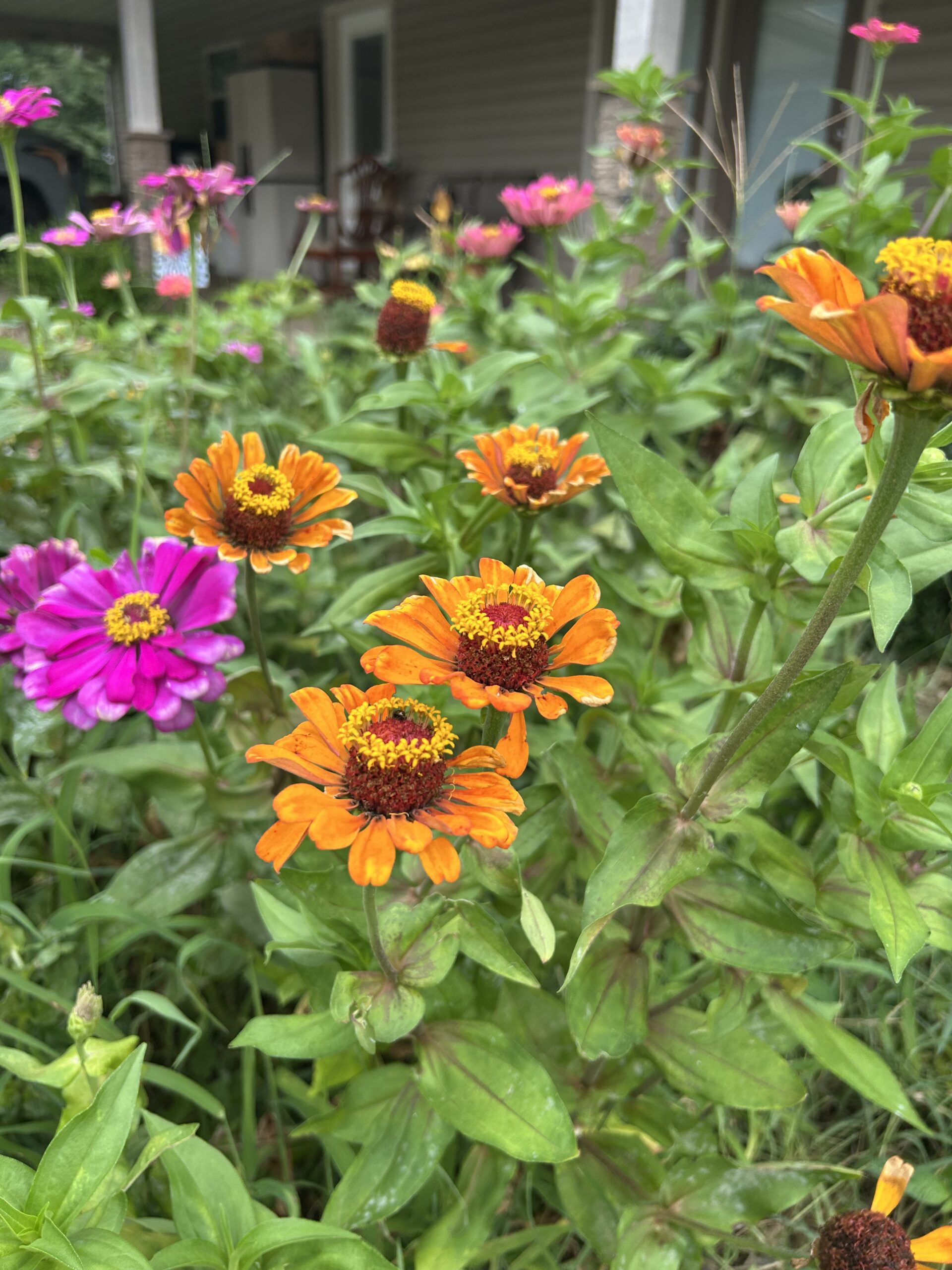
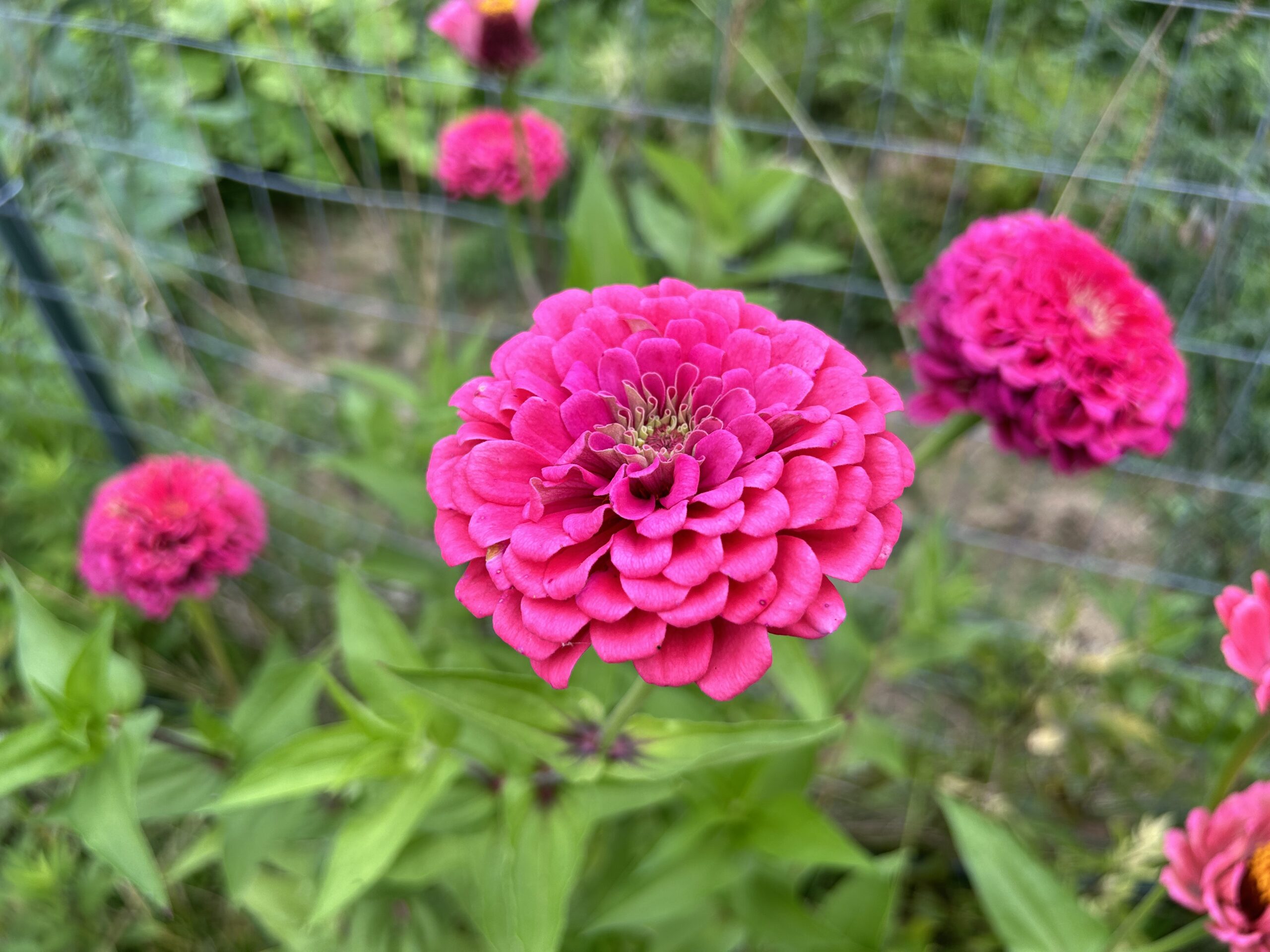
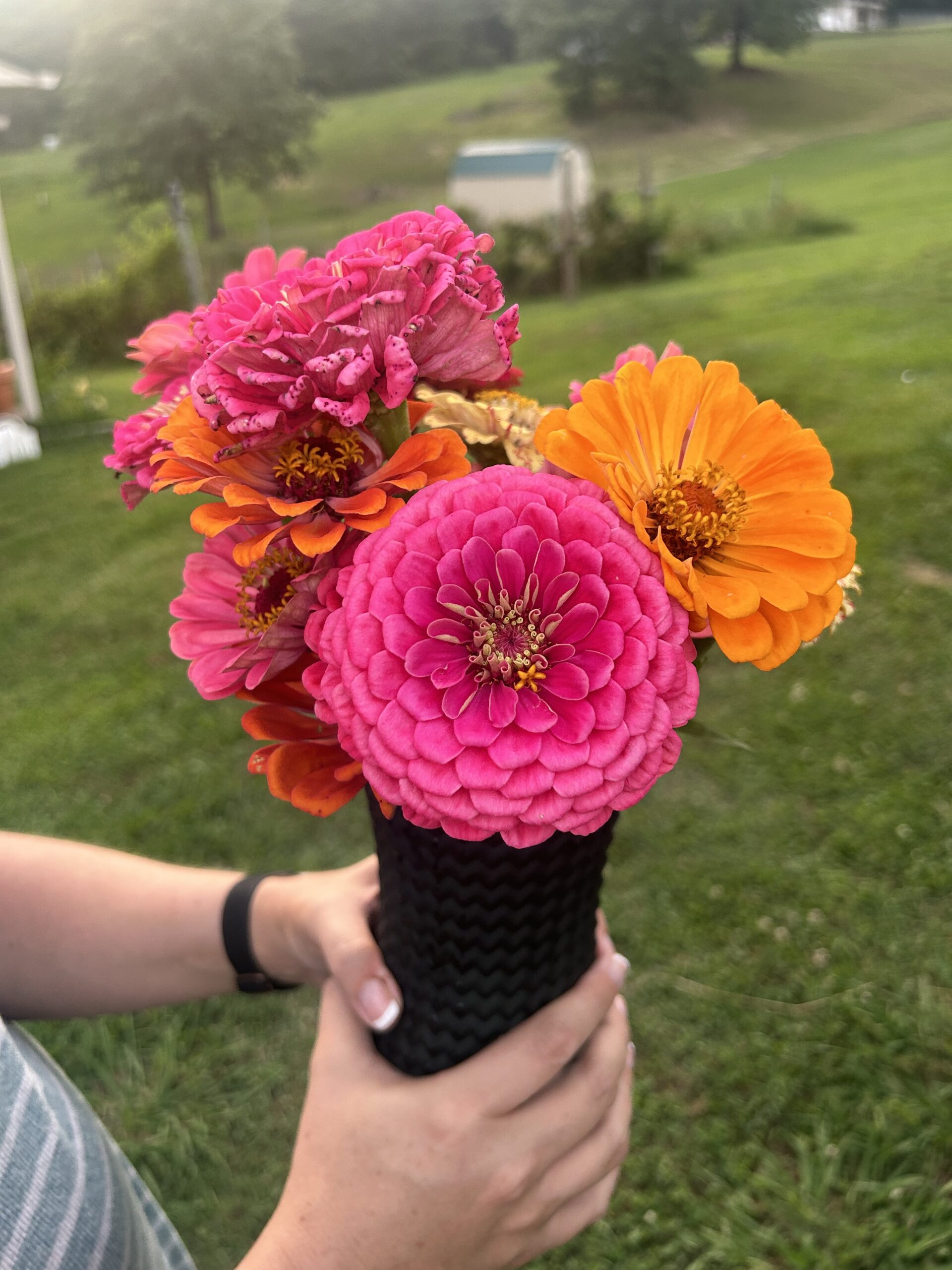
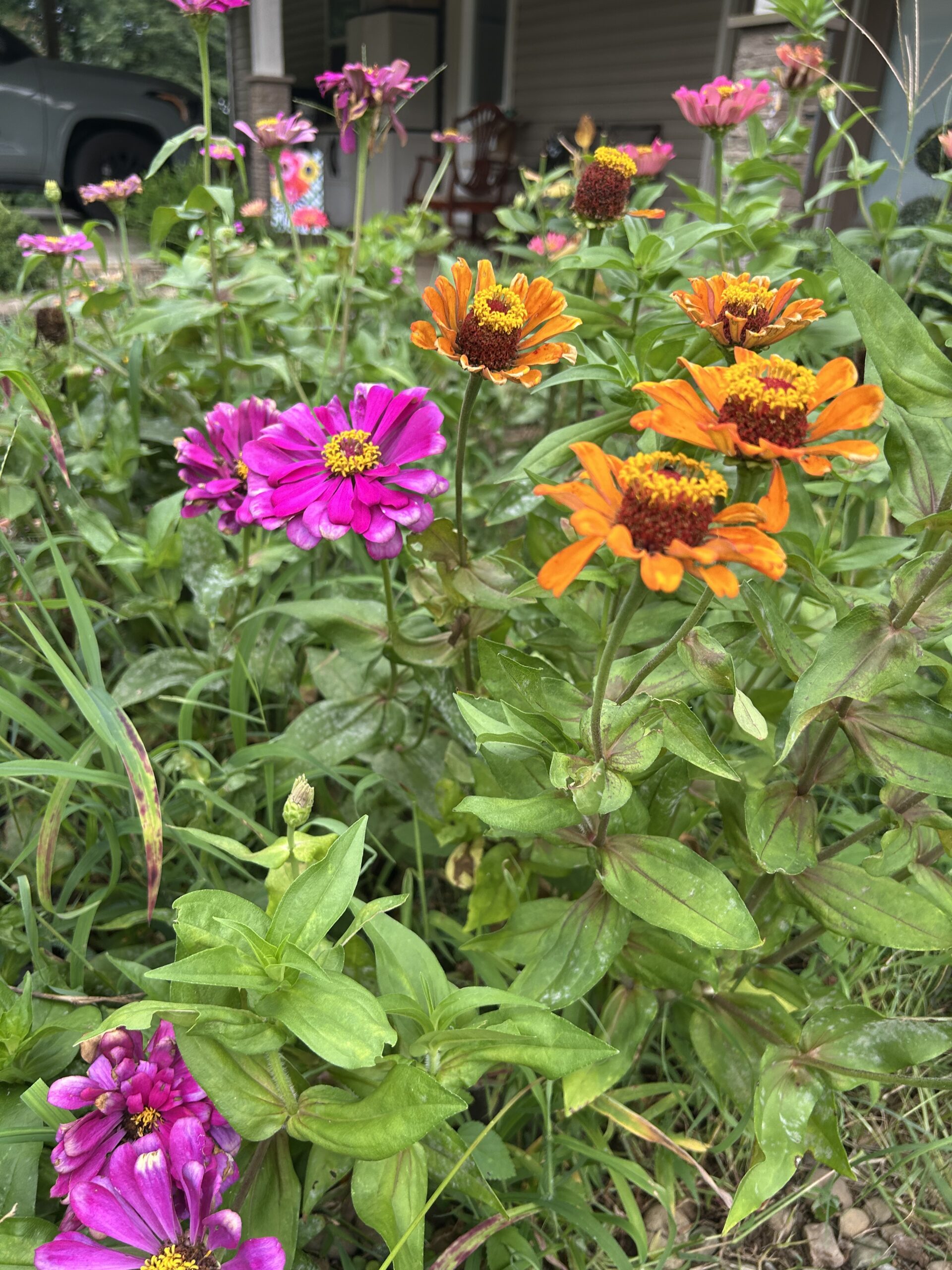
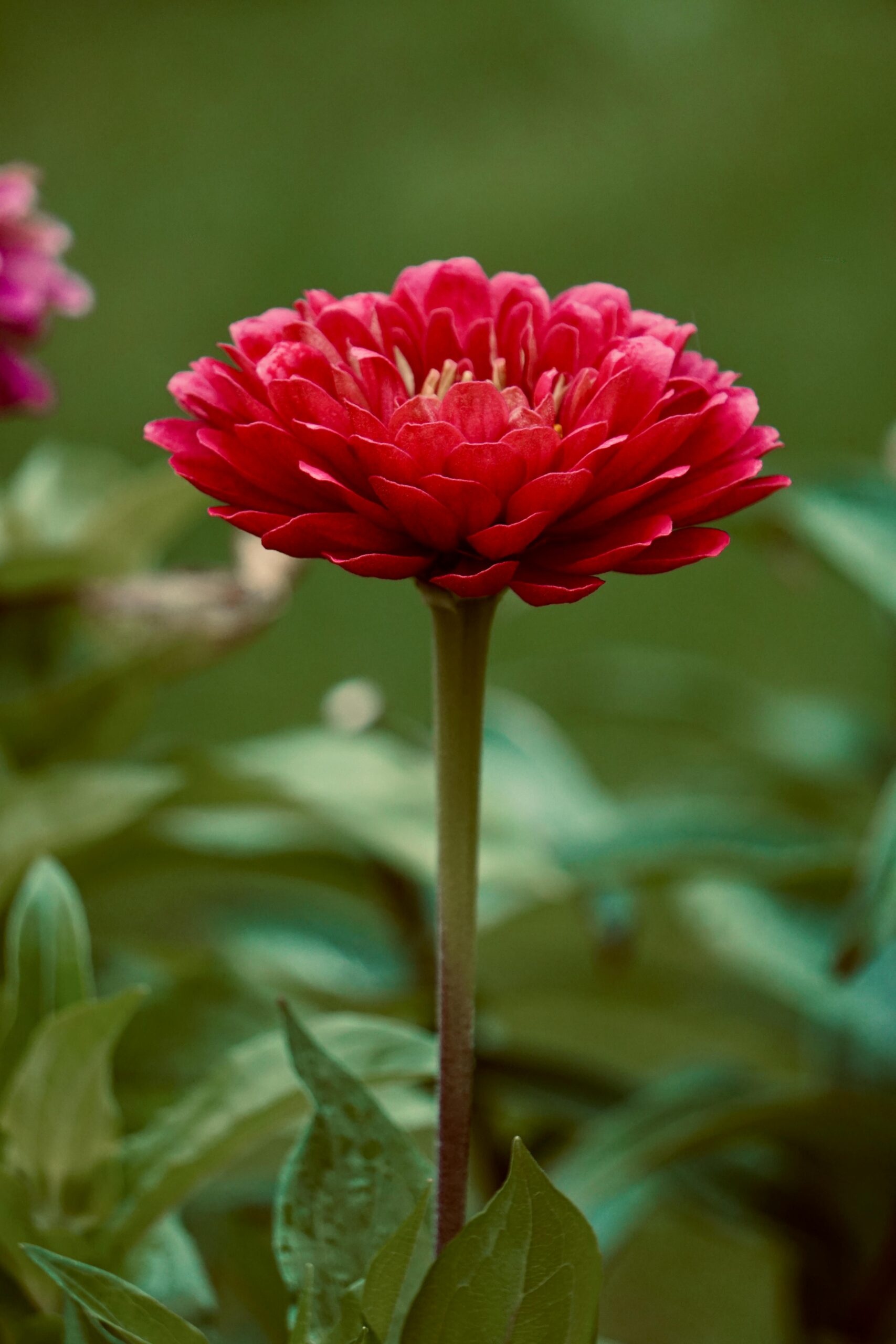
What you get in return is color—lots of it. Zinnias come in bright reds, oranges, pinks, yellows, even greens, and they bloom like they mean it. The more you cut them, the more they produce, which makes them perfect for bringing indoors. A handful of zinnias in a jar or vase can brighten up a whole room, and you don’t have to feel bad about snipping them because it actually helps the plant keep flowering. They’re simple, cheerful, and generous—exactly the kind of plant that makes growing flowers at home feel worth it.
Main types of Zinnias
Type of Zinnia
What They Look Like
Why You’d Grow Them
Common Zinnia (Zinnia elegans)
Big, full blooms in bright colors; classic daisy or layered look
Best for cutting flowers, long stems, super colorful
Narrowleaf Zinnia (Zinnia angustifolia)
Smaller, simpler flowers; more spread-out plants
Very tough, handles heat and drought well, great for low maintenance
Profusion Zinnias
Medium-sized blooms, neat compact plants
Disease-resistant, blooms nonstop, good for beds and containers
Zahara Zinnias
Similar to profusion but slightly larger blooms
Extra heat and disease tolerance, very reliable
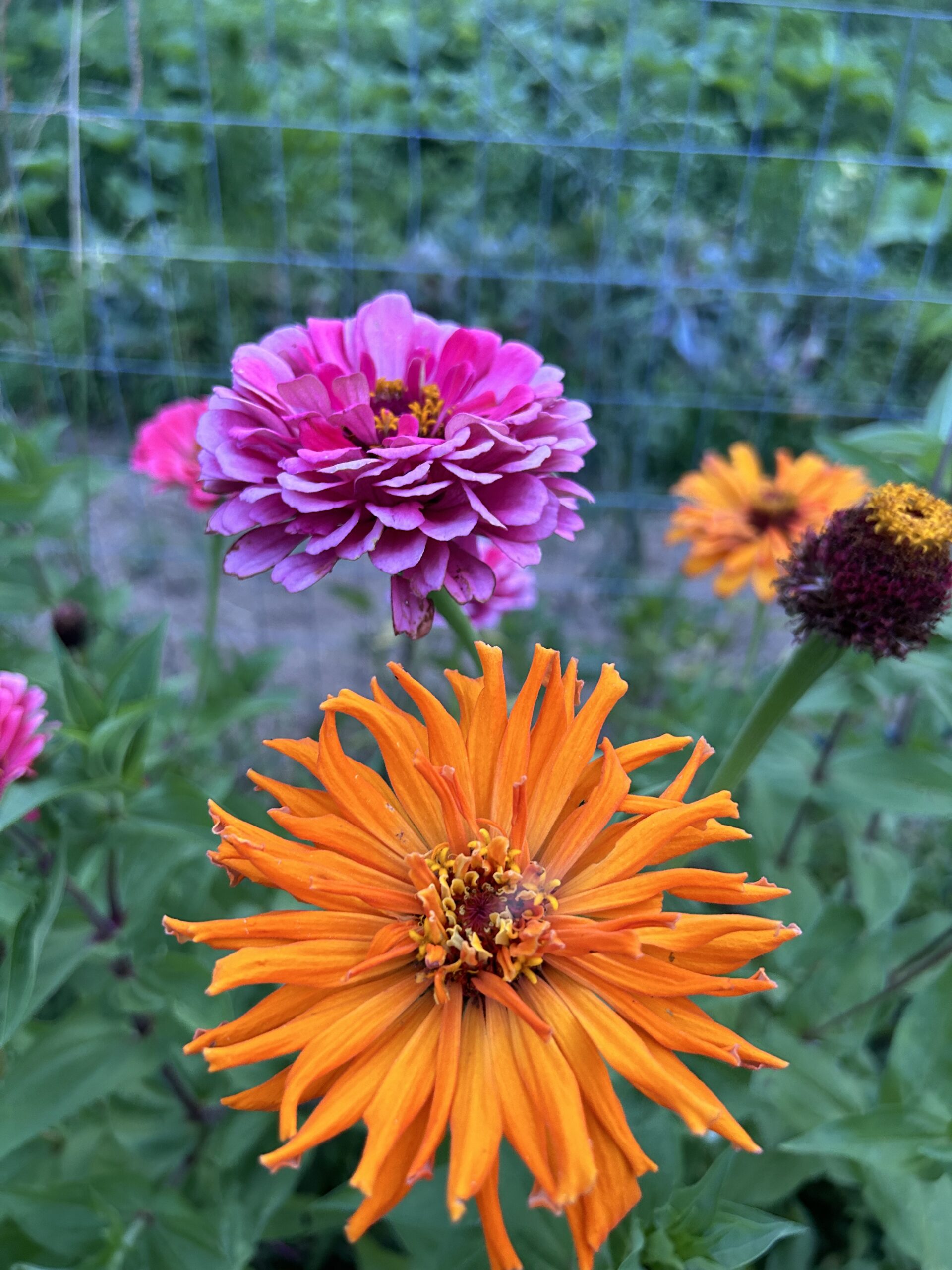
Cactus Zinnias
Petals are long and twisted, almost spiky look
Unique texture, adds variety to bouquets
Dwarf Zinnias
Short, bushy plants with lots of small blooms
Perfect for pots, borders, and small spaces
Most Popular Varieties
Variety Name
What They’re Like
Why They’re Popular
Benary’s Giant Series
Tall plants, huge double blooms (4–5 in)
Best choice for cutting flowers
Oklahoma Series
Medium height, smaller but abundant blooms
Extremely productive
Queen Lime Series
Unique green, blush, and antique tones
Unusual colors
Zinderella Series
Pincushion/scabiosa-style blooms
Amazing texture
Profusion Series
Compact plants, lots of small flowers
Easy with great disease-resistant
Zahara Series
Similar to profusion, very tough plants
Very heat tolerate
State Fair Mix
Tall, classic big blooms
The classic old zinnia
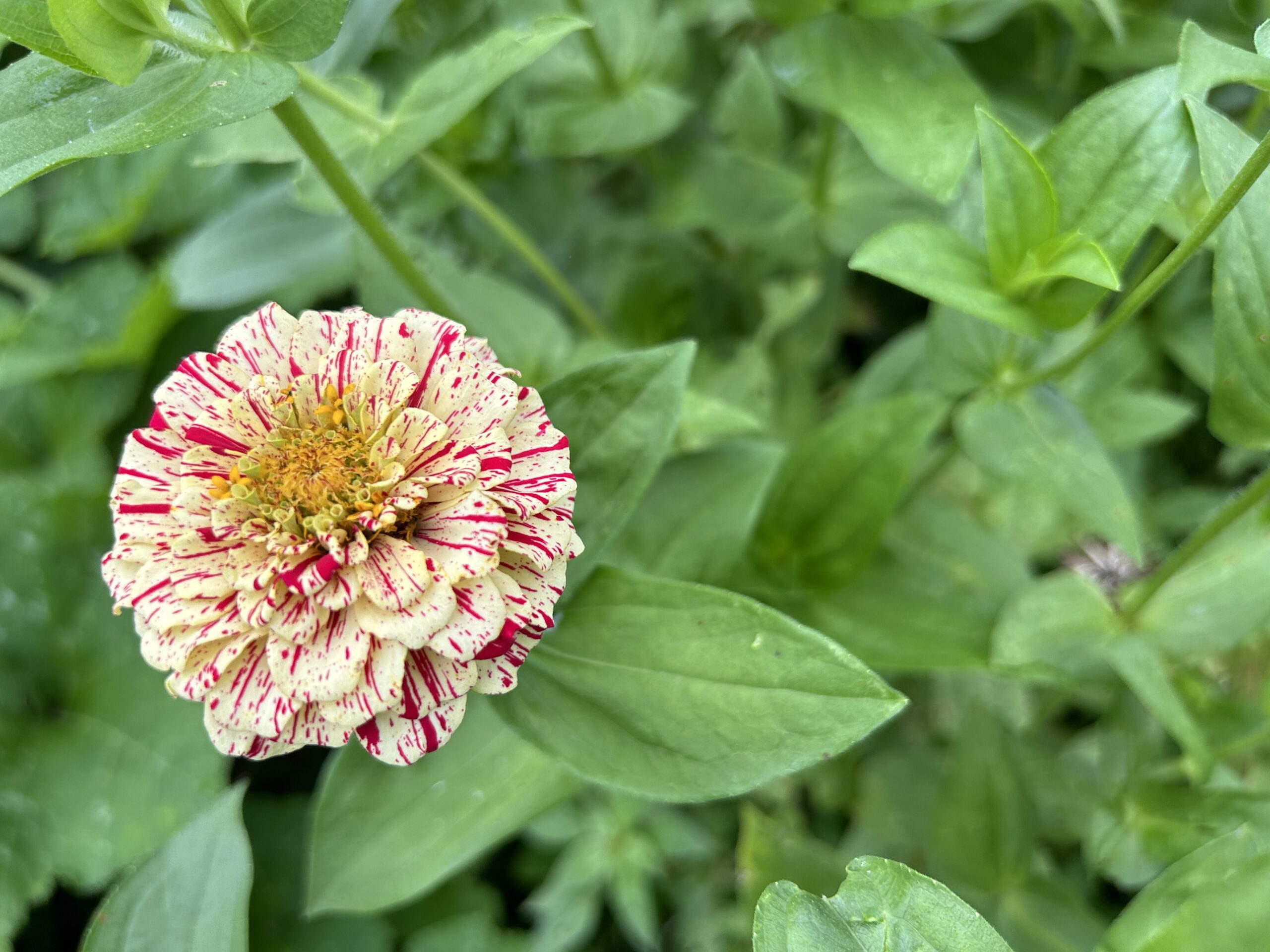
Peppermint Stick
Striped, speckled petals
Beautiful pedals
Purple Prince
Bright purple-magenta blooms
Bold color
Polar Bear
Clean white, full blooms
Beautiful white flowers
.
Best Varieties for cuttings
Variety Name
What They’re Like
Why They’re Great for Cutting Flowers
Benary’s Giant Series
Tall plants, huge double blooms (4–5 in)
Best all around type
Oklahoma Series
Medium height, smaller double blooms
Very productive with a long season
Queen Lime Series
Medium plants, soft green/blush antique tones
Unique colors for contrast
Zinderella Series
Pincushion (scabiosa-style) textured blooms
unusual texture
Ballerina Series
Tall plants, airy layered blooms
Long stems
Recommend mix of zinnias for cut flowers all summer
Variety Name
What It Does For You
How Much to Plant
Benary’s Giant Mix
Big, classic blooms on long stems
Main crop (about 50%)
Oklahoma Mix
Tons of smaller blooms, very productive
Second crop (about 30%)
Queen Lime Mix
Soft, unique colors for variety
Accent (about 20%)
Spacing issues
Zinnias need plenty of space
Type of Zinnia
Typical Size
Spacing Recommendation
Tall Zinnias (Benary’s Giant, State Fair)
3–4 ft tall, wide plants
9–12 inches apart
Medium Zinnias (Oklahoma, Queen Lime)
2–3 ft tall, متوسط spread
6–9 inches apart
Dwarf Zinnias (Profusion, Zahara)
1–1.5 ft tall, compact
6 inches apart
Cactus Types
2–3 ft tall, airy growth
9–12 inches apart
Zinderella Types
2–3 ft tall, branching plants
9 inches apart
Ideal Conditions
Growing Factor
Ideal Condition
Why It Matters
Sunlight
Full sun (6–8+ hours daily)
More sun = more blooms and stronger stems
Temperature
Warm (70–90°F)
Zinnias love heat and thrive in summer
Soil
Well-drained, average to fertile
Prevents root rot and supports growth
Water
Moderate, water at base
Keeps plants healthy without causing mildew
Spacing
6–12 inches depending on variety
Good airflow helps prevent disease
Air Circulation
Open, not crowded
Reduces risk of powdery mildew
Fertilizer
Light feeding (once or twice)
Too much fertilizer = more leaves, fewer flowers
Planting Time
After last frost
Zinnias can’t handle cold
Harvesting (Cutting)
Cut often with long stems
Encourages more blooms (“cut and come again”)
When to direct sow
USDA Zone
When to Direct Sow Outdoors
What That Means in Real Life
Zone 2
Mid–late June
Very short season—plant as soon as it’s warm
Zone 3
Late May–June
Wait until nights stay consistently warm
Zone 4
Late May–early June
After last frost, soil warming up
Zone 5
Mid–late May
Safe once frost risk is gone
Zone 6
Early–mid May
Good time once temps stay mild
Zone 7
Late April–early May
Can plant earlier, warms up faster
Zone 8
April
Warm soil comes early
Zone 9
March–early April
Plant early before extreme heat hits
Zone 10
February–March
Very early planting, long growing season
When to sow seeds indoor
USDA Zone
Indoor Sowing Time
What That Means in Practice
Zone 3
Late April
Start seeds 4–6 weeks before late May–June transplant
Zone 4
Mid–Late April
Start seeds for late May planting
Zone 5
Early–Mid April
Start seeds for mid–late May transplant
Zone 6
Late March–Early April
Start seeds for early–mid May planting
Zone 7
Mid–Late March
Start seeds for mid–late April transplant
Zone 8
Late February–Early March
Start seeds for early April planting
Zone 9
February
Start seeds for March transplant or earlier
Zone 10
January–February
Very early start; can also direct sow in many areas
Harvest times for cut flowers
Zinnia Type
Days to First Bloom
When to Start Cutting
Dwarf Varieties
50–60 days
As soon as flowers fully open
Medium Varieties
60–70 days
When stems are long and firm
Tall Cutting Varieties
70–90 days
When blooms are fully open & sturdy
Fast Bloom Mixes
50–65 days
Early cutting once blooms mature
Successive Plantings
Every 2–3 weeks
Continuous harvest all season
Common usages of Zinnias
Use of Zinnias
What It Looks Like in Practice
Why People Like It
Cut Flowers
Snipped stems in vases, jars, and bouquets
Long-lasting, bright, and keeps producing more blooms
Garden Color Display
Planted in beds, borders, or mass plantings
Creates bold, nonstop summer color
Pollinator Support
Flowers left in garden for bees and butterflies
Attracts beneficial insects all season
Flower Arrangements
Mixed with other flowers in bouquets and centerpieces
Adds structure, height, and bright color
Container Gardening
Grown in pots on patios or porches
Easy way to bring color to small spaces
Educational Gardening
Used in kids’ or beginner gardens
Fast growth makes it fun and rewarding
Seed Saving
Flowers left to dry and produce seeds
Easy way to replant next year
Fertilizing schedule
Growth Stage
What to Use
How Often / How Much
Why It Matters
Before Planting
Compost or balanced garden soil
Mix into soil once
Builds healthy, fertile base for growth
Seedling Stage
No fertilizer (or very light feed)
Wait until plants are 4–6 inches
Prevents weak, leggy growth
Early Growth
Balanced fertilizer (10-10-10)
Light dose every 3–4 weeks
Encourages strong stems and leaves
Bud Formation
Low-nitrogen fertilizer
Every 2–3 weeks
Pushes flower production instead of leaves
Peak Blooming
Light feeding or compost tea
Optional every 2–3 weeks
Keeps flowers coming all season
Late Season
Stop fertilizing
—
Helps plants finish strong naturally
Helpful tips:
I just use a standard 10-10-10 for most applications
Common Pest
Pest
What It Looks Like / Does
How It Affects Zinnias
Aphids
Tiny green/black insects on stems & buds
Suck sap, cause curled leaves and weak growth
Japanese Beetles
Metallic green beetles eating petals/leaves
Leave “skeletonized” leaves and damaged blooms
Spider Mites
Tiny dots + fine webbing under leaves
Cause yellowing, stippled leaves, plant stress
Whiteflies
Small white flying insects when plant is shaken
Weakens plant, sticky residue on leaves
Thrips
Very tiny, hard-to-see insects in flowers
Scars petals, causes distorted blooms
Caterpillars
Chewed leaves, visible larvae sometimes
Eat foliage and can damage buds
Leafhoppers
Small jumping insects
Spread plant stress, cause leaf spotting
Common diseases
Disease
What It Looks Like / Symptoms
What It Does to Zinnias
Powdery Mildew
White, dusty coating on leaves and stems
Weakens plant, reduces flowering
Alternaria Leaf Spot
Dark brown/black circular spots on leaves
Causes leaves to yellow and drop early
Bacterial Leaf Spot
Water-soaked dark spots with yellow halos
Spreads quickly in wet, humid conditions
Botrytis (Gray Mold)
Gray fuzzy mold on flowers or stems
Rotting blooms, especially in damp weather
Root Rot
Yellowing leaves, wilting despite wet soil
Roots decay from overwatering or poor drainage
Damping Off
Seedlings collapse at soil line
Kills young plants before they establish
Viral Diseases
Mottled, distorted, or stunted growth
No cure—plants stay weak and unproductive
What makes zinnias especially worth growing is how generous they are. The more you cut them, the more they bloom, turning a small planting into a steady supply of fresh flowers. They’re forgiving, fast-growing, and dependable, which makes them great for beginners but still satisfying for experienced gardeners. At the end of the day, zinnias are a reminder that you don’t need complicated plants to have a beautiful garden—sometimes the simplest flowers bring the most joy.
Comments are closed