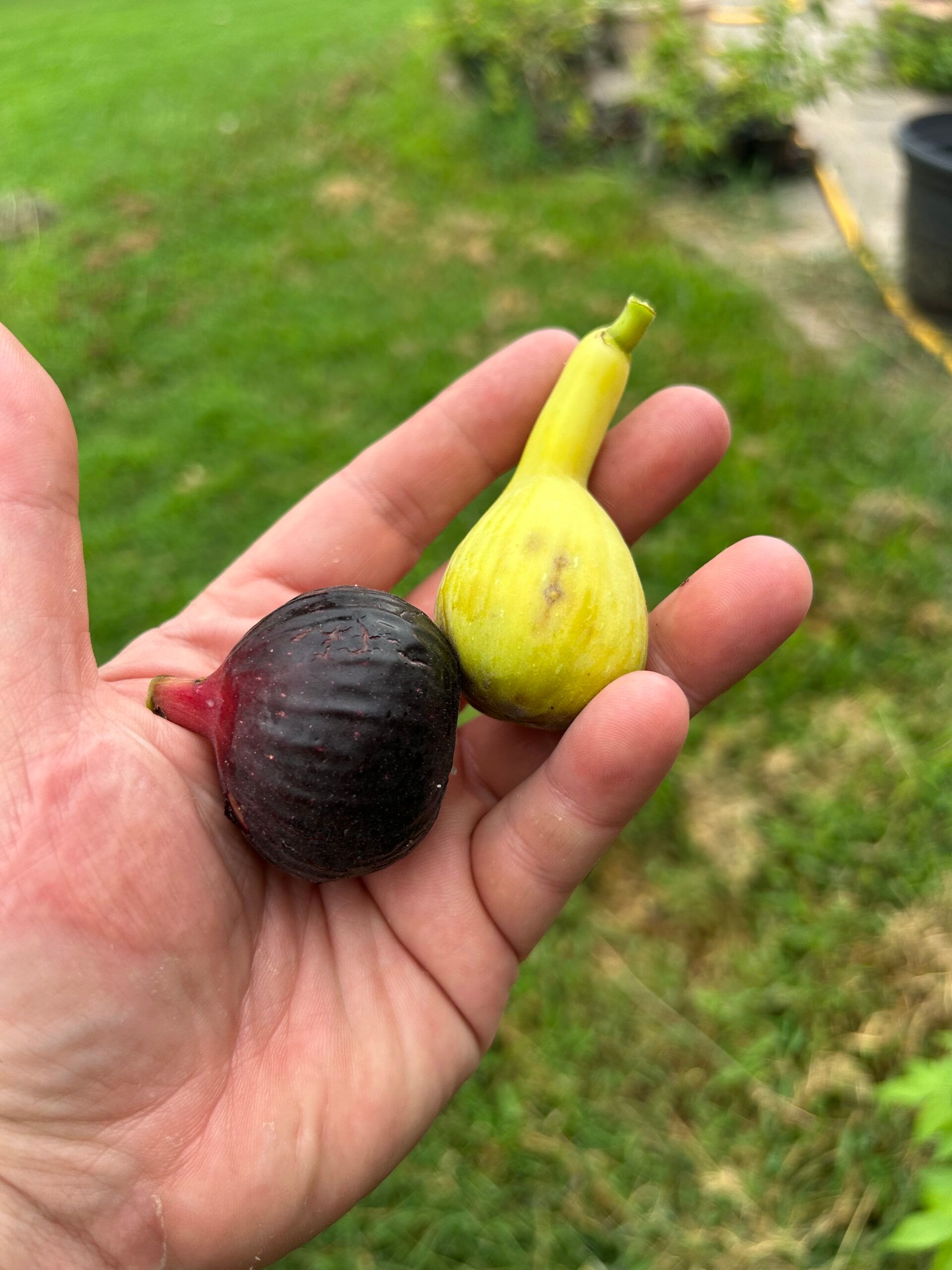
If you live in USDA Zones 6 or 7, growing figs might seem like a stretch. Figs are often associated with warm Mediterranean climates, long summers, and mild winters—not the kind of place where temperatures regularly dip below freezing. But the truth is, with the right varieties and a bit of planning, you can grow productive fig trees even in colder regions.
Why Cold-Hardy Figs Matter
Standard fig trees struggle when winter temperatures drop below 10°F. In zones 6 and parts of 7, that kind of cold isn’t unusual. Without protection, many fig trees die back to the ground each winter.
Cold-hardy figs are different. They can survive colder temperatures, and even if they do die back, they bounce back quickly and still produce fruit in the same season.
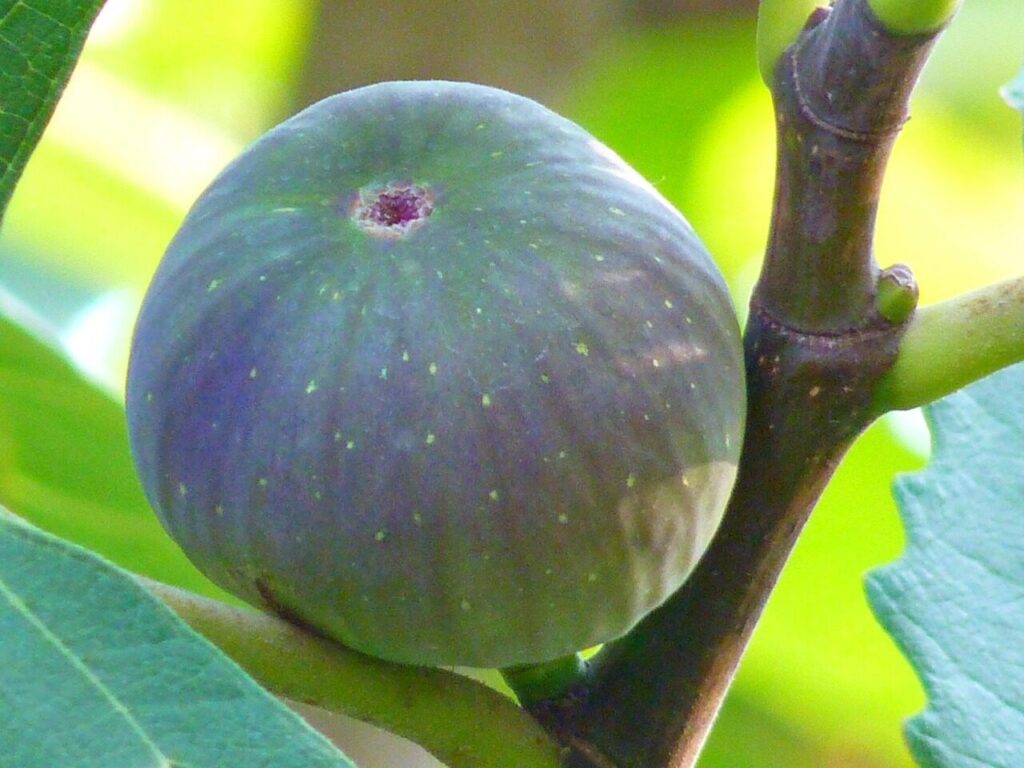
Best Cold-Hardy Fig Varieties
| Variety | Cold Hardiness | Key Strength |
|---|---|---|
| Chicago Hardy | Down to ~-10°F | Most reliable, fruits on new growth |
| Brown Turkey | To ~-5°F | Easy to grow, widely available |
| Celeste | To ~-5°F | Very sweet, small “sugar figs” |
| LSU Purple | To ~-5°F | Disease resistant, heavy producer |
| Violette de Bordeaux | Around 0°F | Rich, gourmet flavor |
| Olympian | To ~-5°F | Early ripening, large fruit |
| Desert King | To ~-5°F | Produces early (breba) crop |
| Petite Negra | Around 0°F | Compact, great for containers |
| Smith | To ~-5°F | Long harvest window |
| Blanche (Italian Honey) | To ~-5°F | Sweet, good for short seasons |
My personal 3 favorite
Violette de Bordeaux
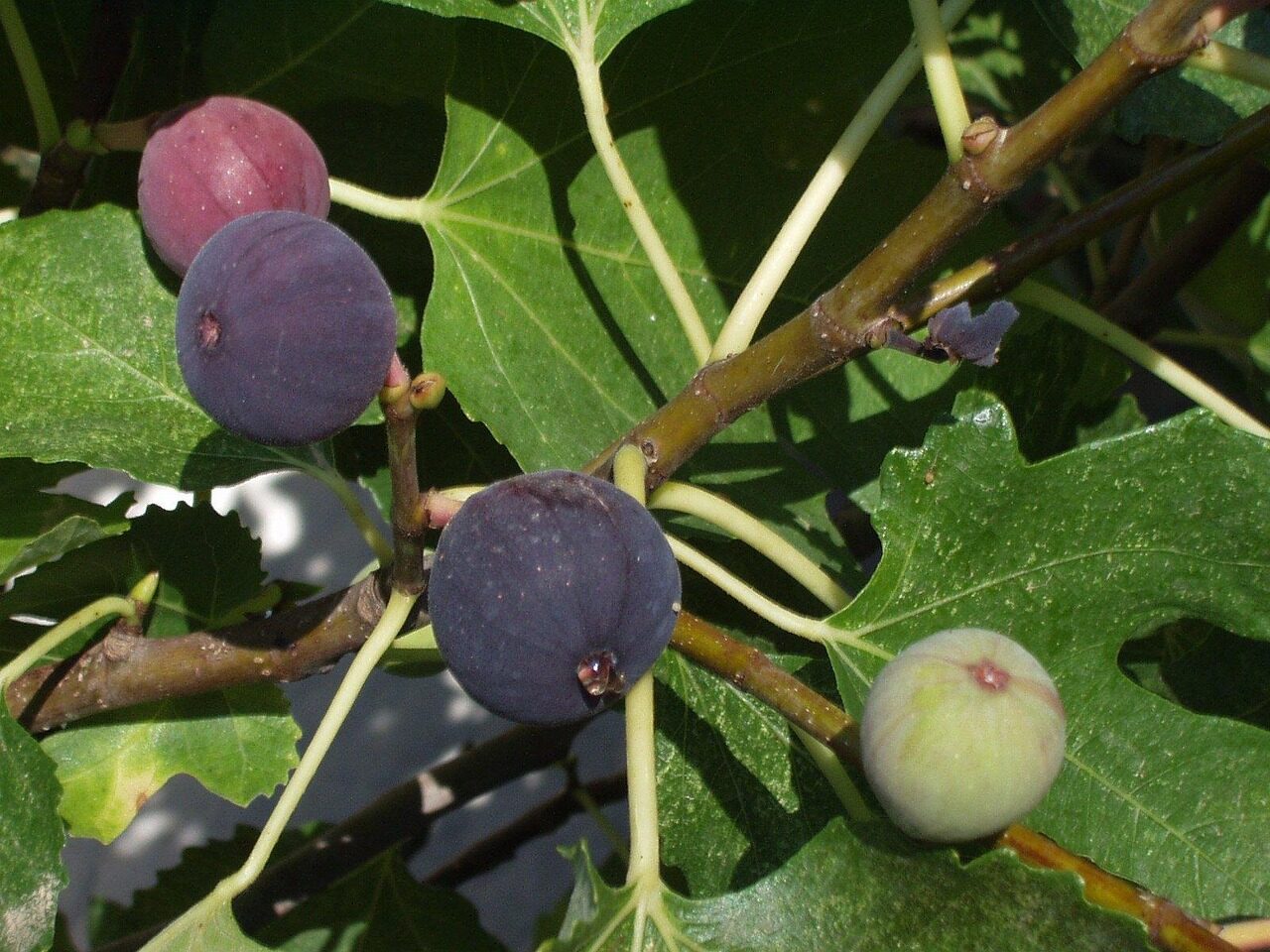
| Feature | Why It Matters | Benefit at Home |
|---|---|---|
| Compact size | Naturally smaller tree | Perfect for small yards & containers |
| Cold tolerance | Handles down to ~0°F (with protection) | Works in Zones 6–7 |
| Exceptional flavor | Rich, sweet, almost berry-like | One of the best-tasting figs you can grow |
| Dark purple skin | Thick skin protects fruit | Less splitting and spoilage |
| Productive | Reliable fruit set | Good yields even for beginners |
| Late ripening | Fruits late summer to fall | Extends your harvest season |
| Attractive tree | Deep green leaves, dark fruit | Adds ornamental value |
| Adaptable | Grows in-ground or in pots | Flexible for different setups |
| Self-pollinating | No second tree needed | Easy, low-maintenance growing |
| Handles pruning well | Responds to shaping | Easy to manage size and shape |
Olympian
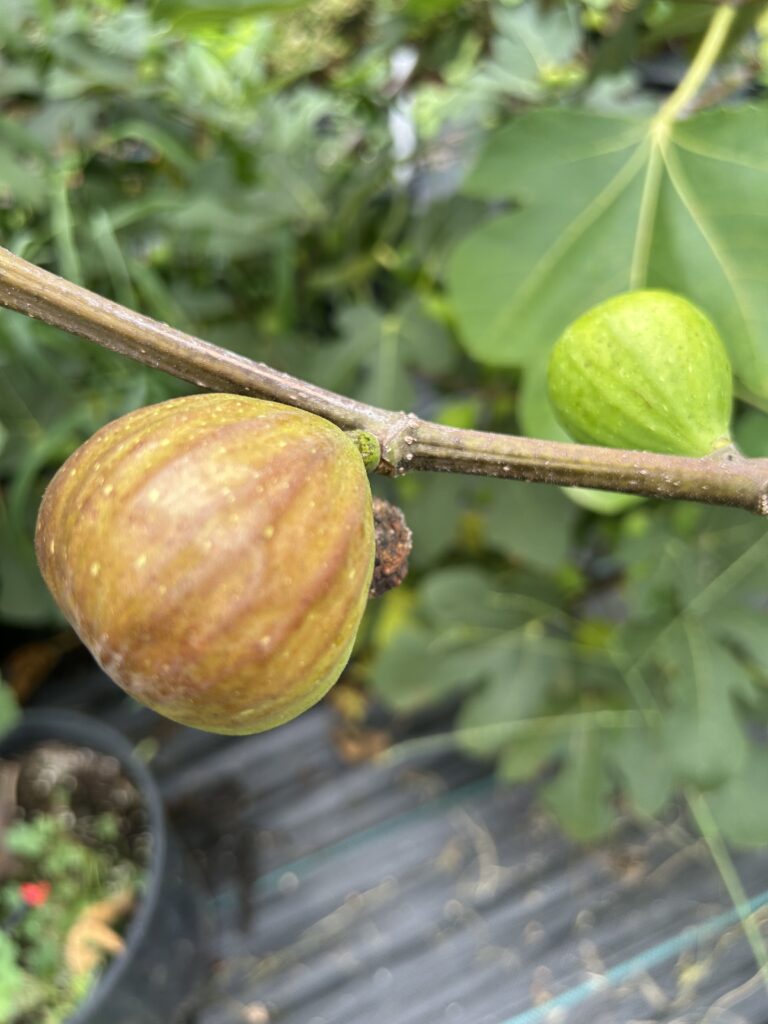
| Feature | Why It Matters | Benefit at Home |
|---|---|---|
| Good cold hardiness | Tolerates around -5°F (with protection) | Reliable option for Zone 6–7 growers |
| Early ripening | Fruits earlier than many figs | Better chance of full harvest before frost |
| Large fruit size | Produces big figs | More usable fruit per harvest |
| Sweet, mild flavor | Not overly complex | Great for fresh eating and beginners |
| Vigorous growth | Grows quickly | Establishes faster than many varieties |
| Heavy producer | Consistent yields | Plenty of figs once mature |
| Adapts well | Works in ground or containers | Flexible for different spaces |
| Handles dieback | Fruits on new growth | Still produces after cold winters |
| Thick skin | Holds up better in weather | Less splitting in rain/humidity |
| Easy care | Not overly finicky | Low-maintenance for home growers |
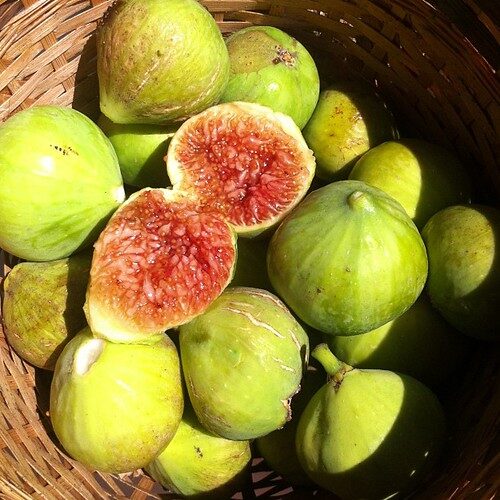
Smith
| Feature | Why It Matters | Benefit at Home |
|---|---|---|
| Excellent flavor | Rich, sweet, berry-like taste | High-quality figs for fresh eating |
| Rain resistance | Handles humidity and moisture well | Less fruit splitting/spoilage |
| Moderate cold hardiness | Tolerates around -5°F (with protection) | Suitable for Zones 6–7 with care |
| Productive | Steady, reliable yields | Consistent harvests each year |
| Mid-to-late season | Ripens over a longer window | Extended picking season |
| Vigorous but manageable | Strong growth without being huge | Easier to maintain size |
| Fruits on new wood | Recovers after winter dieback | Still produces in colder climates |
| Good for humid climates | Performs well in the Southeast | Ideal if summers are wet |
| Thin skin, rich pulp | High flesh-to-skin ratio | Better texture and eating quality |
| Adaptable | Works in-ground or containers | Flexible for different setups |
Planting Location Makes a Huge Difference
In colder zones, where you plant matters as much as what you plant.
A microclimate is just a small area in your yard where the weather conditions are different from the general climate around it. When you’re growing figs in colder places like Zone 6 or 7, these little pockets of warmth or protection can make a big difference sometimes enough to keep a tree alive through winter or help it ripen fruit.
Your region might be Zone 6 overall, but parts of your yard can behave more like Zone 7 or even warmer if conditions are right.
Common Fig-Friendly Microclimates
1. South-facing wall (best option)
A brick or stone wall absorbs heat during the day and releases it at night.
- Keeps the tree warmer in winter
- Helps figs ripen faster
2. Near a building or house
Planting close to your home:
- Blocks cold wind
- Radiates a bit of stored heat
3. Protected corners or fenced areas
Fences, hedges, or structures:
- Reduce wind exposure
- Prevent sudden temperature swings
4. Slopes vs low spots
- Higher ground = warmer (cold air drains away)
- Low spots = frost pockets (bad for figs)
5. Urban or paved areas
Concrete, asphalt, and patios:
- Hold heat
- Create slightly warmer conditions than open yard space
Why Microclimates Matter for Figs
Figs are sensitive to:
- Deep freezes
- Late spring frosts
- Short growing seasons
A good microclimate can:
- Help your tree survive winter with less dieback
- Give you earlier and better fruit
- Reduce how much winter protection you need
In-Ground vs Containers
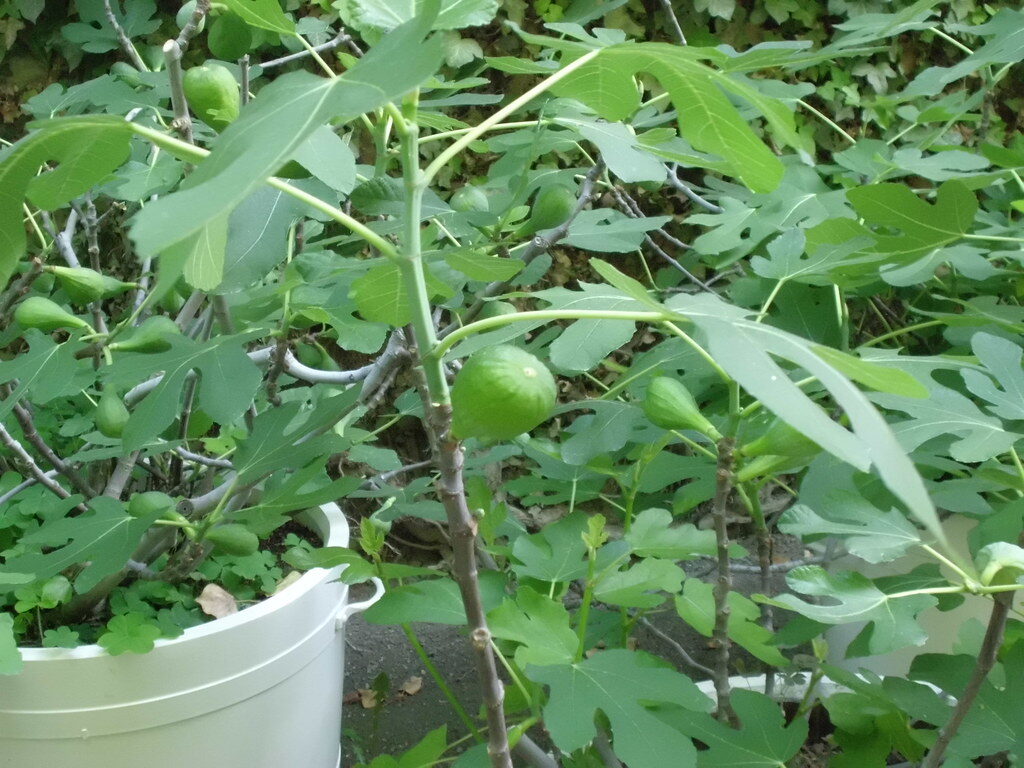
You’ve got two main options:
In-Ground Planting
- Best for long-term growth
- Requires winter protection
- More resilient once established
Container Growing
- Great for Zone 6 growers
- Move the tree into a garage or basement in winter
- Easier to control temperature, but requires more watering and feeding
Fig Yield by Container Size
| Container Size | Approx. Tree Size | Expected Yield per Season |
|---|---|---|
| 3–5 gallon | Very small / starter | 5–15 figs |
| 7–10 gallon | Small | 10–30 figs |
| 10–15 gallon | Medium | 20–50 figs |
| 15–20 gallon | Medium–large | 40–80 figs |
| 20–25 gallon | Large | 50–100+ figs |
| 25–30+ gallon | Very large | 75–150+ figs |
If you’re unsure, start with a container tree. It’s more forgiving. I currently have about 60 figs in pots ranging from 1 gallon to 25 gallon
Winter Protection (This Is the Key Step)
For Zone 6 and colder parts of Zone 7, winter protection is what separates success from failure.
Simple method:
- After the first frost, prune lightly.
- Tie branches together.
- Wrap the tree in burlap or old blankets.
- Surround with leaves or straw for insulation.
- Cover with a tarp to keep moisture out.
Alternative (for smaller trees):
- Bend the tree down and bury it under soil or mulch.
Container trees just need to be moved somewhere cool but above freezing (around 30–45°F).
What to Expect from Growth and Harvest
Don’t expect figs right away. Most trees take:
- 1–2 years to establish
- 2–3 years for solid fruit production
In colder climates, figs usually produce:
- One main crop in late summer or early fall
If winter kills the top growth, don’t panic—figs fruit on new wood, so they’ll still produce.
Watering and Feeding
Keep it simple:
- Water regularly during the growing season (especially in containers)
- Avoid soggy soil—figs hate “wet feet”
- Use a balanced fertilizer in spring and early summer
Too much fertilizer = lots of leaves, fewer figs.
I only use one fertilizer on my figs and they do very well every year, I cant say enough good things about osmocote.
Osmocote Fertilizer – Quick Guide for Fig Trees
| Feature | What It Does | Why It’s Good for Figs |
|---|---|---|
| Slow-release formula | Feeds over 3–6 months | Steady growth without constant feeding |
| Balanced nutrients (NPK) | Provides nitrogen, phosphorus, potassium | Supports leaves, roots, and fruit |
| Temperature-controlled release | Releases more when it’s warm | Matches fig growing season naturally |
| Easy to use | Just mix into soil or top-dress | Great for beginners |
| Less risk of overfeeding | Coated granules prevent dumping nutrients | Safer in containers |
How to Use It for Container Figs
- Apply in early spring when growth starts
- Sprinkle on top of soil or lightly mix in
- Water after applying
- Reapply every 3–4 months (depending on the version)
How Much to Use (General Rule)
- Small pots (5–10 gal): ~1–2 tablespoons
- Medium pots (10–20 gal): ~2–4 tablespoons
- Large pots (20–30 gal): ~4–6 tablespoons
(Always check the label too—different formulas vary slightly.)
Common Mistakes to Avoid
- Skipping winter protection (biggest mistake)
- Planting in shade
- Overwatering, very common especially if it is raining alot also.
- Expecting instant results
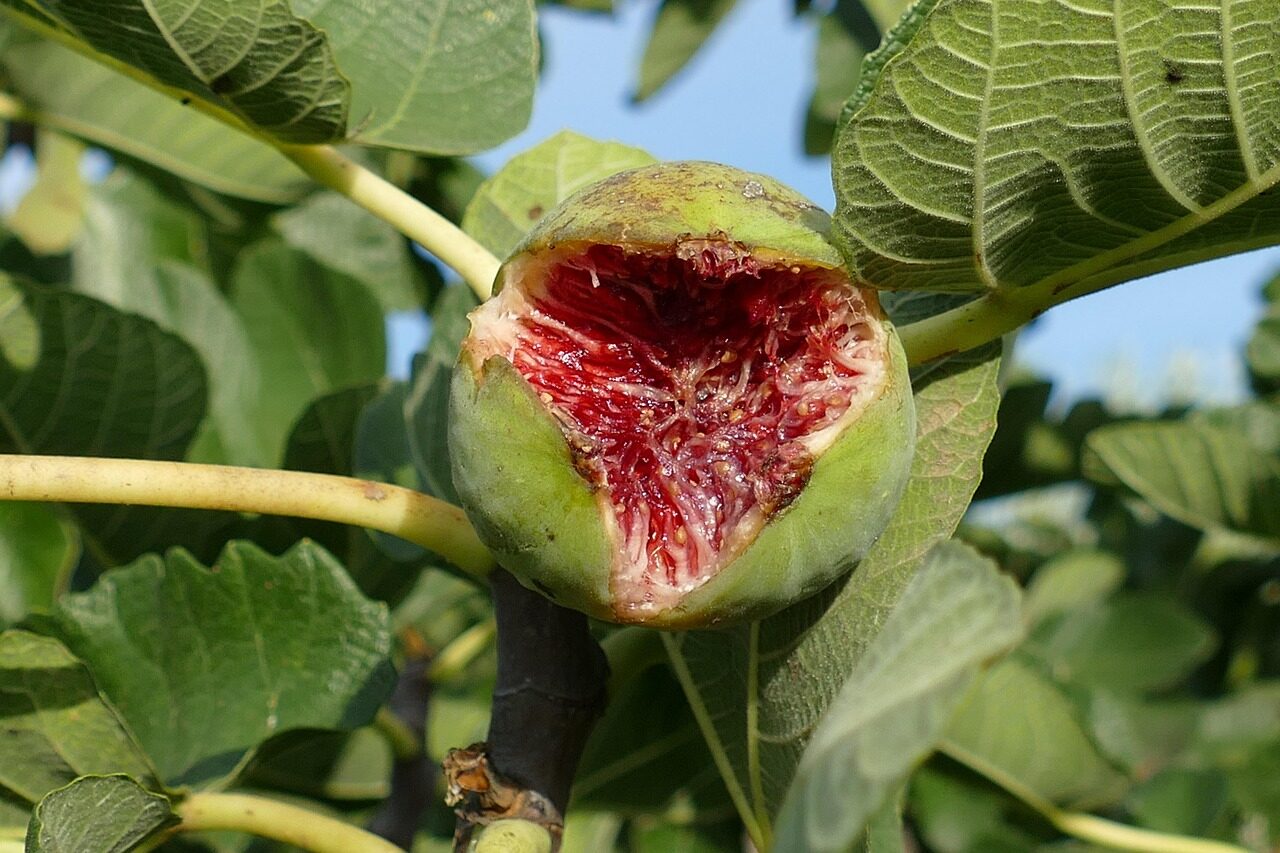
Figs can be tough, but there is few things better than a ripen fig
Final Thoughts
Growing figs in Zones 6 and 7 isn’t about fighting the climate—it’s about working with it. Choose the right variety, protect it in winter, and give it a warm, sunny spot.
Comments are closed