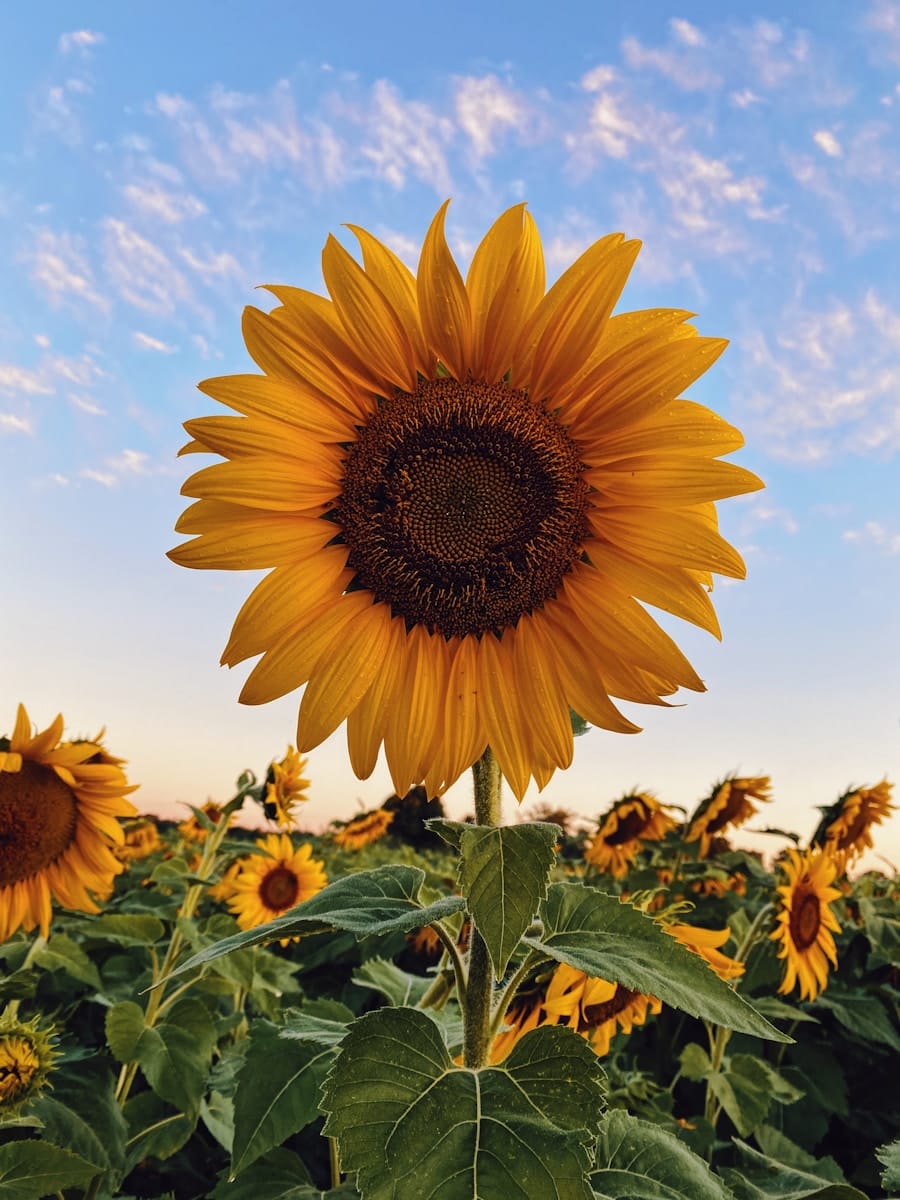
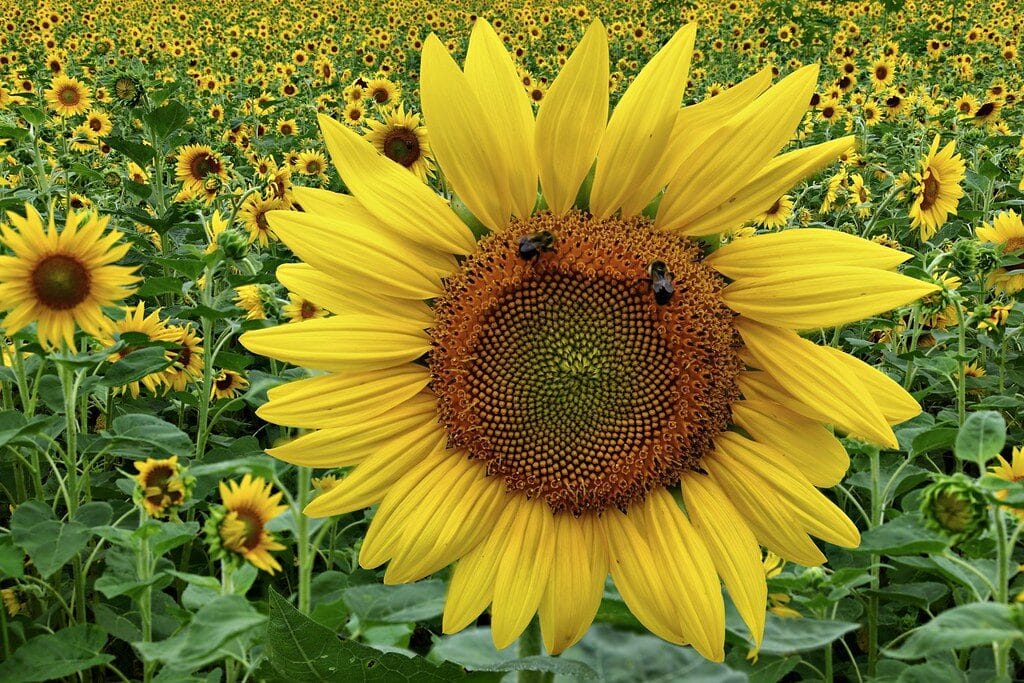
Sun flowers are about the easiest flowers you can grow, all you really need is a sunny spot, a handful of seeds, and a little patience. You plant them right in the soil, give them some water now and then, and before long, they start reaching up toward the sky almost on their own. They’re tough plants that don’t need much fuss, which makes them perfect for beginners or anyone who just wants to enjoy watching something grow without a lot of work. Plus, seeing those big, bright blooms open up at the end makes it feel completely worth it.
Interesting past of sunflowers
Sunflowers have a long and interesting history that goes back thousands of years. They were first grown by Native American tribes in North America, who used them for food, oil, medicine, and even dye. When European explorers arrived in the Americas in the 1500s, they brought sunflower seeds back to Europe, where the plant quickly spread.
Sunflowers became especially popular in Russia, where they were widely grown for their oil. Over time, farmers developed different varieties for larger seeds and better oil production. Eventually, sunflowers made their way back to North America in improved forms and became an important crop as well as a favorite garden plant. Today, they’re grown all over the world, both for their practical uses and their bright, cheerful appearance.
A lot of people dont know this, but sunflowers actually move to follow the sun, but only when they are young.
This movement is called heliotropism, which means the plant turns to follow the sun across the sky. Young sunflower buds face east in the morning and slowly turn west throughout the day. At night, they reset by turning back to the east, ready for the next sunrise. This helps them get more sunlight, which supports faster growth.
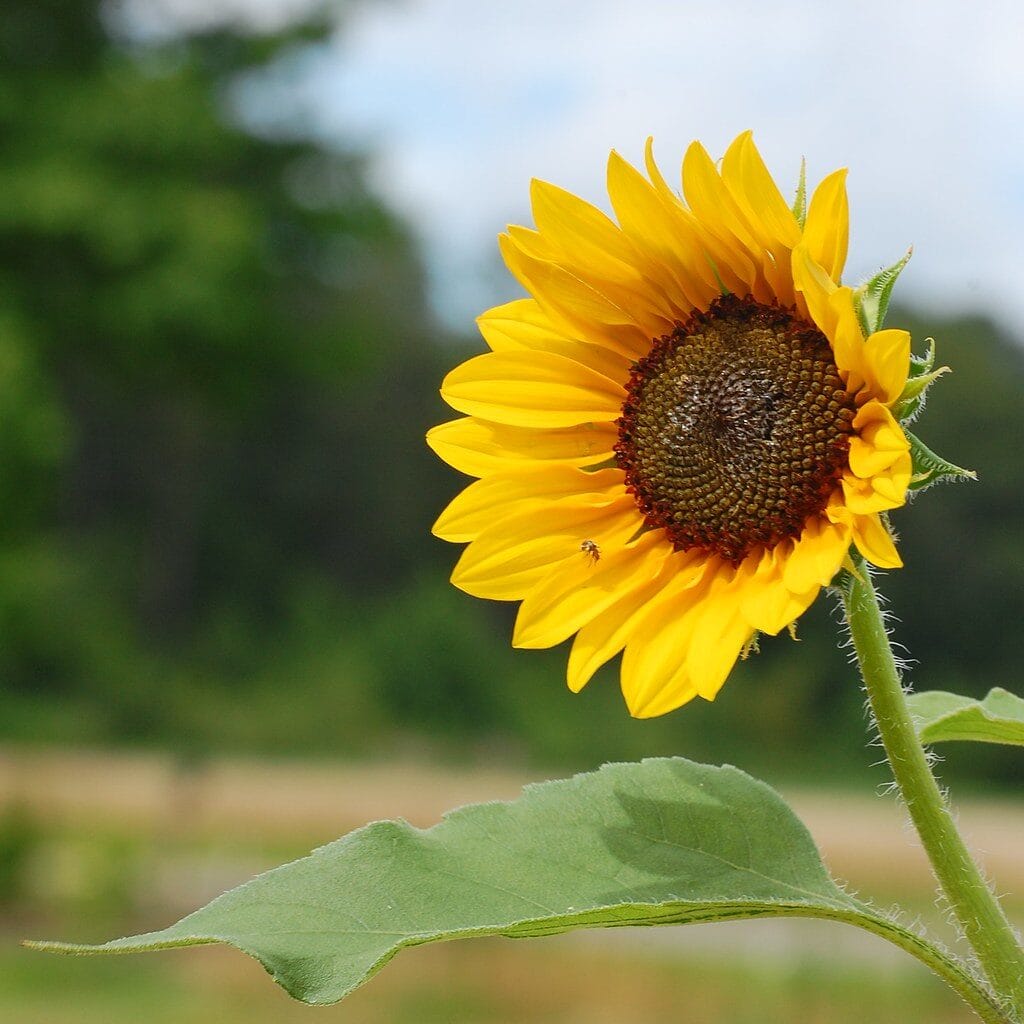
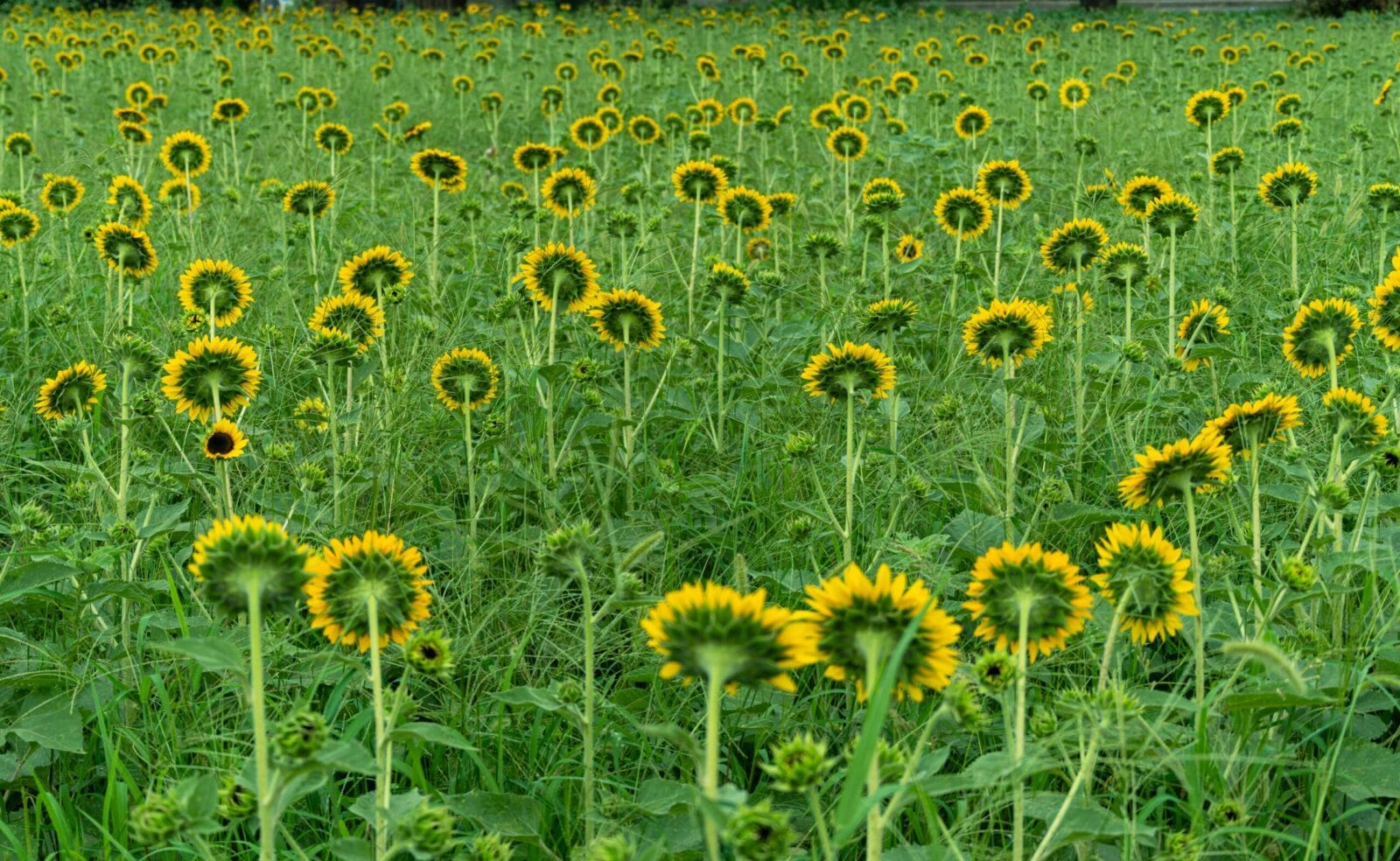
Once the sunflower matures and the flower fully opens, it usually stops moving. Most mature sunflowers stay facing east, which helps attract pollinators by warming up earlier in the day.
So, while it’s true that sunflowers “follow the sun,” it mainly happens during their growing stage—not when they’re fully grown.
Main types of Sunflowers
Category
Description
Best For
Tall Sunflowers
Grow very high (6–12+ ft) with one large bloom
Backyard gardens, visual impact
Dwarf Sunflowers
Stay small (1–3 ft), compact growth
Pots, small spaces, indoor/outdoor
Branching Sunflowers
Multiple stems with many smaller flowers
Bouquets, fuller garden look
Pollen-Free Sunflowers
Produce little to no pollen
Indoor arrangements, less mess
Oilseed Sunflowers
Smaller seeds, high oil content
Making sunflower oil
Confection Sunflowers
Large seeds, edible
Snacking, roasting seeds
Most Popular Varieties
Sunflower Variety
Description
Best For
Mammoth / Russian Mammoth
Very tall (10–12+ ft) with huge yellow blooms and large edible seeds
Big gardens, harvesting seeds
Autumn Beauty
Medium height with red, orange, and yellow mixed blooms
Colorful, decorative gardens
Teddy Bear
Short (1–3 ft), fluffy double-petal flowers
Pots, small spaces, borders
Lemon Queen
Pale yellow flowers, attracts bees and pollinators
Pollinator-friendly gardens
Velvet Queen
Deep red blooms with a bold look
Unique, eye-catching flower beds
Sunspot (Dwarf)
Compact plant with a single large bloom
Containers, beginner gardeners
.
Best Color Varieties
Color
Description
Good For
Yellow
Classic bright yellow petals with dark centers
Traditional gardens, cheerful look
Orange
Warm orange tones, sometimes blended with yellow
Adding warmth and variety
Red
Deep red or burgundy petals
Bold, dramatic flower beds
Bi-Color
Mix of colors (red/yellow, orange/yellow)
Unique, eye-catching displays
Pale Yellow
Softer, lighter yellow shades
Subtle, calm garden designs
Cream / White
Light cream or near-white petals (less common)
Elegant, different garden styles
Common Uses for Sunflowers
Use
What It Means
Example
Food
Seeds can be eaten raw, roasted, or used in cooking
Snacks, baking, salads
Oil Production
Seeds are pressed to make sunflower oil
Cooking oil, frying
Decoration
Bright flowers used to make spaces look nice
Gardens, bouquets, centerpieces
Wildlife Support
Attract birds, bees, and butterflies
Pollinator gardens
Animal Feed
Seeds and plant parts used to feed livestock
Birdseed mixes, farm feed
Crafts & Dye
Petals and seeds used for natural dyes or art projects
Homemade dye, decorations
Spacing issues
Sunflowers need more room than other flowers, but then again most aren’t 12 feet tall
Sunflower Type
Spacing Between Plants
Spacing Between Rows
Notes / Tips
Giant / Tall
12–24 inches (1–2 ft)
30–36 inches (2.5–3 ft)
Give tall types plenty of space for strong stems and big blooms.
Branching / Multiple blooms
12–18 inches (1–1.5 ft)
24–30 inches (2–2.5 ft)
Allows room for multiple stems and continuous flowering.
Dwarf / Small
6–12 inches (0.5–1 ft)
12–18 inches (1–1.5 ft)
Ideal for pots, containers, or small garden beds.
Seed / Oil varieties
6–12 inches (0.5–1 ft)
24–30 inches (2–2.5 ft)
Closer spacing can maximize yield but still needs airflow.
Ideal Conditions
Condition
Ideal Requirement
Notes / Tips
Sunlight
Full sun, 6–8+ hours per day
More sun = taller, stronger plants
Soil
Well-draining, loamy soil with pH 6.0–7.5
Avoid waterlogged soil; add compost if needed
Water
Moderate, keep soil moist but not soggy
Deep watering helps roots grow strong
Spacing
1–3 feet apart depending on variety
Dwarf varieties need less space
Temperature
70–78°F (21–26°C) ideal for germination & growth
Frost can damage young plants
Fertilizer
Balanced fertilizer (NPK 10-10-10) if soil is poor
Avoid over-fertilizing, it can reduce blooms
When to direct sow
USDA Zone
Direct Sow Timing
Notes / Tips
Zone 4
Late May – Early June
Soil should be at least 50°F (10°C); frost can damage seeds
Zone 5
Mid May – Early June
Can start indoors 2–4 weeks earlier for an early bloom
Zone 6
Mid April – Early May
Soil warms faster; good for faster-growing varieties
Zone 7
Late March – Mid April
Can plant early for spring blooms
Zone 8
Mid March – Late March
Soil warms early; quick growth
Zone 9
Early March – Mid March
Sunflowers can handle early spring warmth
Zone 10
Late February – Early March
Ideal for year-round planting in warm climates
Harvest times for different uses
Use
Days to Maturity
Notes
Seeds (edible)
70–100 days
Wait until back of the flower head turns brown and seeds are plump and striped or black.
Oilseed
85–120 days
Fully mature seeds produce the most oil.
Cut Flowers
50–80 days
Harvest when petals just start to open.
Ornamental / Garden
60–90 days
Timing varies by variety; pick for visual appeal.
How to Dry Sunflowers for Seeds or Decoration
Step
Instructions
1. Wait until mature
Let the flower heads fully mature; petals may start to wilt, and seeds are plump.
2. Cut the heads
Leave about 12–18 inches of stem attached. Use a sharp, clean pair of scissors or pruners.
3. Remove leaves
Strip off leaves from the stem to prevent mold and help drying.
4. Hang upside down
Tie the stems with string and hang the heads in a dry, well-ventilated area out of direct sun.
5. Optional: Use paper bag
Place a paper bag over the flower head to catch loose seeds as they fall.
6. Wait
Let them dry for 2–4 weeks, until seeds feel firm and the head is completely dry.
7. Harvest seeds / display
Rub seeds out gently for eating or leave the dried flower for decoration.
Fertilizing schedule
Growth Stage
Fertilizer Type / Ratio
Application Tips
Pre-planting / Soil Prep
Balanced fertilizer (10-10-10) or compost
Mix into soil before sowing seeds for a strong start
Seedling Stage (2–4 weeks)
Light nitrogen fertilizer (e.g., 5-10-5)
Encourage leaf and stem growth; avoid over-fertilizing
Vegetative Stage (4–6 weeks)
Balanced fertilizer or slightly higher nitrogen (10-10-10 or 12-10-10)
Feed every 2–3 weeks for strong stems and leaves
Bud Formation / Flowering Stage (6–8+ weeks)
Fertilizer higher in phosphorus and potassium (5-10-10)
Supports big blooms and healthy seeds; apply every 2–3 weeks
Late Bloom / Seed Filling
Light feeding with potassium-rich fertilizer
Helps seeds develop; avoid excess nitrogen which reduces blooms
Helpful tips:
I just use a standard 10-10-10 for most applications
Common Pest
Pest
What They Do
Control / Prevention
Sunflower Beetle
Eat leaves, can defoliate seedlings
Handpick, use insecticidal soap
Aphids
Suck sap from leaves and stems, can spread disease
Gray fuzzy mold on flowers or leaves in humid weather
Improve air circulation, avoid wetting flowers, remove diseased parts
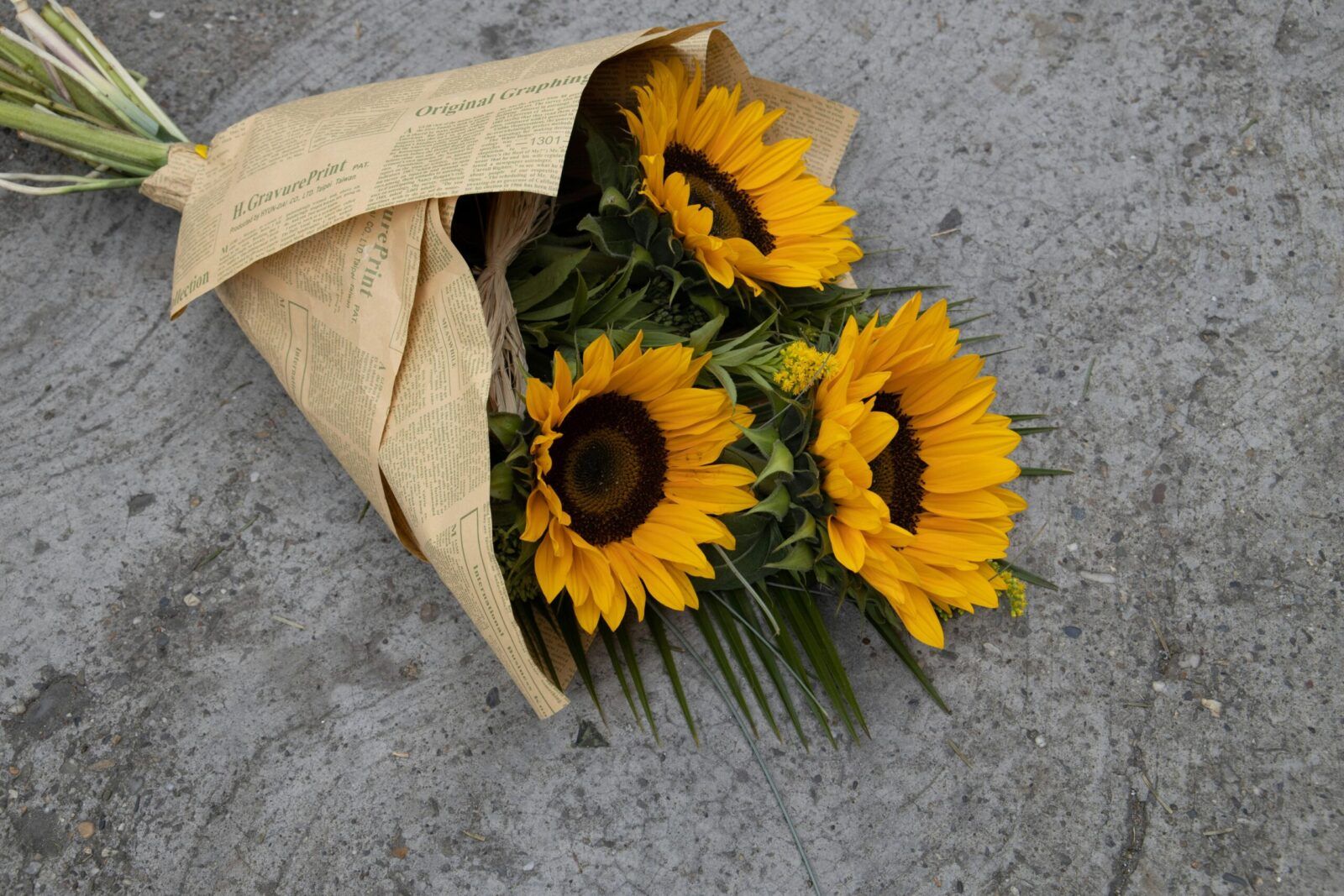
Sunflowers just have a natural way of bringing joy to both birds and people. Birds are drawn to them for their seeds, turning your yard into a lively, cheerful space full of movement and sound. At the same time, sunflowers make decorating easy—they’re bright, warm, and fit just about anywhere, from a simple vase on the table to a welcoming touch on a porch. Whether you’re planting them outside or using them inside, sunflowers create a connection between nature and home that feels easy, inviting, and full of life..


Comments are closed