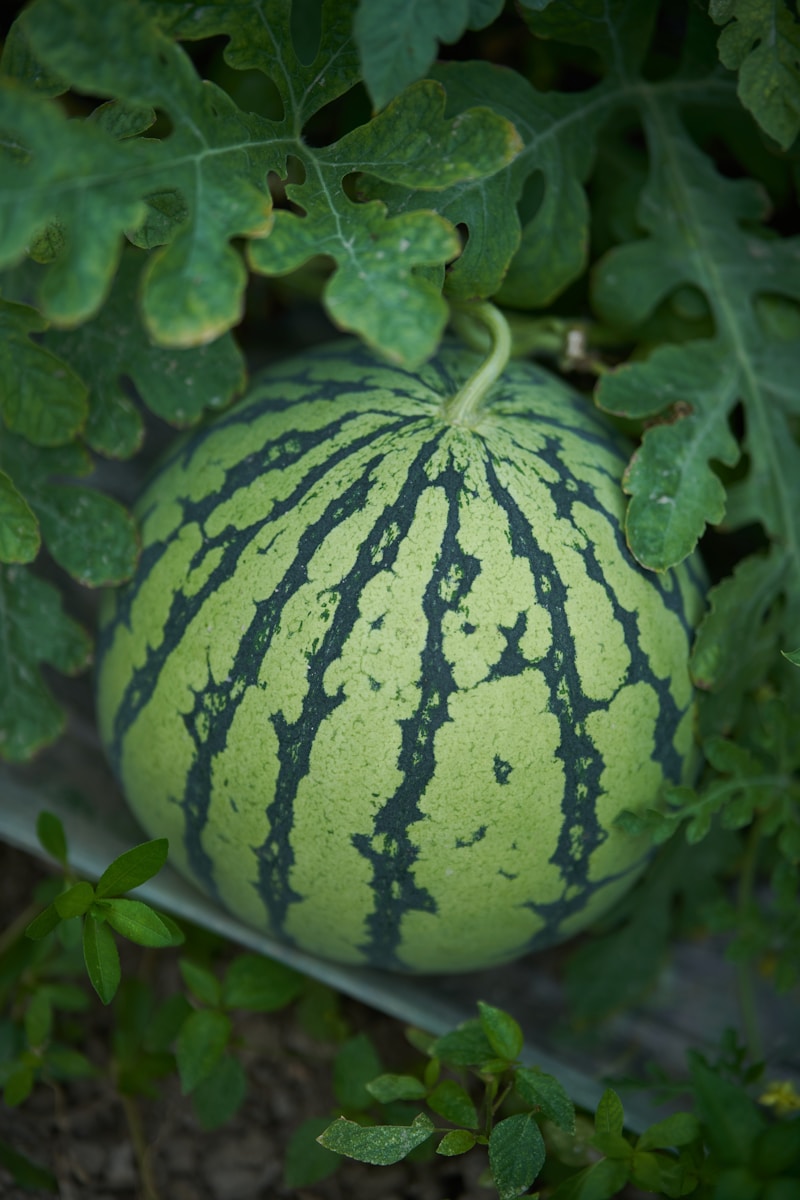
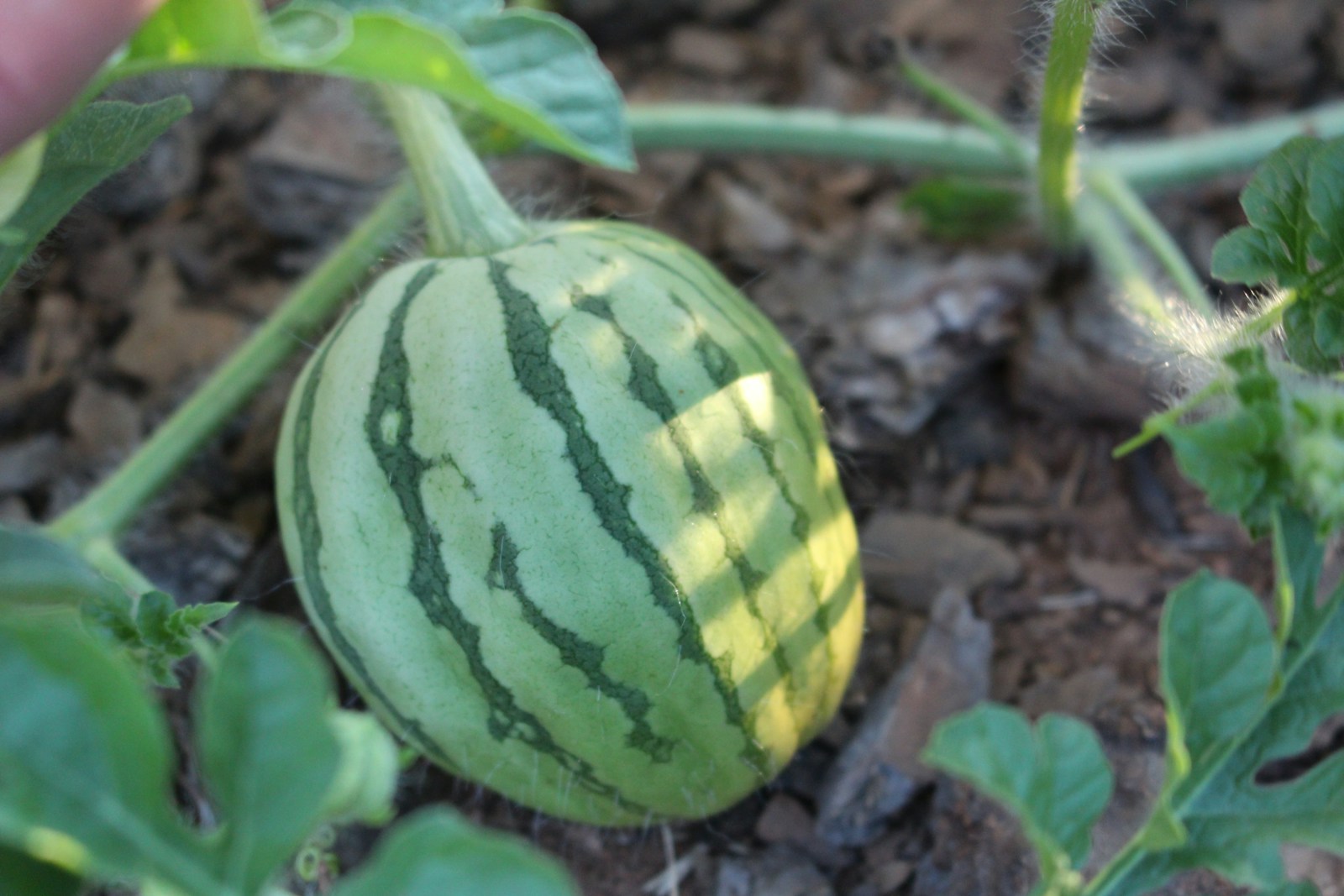
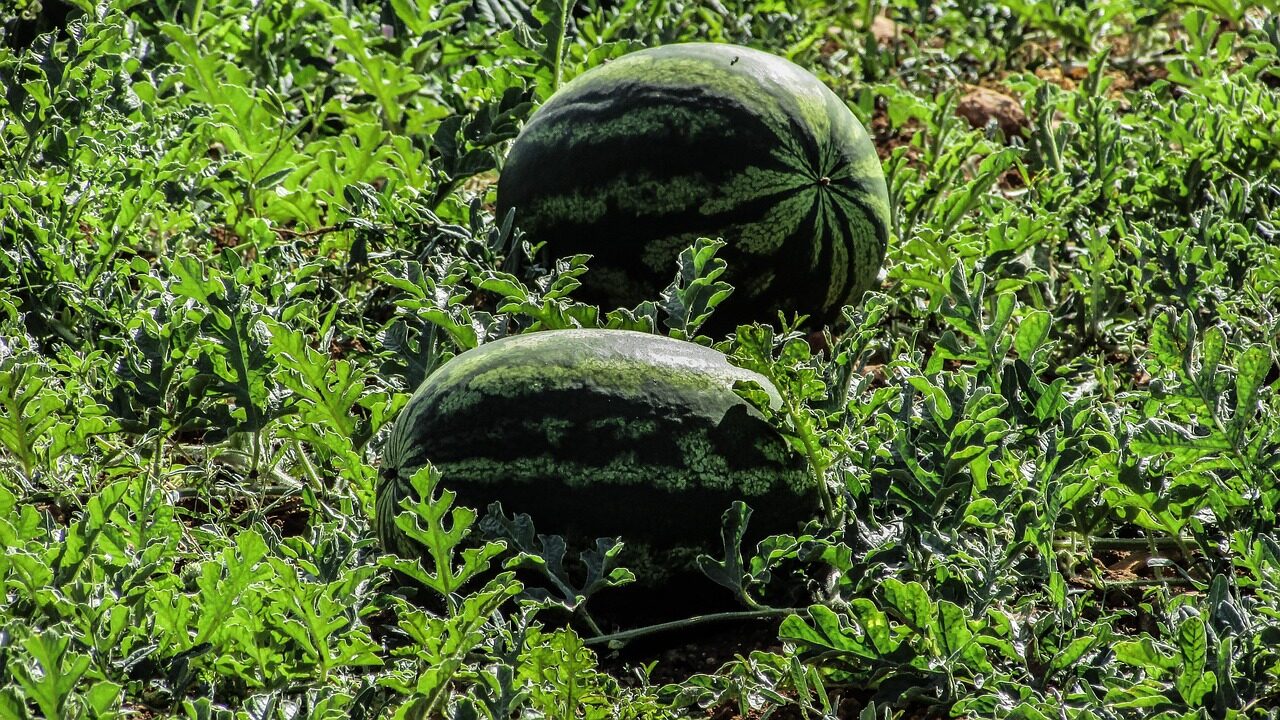
Growing watermelons in your home garden is a simple way to enjoy fresh, sweet fruit that tastes far better than store-bought. They thrive in warm weather, don’t require fancy care beyond sun, space, and regular watering, and can even help cover bare ground with their sprawling vines. Plus, you get to choose from a wide range of varieties depending on your taste and space—classic large types like Crimson Sweet and Jubilee, smaller “icebox” varieties like Sugar Baby and Blacktail Mountain that are perfect for limited space, seedless hybrids for convenience, and even unique options like yellow-fleshed Desert King or orange-fleshed Orangeglo for something different. With so many choices, growing your own watermelons lets you experiment, save money, and enjoy a truly homegrown summer treat.
Main Types of Watermelons
There are many many different types of watermelons but most people classify the watermelons into 5 broad categories.
Type of Watermelon
Description
Examples
Icebox
Small (5–15 lbs), great for small gardens, quick to grow
Sugar Baby, Blacktail Mountain
Picnic
Large (15–40+ lbs), classic store-type melons, need more space
Crimson Sweet, Jubilee, Charleston Gray
Seedless
Bred to have few or no seeds, need a pollinator plant nearby
Seedless hybrids like Crimson Sweet Seedless
Seeded
Traditional melons with black seeds, often easier to grow and flavorful
Jubilee, Black Diamond
Specialty / Heirloom
Unique colors, flavors, or patterns (yellow, orange, spotted)
Moon and Stars, Orangeglo, Desert King
Popular Icebox Watermelons
Variety
Size / Features
What Makes It One of the Best
Sugar Baby
6–10 lbs, dark green rind, red flesh
Very sweet, fast-growing, and one of the easiest for beginners
Blacktail Mountain
6–12 lbs, dark rind, red flesh
Handles cooler climates better than most, reliable harvests
Bush Sugar Baby
5–8 lbs, compact vine
Perfect for small gardens or containers due to its short vines
Yellow Doll
5–7 lbs, yellow flesh
Early harvest and unique sweet, tropical-like flavor
Tiger Baby
6–10 lbs, striped rind, red flesh
Attractive look, crisp texture, and good disease resistance
Best Picnic Watermelon
Variety
Size / Features
What Makes It One of the Best
Crimson Sweet
15–25 lbs, round, striped rind
Very sweet and easy to grow with great disease-resistant
Charleston Gray
20–35 lbs, oblong, gray-green rind
Resistant to diseases very popular my personal favorite
Black Diamond
30–50 lbs, dark solid rind
Large and very sweet
Jubilee
25–40 lbs, long oval, striped
Does great in hot climates very sweet also
Georgia Rattlesnake
25–50 lbs, striped, elongated
Heirloom favorite very popular and does great in the heat.
Best Seedless Watermelons
Variety
Size / Features
What Makes It One of the Best
Triple Crown
18–20 lbs, oval, red flesh
Large, high-yielding, very sweet, and great for big harvests
Millionaire
15–22 lbs, round/oval
Extremely sweet with crisp texture and performs well in many climates
Eclipse
10–12 lbs, round, dark rind
Early maturing and very flavorful—good for shorter growing seasons
Belmont
6–10 lbs, mini seedless
Strong vines, high yields, and deep red flesh with great color
Ocelot
3–5 lbs, small “personal” melon
Very sweet, compact size, and produces multiple fruits per plant
Best Seeded Watermelons
Variety
Size / Features
What Makes It One of the Best
Crimson Sweet
20–25 lbs, round, striped rind
one of the most grown varieties for a reason very sweet
Charleston Gray
20–35 lbs, oblong, gray-green rind
Disease-resistant with fiber-free flesh
Jubilee
25–40 lbs, long striped melon
Very productive and sweet
Black Diamond
30–50 lbs, dark green rind
Classic watermelon flavor
Moon and Stars
15–40 lbs, dark rind with yellow spots
Heirloom favorite very pretty melon
Heirloom favorites or unique
Variety
Size / Features
What Makes It One of the Best
Moon and Stars
15–40 lbs, dark rind with yellow “stars”
Eye-catching appearance and rich, sweet heirloom flavor
Orangeglo
20–30 lbs, orange flesh, striped rind
Very sweet with a unique tropical taste and juicy texture
Yellow Crimson
20–25 lbs, yellow flesh, striped rind
Bright color with classic watermelon sweetness and good yields
Cream of Saskatchewan
5–12 lbs, pale rind, white flesh
Unusual creamy-white flesh and grows well in cooler climates
Georgia Rattlesnake
25–40 lbs, long striped melon
Old Southern heirloom with strong vines and excellent heat tolerance
Ideal Conditions
Condition
Ideal Range / Description
Why It Matters
Temperature
70–90°F (21–32°C); warm nights above 60°F
Watermelons are heat-loving plants and grow best in consistently warm weather
Sunlight
Full sun (6–8+ hours daily)
Maximizes growth, flowering, and sugar development in the fruit
Soil Type
Well-drained, sandy or loamy soil
Prevents root rot and allows strong root development
Soil pH
6.0–6.8 (slightly acidic)
Helps plants absorb nutrients efficiently
Water
Deep, consistent watering; reduce as fruit ripens
Supports vine growth and fruit development without causing cracking or dilution of flavor
Space
3–5 feet between plants; room for vines to spread
Prevents overcrowding and improves airflow and yield
When to direct sow seeds (Spring)
USDA Zone
Typical Direct Sow Time (Spring)
Conditions to Wait For
Zone 4
Late May to early June
Soil temp consistently ≥ 70°F; all frost risk passed
Zone 5
Mid to late May
Soil warming up; nights reliably above 50°F
Zone 6
Early to mid May
After last frost; soil beginning to warm
Zone 7
Late April to early May
Soil warm and stable; minimal frost risk
Zone 8
Early to mid April
Soil consistently warm; ideal growing conditions begin
Zone 9
March to early April
Warm soil already; avoid early cold snaps
Zone 10
Late February to March
Warm soil year-round; plant early spring or nearly any time frost-free
When to direct sow seeds (Fall)
USDA Zone
Typical Fall Direct Sow Window
Feasibility / Notes
Zone 4
Not recommended
Growing season too short; frost arrives too early
Zone 5
Not recommended
Insufficient warm days before first frost
Zone 6
Not recommended
Risk of frost before fruit matures
Zone 7
Late summer (late July–early Aug)
Possible only with fast-maturing varieties and warm fall
Zone 8
Late July to early August
Feasible with early varieties; monitor for early cold snaps
Zone 9
August
Good chance of success; warm temps extend growing window
Zone 10
August to early September
Ideal fall planting climate; long warm season allows full maturity
Companion planting
Companion planting is a gardening practice where different plants are grown close together because they can benefit each other in some way. The idea is that certain plants can help improve growth, reduce pests, attract pollinators, or make better use of space when paired together.
For example, some plants naturally repel insects, while others attract beneficial bugs like pollinators. Some improve soil nutrients, and others provide shade or ground cover that helps nearby plants thrive. A common example is growing Marigold near vegetables because it can help deter certain pests, or planting Beans because they add nitrogen to the soil, which supports neighboring plants.
Beneficial companion plants for watermelon:
Nasturtium – Helps deter aphids and other common pests; also acts as a trap crop that attracts insects away from watermelons.
Marigold – Known for repelling nematodes in the soil and some harmful insects with its strong scent.
Radish – Can help break up compact soil and may deter certain beetles; grows quickly alongside melons.
Corn – Provides light shade and can act as a natural trellis edge in some layouts while not competing heavily for nutrients.
Beans – Fix nitrogen in the soil, which can help support the heavy feeding needs of watermelon plants.
Why these work well:
Some improve soil health (like beans)
Some deter pests naturally (like marigolds and nasturtiums)
Some help with spacing or microclimates (like corn)
Others act as quick-growing fillers without competing too much for resources (like radishes)
Common diseases and problems
Disease
Symptoms
Prevention
Powdery Mildew
White, powdery spots on leaves; leaves may yellow and die
Provide good air circulation, avoid overhead watering, and plant in full sun
Downy Mildew
Yellow patches on leaves with gray/purple fuzz underneath
Rotate crops, avoid excess moisture on leaves, and ensure proper spacing
Anthracnose
Dark, sunken lesions on leaves, stems, and fruit
Use disease-resistant varieties, practice crop rotation, and avoid working with wet plants
Fusarium Wilt
Wilting vines, yellowing leaves despite adequate water
Plant resistant varieties and avoid planting in infected soil for several years
Bacterial Fruit Blotch
Water-soaked spots on fruit that turn dark and crack
Use certified disease-free seeds, avoid overhead irrigation, and maintain good sanitation
Fertilizing schedule
Growth Stage
Fertilizer Approach
Why It Matters
Pre-Plant / Soil Prep
Mix in compost or well-rotted manure; apply a balanced fertilizer (e.g., 10-10-10)
Builds healthy, nutrient-rich soil and supports early root development
Early Growth (Vine Stage)
Use a nitrogen-leaning fertilizer to encourage leaf and vine growth
Promotes strong vines and canopy for photosynthesis
Flowering Stage
Switch to a balanced or slightly lower nitrogen fertilizer
Supports flower formation without excessive leafy growth
Fruit Set & Development
Use fertilizer higher in potassium (and moderate phosphorus)
Encourages fruit size, sweetness, and proper development
Late Season
Reduce or stop fertilizing; avoid excess nitrogen
Prevents excessive vine growth and focuses plant energy on ripening fruit
Common Pest
Pest
Damage / Symptoms
Prevention
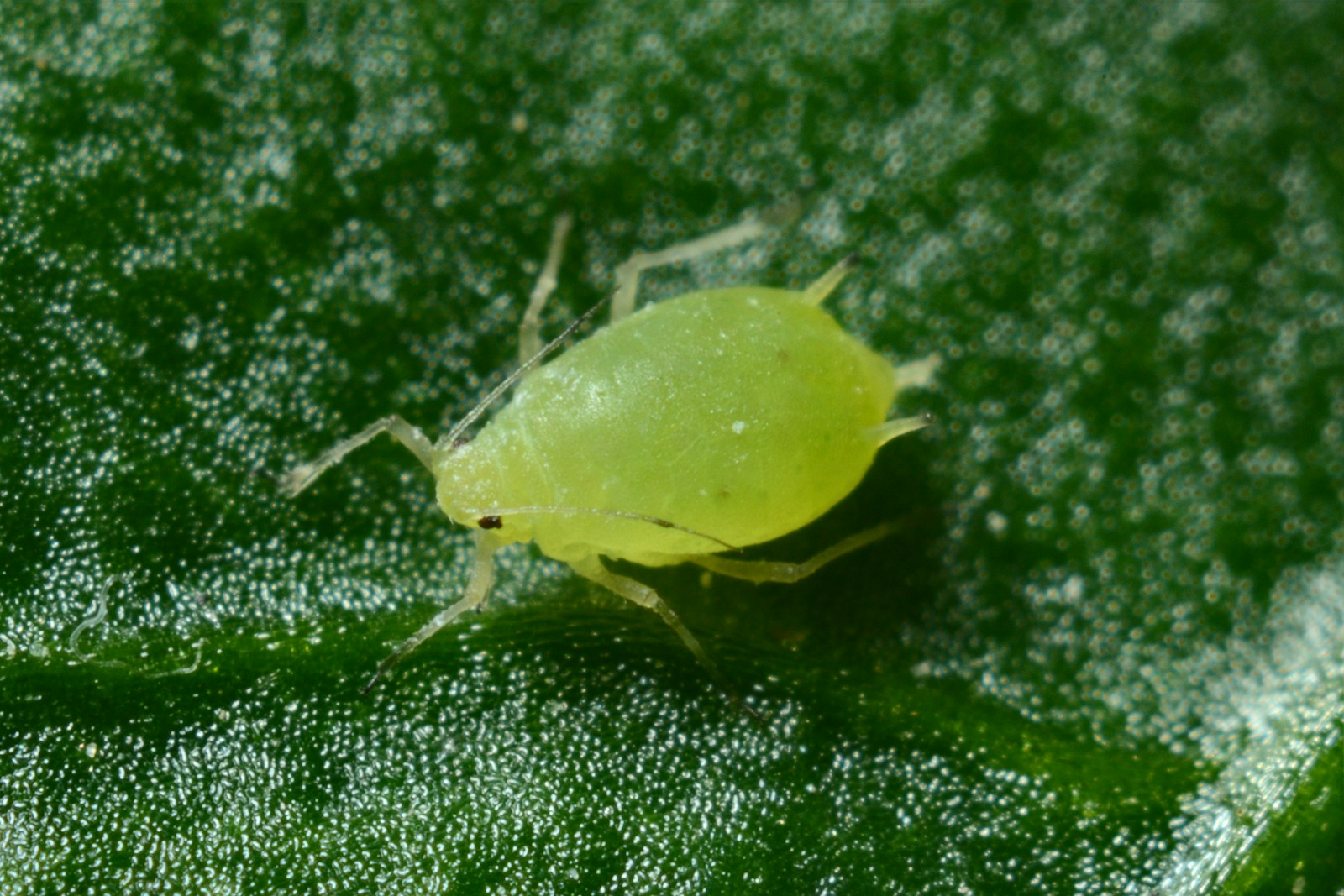
Aphids
Clusters of small insects on leaves; curling, yellowing leaves; sticky residue (honeydew)
Encourage beneficial insects (ladybugs), use insecticidal soap, and control weeds nearby
Cucumber Beetle
Chewed leaves and flowers; can spread bacterial wilt
Use row covers early, apply mulch, and rotate crops to reduce overwintering
Squash Vine Borer
Sudden vine wilting; sawdust-like frass at stem base
Use row covers during egg-laying season, monitor stems, and remove affected vines promptly
Spider Mites
Fine webbing on leaves; speckled, yellowing foliage
Keep plants well-watered, increase humidity, and spray leaves with water to dislodge mites
Cutworms
Seedlings cut at soil level; plants suddenly collapsing
Use collars around young plants, till soil before planting, and remove plant debris
Growing watermelons at home is a fun and rewarding experience that anyone can enjoy, even in a small garden. With the right amount of sunlight, water, and care, a single plant can produce sweet, refreshing fruit that tastes better than anything from the store. There are many types to choose from, whether you prefer small icebox melons or large picnic varieties, and each one brings something unique to your garden. Along the way, you also learn important gardening skills like planting, watering, and protecting plants from pests and disease. Overall, growing watermelons at home is not only a great way to enjoy fresh food, but also a great way to connect with nature and see the results of your hard work

Comments are closed